










How to Calculate the Cost of Diesel Generator Rental
Generators experience significant fluctuations in price due to market demand, weather conditions, control, and the brand itself.
1. Generator Power: The power of the unit varies, and so does the price, with significant differences in cost.
2. Generator Brands: Same power, different brands, prices vary greatly; imported models are more expensive than joint ventures, and joint ventures are more expensive than domestic brands.
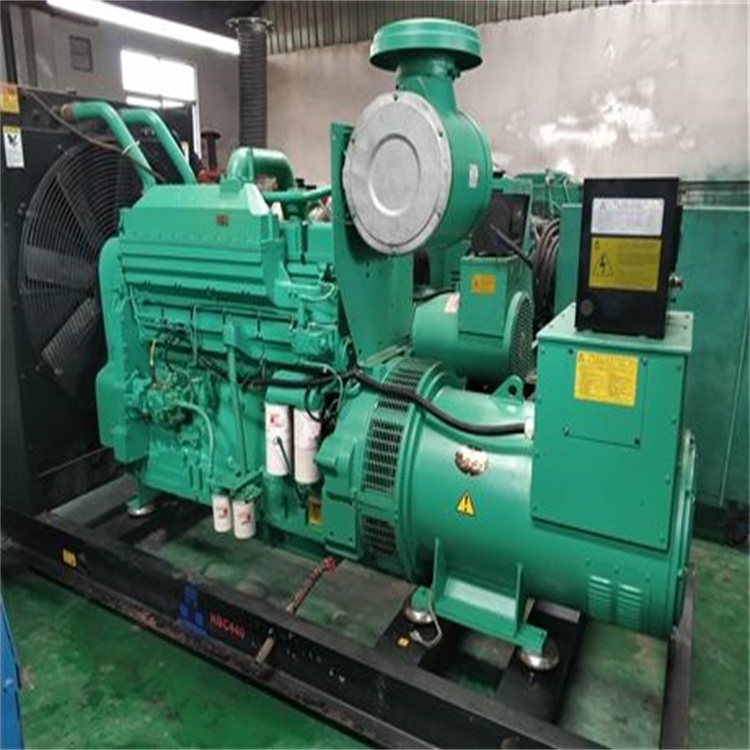
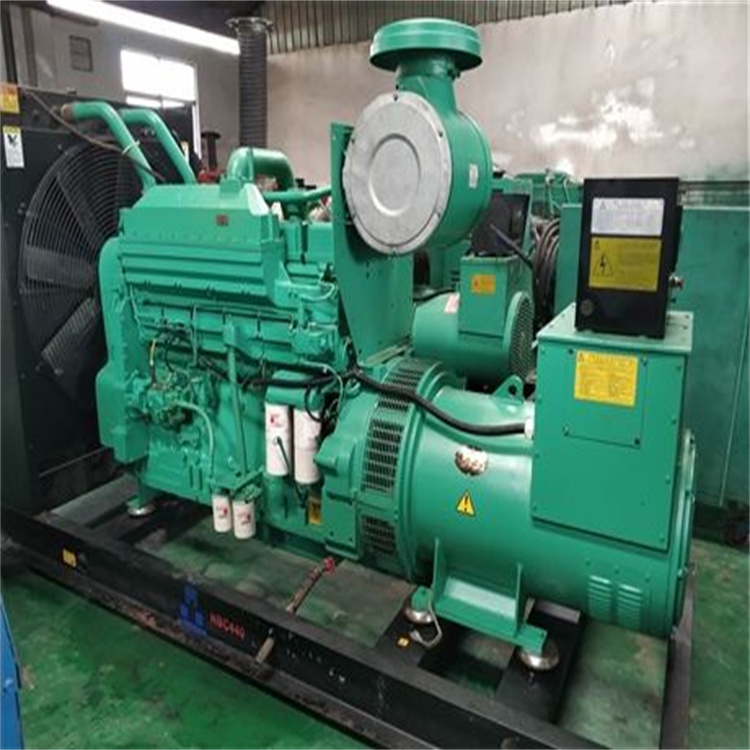
3. Function and configuration differences of diesel generator sets: Diesel generators with different functions and configurations vary in price.
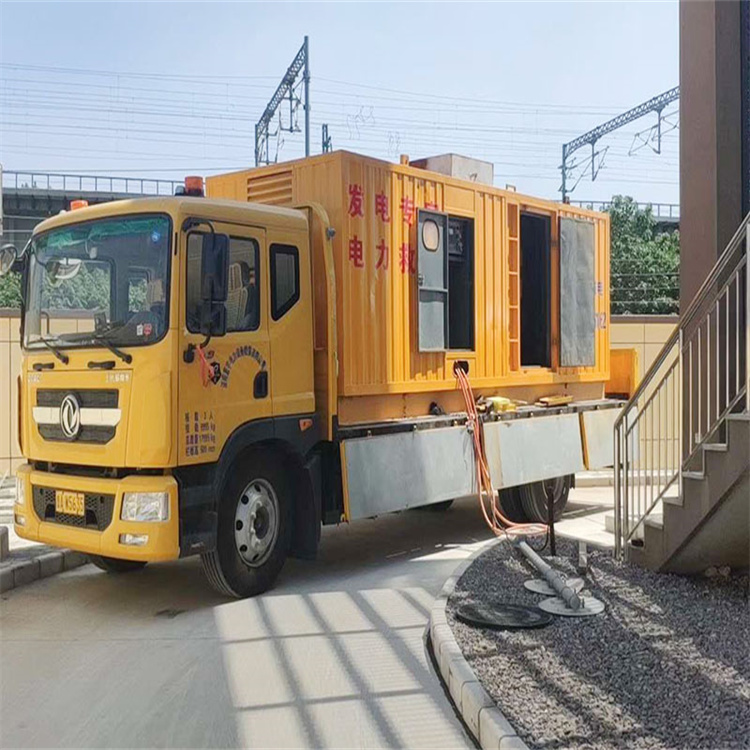
Self-selectable configurations like mobile trailers, soundproof enclosures, etc., are more expensive than units without these options!
4. Value is the foundation of price; the quality of our generators also impacts them. The price of the generators fluctuates around the value of the generators.
Section 2: How to Use Diesel Generators
1. Pre-operation Inspection
1) Inspect all parts of the diesel generator set for normal operation, paying special attention to the secure connections of all accessories and the flexibility of the drive components and control system.
2) Check if the water tank is filled with water, if the engine oil in the oil pan and fuel pump is adequate, if the generator diesel is sufficient, if the fuel tank valve is open, and inspect for any leaks in the fuel system.
3) Verify the electrical starting system circuit wiring is correct and ensure the battery is fully charged.
2. Start-up
Unlock the switch with a key and set the start switch to the start position to initiate operation.
2) The continuous operating time of the starting motor should not exceed 10 seconds. If the start is unsuccessful in one attempt, the generator should be restarted after two minutes. If it fails three consecutive times, an additional check for the cause is required.
3) After startup, adjust the speed control handle to allow the diesel engine to idle at approximately 800 RPM for several minutes. Monitor the oil pressure, and then increase the speed to the rated RPM once the water temperature reaches 20°C.
4) Operators in operation should pay attention to the readings of various gauges, particularly the oil pressure, which should remain between 2~5.
3. Power supply
1) Note to adjust the voltage regulator to 380V~400V and set the frequency to around 50HZ.
2) Once the voltage stabilizes, turn the conversion switch on the meter dial to automatic, and then open the generator's transmission circuit breaker to supply power.
3) Monitor water and oil levels, water and oil temperatures, and oil pressure, as well as replenishment. In case of any abnormalities, shut down the machine for inspection.
4) Power Supply Sequence: Close the generator's air switch → Align the double-throw switch towards the generator side → Close each air switch individually.
4. Shutdown
First, disconnect the generator's power transmission air switch.
2) Ease off the throttle, gradually reducing the RPM to 800 rpm. After a few minutes of running on no load, you can then pull the diesel engine shutdown switch until the engine stops.
Properly operating a diesel generator is a crucial matter. Correctly using the generator is essentially part of its maintenance. Generator maintenance starts with the details, such as using the generator properly.
The advent of electricity has indeed played a significant role in the advancement of human life. The invention of the electric generator, based on the principle of electromagnetic induction, has been a major breakthrough. Today's generators operate on the same principle. The use of generators is typically in areas experiencing power outages or where the power supply infrastructure is inadequate. Below, we'll detail the specific application scope and characteristics of generator usage.
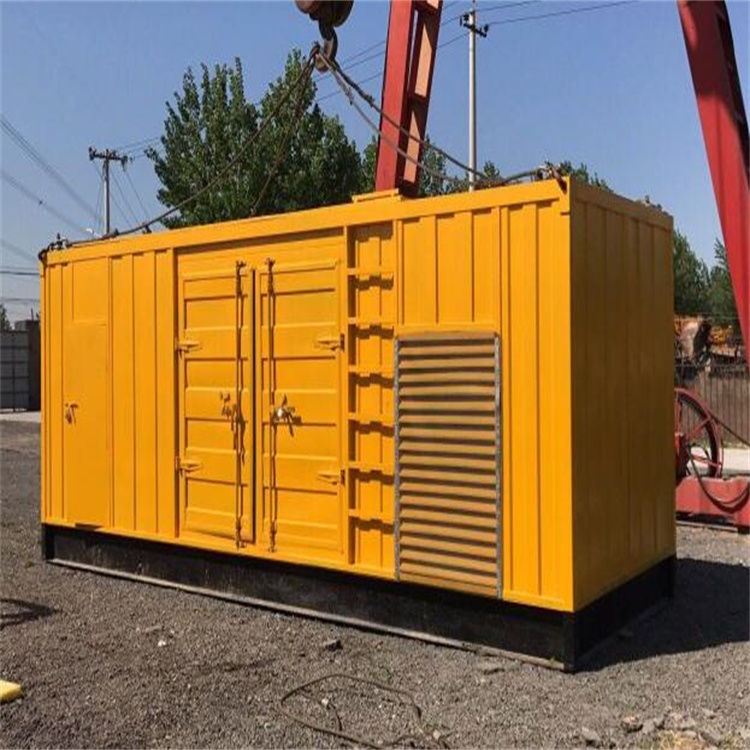
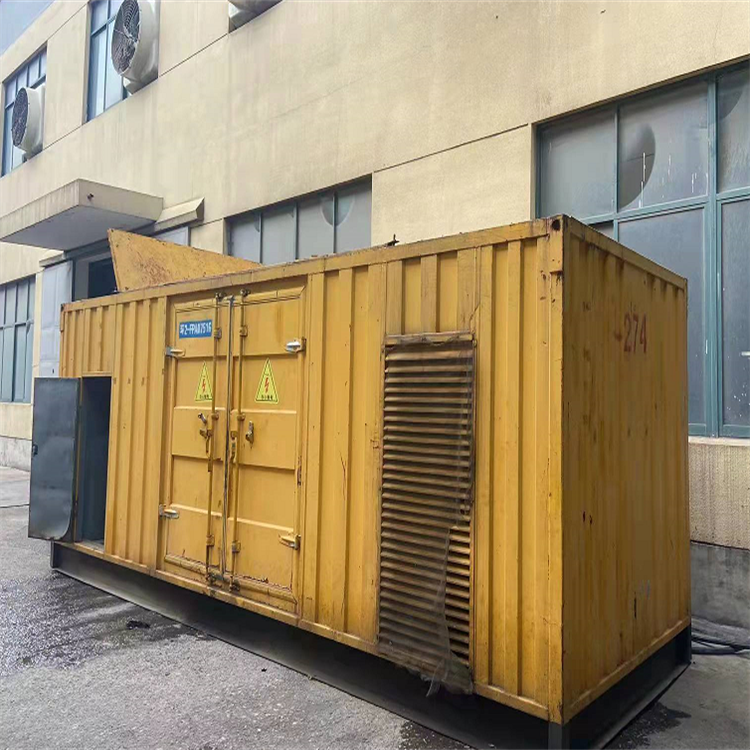
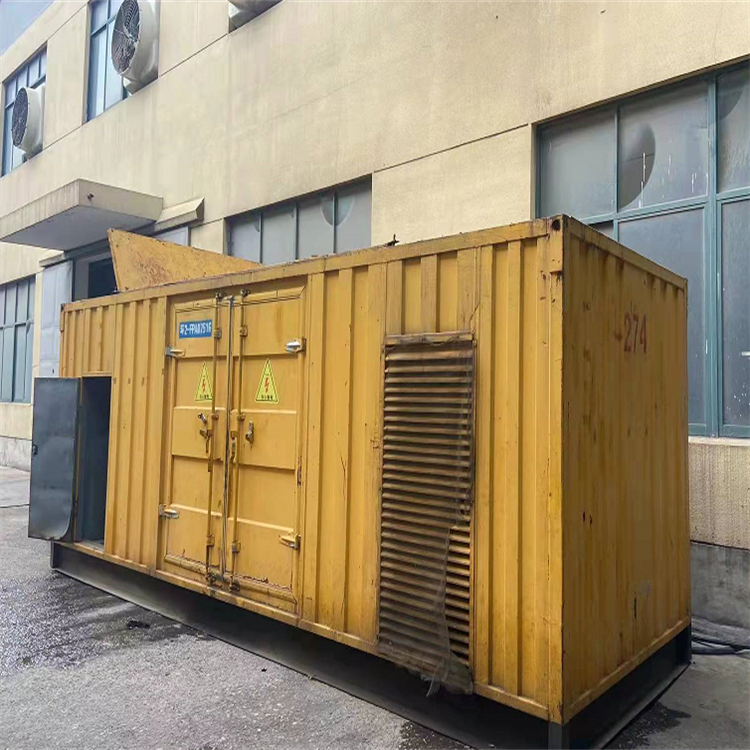
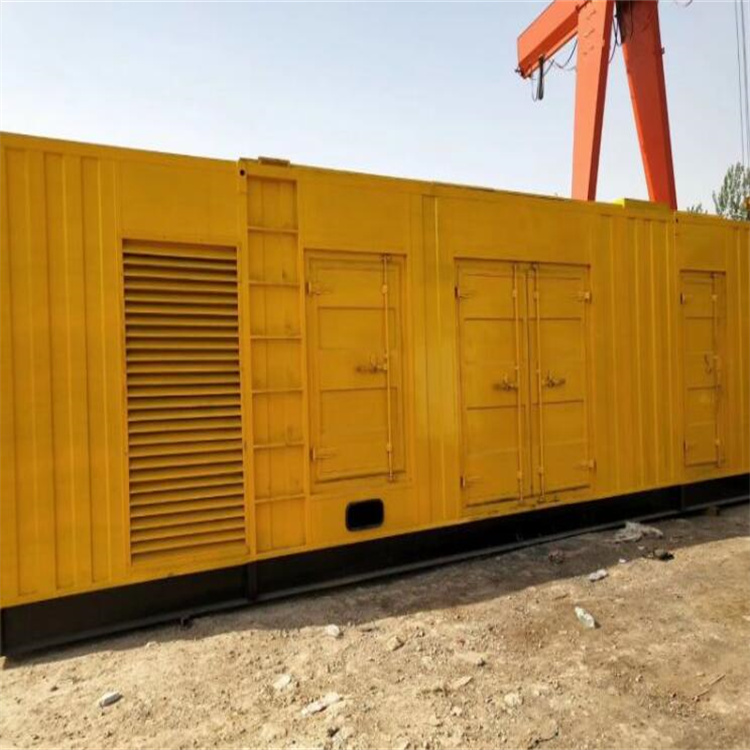
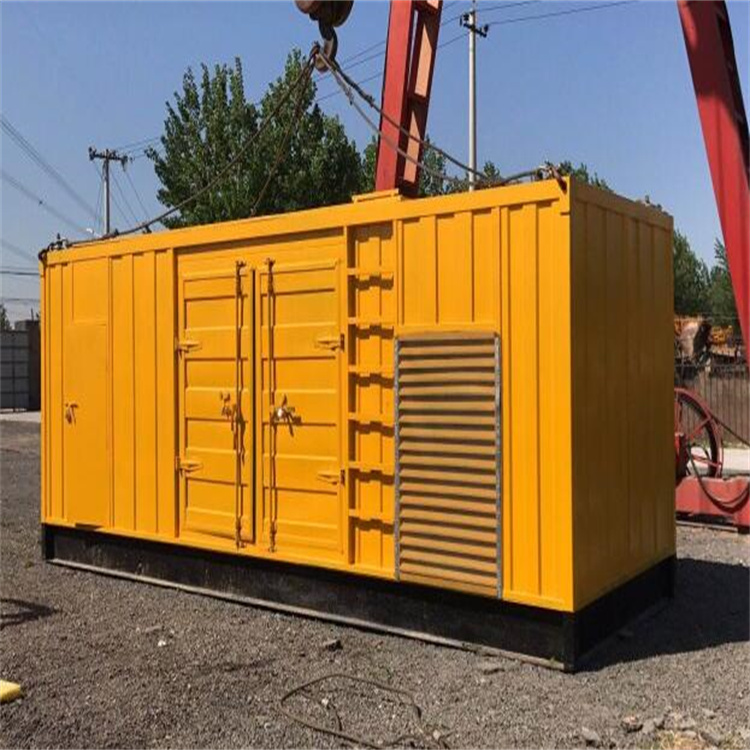
For high-power units, due to their inherent high noise levels, a significant noise reduction is required to meet current environmental protection standards. To this end, our company has invested heavily in human and material resources to develop a quiet box with excellent noise reduction performance. This quiet box is of great significance for the development and use of power generation units. It brings convenience to customers by allowing the silent-type power generation unit to be placed indoors or directly outdoors.
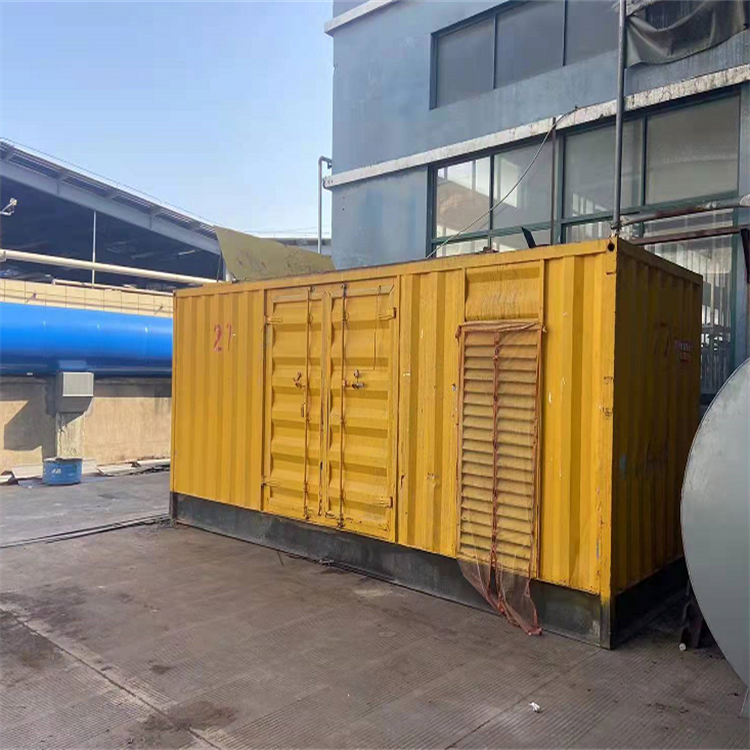
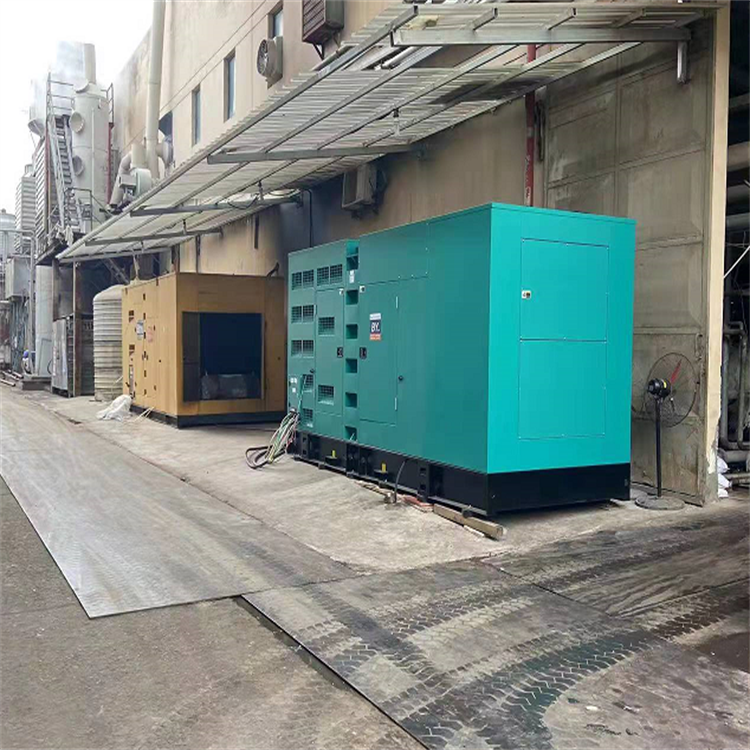
Installed indoors: Saves space for customers by placing several silent generators in the machine room, while power staff can also work inside, and other electrical equipment can also be placed there. Installed outdoors, this saves customers a significant amount of funds for building a generator room, thereby reducing noise reduction projects for the generator room.
Silent diesel generator sets, meticulously designed by incorporating advanced low-noise generator and engine technologies from abroad; featuring cutting-edge design concepts and a comprehensive range. In addition to the series of diesel generator sets and their respective functionalities, our products also offer the following characteristics: low noise level, compact overall structure, and minimal space occupancy.
The cabinet is fully detachable, constructed from steel plates, coated with high-performance anti-rust paint, and features noise reduction and waterproofing capabilities. Inside, it employs a multi-layer barrier impedance mismatched sound absorption structure, and is equipped with an internal large impedance noise suppressor.
The generator rental housing is designed with rational structure, featuring a large-capacity oil tank inside, with two maintenance doors on both sides for easy maintenance in case of unit failure. Additionally, observation windows and an emergency stop button for the unit are provided on the housing, facilitating observation of the unit's operation and quick shutdown to prevent damage in case of an emergency.