










Several classifications of refractory bricks
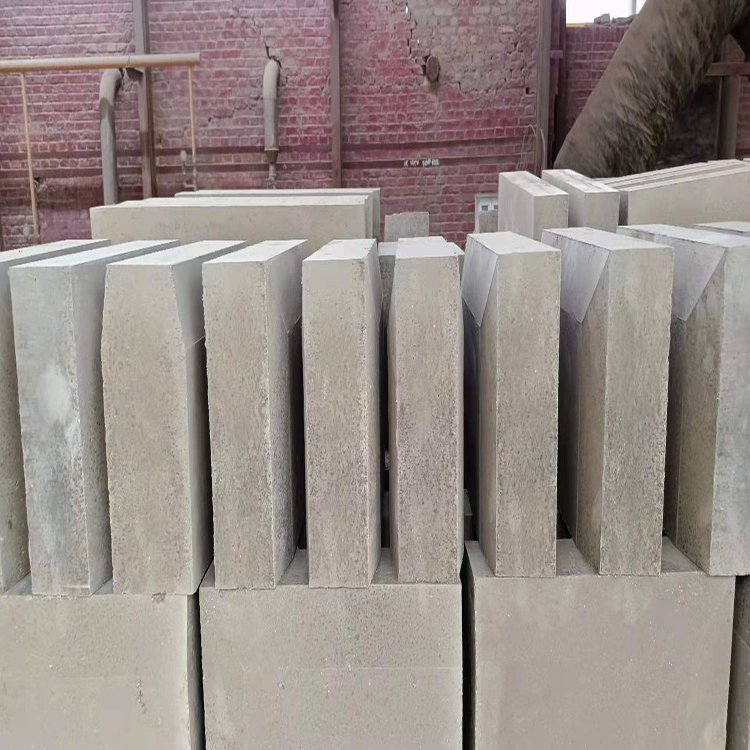
Silica brick, referring to refractory bricks containing more than 93% SiO2, is a major type of acidic refractory brick. It is primarily used for constructing coke ovens and also for the arches and other load-bearing sections of various glass, ceramic, carbon calcining furnaces, and thermal kilns for refractory bricks. It is also used in the high-temperature load-bearing sections of hot blast furnaces, but is not suitable for thermal equipment operating below 600℃ with significant temperature fluctuations.
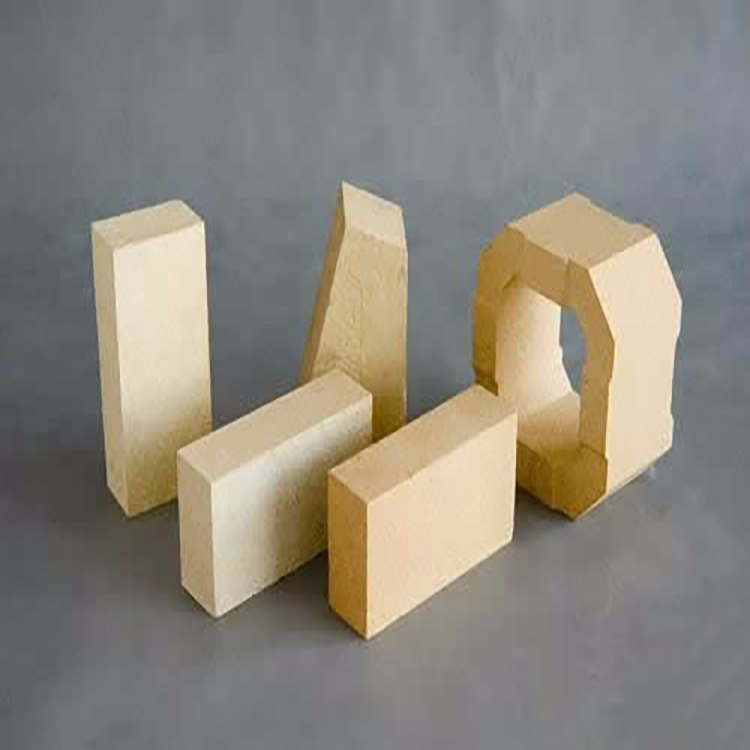
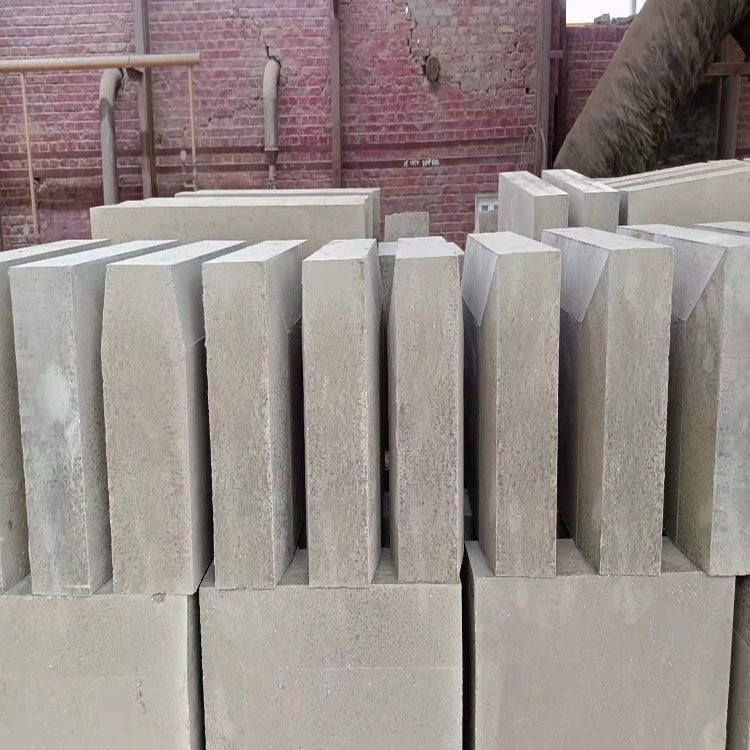
Clay bricks, primarily composed of mullite (25%~50%), glass phase (25%~60%), and feldspar and quartz (up to 30%), are commonly made from hard clay. The raw material is pre-fired to mature, then mixed with soft clay and shaped using semi-dry or plastic methods at temperatures ranging from 1300 to 1400°C to produce clay bricks. Unfired products and amorphous materials can also be made by adding small amounts of water glass, cement, and other binders. It is a commonly used refractory brick in blast furnaces, hot blast stoves, heating furnaces, power boilers, lime kilns, rotary kilns, ceramic kilns, and refractory brick firing kilns.
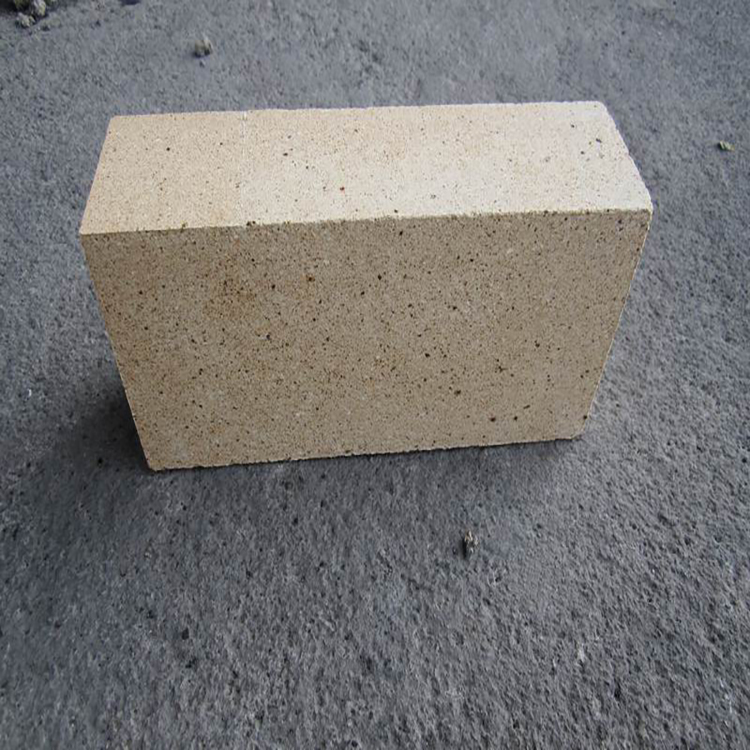
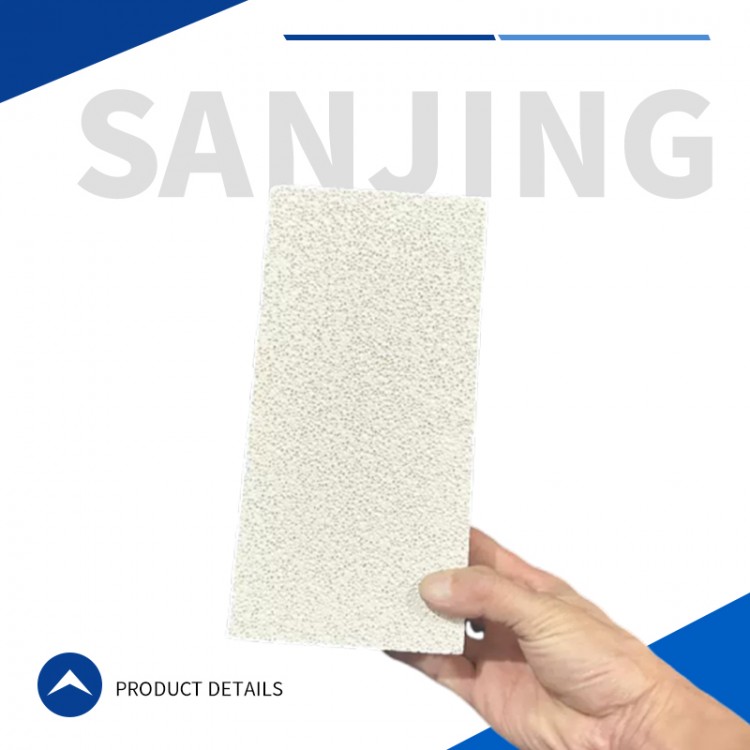
(3) High-alumina refractory bricks consist of corundum, mullite, and glassy phases, with their proportions depending on the AL2O3/SiO2 ratio and the types and amounts of impurities. The refractory bricks can be categorized by their AL2O3 content. The raw materials include high-alumina bauxite and natural ore of sillimanite, with some blends incorporating electrically fused corundum, sintered alumina, synthetic mullite, and clinker produced by firing alumina and clay in various proportions. They are primarily produced using the sintering method. However, the product range also includes cast bricks, sintered grain bricks, unburned bricks, and不定形refractory bricks. High-alumina refractory bricks are widely used in the iron and steel industry, non-ferrous metal industry, and other industries.
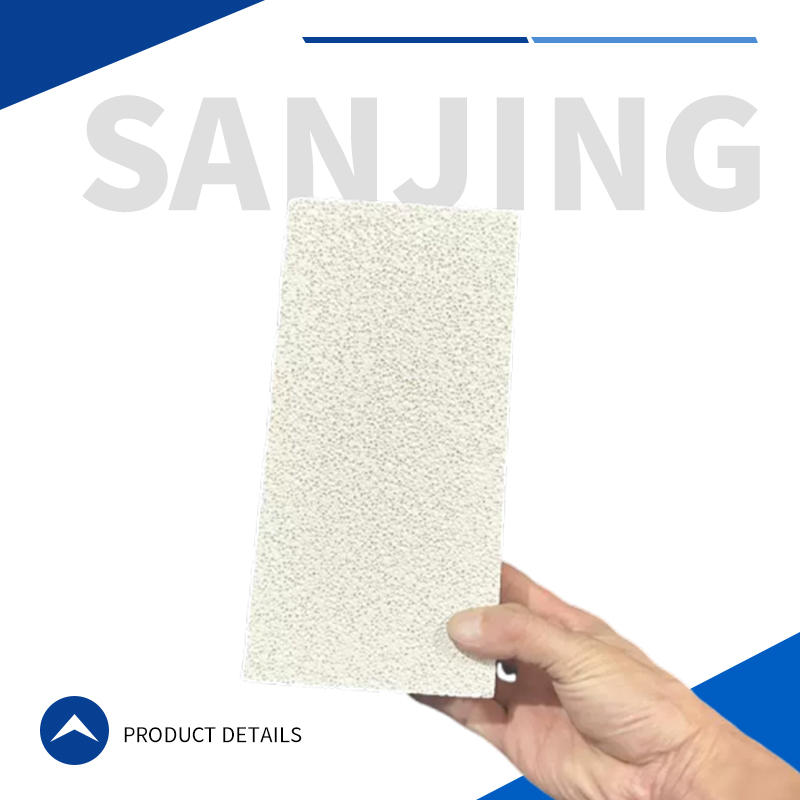
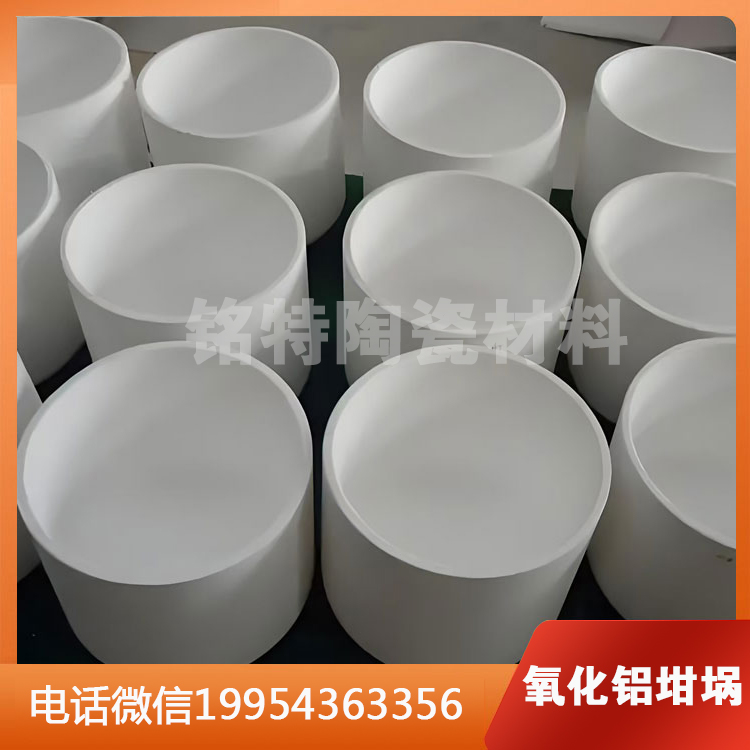
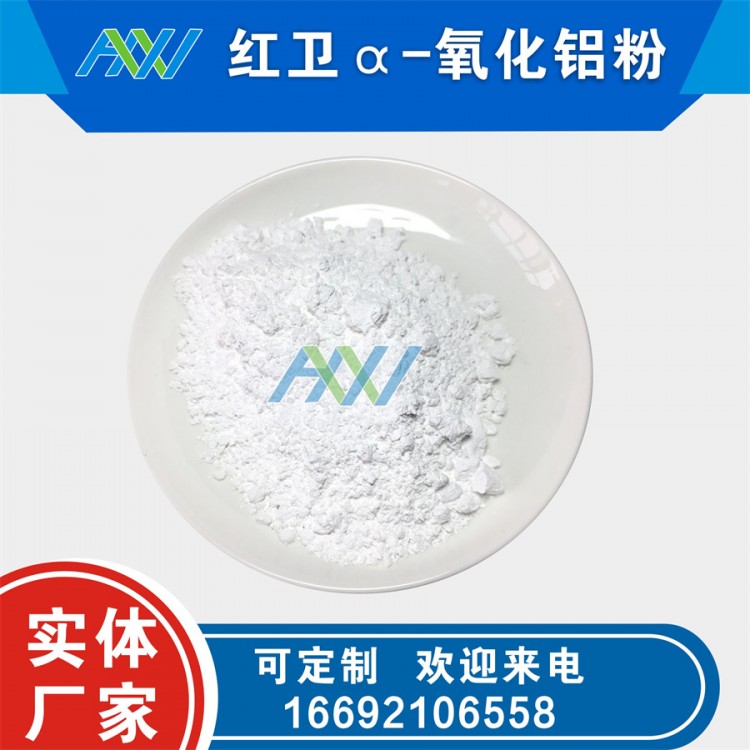
(4) Corundum refractory bricks, which refer to refractory bricks with an AL2O3 content of not less than 90% and corundum as the main phase, are divided into sintered corundum bricks and electric fused corundum bricks.