









Introduction
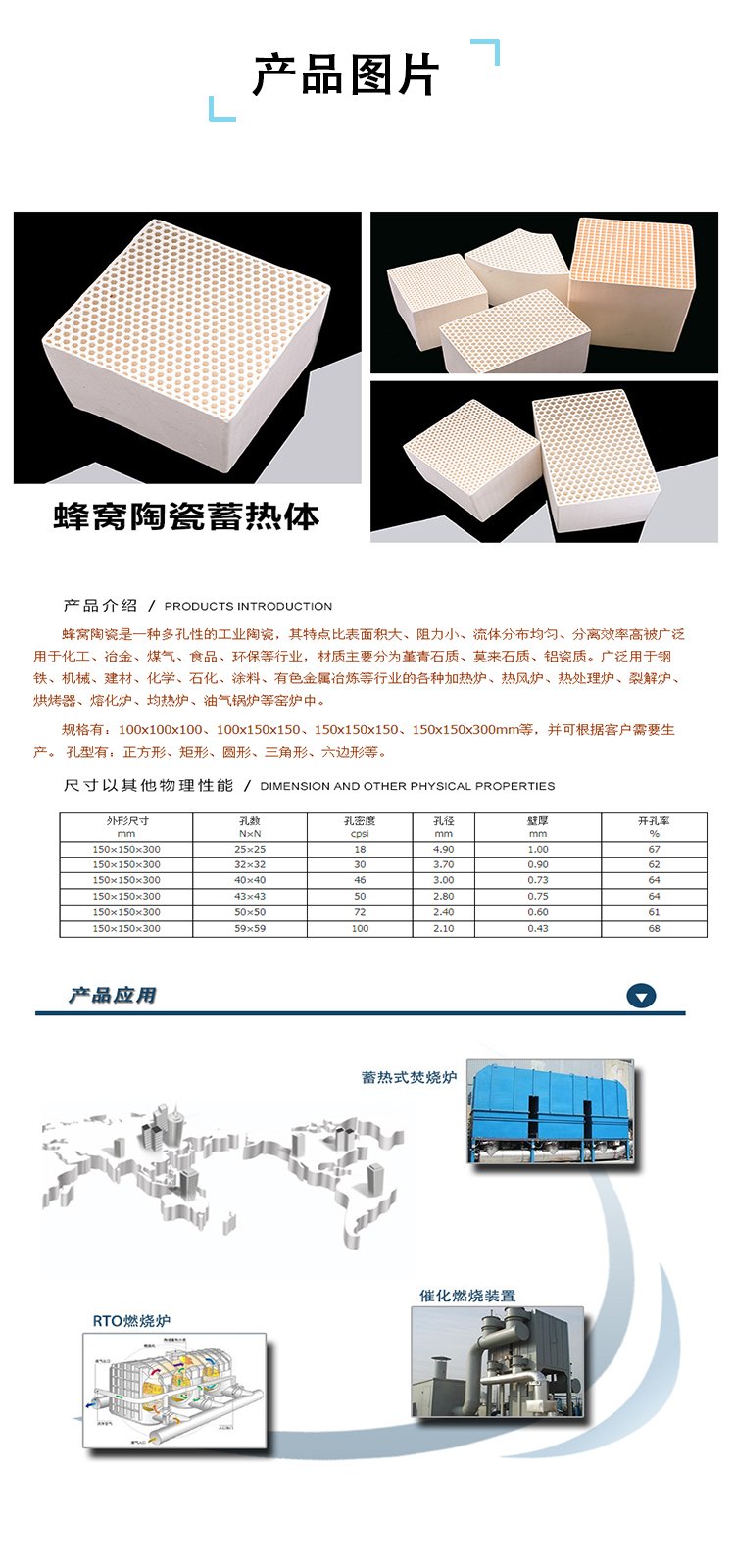
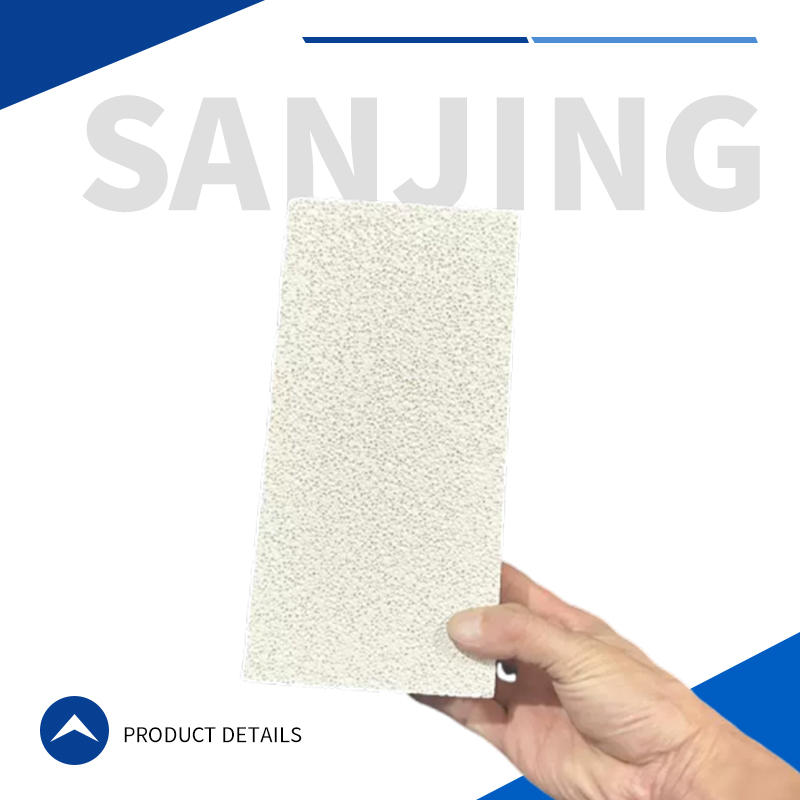
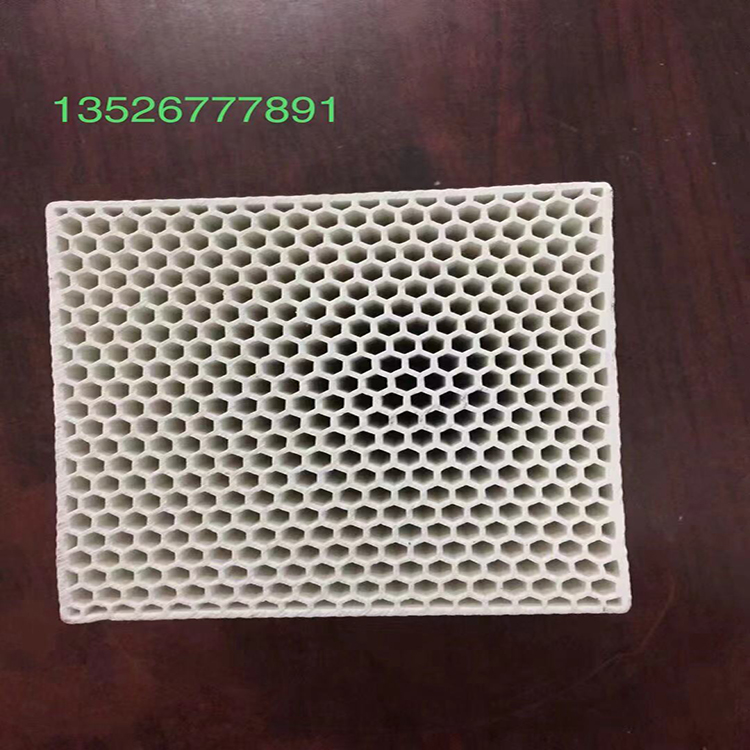
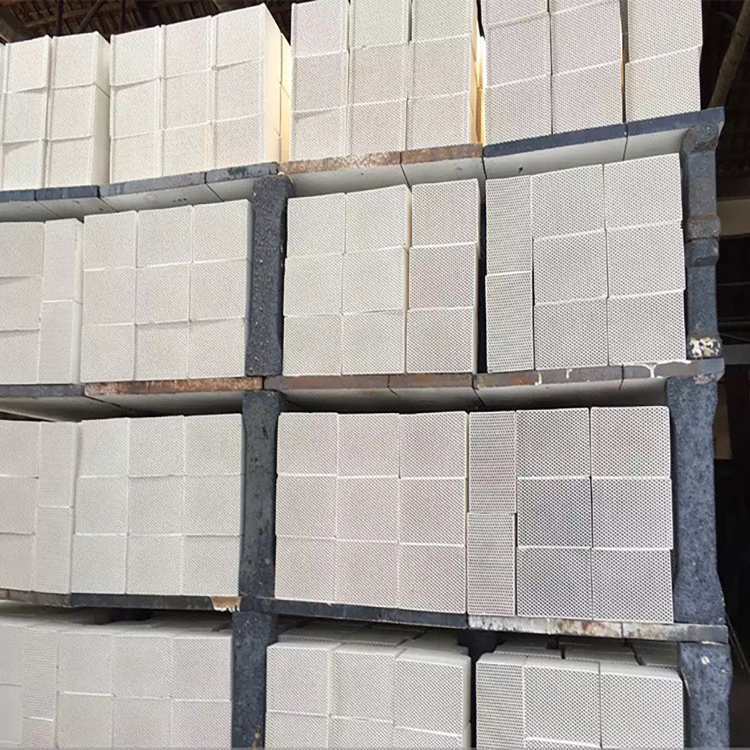
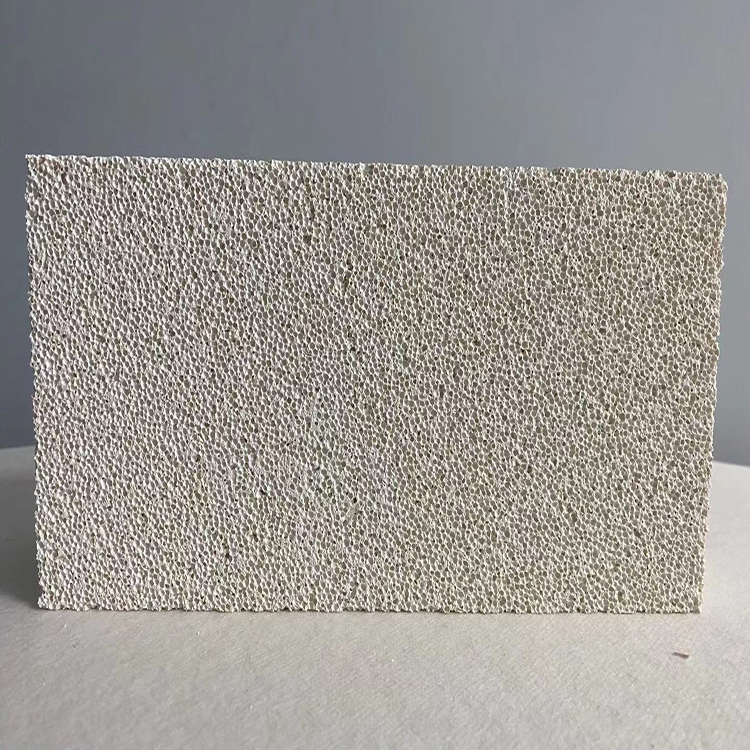
Honeycomb ceramics consist of various shapes formed by numerous equal-sized holes, with a hole count reaching 120 to 140 per square centimeter. The density is between 0.3 to 0.6 grams per cubic centimeter, and the water absorption rate exceeds 20%. Due to their porous thin-walled characteristics, they increase the geometric surface area of the carrier and improve thermal shock resistance. The products produced have a mesh structure predominantly of triangular and square holes, with triangles being more resistant to force and having a higher number of holes, which is particularly important for catalyst carriers. As the number of holes per unit area increases and the thickness of the carrier wall decreases, the trend in thermal shock resistance of ceramic carriers is enhanced, as is the temperature at which thermal shock damage occurs. Therefore, honeycomb ceramics need to reduce the coefficient of thermal expansion and increase the number of holes per unit area. The coefficient of thermal expansion is a key performance indicator. The main raw materials for producing honeycomb ceramics are kaolin, talc, clay, especially diatomite, zeolite, expanded clay, and refractory materials. The application of honeycomb ceramics is increasingly widespread, and their performance is continuously improving.