









Introduction
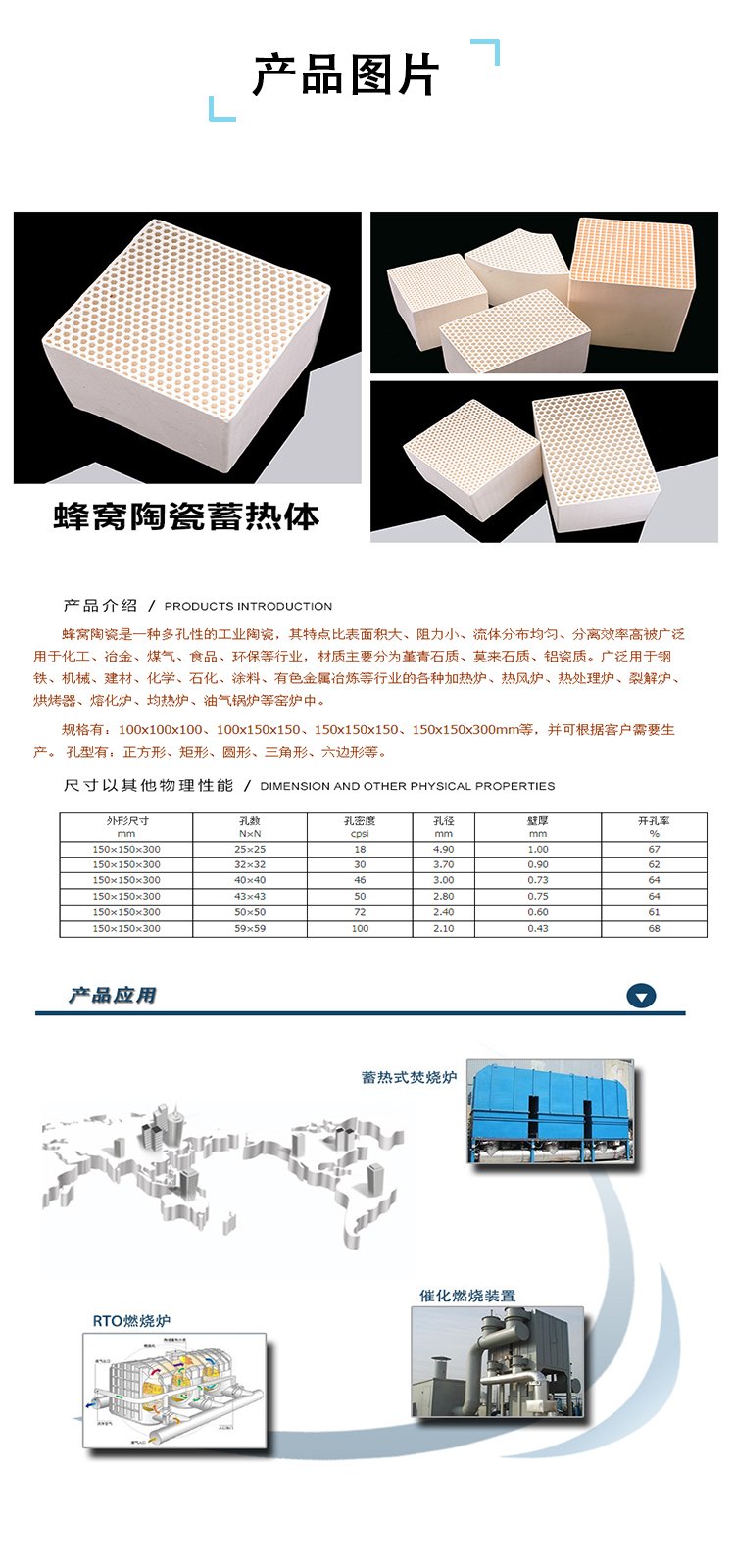
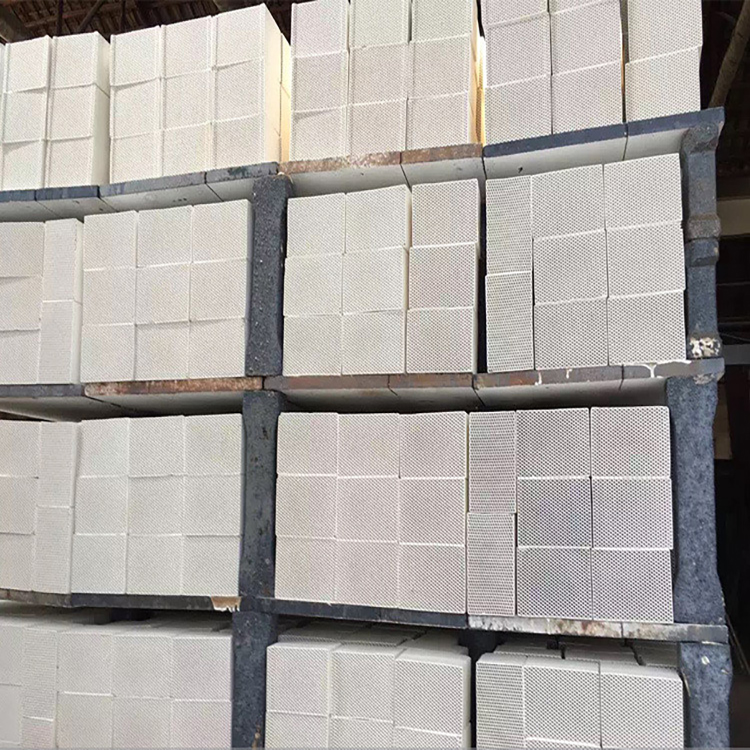
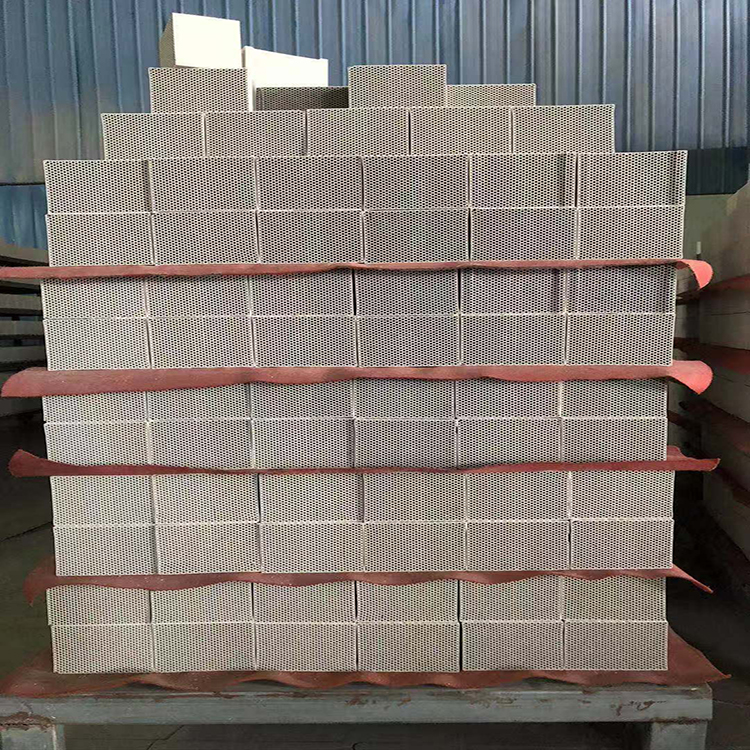
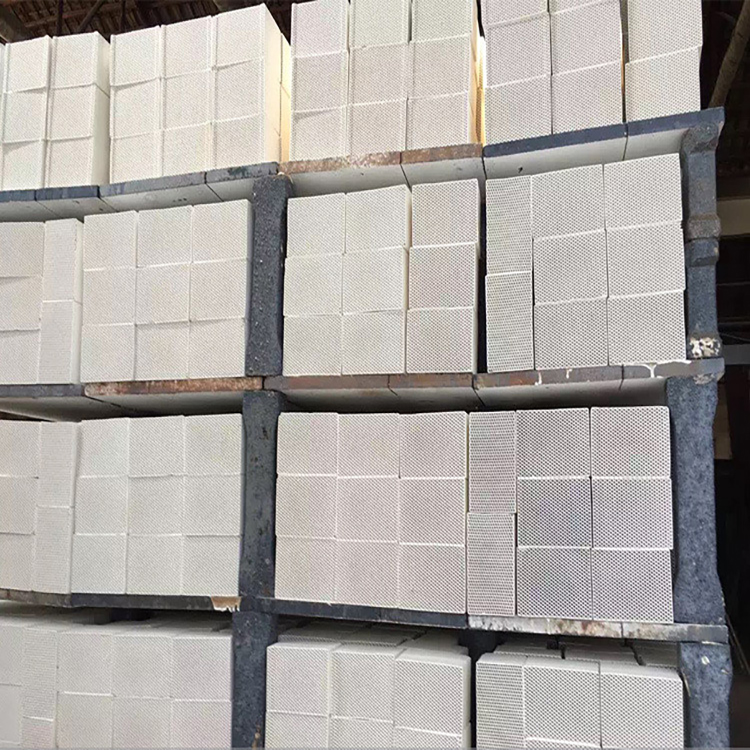
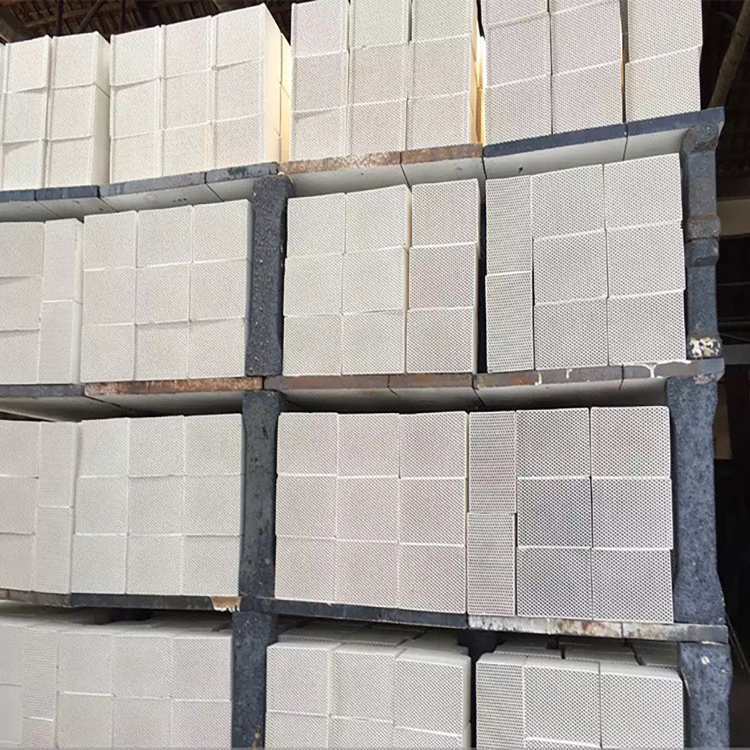
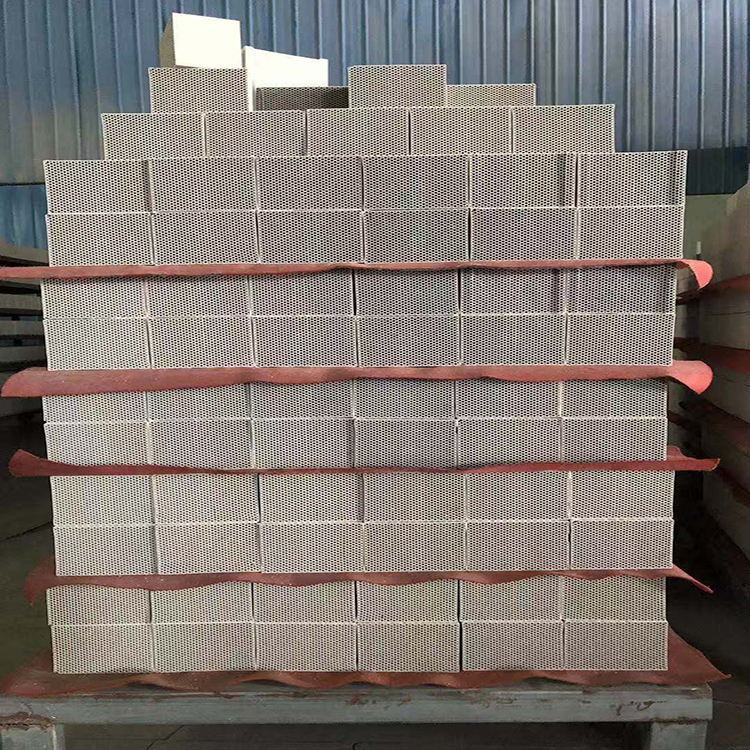
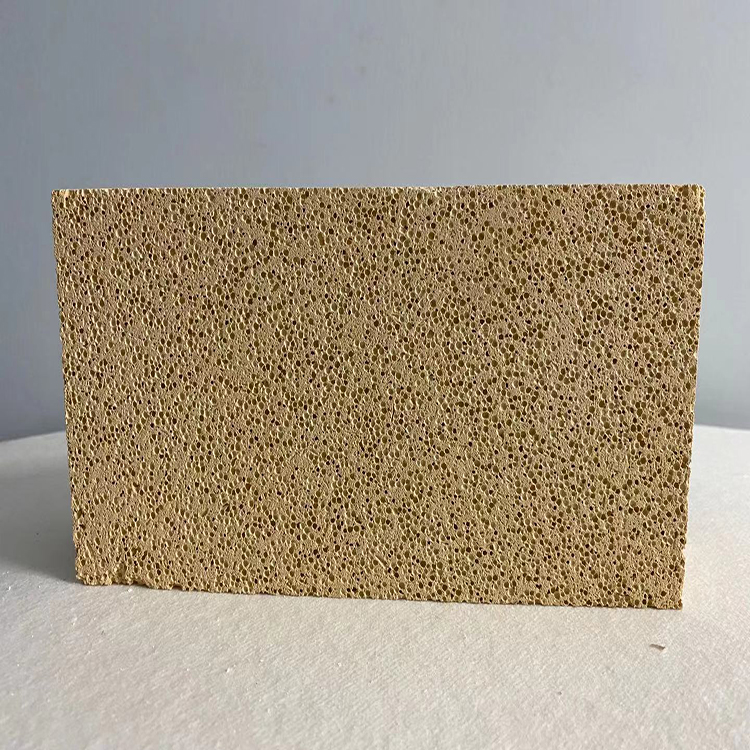
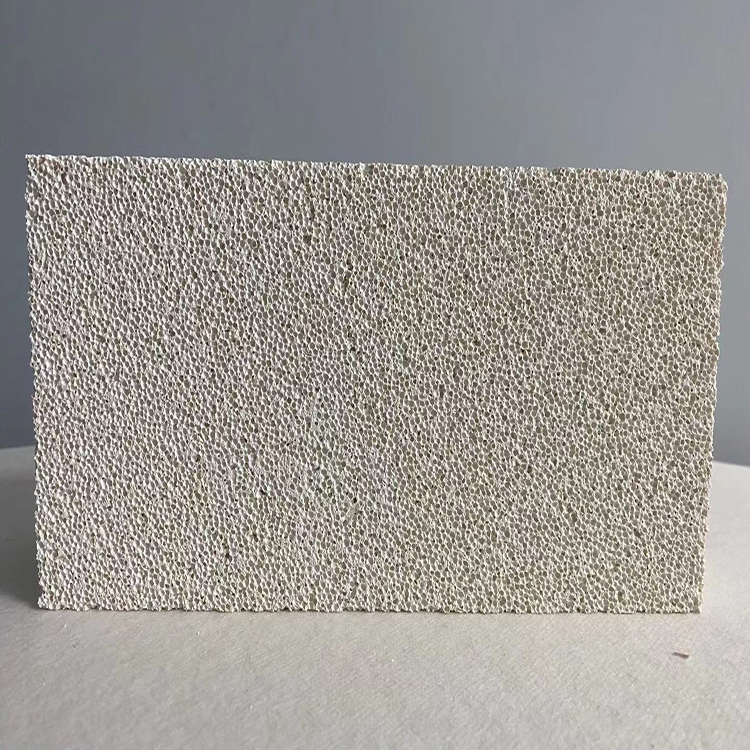
Honeycomb ceramics are composed of numerous equal-sized holes in various shapes, with a hole count reaching 120-140 per square centimeter. The density is 0.3-0.6 grams per cubic centimeter, and the water absorption rate exceeds 20%. Due to their porous thin-walled characteristics, they increase the geometric surface area of the carrier and improve resistance to thermal shock. The products have a mesh-like structure primarily with triangular and square holes, where triangular holes have better load-bearing capacity and more holes, which is particularly important as a catalyst carrier. As the number of holes per unit area increases and the thickness of the carrier walls decreases, the thermal shock resistance of the ceramic carrier tends to improve, as does the temperature at which thermal shock damage occurs. Therefore, honeycomb ceramics need to reduce the coefficient of expansion and increase the number of holes per unit area. The coefficient of thermal expansion is a key performance indicator. The main raw materials for producing honeycomb ceramics are kaolin, talc, clay, especially diatomite, zeolite, expansive clay, and refractory materials. As their applications become more widespread and their performance continues to improve, honeycomb ceramics are gaining popularity.