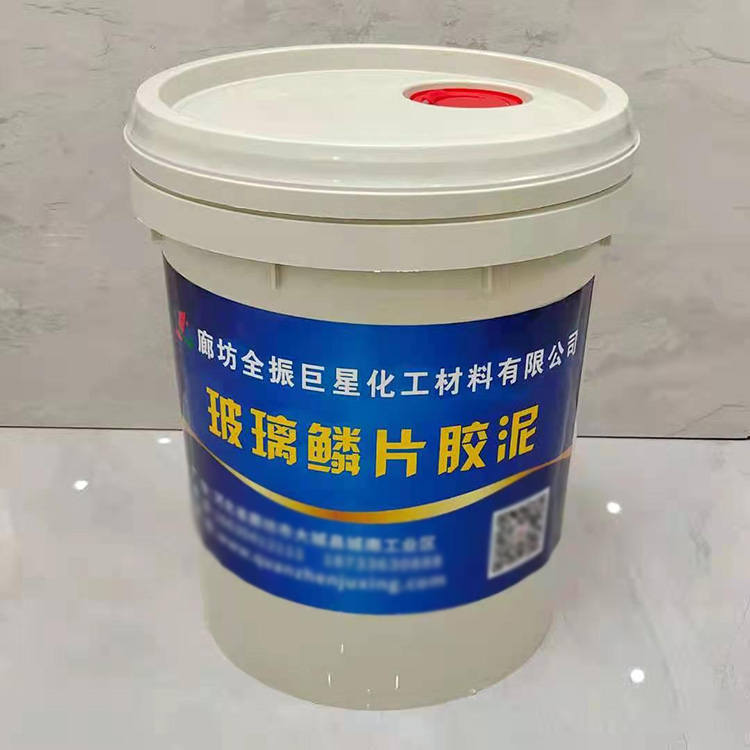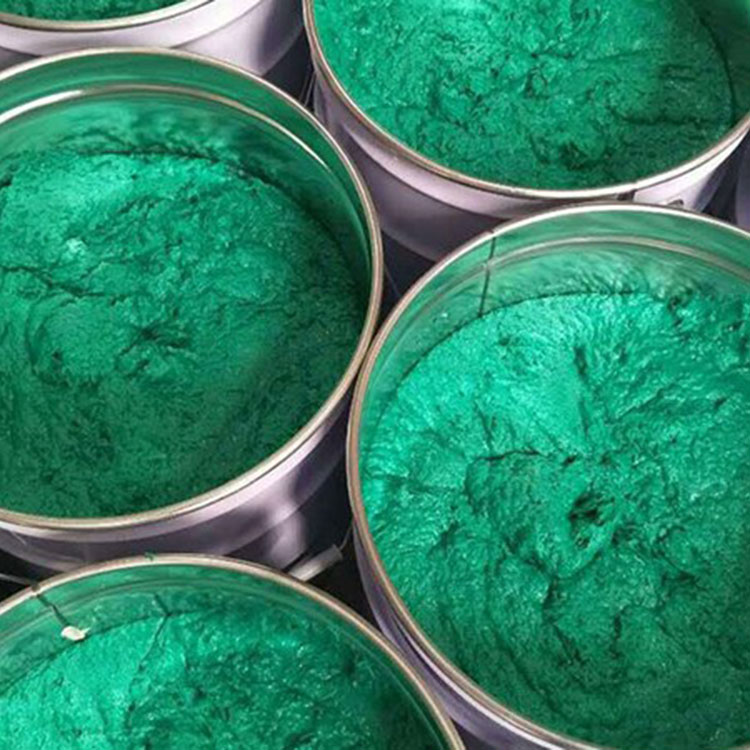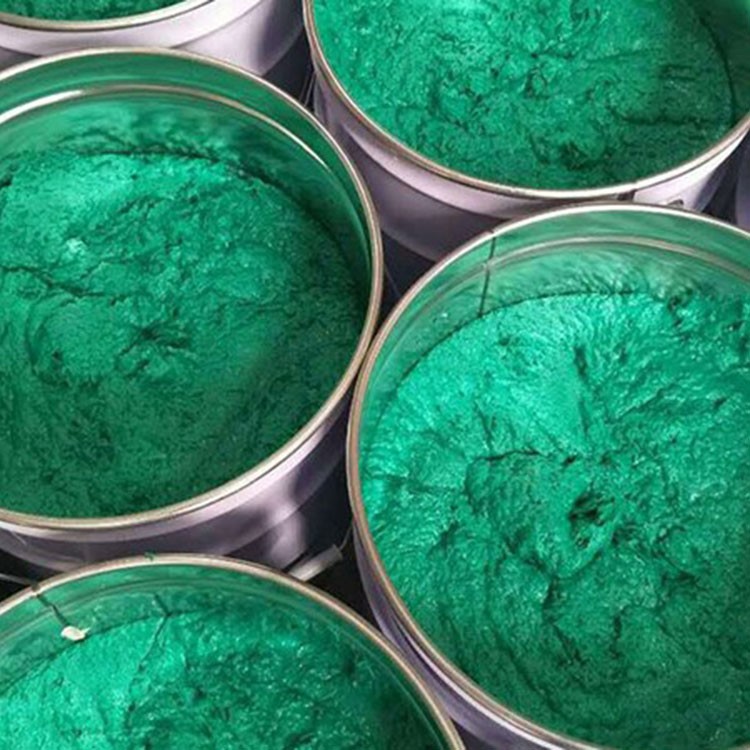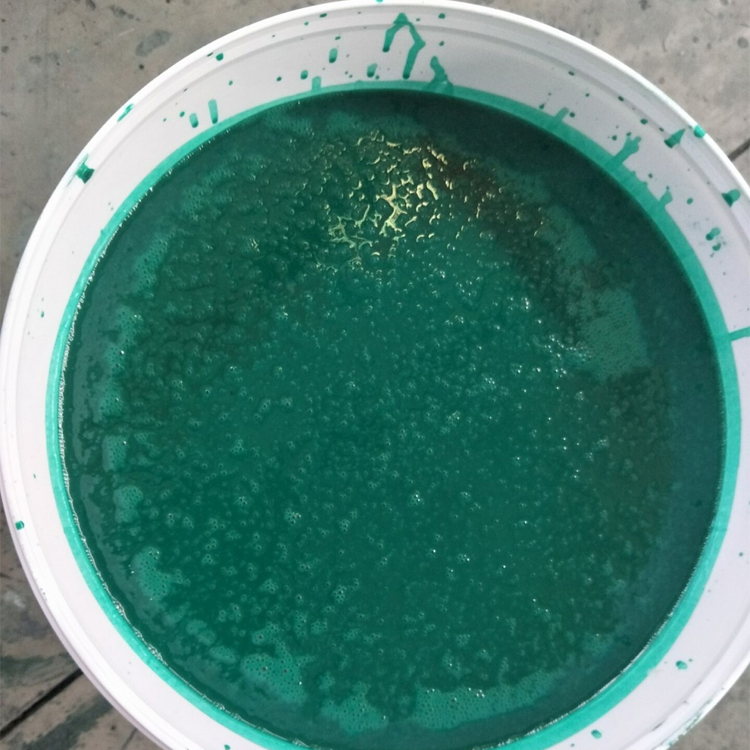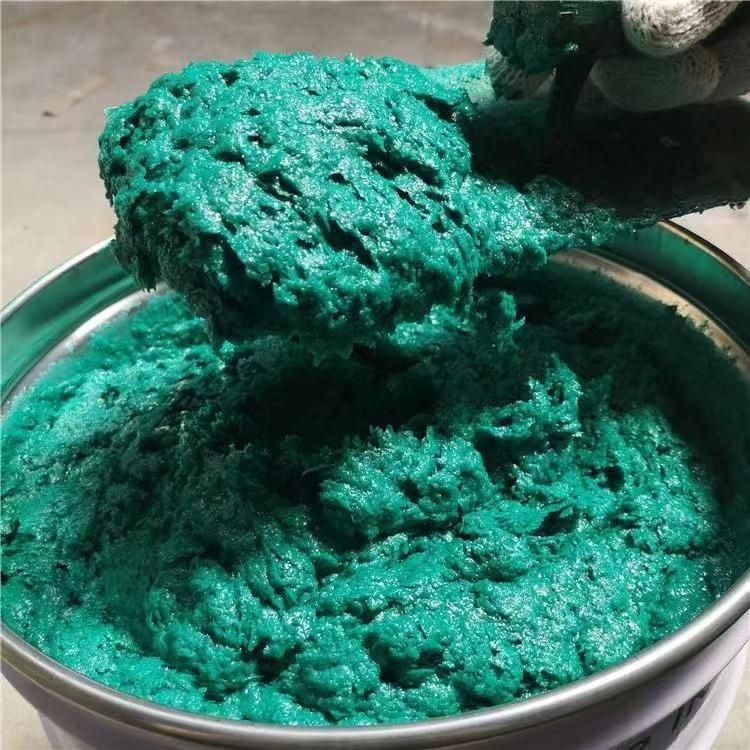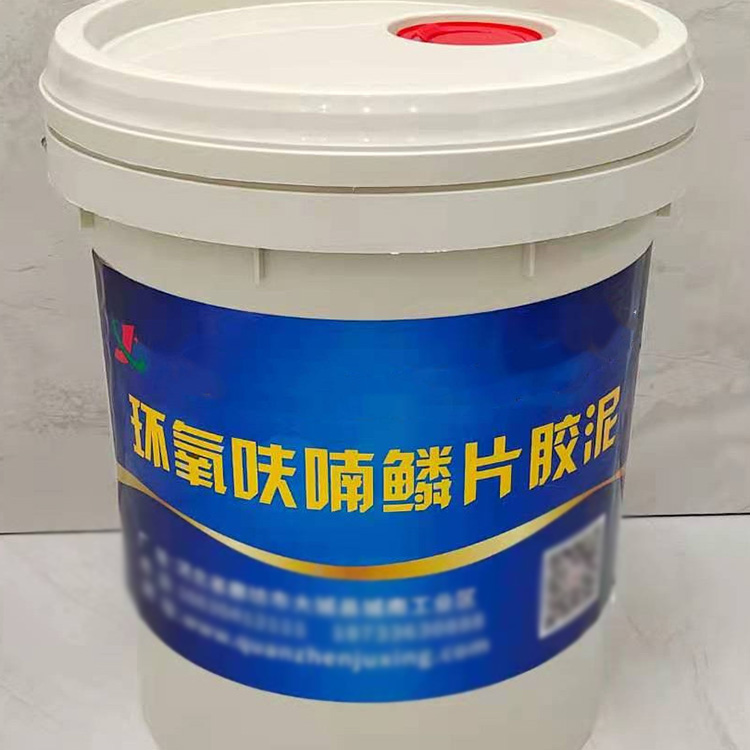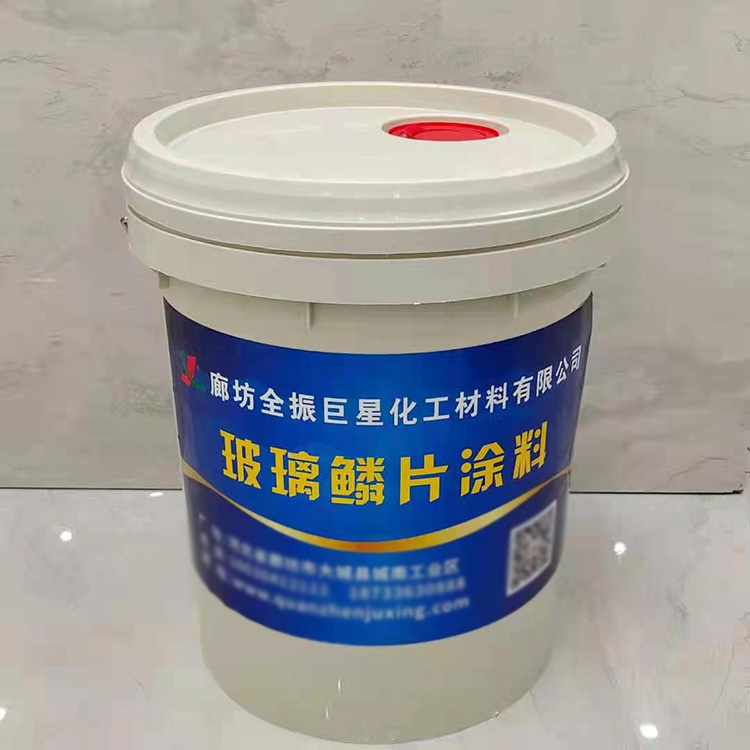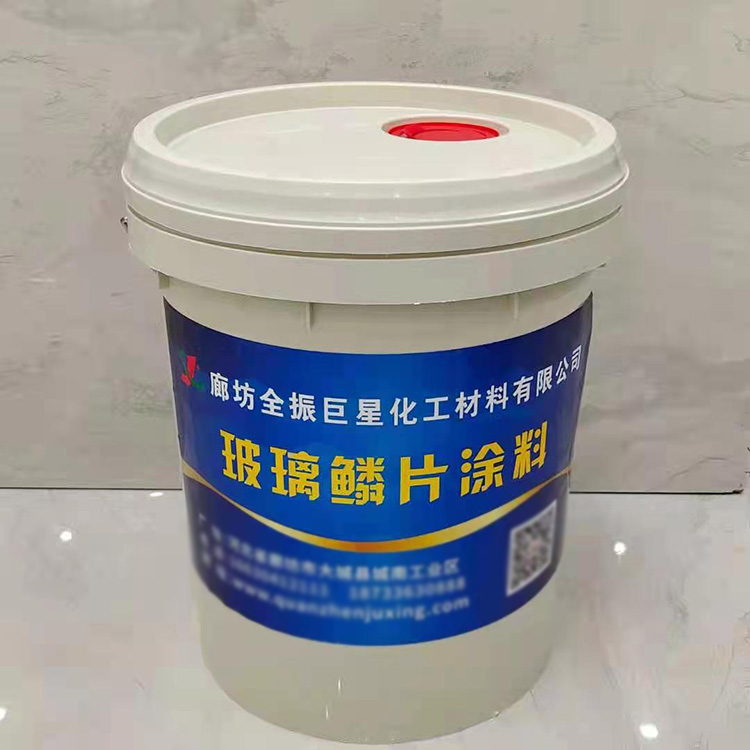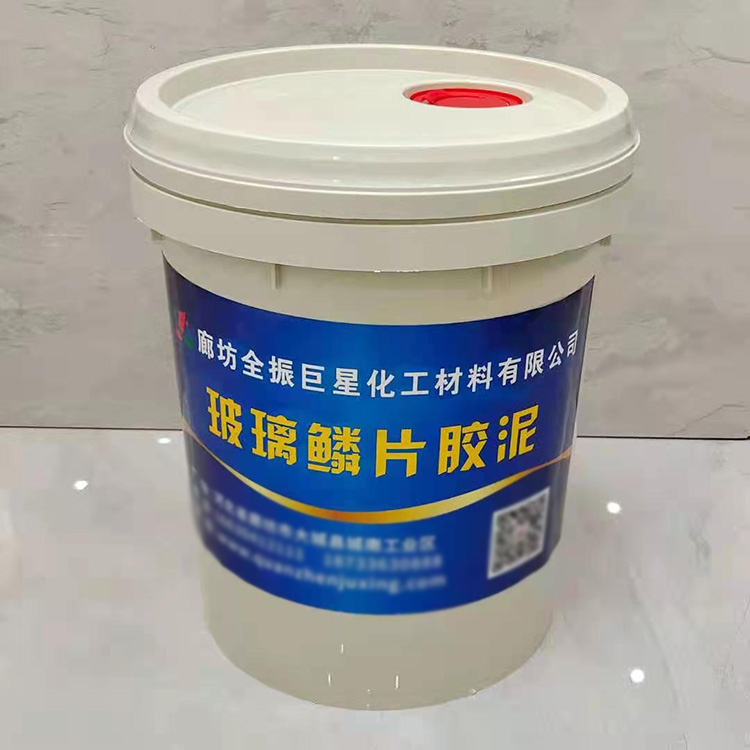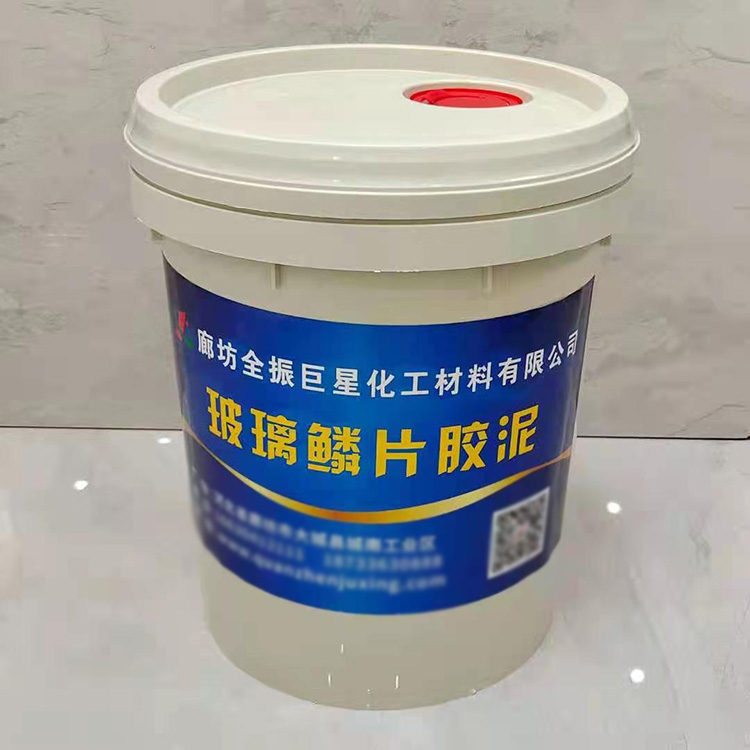

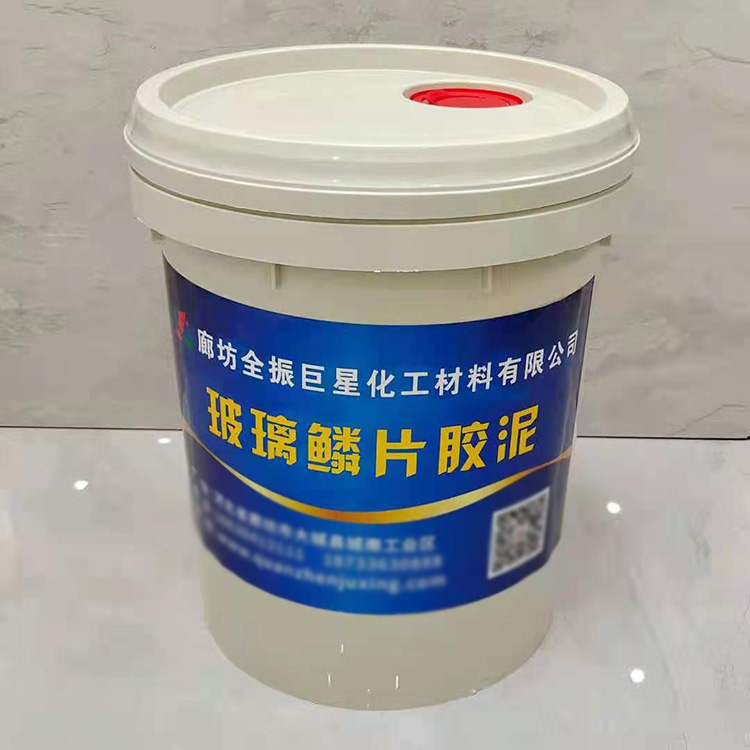
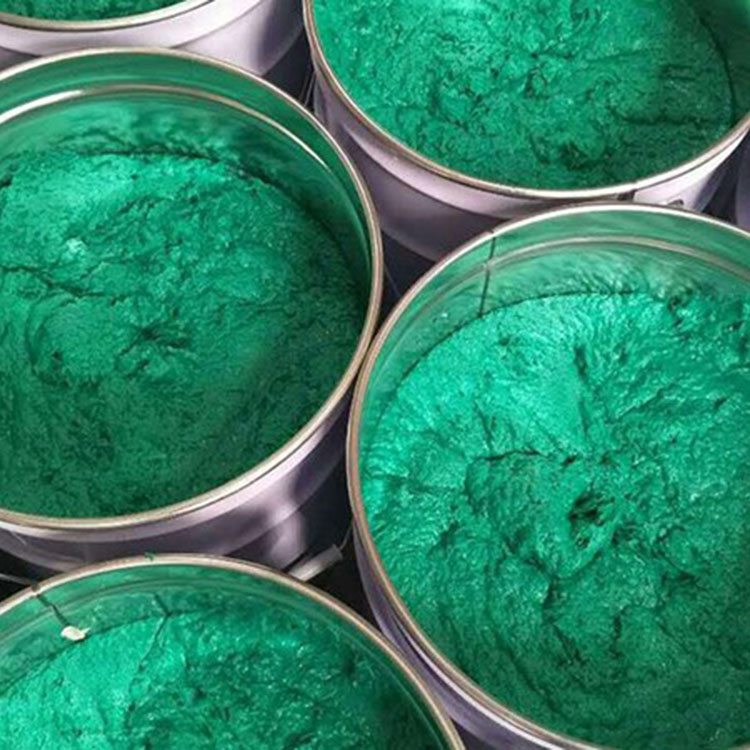
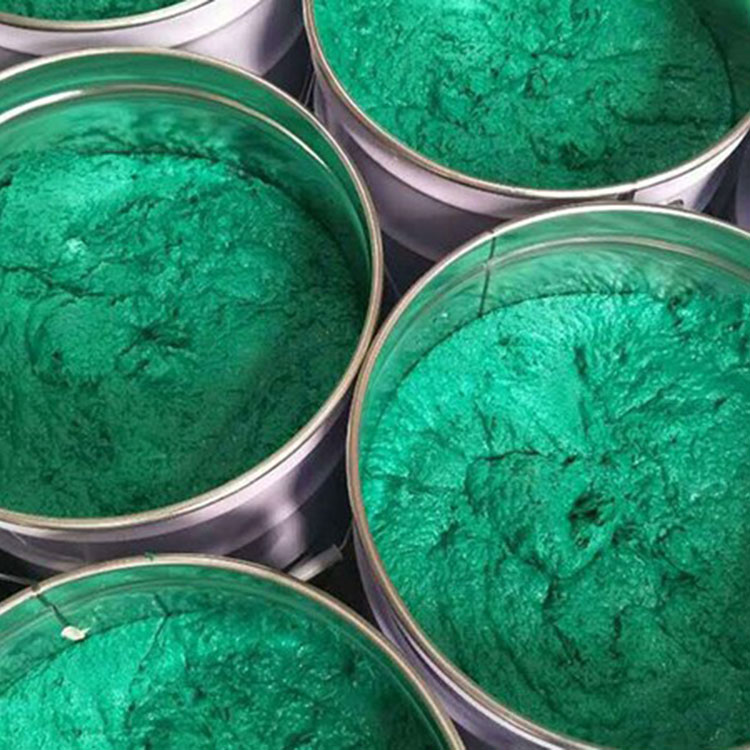


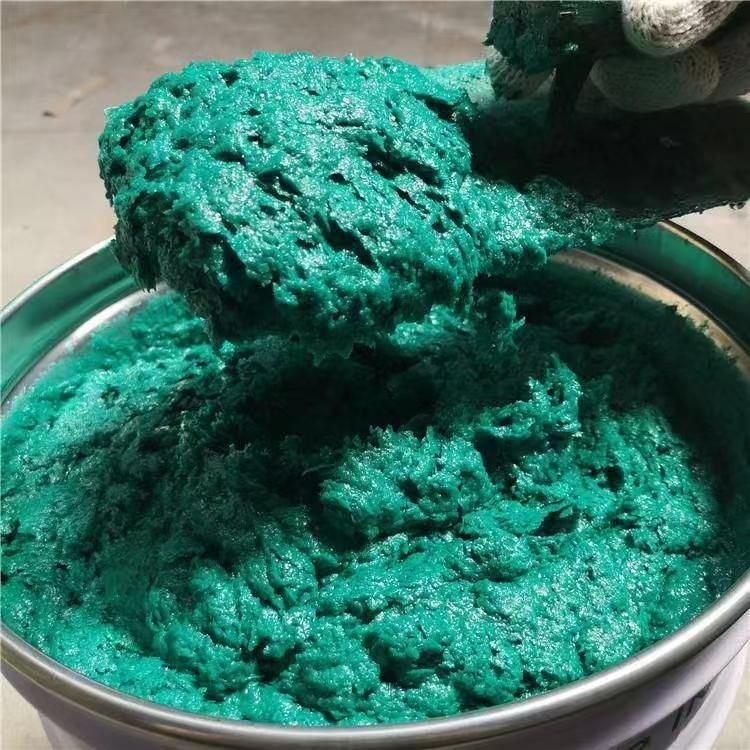
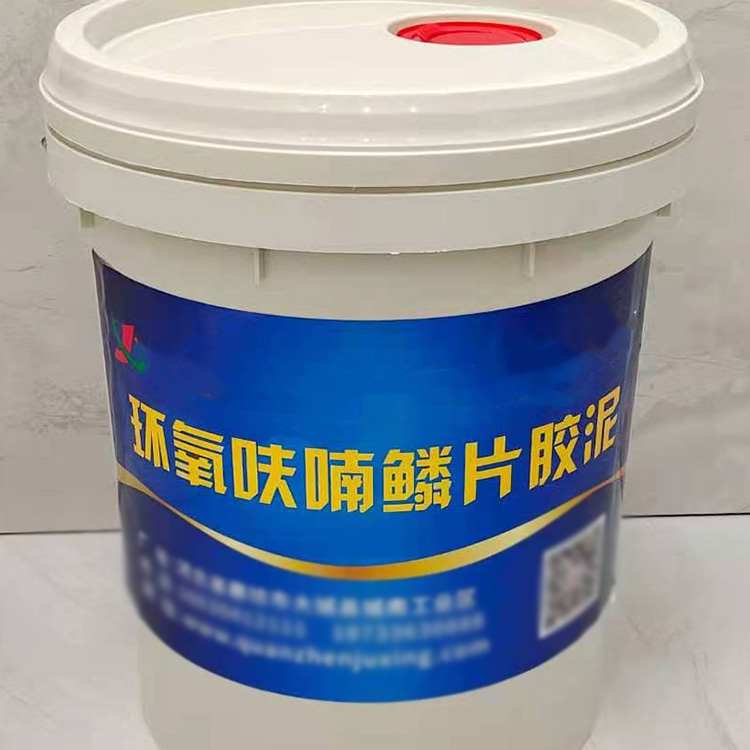
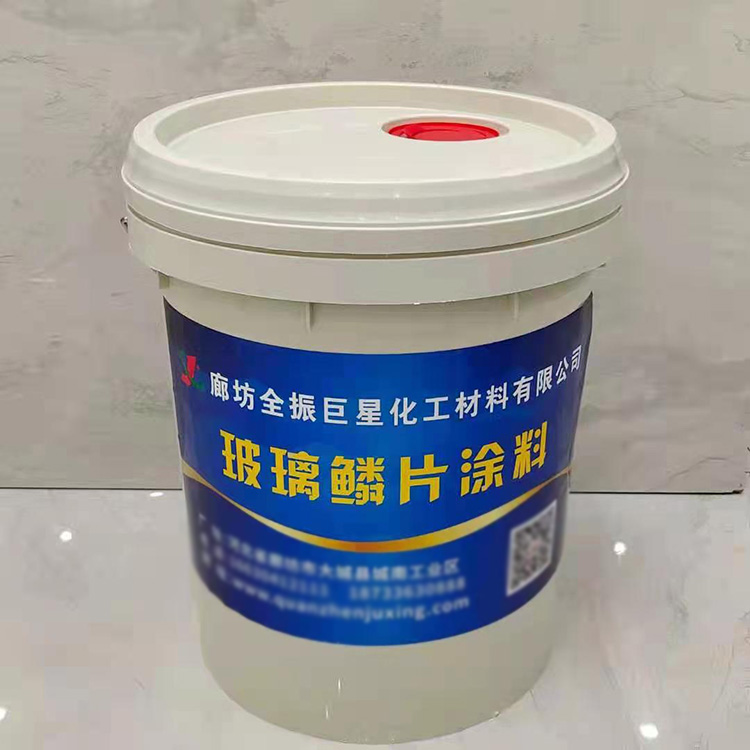







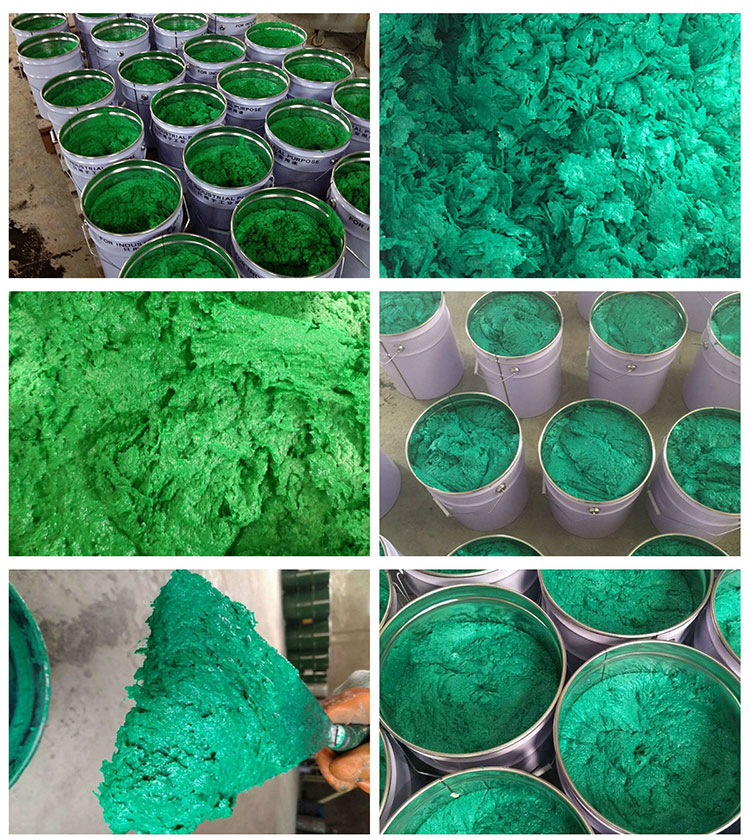
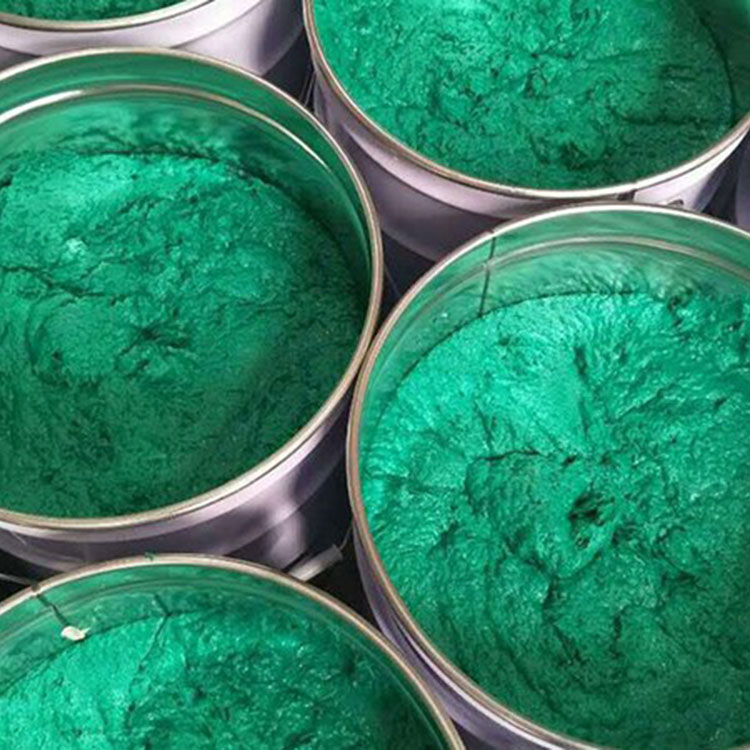
Glass Flake Mortar (Medium Temperature)
Epoxy Acrylate Vinyl Ester Resin
Characteristics: Excellent chemical resistance, solvent resistance, and permeation resistance
Main applications: lining for flue gas desulfurization units, various chemical equipment, etc.
Liquid at Use Temperature: ≤120℃; Gas at Use Temperature: ≤130℃; Physical Properties: White, semi-transparent, pale green, pale blue.
Achieve a coating thickness of 2mm with two to three coats.
Coating Methods: Scrapper and Trowel Application
Specific Gravity: 1.4-1.8
Coating Application Rate: Practical Value: 3.8 kg/m²
Construction Ratio (wt/%): Main Agent: Initiator: Accelerator
100:1~1.5:0.5~1
Interval: 4 hours to 30 days
Operating conditions: Ambient temperature: 5°C - 30°C
Relative Humidity: Below 85%
Packaging Agent: Iron Drum (20L)
Initiator and accelerator: Plastic containers (5L or 10L)
Storage Method Store in a cool, dry place, avoid direct sunlight
Shelf life is three months at 20°C, six months at 15°C.
Glass Flake Mortar (High Temperature)
Phenolic Epoxy Vinyl Ester Resin
Excellent chemical resistance, solvent resistance, and permeation resistance.
Main applications include lining for flue gas desulfurization units, various chemical equipment, etc.
Liquid: ≤100℃; Gas: ≤200℃
Coating thickness: 2mm, finished in two to three coats
Coating Methods: Trowel and spatula application
Property Color: White, semi-transparent/light green, light blue.
Specific Gravity: 1.4-1.8
Coating Application: Practical Value: 3.5 kg/m²
Construction Ratio (wt/%): Main Agent : Initiator : Promoter
100:1~1.5:0.5~1
4 hours to 30 days interval
Operating conditions: ambient temperature: 5℃-30℃
Relative Humidity: Below 85%
Packaging Agent: Iron Drum (20L)
Initiator and Accelerator: Plastic Containers (5L or 10L)
Storage Method: Store in a cool and dry place, avoid direct sunlight.
Shelf life is three months at 20°C, six months at 15°C.
Product Description
1. Glass flake mortar features an anti-permeation barrier with low permeability to corrosive gases.
2. Excellent resistance to water, acids, alkalis, certain solvents, and other special chemical media.
3. Glass flake mortar has minimal shrinkage upon curing, strong adhesion to various substrates, and is easy for local repairs.
4. High-tensile glass flake mastic with excellent mechanical properties, suitable for sudden temperature changes.
5. The glass flake mortar is crosslinked and cured, with high surface hardness and excellent wear and corrosion resistance.
6. Glass flake mortar long-term service temperature: Wet state 100/180°C, dry state 120/200°C.
7. Compared to glass fiber reinforced plastics, the outstanding advantage of glass flake mortar is its excellent anti-seepage performance, with an anti-seepage rate approximately equal to that of glass fiber reinforced plastics.