











Product Description: How to Translate
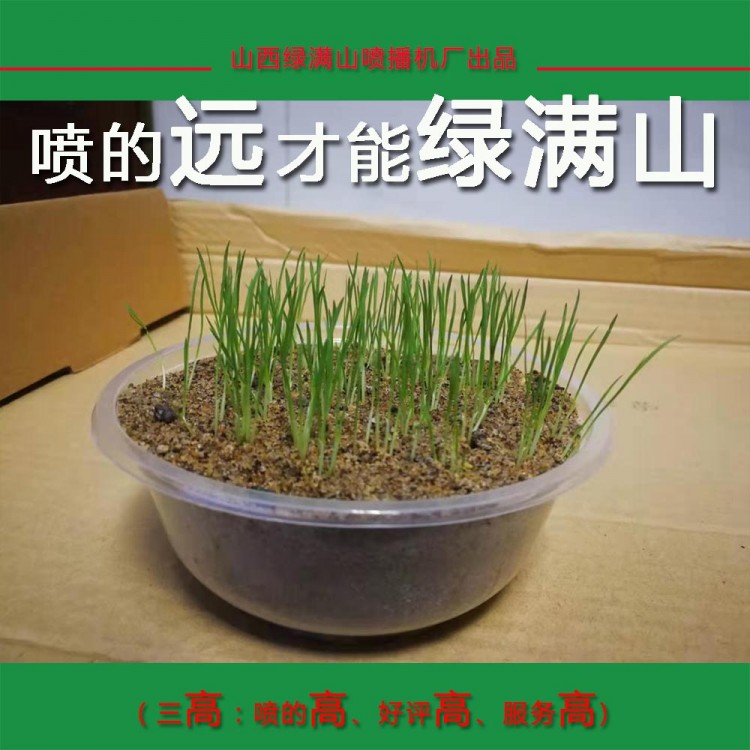
Generally speaking, the basic principle for selecting grass species and varieties for soil and water conservation is the principle of ecological adaptability, which means selecting suitable grass species, varieties, and their mixing ratios for local planting based on the zonal climate, soil characteristics, and specific local microclimates, soil types, topography, landforms, and hydrology of the location.
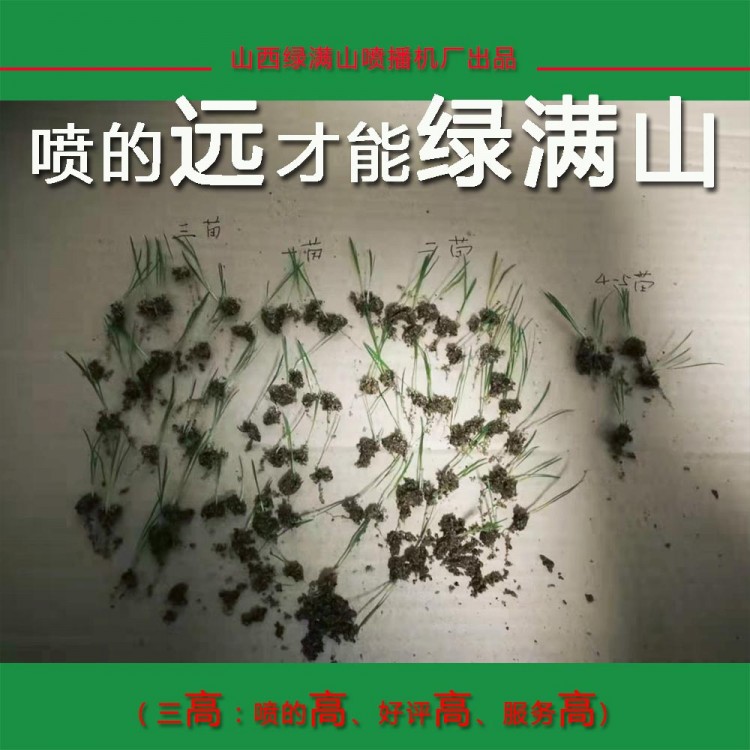
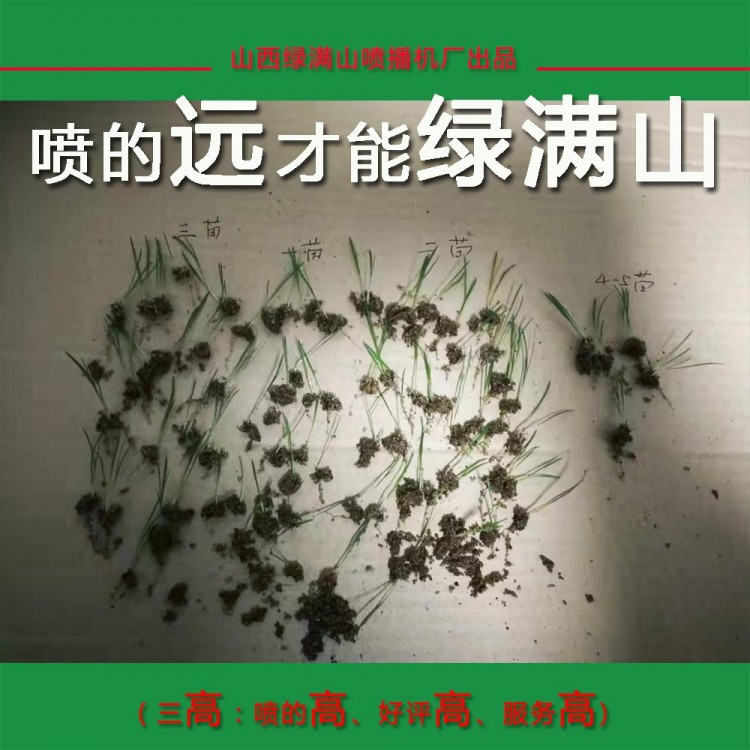
Grass species used for soil and water conservation should be mixed, which not only increases species diversity and compensates for the shortcomings of a single grass species, but also maintains the stability of vegetation communities in the long term. For example, in a mixed grass species consisting of perennial ryegrass, tall fescue, dogtooth root, and white clover, ryegrass can cover the ground in a relatively short period of time, effectively inhibiting weed growth and preventing soil erosion, providing good environmental conditions for the successful establishment of other grass species. After one or two years, the ryegrass gradually deteriorates, while tall fescue, dogtooth root, and white clover can continue to grow under the protection of ryegrass.
At the same time, due to the high height of leguminous plants, photosynthesis is not affected by grasses and can coexist. In addition, white clover has nitrogen fixation function, which can provide a certain amount of nitrogen fertilizer for tall fescue and dogtooth root, thus achieving a virtuous cycle for the entire community. Due to the fact that the areas that require soil and water conservation engineering are mostly slopes or sloping farmland with poor soil conditions, spraying and covering with non-woven fabric are often used during planting.
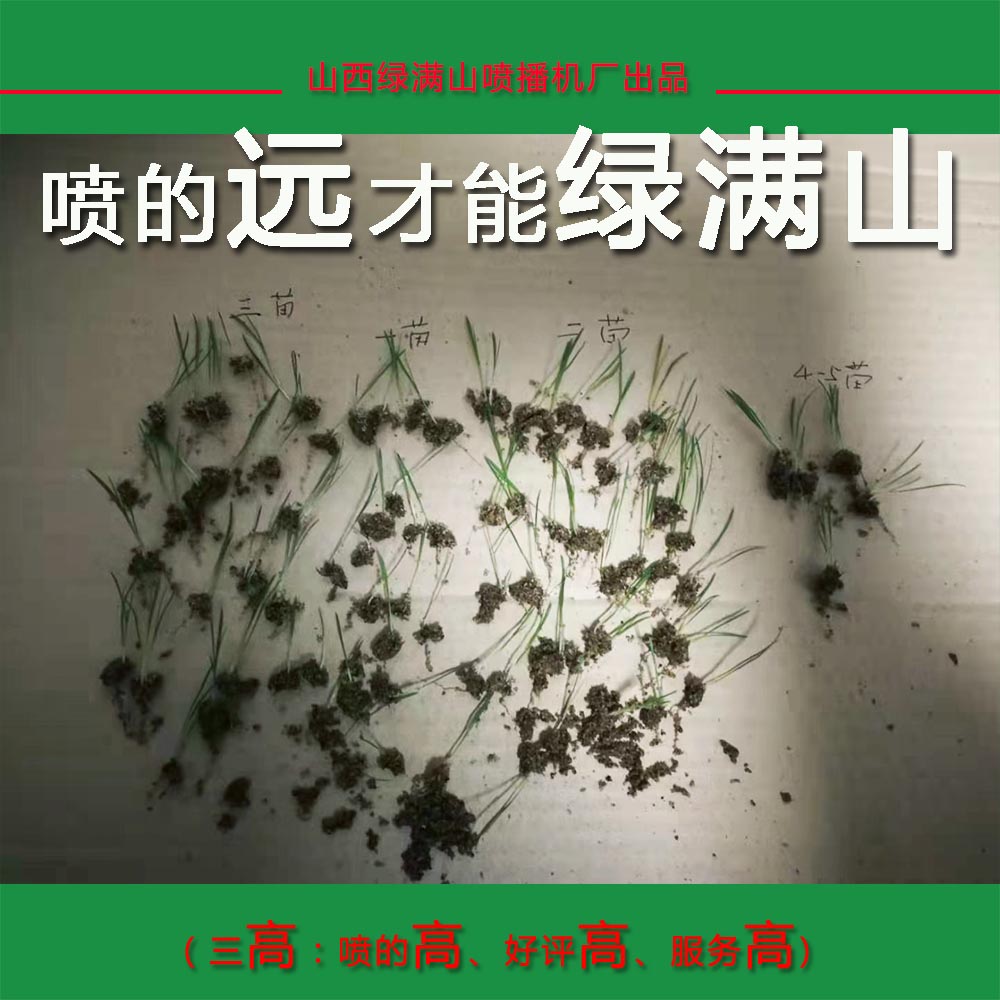
It can be widely used for slope protection, greening spraying, sandy soil, tree planting, and prevention of soil erosion in various types of slopes such as highways, railways, mining wastelands, and quarries.