
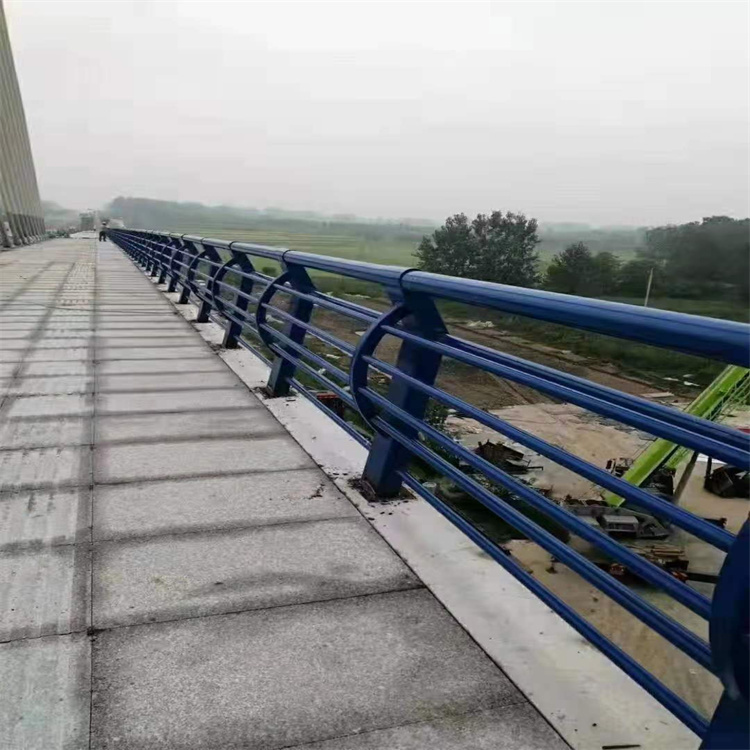
 Stainless Steel Composite Pipe Fence
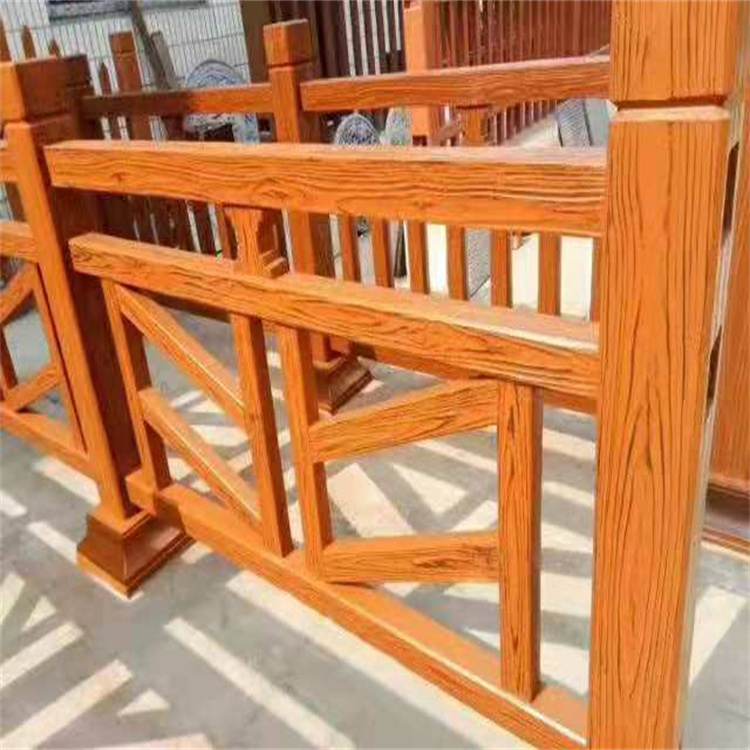 Faux-Wood Anti-Collision Guardrail
 Aluminum alloy railing
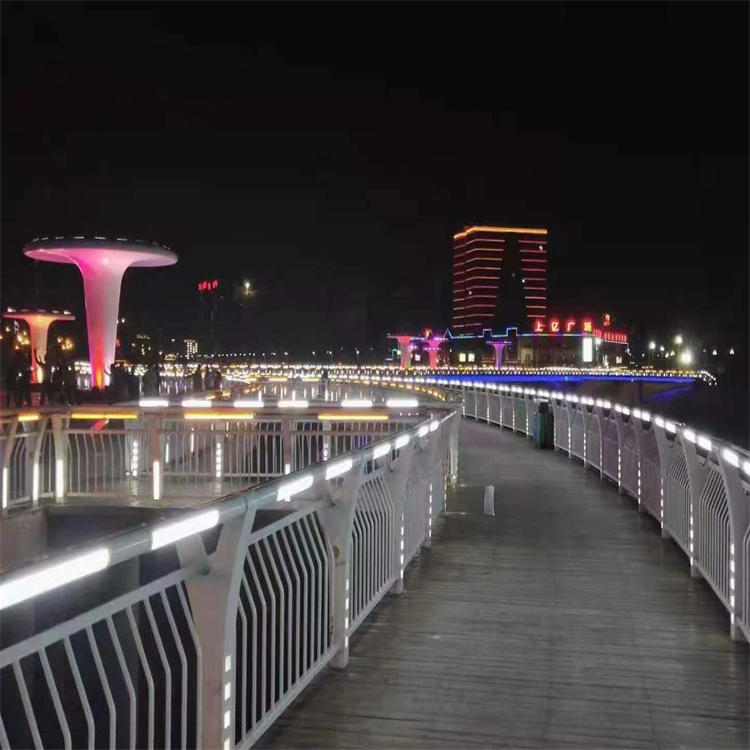 Lighting collision guardrails
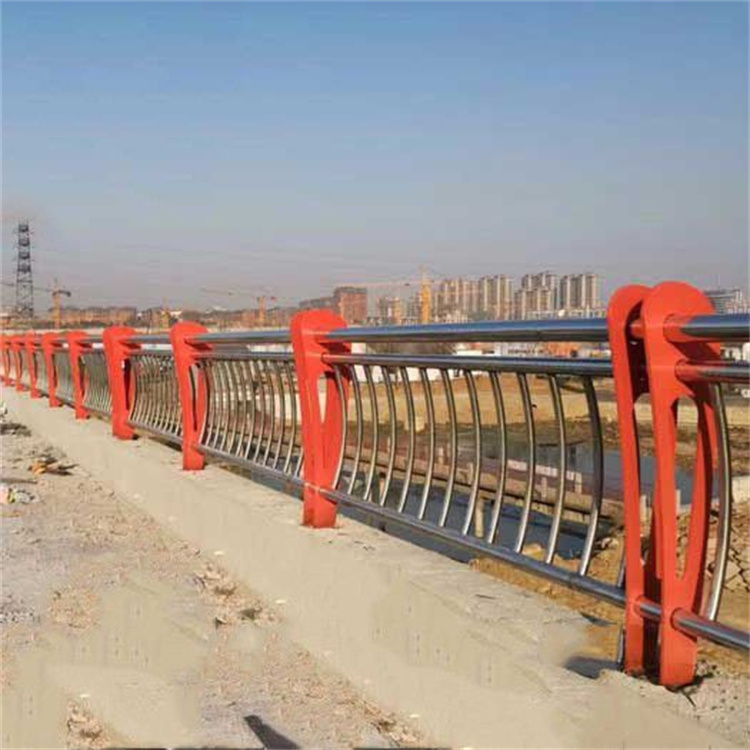 Riverway collision guardrails
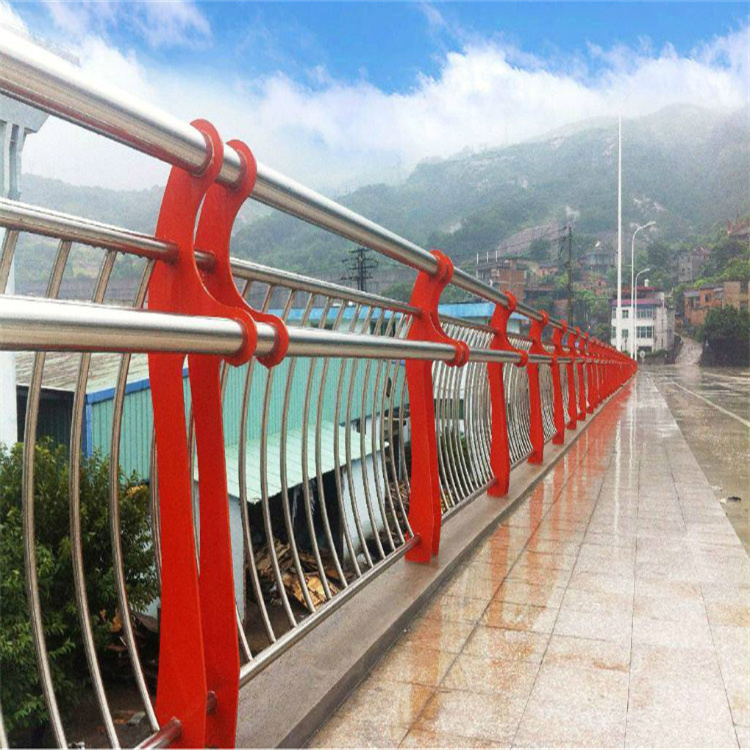 Landscape Anti-Collision Guardrail
 Light Barrier 1
Product Details

Specialized in manufacturing bridge guardrails, landscape guardrails, river e...

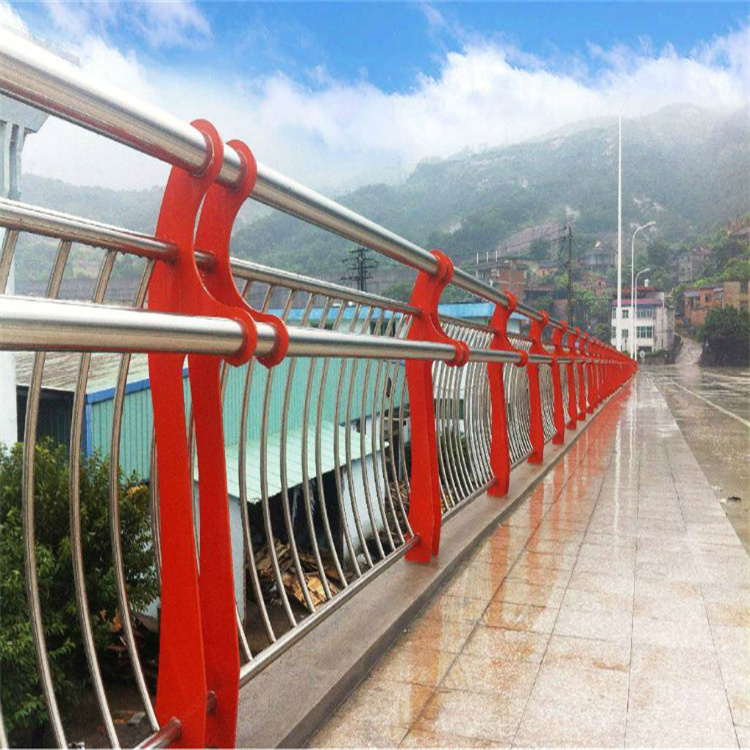


产品Price 288.00/Rice
最小起订Quantity:1 Rice 供货总Quantity: 100000 Rice


Landscape collision guardrails |
|
Landscape Anti-Collision Barrier Manufacturer |
20M |
Landscape collision guardrails in stock |
30M |
Customized Landscape Anti-Collision Guardrails |
50M |
Landscape Anti-Collision Barrier Supplier |
60M |
Landscape Anti-Collision Barrier Manufacturer |
100M |
What are the risk assessments for collision guardrails? 1. Investigate the specific structural form of collision barriers (reinforced concrete + steel pipe, reinforced concrete retaining walls, corrugated guardrails, etc.), the construction year, the specifications at the time of construction, and the reinforcement conditions. 2. On-Site Inspection: Conduct a thorough on-site inspection of all collision barriers to identify existing defects. This includes checking the dimensions, strength, and protective layer thickness of the collision barriers. 3. For collision barriers of the same batch with identical structural forms, select representative samples to verify collision force and calculate safety. 4. Based on the design year, design specifications, and usage function of the bridge, review the anti-collision guardrails in accordance with the requirements of the "Urban Road Traffic Facilities Design Code" (GB50688-2011), to determine if they meet the specified anti-collision grade. If they do not meet the requirements, propose reinforcement design suggestions. If reinforcement is not feasible, provide handling recommendations. 5. For guardrails deemed non-compliant with the aforementioned standards after structural inspection, propose corresponding reinforcement design suggestions. If reinforcement is not feasible, clearly define the respective control measures. 6. A safety evaluation report for extra-large collision guardrails must be approved by the original design units of all major bridges and reviewed by experts.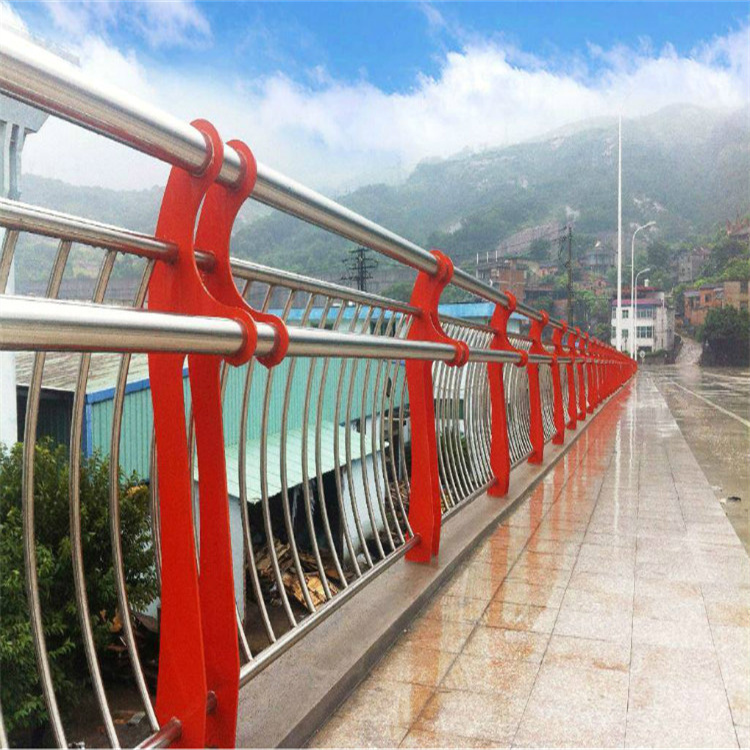

Phone Consultation