
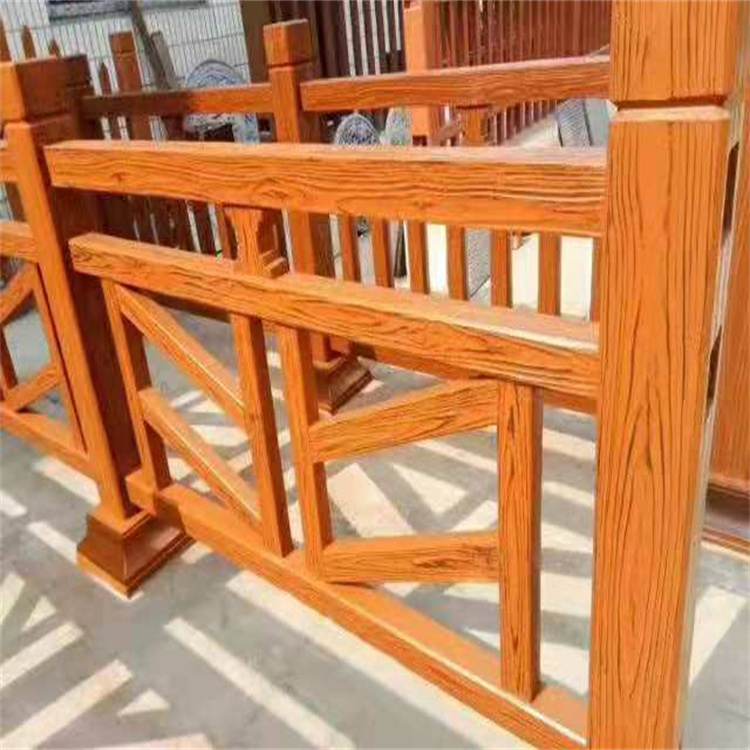
 Faux-Wood Anti-Collision Guardrail
 Aluminum alloy railing
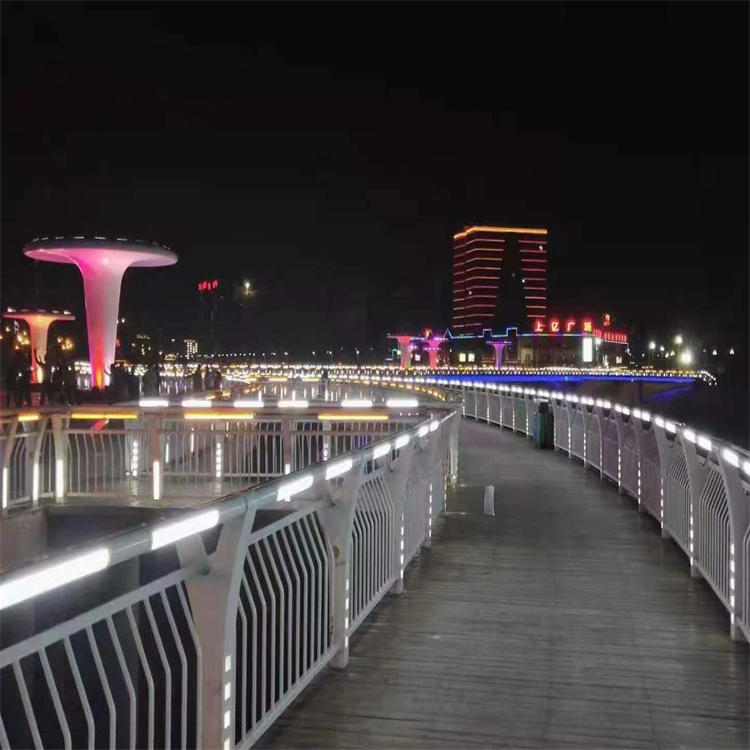 Lighting collision guardrails
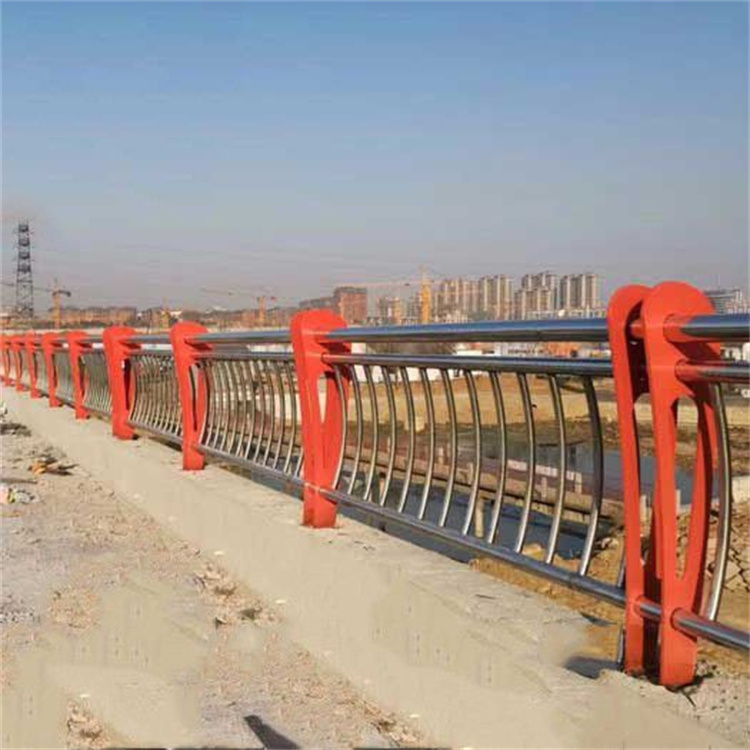 Riverway collision guardrails
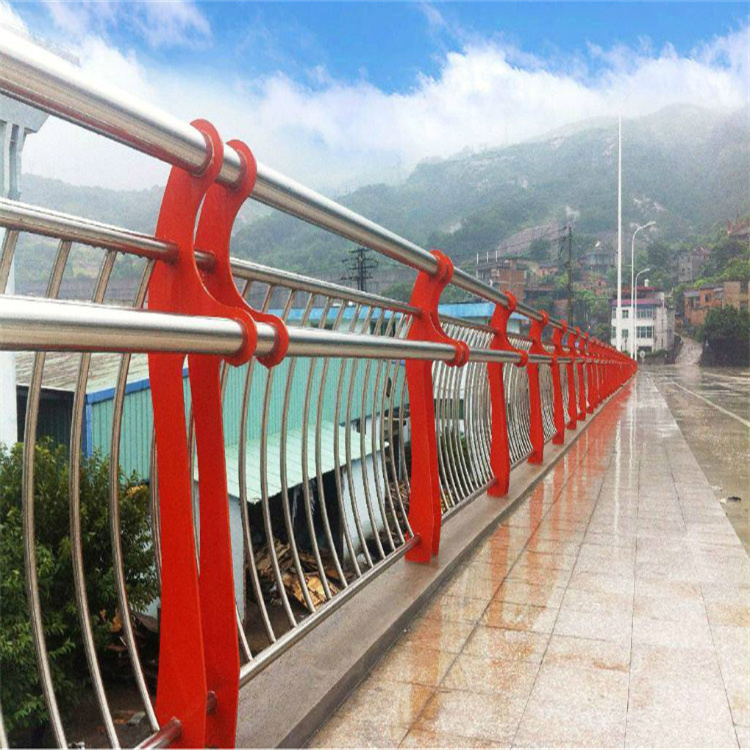 Landscape Anti-Collision Guardrail
 Light Barrier 1
Product Details

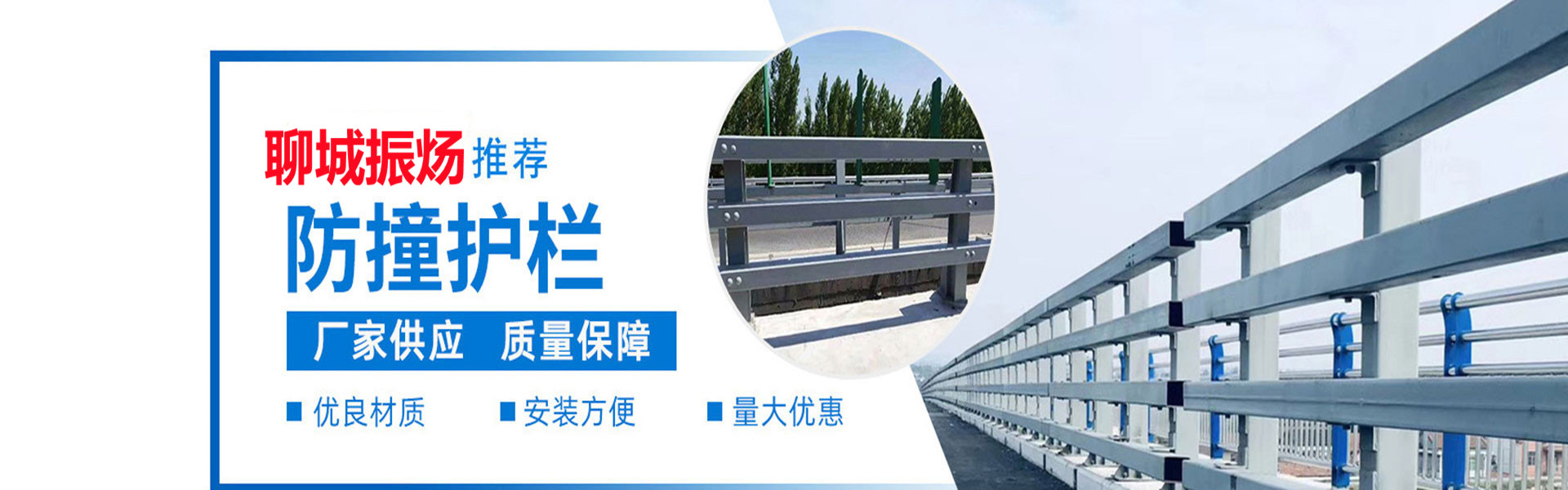
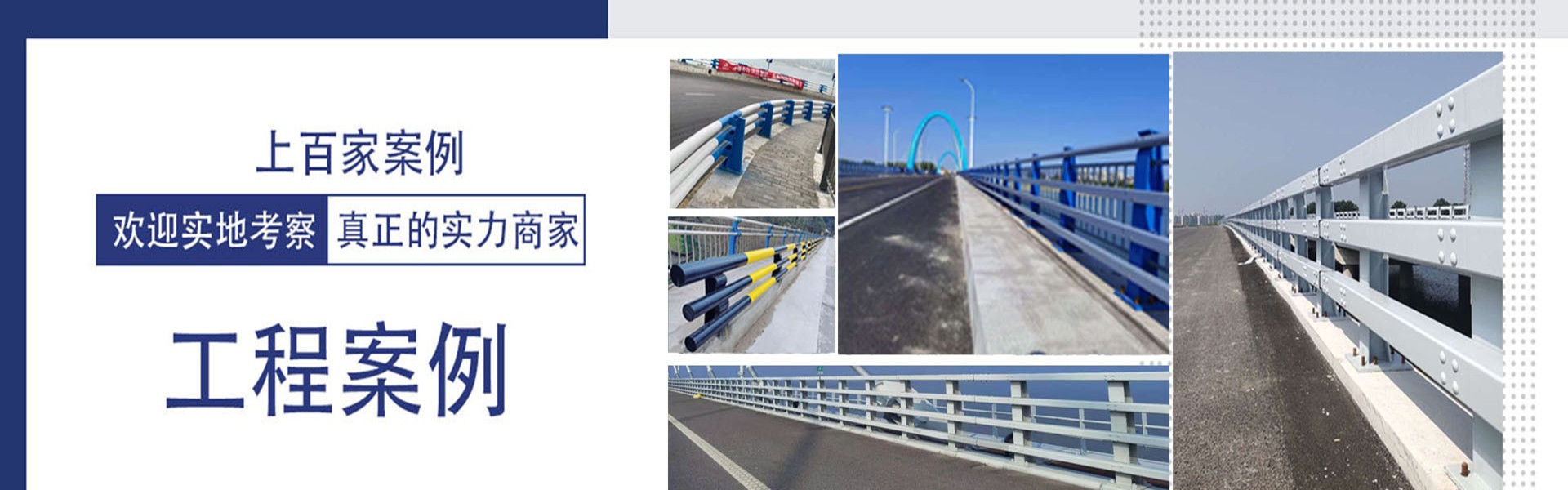
Specialized in manufacturing bridge guardrails, landscape guardrails, river e...

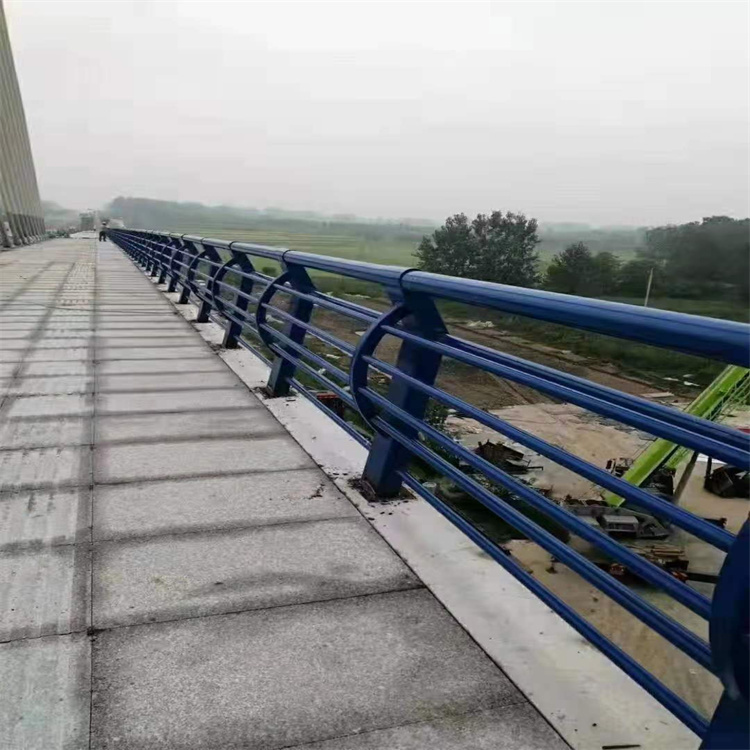


产品Price 168.00/Rice
最小起订Quantity:1 Rice 供货总Quantity: 100000 Rice


Jinan Stainless Steel Composite Pipe Guardrail |
|
Zibo Stainless Steel Composite Pipe Fence |
200 meters |
R日照 Stainless Steel Composite Pipe Guardrail |
100 meters |
Dongying Stainless Steel Composite Pipe Fencing Manufacturer |
300 meters |
Jining Stainless Steel Composite Pipe Fence Manufacturer |
200 meters |
Linyi Stainless Steel Composite Pipe Fencing Manufacturer |
300m |
Stainless steel composite tube railing surfaces are polished in various ways, commonly including mechanical polishing, chemical polishing, and electrochemical polishing. The most commonly used mirror polishing equipment primarily rotates stainless steel composite tube railings or other types of metal sheets counterclockwise through adjustable-pressure disks, with the correction wheel driving the workpiece to rotate itself, applying pressure through gravity and pressure. This is complemented by a matching abrasive emulsion, where the workpiece and the abrasive disk undergo relative movement and friction to achieve polishing. Mirror polishing machines can be divided into three steps: grinding, polishing, and finishing; the matching abrasives, grinding materials, and emulsions vary according to the different stages. Various materials and thicknesses of stainless steel composite tube railings can be processed to achieve different levels of mirror effects; however, due to the macroscopic unevenness of the base material, polishing and finishing are required to achieve a "mirror" finish. The surface conditions of stainless steel composite tube railings are diverse, with materials suitable for mirror polishing including grades 201, 202, 430, 441, and other austenitic grades. Additionally, due to the contact with polishing emulsions and the abrasive emulsion circulation system, and the corrosion from various acidic and alkaline substances, both the polishing emulsion and the polishing machine must have excellent corrosion resistance. Moreover, due to the high-speed rotation of the polishing machine and the friction with metal sheets, a large amount of heat is generated; the grinding process also produces a significant amount of heat in the same area, which can alter the stress on the metal surface, affecting its physical state and ultimately the flatness of the metal. Therefore, both the polishing equipment and the polishing environment must have good heat dissipation conditions.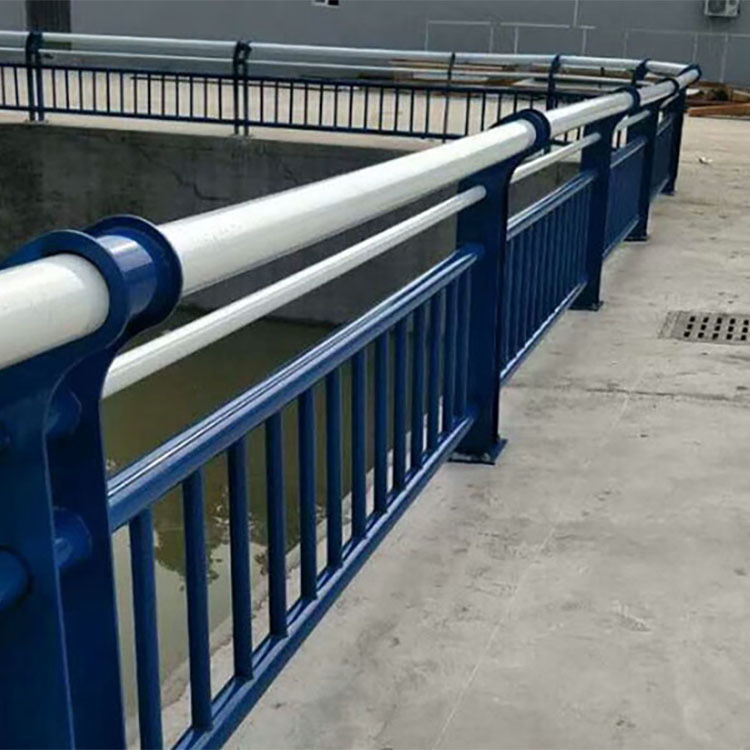

Phone Consultation