
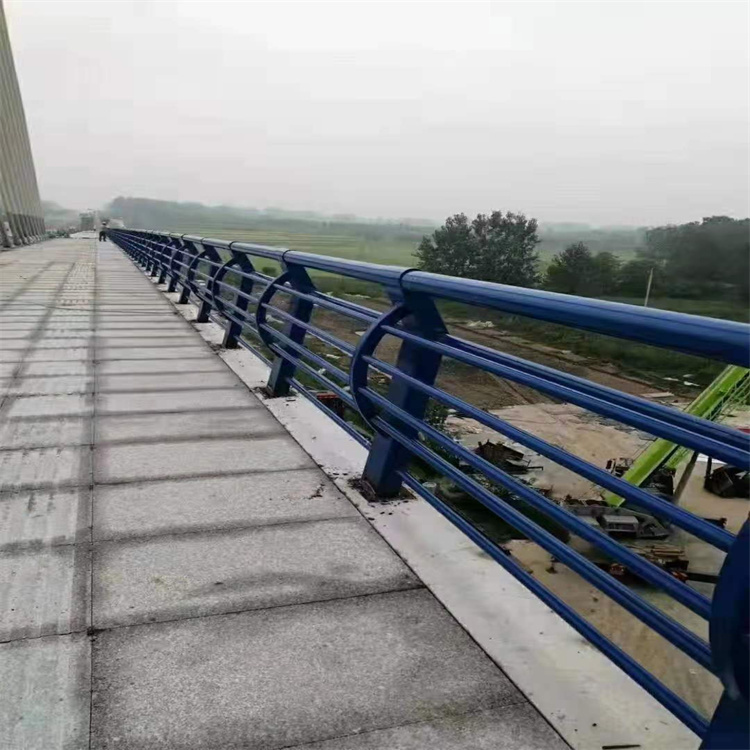
 Stainless Steel Composite Pipe Fence
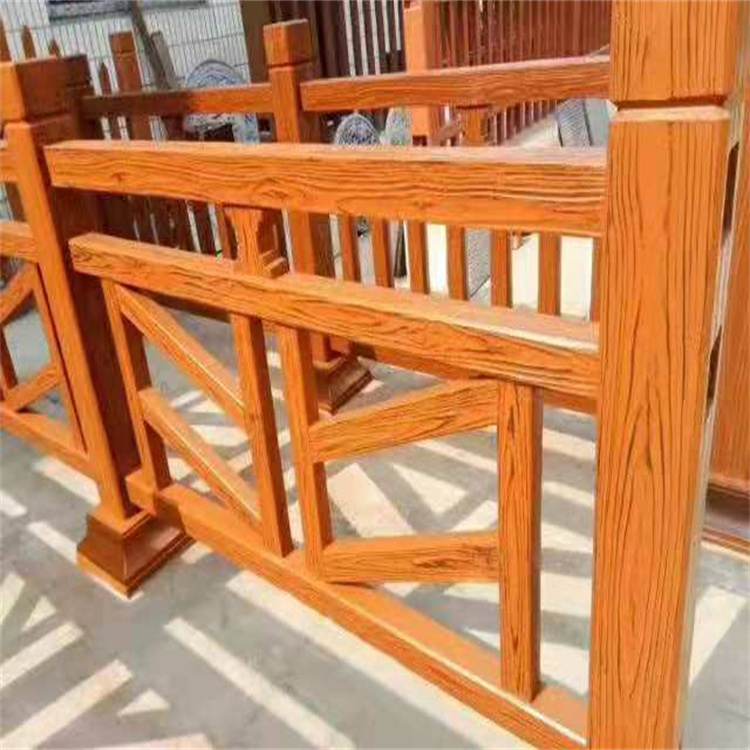 Faux-Wood Anti-Collision Guardrail
 Aluminum alloy railing
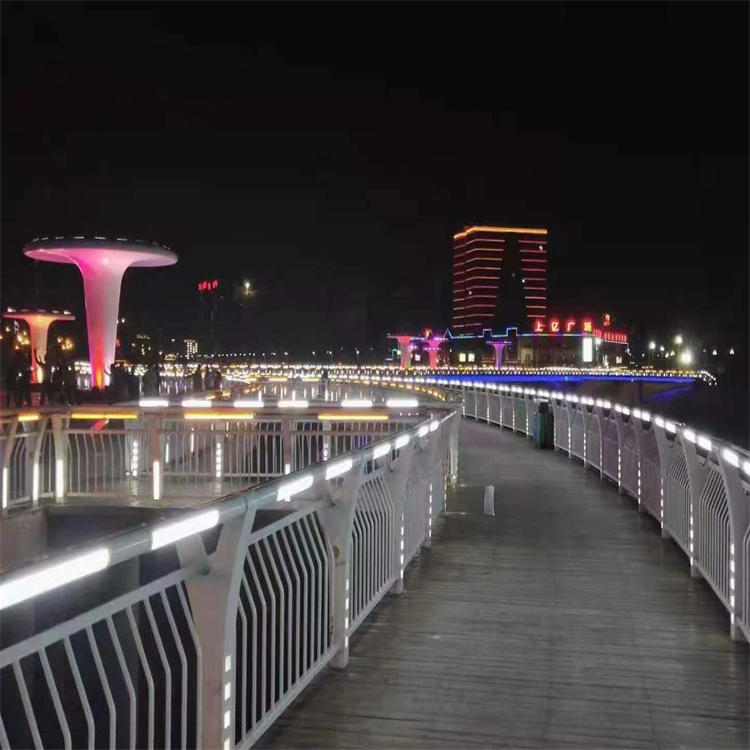 Lighting collision guardrails
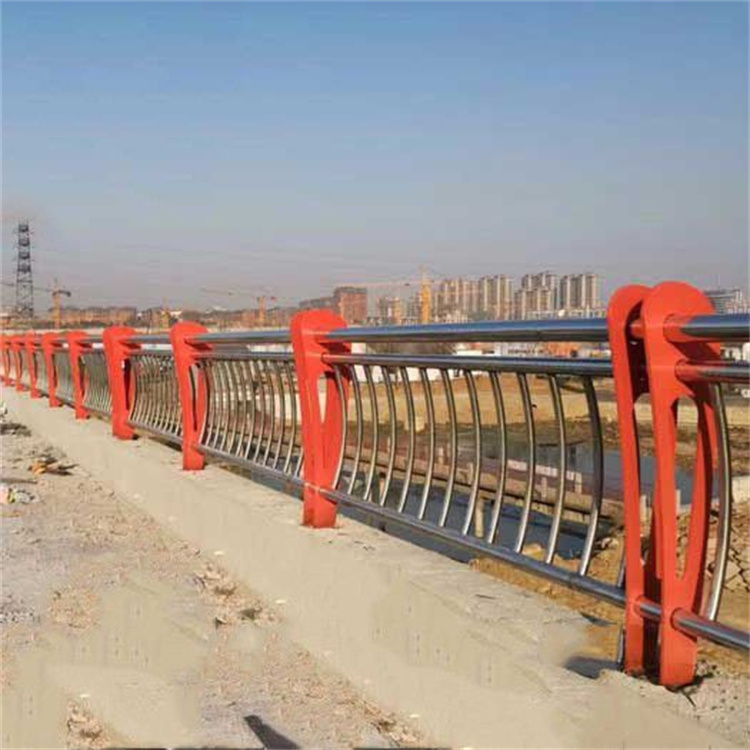 Riverway collision guardrails
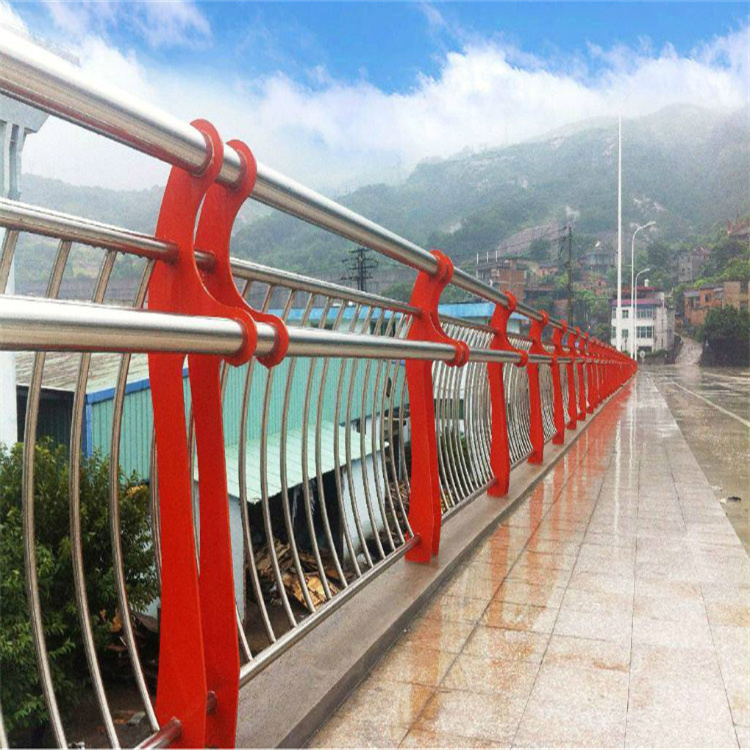 Landscape Anti-Collision Guardrail
 Light Barrier 1
Product Details

Specialized in manufacturing bridge guardrails, landscape guardrails, river e...

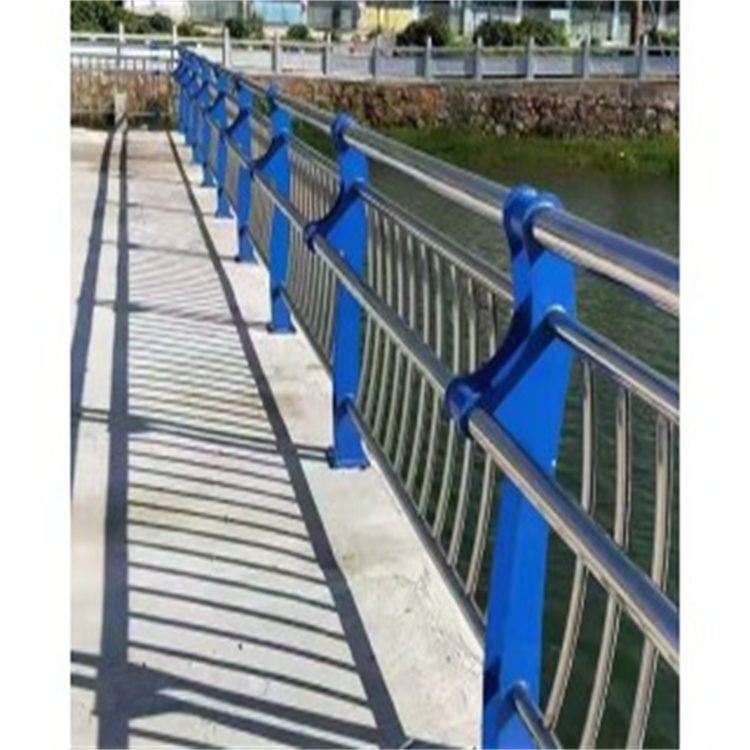
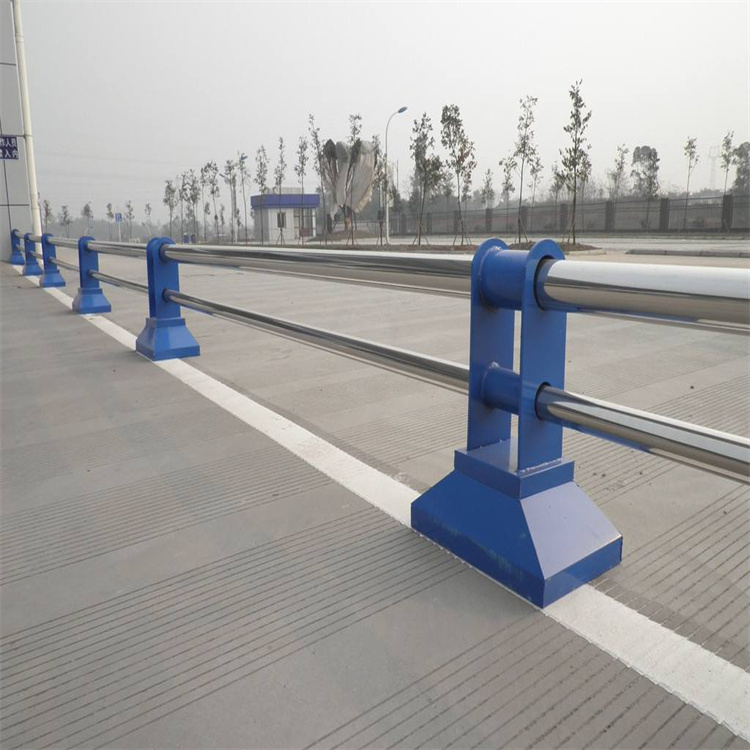
产品Price 288.00/Rice
最小起订Quantity:1 Rice 供货总Quantity: 10000 Rice


Tianjin Aluminum Alloy Guardrails |
|
Aluminum alloy railing manufacturer |
100M |
Aluminum alloy railing in stock |
200M |
Custom Aluminum Alloy Guardrail |
400M |
Aluminum Alloy Guardrail Supplier |
600M |
Aluminum alloy railing manufacturer |
800M |
The difference between aluminum alloy bridge guardrails and stainless steel carbon composite pipe guardrails primarily lies in the distinction between stainless steel and carbon steel: Stainless Steel: Stainless steel, short for rust-proof and acid-resistant steel, is composed of two main parts: stainless steel and acid-resistant steel. In short, steel that can resist atmospheric corrosion is called stainless steel, while steel that can resist chemical medium corrosion is called acid-resistant steel. Generally speaking, steel with a tungsten content (Wcr) of more than 12% exhibits the properties of stainless steel. Stainless steel can be further divided into five categories based on the microstructure after heat treatment: ferritic stainless steel, martensitic stainless steel, austenitic stainless steel, austenitic-ferritic stainless steel, and precipitation hardening stainless steel. Carbon steel, primarily, refers to the steel where the mechanical properties depend on the carbon content. Carbon steel, also known as plain carbon steel or carbon steel, refers to iron-carbon alloys with a carbon content (WC) of less than 2%. In addition to carbon, carbon steel typically contains trace amounts of silicon, manganese, sulfur, and phosphorus. Depending on their applications, carbon steel can be categorized into three types: carbon structural steel, carbon tool steel, and free-cutting structural steel.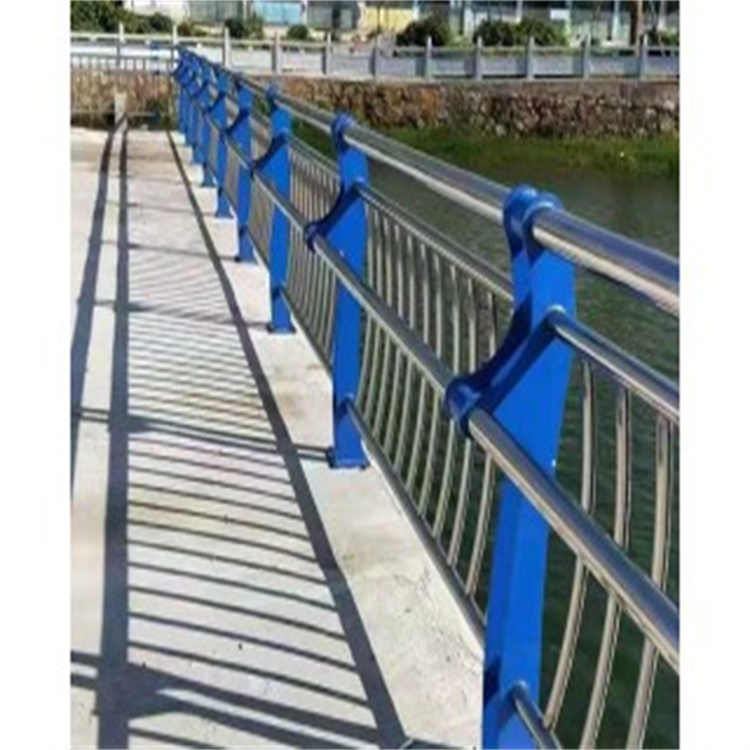

Phone Consultation