
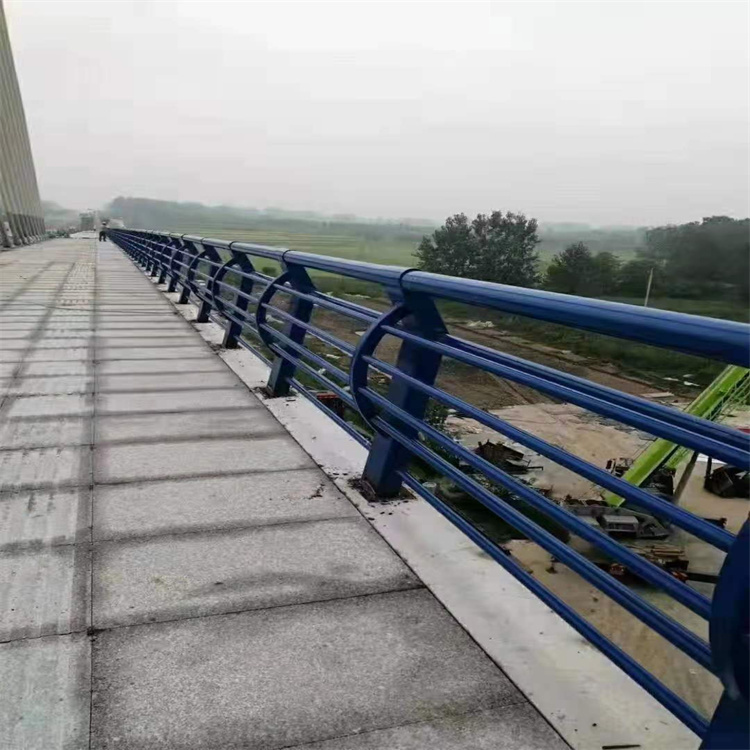
 Stainless Steel Composite Pipe Fence
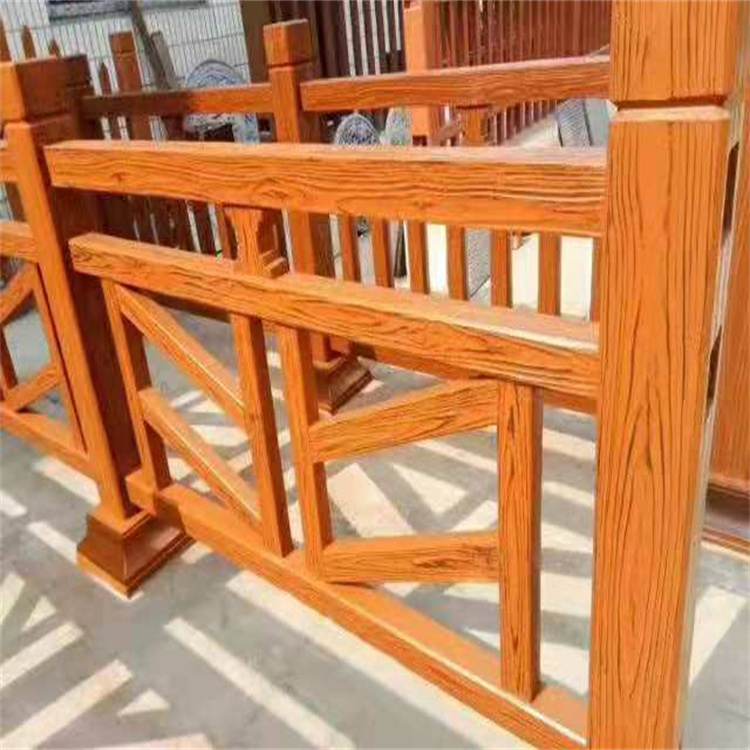 Faux-Wood Anti-Collision Guardrail
 Aluminum alloy railing
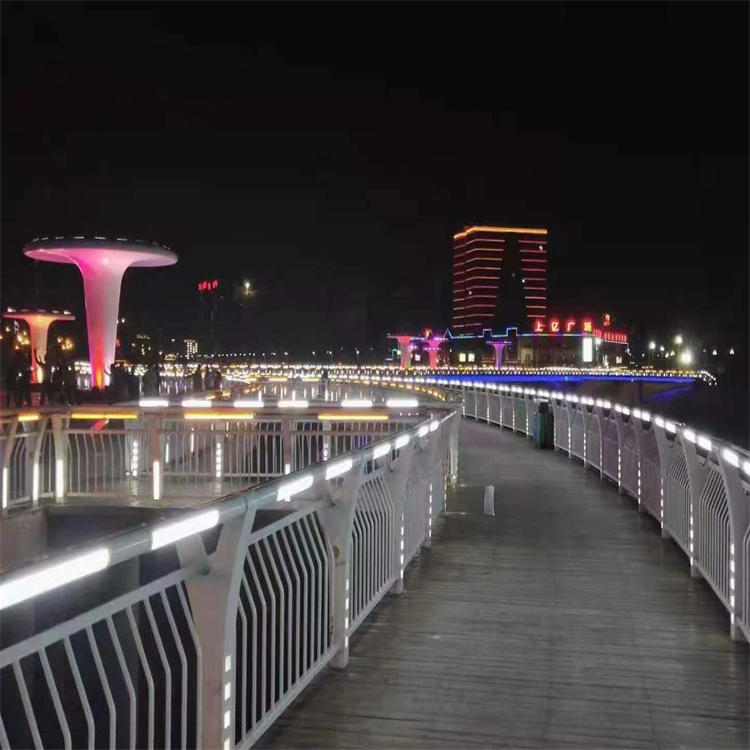 Lighting collision guardrails
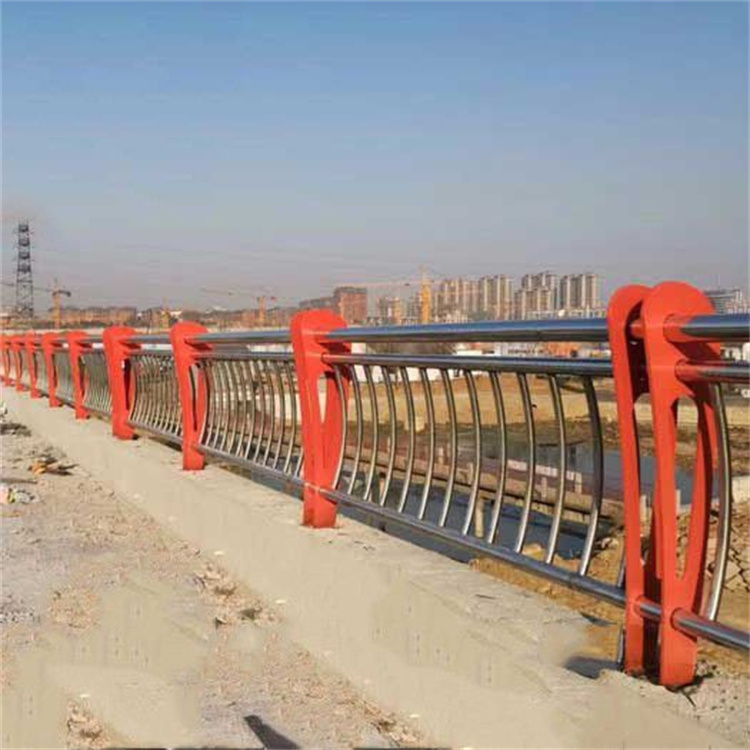 Riverway collision guardrails
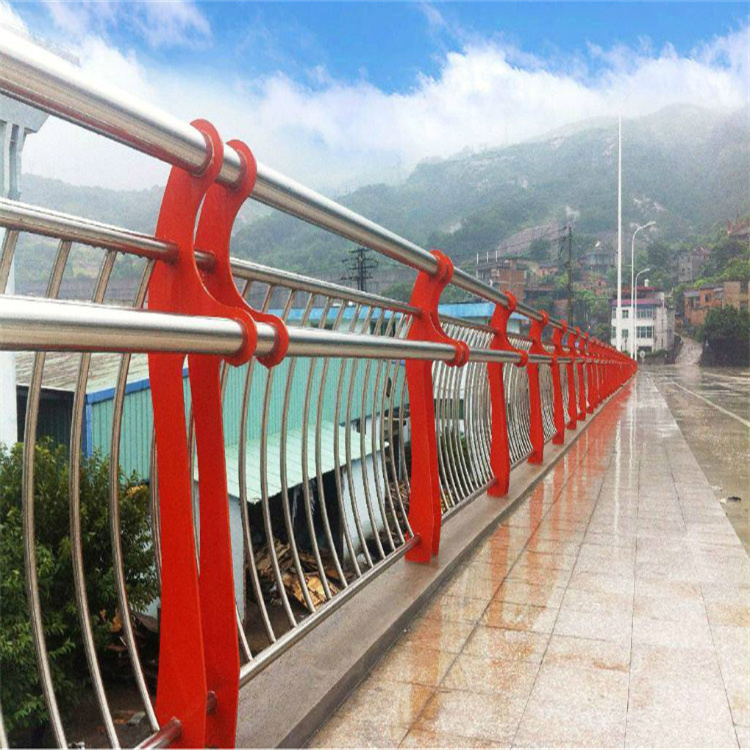 Landscape Anti-Collision Guardrail
 Light Barrier 1
Product Details

Specialized in manufacturing bridge guardrails, landscape guardrails, river e...

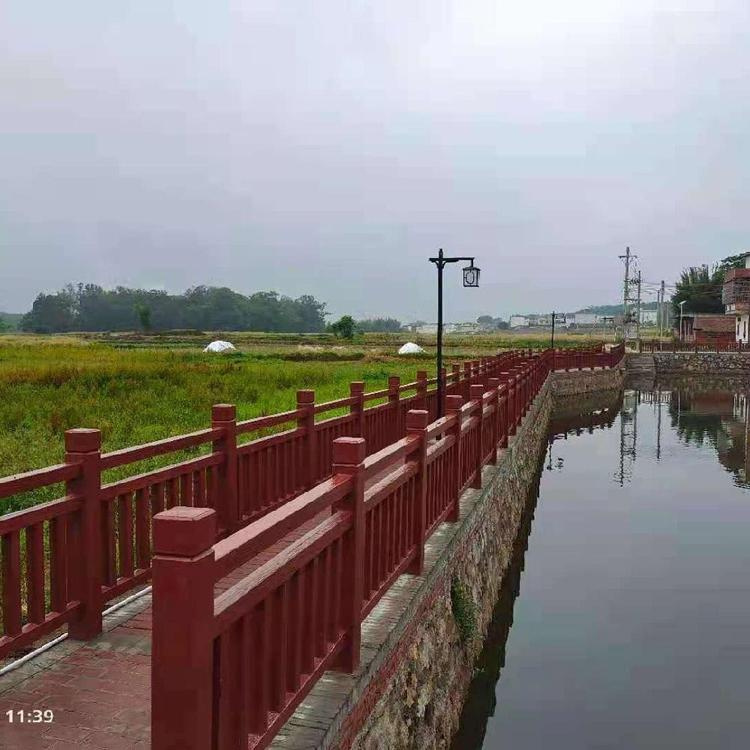
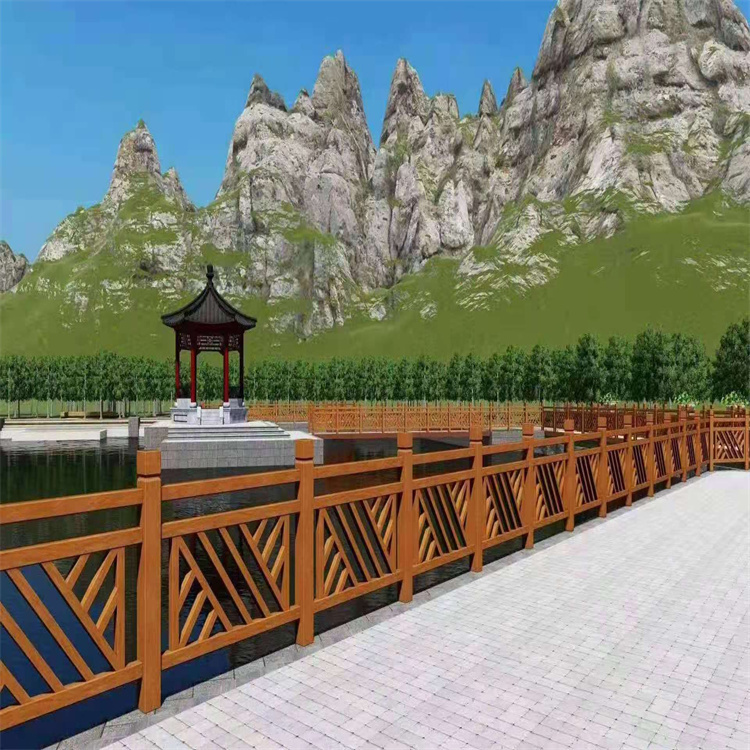
产品Price 268.00/Rice
最小起订Quantity:1 Rice 供货总Quantity: 10000 Rice


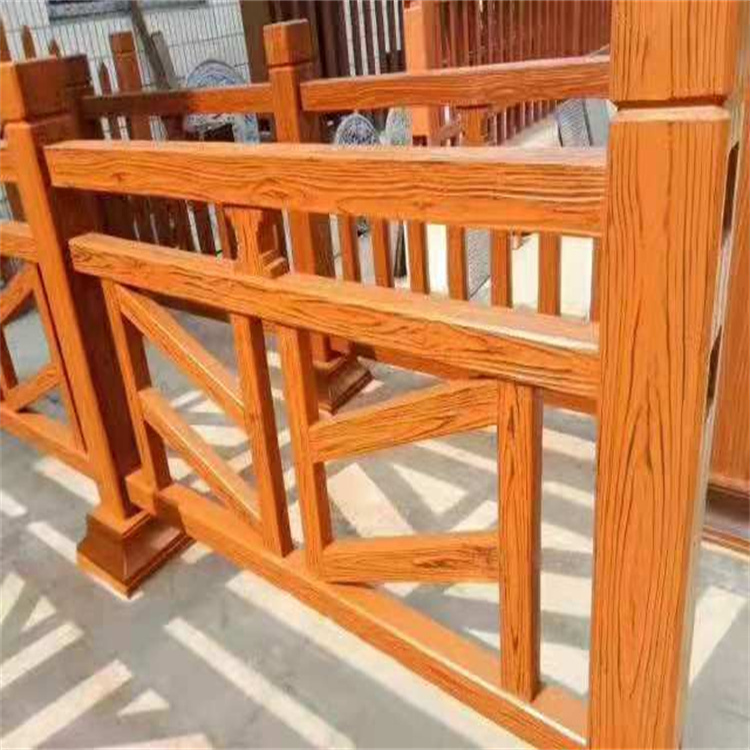
Faux wood railing |
|
Mock-wood railing installation |
200M |
Wood-like fence |
50M |
Mock wood railing in stock |
600M |
Wood模仿Fence Company |
400M |
Wood-look Fence Manufacturer |
600M |
There are two methods for producing wood-like railings: one is manufactured by the factory and then transported to the site for installation, known as pre-fabricated wood-like railings. The other is crafted, carved, and painted on-site by workers, referred to as concrete wood-like railings. Below, I will provide a detailed introduction to the construction techniques of these two methods. I. Craftsmanship of仿木栏杆 installation: Preparation before Installation 1. Inspect if the foundation of the wood-look railing meets the installation requirements according to the technical handover design specifications. If it does not, order corrections. If the Party A handles the foundation independently, the contractor is responsible for the technical handover. The foundation for production and installation should ensure a flatness pass rate of over 95%.预留孔 for pre-b埋 posts. 2. Each piece of simulated wood railing posts, partition columns, beams, etc., delivered to the construction site should be inspected individually. Check for any deformation during transportation and storage, and verify the dimensional accuracy of the simulated wood railing's shape and size. 3. Provide detailed instructions to on-site construction personnel regarding the specific details they should pay attention to during the construction process, ensuring each worker is well-informed to maintain the progress of the installation. Faux wood railing installation 1. Railing Installation: The rail panels and posts are connected by mortise and tenon joints, with on-site marking and installation. First, the posts are secured, followed by the mortise and tenon joints of the rail panels. The rail panels are usually pre-buried by 3-5 cm. 2. Rail Adjustment: Adjust installed rails every 15-20 meters, then pour C25 concrete into reserved holes to secure the posts. 3. Joint Sealing: Apply joint sealant and the provided surface treatment materials to brush and seal the joints. 4. Cleaning: If mortar or other substances splash onto the product surface during installation, they should be promptly wiped clean with water to prevent sticking and maintain the aesthetic appearance of the product surface. Clean up the installation site immediately after installation is complete. Faux wood railing coating 1. Preparing for Painting: (1) After the wooden栏杆 installation is complete, the wooden栏杆 should be maintained. Proceed with the painting process only after the maintenance period for the wooden栏杆 has expired. (2) Painting processes should not be conducted during rainy or severe weather conditions. 2. Wood-look railing coating: (1) Technical points of the spraying process: During the painting process, attention should be given to the evenness, glossiness, and brightness of the paint surface on the wooden railing, ensuring a uniform and shiny finish. The surface of the components should not have any misapplication or missed areas, and the coating should not have peeling, with an even layer and no obvious creases, drips, or bubbles. The thickness of the coating and the number of layers should meet the design requirements. Apply primer, topcoat, and protective coating, with the topcoat color agreed upon with the client (consistent with the construction contract). (2) Key Points of Spraying Technique: Mixing and stirring techniques for the paint, as well as the interval between the previous and next coating stages, are guided by technicians according to the product manual and inspection reports provided by the paint manufacturer. ②Brushing tools should be selected suitable for the characteristics of the paint; if switching to a different paint, the entire set of tools should be thoroughly cleaned. Section II: Construction Technique for Cement Imitation Wood Railings Imitation wood railing internal structure design The internal structure design, mimicking wood, is fundamental and determines the overall quality of the simulated wood railing. Professional simulated wood railing manufacturing teams typically follow the designs pre-drawn by landscape architects. However, in reality, most welders creating simulated wood railings go by their own intuition. After the internal design is completed, the prepared wire mesh is laid down to prepare for the subsequent surface shaping. (There are also options to use bricks for the internal design, but they don't look as good as with steel rebar.) Wood-imitated railing surface design Surface design: Firstly, apply cement slurry to the wire mesh, where you can perform some basic shaping to lay the foundation for future designs. Alternatively, you can choose not to shape and simply apply the cement. Next, the treatment of the "skin" on the simulated wood railing surface, shaping on the layered basis, which is also the next step in the shaping of simulated wood railings and an important one. Stained wood railing模仿 Laminated wood railing dyeing may seem simple, but there's actually a lot of skill involved. This dyeing step requires the laminate railing manufacturing team to have an extremely skilled colorist. Additionally, the dyeing must be tailored to the railing's design and the type of wood being imitated; haphazard color matching is not advisable, as it can result in a railing that doesn't resemble any wood at all. Maintenance of Wooden-Look Railings The materials used for仿木railing production are concrete, which has a very difficult-to-maintain flaw: cracking. Cracking has always been a headache for garden landscape makers. The reason why仿木and artificial mountains made by wood-building garden construction teams don't crack is not because of any magic tricks, but rather due to the team's efforts in daily maintenance, in addition to the proper proportion of cement, river sand, and water. It is recommended that regardless of whether it's仿木or artificial mountains, water should be sprinkled three times a day, once each in the morning, afternoon, and evening, even on cloudy days. On sunny days, this should be increased to at least six times. Adjustments should be made according to the local climate and temperature.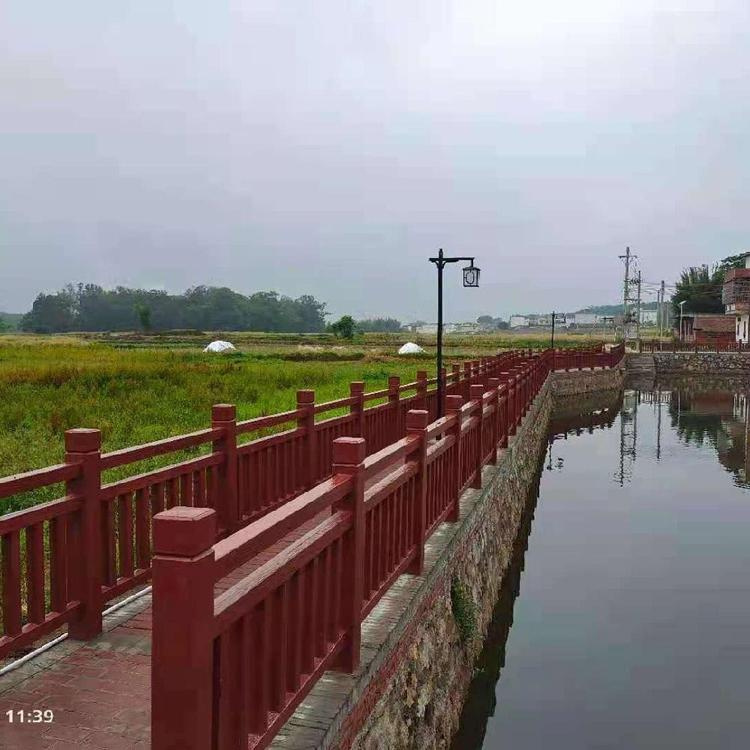

Phone Consultation