
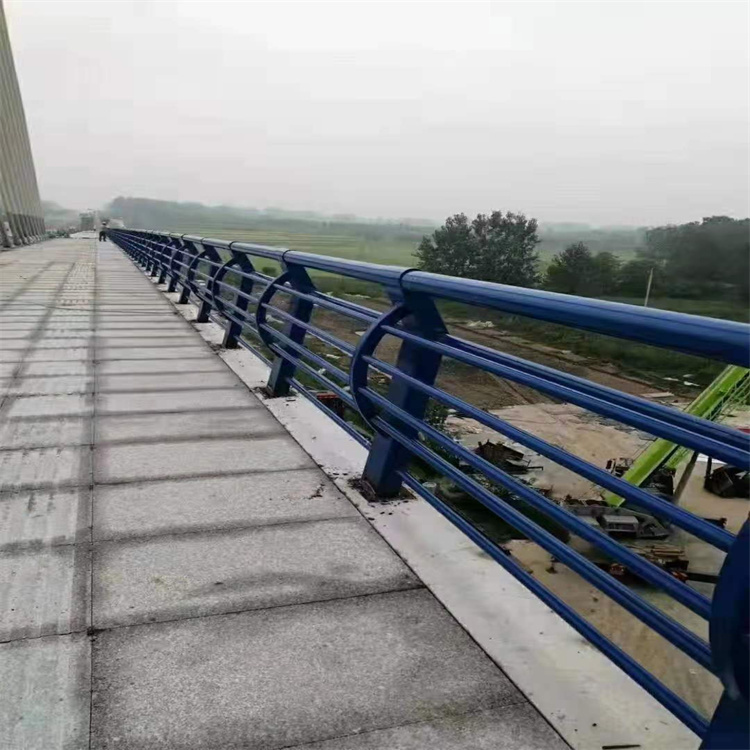
 Stainless Steel Composite Pipe Fence
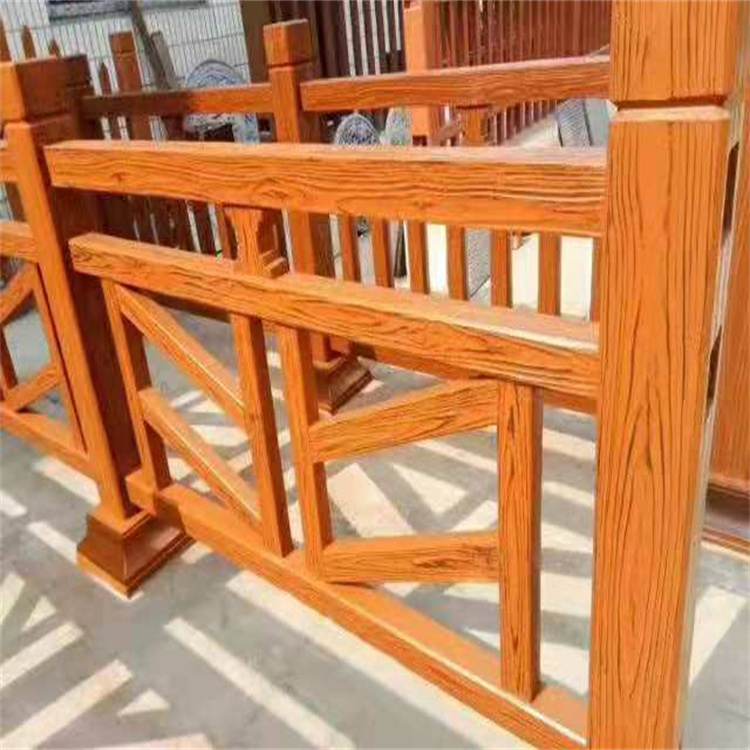 Faux-Wood Anti-Collision Guardrail
 Aluminum alloy railing
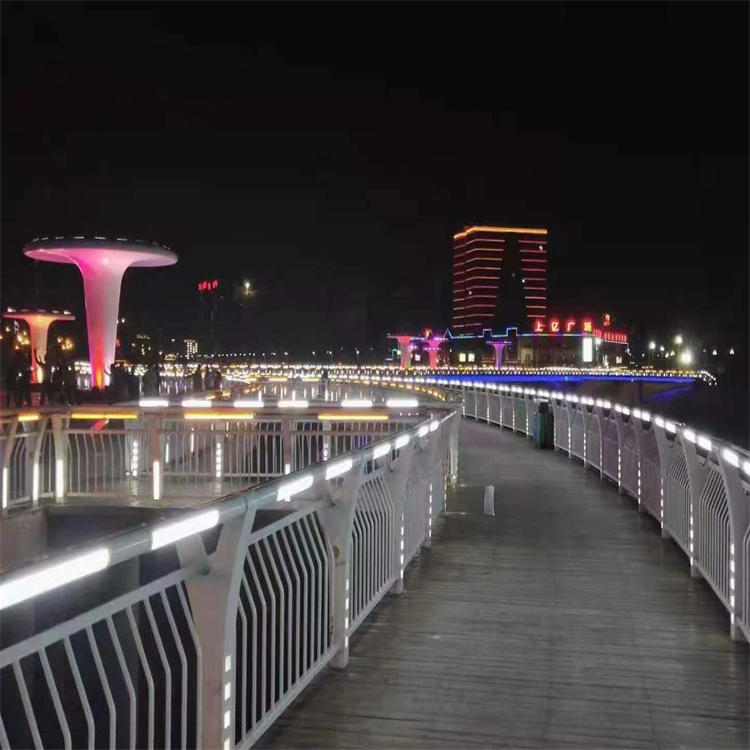 Lighting collision guardrails
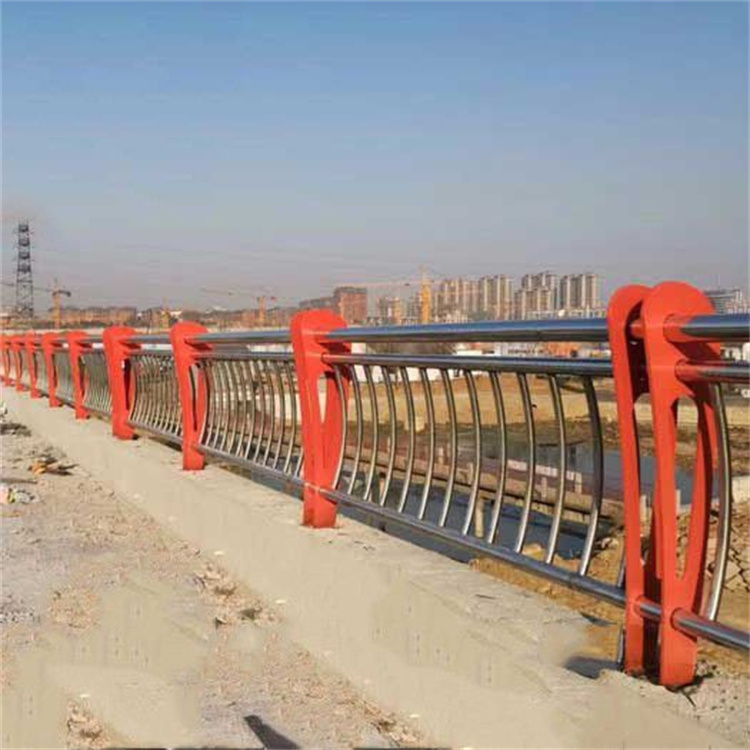 Riverway collision guardrails
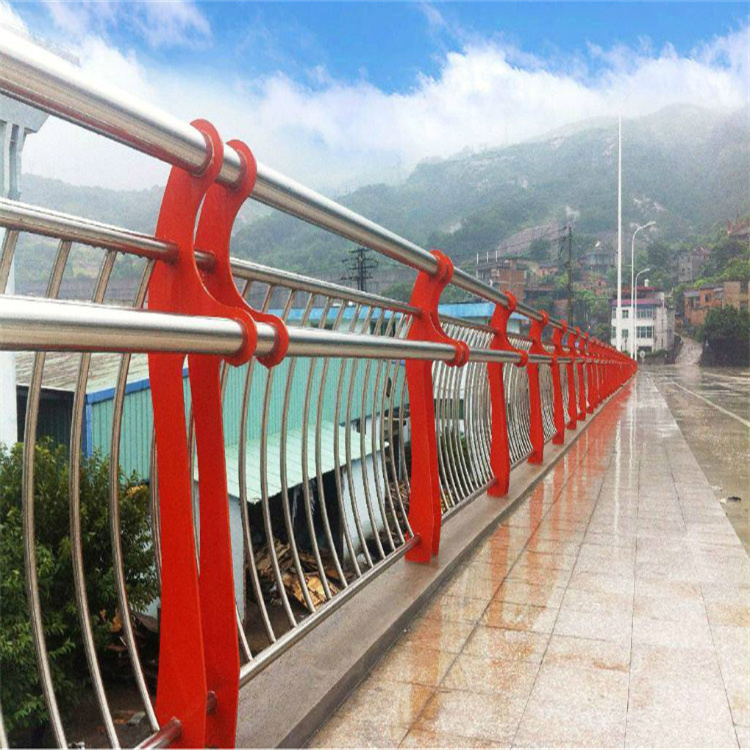 Landscape Anti-Collision Guardrail
 Light Barrier 1
Product Details

Specialized in manufacturing bridge guardrails, landscape guardrails, river e...

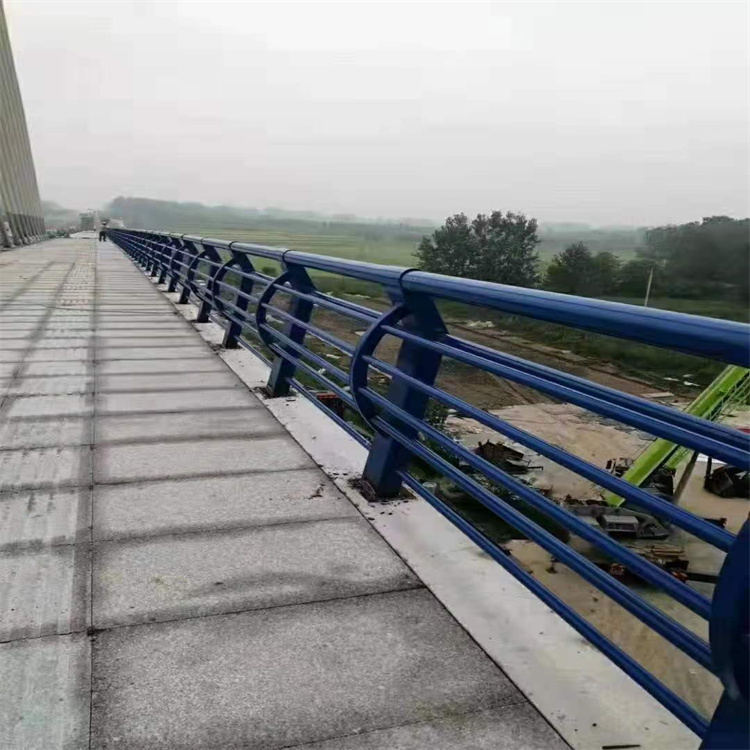

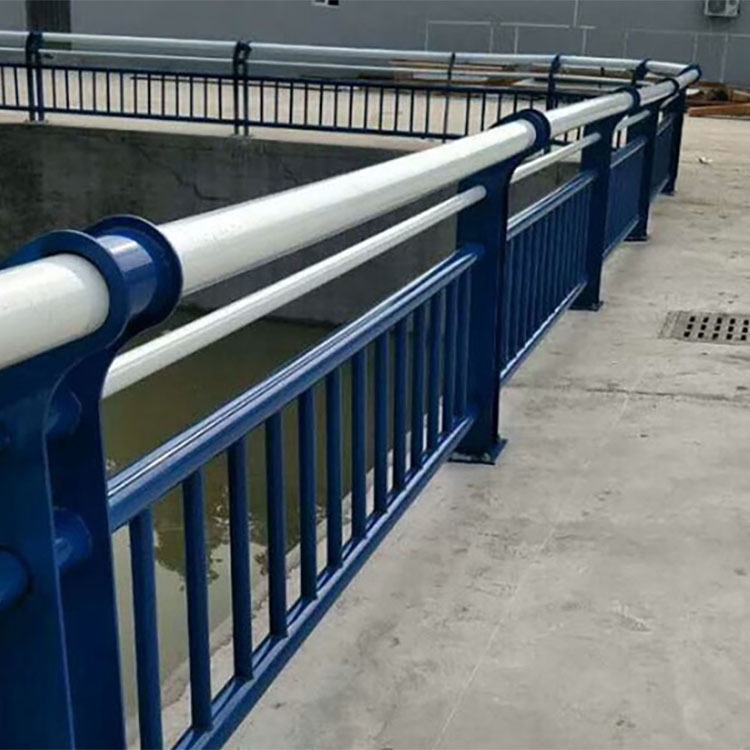
产品Price 168.00/Rice
最小起订Quantity:1 Rice 供货总Quantity: 10000 Rice


Jinan Stainless Steel Composite Pipe Fencing |
|
Zibo Stainless Steel Composite Pipe Fence |
200M |
Raysun Stainless Steel Composite Pipe Guardrail |
3000M |
Dongying Stainless Steel Composite Pipe Fence Manufacturer |
400M |
Jining Stainless Steel Composite Pipe Fence Manufacturer |
60M |
Linyi Stainless Steel Composite Pipe Fence Manufacturer |
600M |
Stainless steel composite pipe railing surface polishing comes in three common types: mechanical polishing, chemical polishing, and electrochemical polishing. The most commonly used mirror polishing equipment primarily involves rotating the stainless steel composite pipe railing or other metal sheets counterclockwise through a adjustable-pressure grinding disc, with a correction wheel driving the workpiece to rotate itself, applying pressure by gravity and additional pressure. This is combined with a matching abrasive emulsion, allowing the workpiece to rub against the grinding disc, achieving the polishing goal. Mirror polishing machines can be divided into three steps: grinding, polishing, and finishing; the matching abrasives, grinding materials, and emulsions also vary depending on the process. Various materials and thicknesses of stainless steel composite pipe railings can be processed to varying degrees of mirror finishes; due to the macro不平度 of the base material, the surface is polished and finished until it reaches a mirror-like finish. The surface conditions of stainless steel composite pipe railings are numerous, with materials suitable for mirror polishing including grades 201, 202, 430, and 441 austenitic steel. Additionally, due to contact with polishing emulsions and the polishing machine, and the corrosion from various acidic and alkaline substances, both the emulsion and the polishing machine must have excellent corrosion resistance. Furthermore, due to the high-speed rotation of the polishing machine and the friction with metal sheets, a large amount of heat is generated. The grinding process can produce a significant amount of heat in the same area, causing changes in the metal surface stress and affecting the metal's physical state, ultimately impacting the flatness. Therefore, both the polishing equipment and the environment must have good heat dissipation conditions.


Phone Consultation