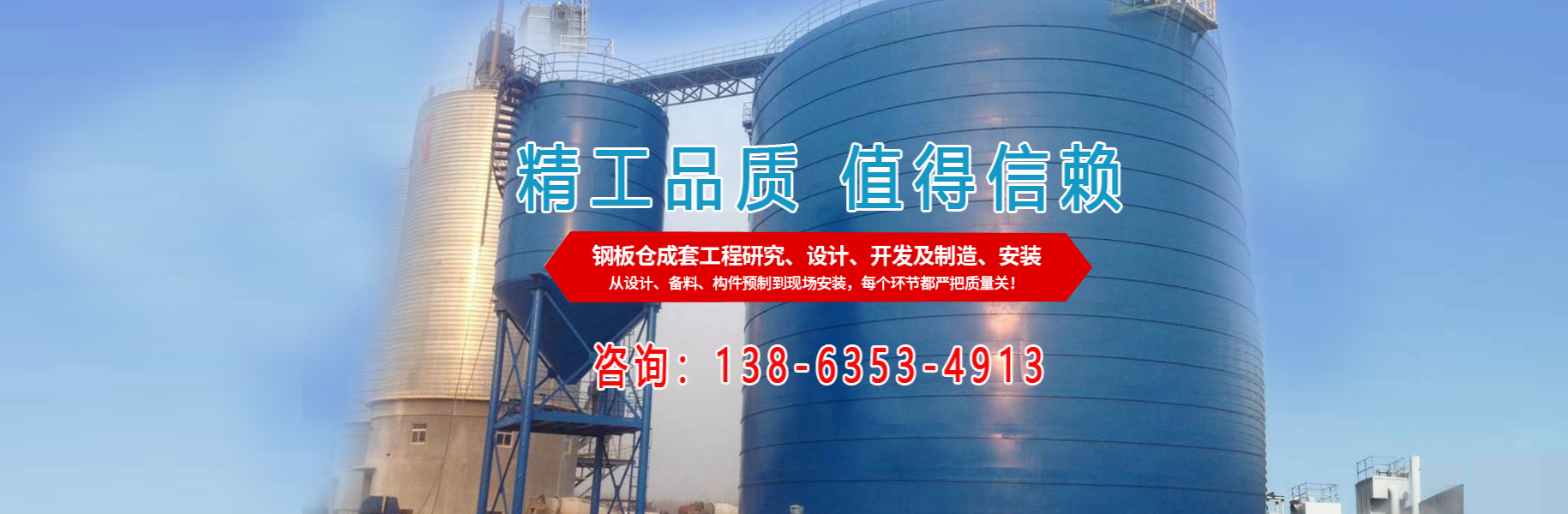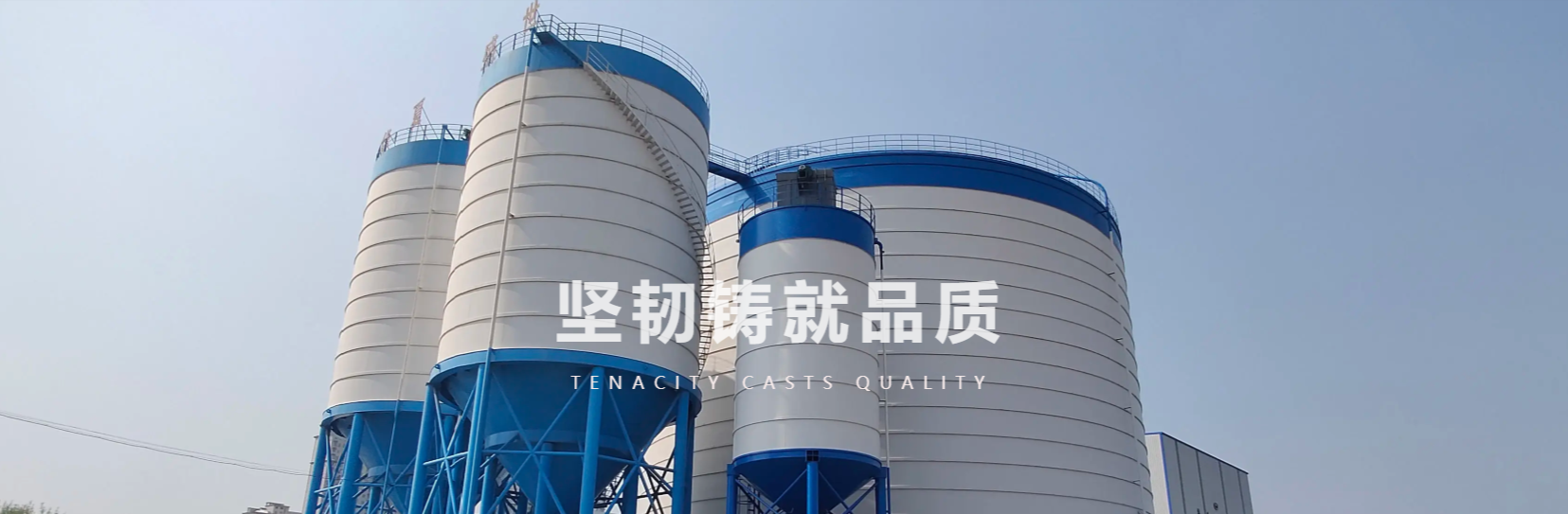
Large Plate Steel Storage Warehouse, Aggregate Plate Stee...

Introduction to Stone and Steel Plate Storage Warehouse
The Stone and Steel Plate Storage is a specialized enclosed storage equipment designed specifically for materials like gravel, sandstone, and crushed stone. Relying on its high-strength steel structure and targeted design, it precisely matches the characteristics of these materials, such as high density, angular shapes, and dustiness, effectively addressing the pain points of traditional open-air stacking or simple storage, such as extensive land use, heavy pollution, and significant material loss. It is widely used in construction projects, road construction, concrete mixing stations, and mining operations, serving as a core facility for the large-scale, environmentally friendly, and efficient storage and turnover of stone materials.
I. Core Structural Types
Based on variations in storage capacity, construction conditions, and application scenarios, the stone and steel plate silos are primarily categorized into three mainstream types, all featuring reinforced structural designs for stone storage compatibility.
Large Welded Stone and Steel Plate Silo: Core design for large-scale and long-term storage, with a cylindrical body. The top and bottom are structured with spherical segments. The foundation is designed as a round truncated cone to bear the high gravity load of the stones. The silo walls are made by welding high-strength steel plates such as 16Mn (Q355B), with wall thickness ranging from 6-25mm. Additional hoop and vertical reinforcing ribs can be added to enhance structural stability, and wear-resistant angle steel is set on the inner wall to reduce the wear of stone edges. The aspect ratio is typically controlled within 1:1 to minimize impact on the silo walls. The single silo capacity can reach 10,000-100,000 tons, with a diameter that can be designed from 20-60 meters, and can be further expanded under special requirements.
2. Spiral-rolled edge stone steel plate silo: Suitable for small and medium-sized storage capacities and rapid construction scenarios, it is formed by specialized equipment that rolls galvanized steel plates into a spiral shape. The 5-layer interlocking structure of the silo wall panels combines high strength with good sealing properties, with wall thickness ranging from 2.0 to 6.0mm. Its advantages include a short construction period, low self-weight, and low transportation costs, meeting the needs for sand and stone aggregate transfer silos or temporary storage facilities. However, due to the limitation of plate thickness, the storage capacity is usually not more than 15,000t.
3. Prefabricated Gravel and Steel Plate Storage Silos: Assembled using pre-fabricated corrugated steel plates with high-strength bolts, these silos offer easy construction and are not restricted by weather conditions. Their overall strength is comparable to large welded warehouses. The silo sizes can be flexibly adjusted according to the gravel storage capacity, making them suitable for decentralized storage needs at small and medium-sized concrete mixing stations or construction project sites.
Two, Core Advantages for Adaptability to Stone Storage
High impact resistance and wear resistance: Designed for the characteristics of large stone density (up to 16-17 KN/m³) and sharp edges, the storage body is made of high-strength steel and features optimized structural design. Some storage bodies are equipped with wear-resistant linings or have预留 wear allowance, effectively resisting impacts and wear during long-term storage and handling. Additionally, the storage body boasts excellent wind and seismic resistance, adaptable to various regional climates and geological conditions. After anti-corrosion treatment, its service life can reach 30-40 years.
2. Airtight and Environmentally Friendly, Zero Dust Emission: Utilizing a fully enclosed structural design, the storage top is equipped with a dust collector, which efficiently collects dust during feeding and ensures compliance with emission standards; the unloading process is connected through an enclosed conveying system, preventing dust pollution during the transfer of stones, and completely resolving the issue of dust dispersion from traditional open-air stacking, in line with current stringent environmental protection requirements. Additionally, the enclosed structure prevents stone loss and quality deterioration caused by rainwater runoff, reducing material loss.
3. Efficient Unloading with Low Residue: Bottom design with conical or flat bottom + gasification unit: The conical bottom structure utilizes gravity for self-flowing unloading of aggregates, suitable for quick dispatch of large-grained aggregates; the flat-bottomed storage with gasification pipes avoids compaction and caking of aggregates at the bottom through air flow disturbances, achieving an unloading clearance rate above 95%, significantly reducing manual cleaning costs. The dispatching system can seamlessly connect with the company's conveying chain, realizing automated continuous unloading and improving turnover efficiency.
4. Space-saving and high space utilization: Compared to traditional open-air yards, the stone and steel plate storage can expand vertically to increase capacity, significantly reducing the land area required. Large storage facilities with diameters of 20-60 meters and heights of 20-40 meters can have multiple storage units arranged with a minimum spacing of 50 centimeters, maximizing the use of the factory area. Some elevated designs also allow for direct loading at the bottom of the storage, further saving on site planning costs.
5. Smart Management for Enhanced Convenience: Compatible with installation of material level monitoring and intelligent control systems, providing real-time feedback on the stock of aggregates within warehouses, preventing overstocking or shortages. This facilitates enterprises in planning for procurement and production. Larger warehouses can also add equipment such as circular tracks and bucket wheel excavators, achieving full automation of loading and unloading operations, reducing manual inspection and operation workload, particularly suitable for large-scale group management of multiple warehouses.
6. Versatile and Expandable: The warehouse specifications can be flexibly customized according to the storage capacity of stone chips and particle size, with individual storage capacity ranging from hundreds to tens of thousands of tons. Should there be an increase in storage needs, expansion can be achieved by adding new warehouses or expanding existing storage capacity to meet the company's production capacity enhancement requirements; it can also serve as a transit warehousing hub, balancing the production and sales rhythm between mining operations and downstream construction, ensuring continuous production.
III. Main Application Fields
Construction and Road Engineering: Stores various sizes of aggregates required for concrete pouring and subgrade laying, ensuring the continuous supply of raw materials at the project site and preventing delays in construction progress due to material shortages.
2. Concrete Mixing Station: Serving as a core raw material storage facility, it stores aggregates of various particle sizes and seamlessly connects to the mixing production process through an automated unloading system, enhancing production efficiency and the standardization of raw material management at the mixing station.
3. Mining and Aggregate Processing Plant: For storing finished aggregate after excavation and crushing, achieving large-scale warehousing and orderly transportation, reducing environmental pressure from open-air stacking and material loss.
4. Hydraulic and Water Conservancy Projects: High-intensity aggregates for dam and embankment construction, suitable for harsh outdoor construction environments, ensuring safe material storage and stable supply.


b2b.china9.net © Zhongshang 114 Hebei Network Technology Co., Ltd.Address: Room 6009, Oriental New World Center, No.118 East Zhongshan Road, Qiaoxi District, Shijiazhuang City, Hebei ProvincePlatform Service Hotline: 4006299930