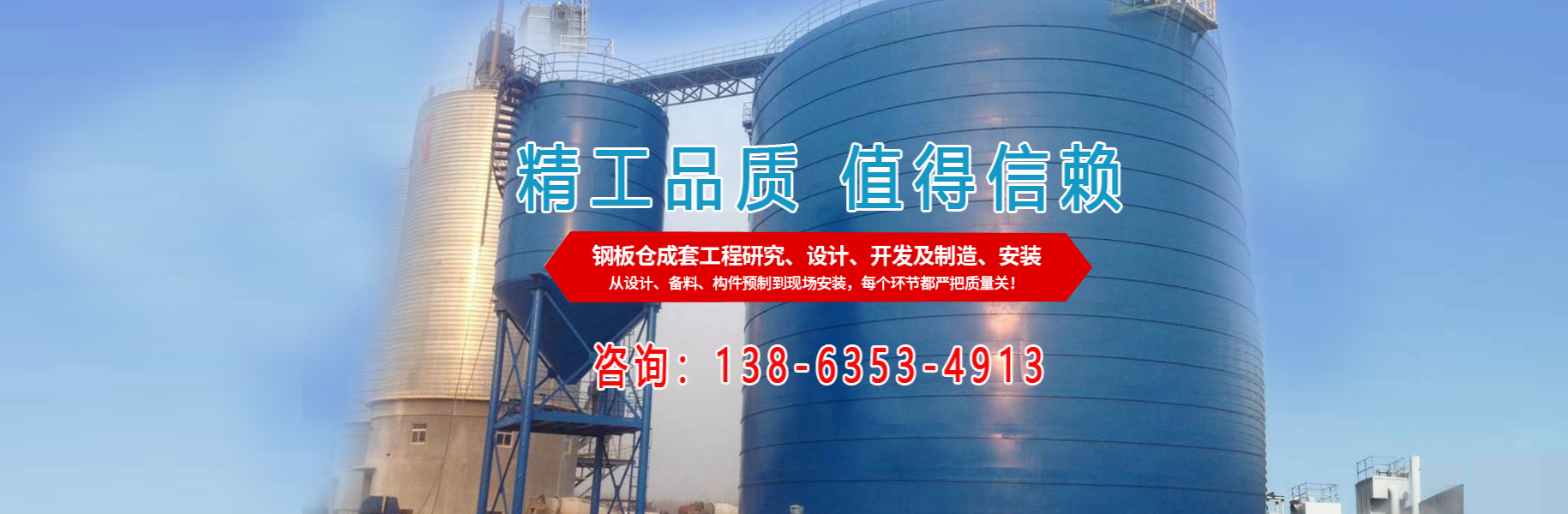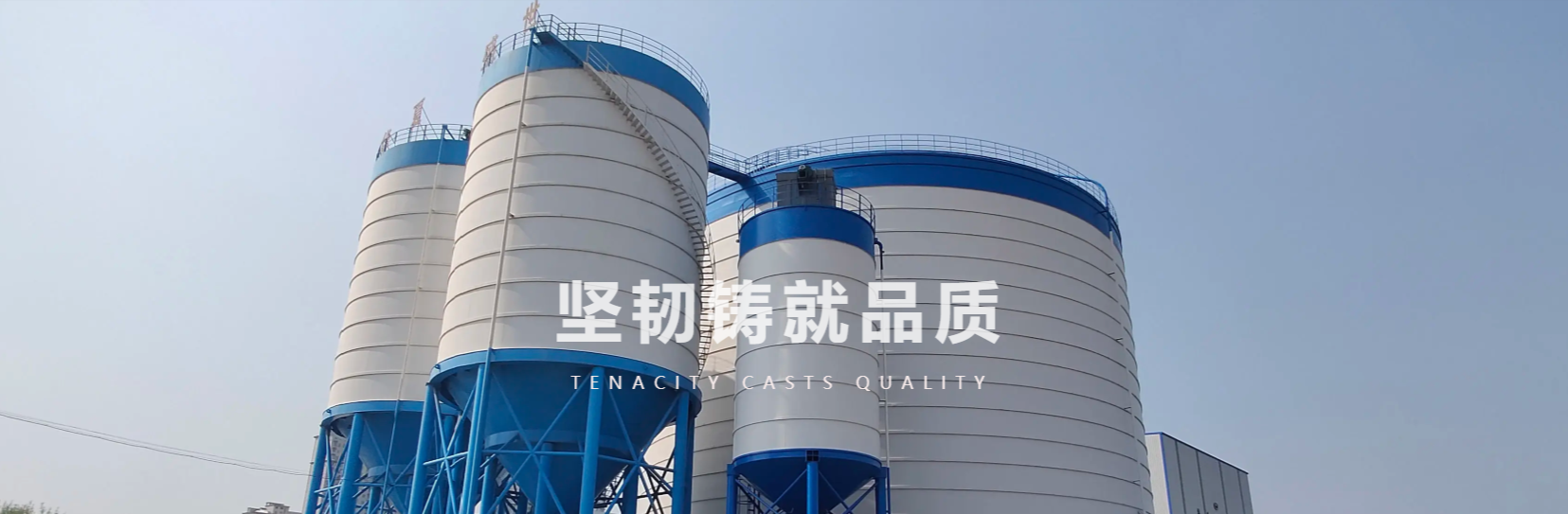
Large Plate Steel Storage Warehouse, Aggregate Plate Stee...

Fly Ash Steel Silo Function Introduction
Fly ash steel plate silos are specialized storage equipment designed for powdered industrial materials like fly ash. Relying on the sealed, robust, and easy-to-manage features of steel plate warehouses, combined with the physical characteristics of fly ash (lightweight, easily dusty, and prone to dampening and caking), these silos achieve core functions such as safe storage, environmental control, and efficient turnover, and are widely used in industries such as cement, power, building materials, and concrete mixing stations.
Seal and moisture-proof to ensure material quality
The value of fly ash is closely related to its dryness and loose degree; moisture and lumping can severely affect its activity in concrete admixtures and cement production. The fly ash steel storage silos utilize clamp mouth sealing or welding sealing techniques, boasting excellent airtightness to effectively isolate external rainfall and humidity. Some high-end models are also equipped with a thermal insulation layer on the silo wall to prevent condensation due to internal temperature differences, thereby fundamentally preventing the moisture and lumping of fly ash. Additionally, the sealed design also prevents the fly ash components from undergoing chemical reactions with air, ensuring long-term stability of the material properties.
Environmental Dust Suppression, Compliant with Emission Standards
Fly ash is lightweight and finely granulated, making it highly prone to dust generation during loading, unloading, and storage, which leads to environmental pollution and material loss. The fly ash steel silo addresses this pain point: equipped with dust collection devices at the feeding inlet, it can collect dust during the feeding process and discharge it after meeting standards; the discharge process uses an enclosed conveying system (such as pneumatic or spiral conveyance) to prevent any dust leakage throughout the process; a breathing valve is installed at the top of the storage to balance the air pressure inside, ensuring storage safety while avoiding dust escape. The overall system meets national environmental emission standards, reducing dust pollution in the industrial area.
Efficient loading and unloading, reducing residual loss
In response to the challenge of discharging fly ash, the steel plate silo employs a cone-bottom or flat-bottom design with an aeration unit: the cone-bottom structure utilizes gravity for self-flowing discharge, reducing manual cleaning costs; the flat-bottom silo is paired with aeration pipes, which, through air flow disturbance, fluidize the fly ash, preventing material from compacting at the bottom of the storage, and keeping the residue rate extremely low. During discharge, it can seamlessly connect with the company's conveying system, achieving continuous and automated unloading, significantly enhancing the turnover efficiency of fly ash from storage to the production process.
Smart Control for Easy Inventory Management
Fly ash steel plate silos can be equipped with level monitoring, temperature monitoring, and an intelligent control system: level gauges provide real-time feedback on the fly ash inventory within the silo, preventing overstocking or shortages, facilitating corporate procurement and production planning; temperature sensors monitor the material temperature inside the silo, preventing caking or safety hazards caused by material accumulation; the intelligent system supports remote operation of feeding and unloading, reducing the workload of manual inspections, especially suitable for large-scale enterprises with multiple silo groups management.
High-capacity storage, space-saving solution
The large-scale welded fly ash steel plate silos have a storage capacity of up to 10,000-100,000 tons, meeting the bulk storage needs of power and cement companies. Compared to traditional brick and concrete silos and open-air yards, these steel plate silos have a higher space utilization rate, allowing for vertical expansion of storage capacity and significantly reducing the land footprint. When arranged in multiple silos, the minimum spacing between them can be as little as 500 millimeters, effectively utilizing idle factory space and lowering land usage costs.
Durable and adaptable to complex working conditions
Fly ash has slight corrosive properties; the storage body panels of the steel plate silos can be made of galvanized steel or weather-resistant steel. Some silos can also be treated with anti-corrosion coatings to resist the mild corrosion from fly ash and the acidic or alkaline environment in the factory area, with a normal service life of up to 30-40 years. Additionally, the overall strength of the silo is high, boasting excellent seismic and wind resistance, and can adapt to different regional climates and geological conditions.
Transit Coordination, Linking Production and Sales Chains
In addition to long-term storage, fly ash steel plate silos can also serve as a transit warehousing hub: the fly ash collected from power plants can be temporarily stored within the silos, and flexibly dispatched according to the needs of downstream building material enterprises; concrete mixing stations can also stock up fly ash through the steel plate silos to ensure production continuity, balance the supply and demand rhythm of fly ash, and mitigate the impact of supply chain fluctuations.


b2b.china9.net © Zhongshang 114 Hebei Network Technology Co., Ltd.Address: Room 6009, Oriental New World Center, No.118 East Zhongshan Road, Qiaoxi District, Shijiazhuang City, Hebei ProvincePlatform Service Hotline: 4006299930