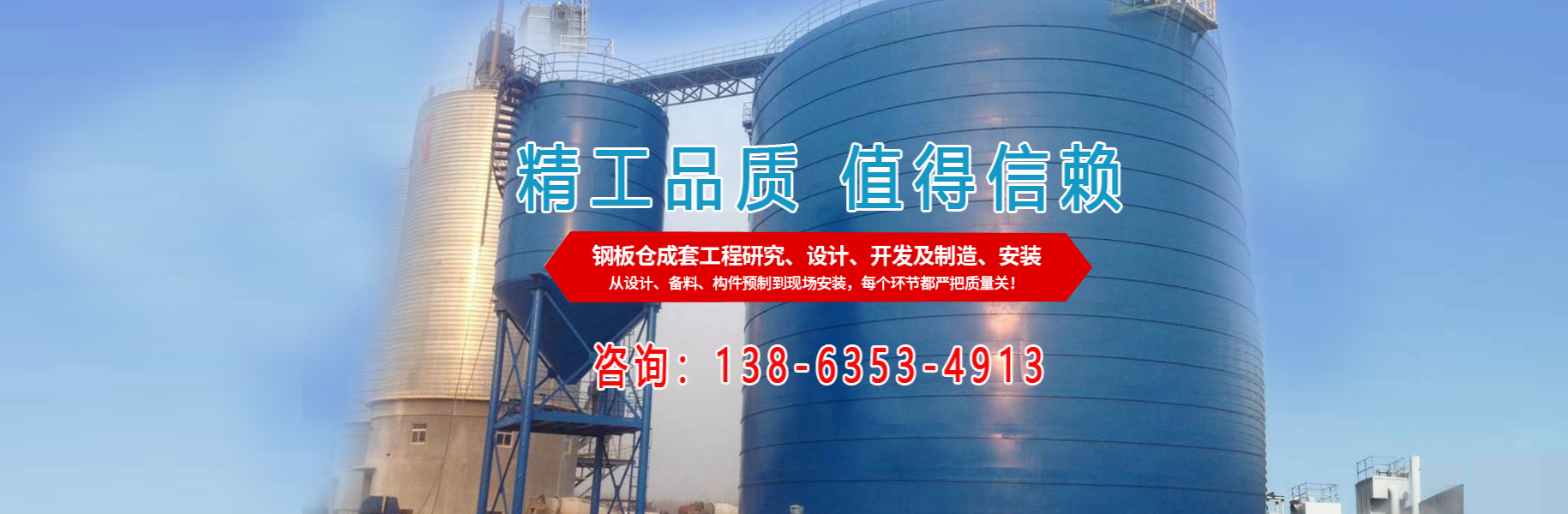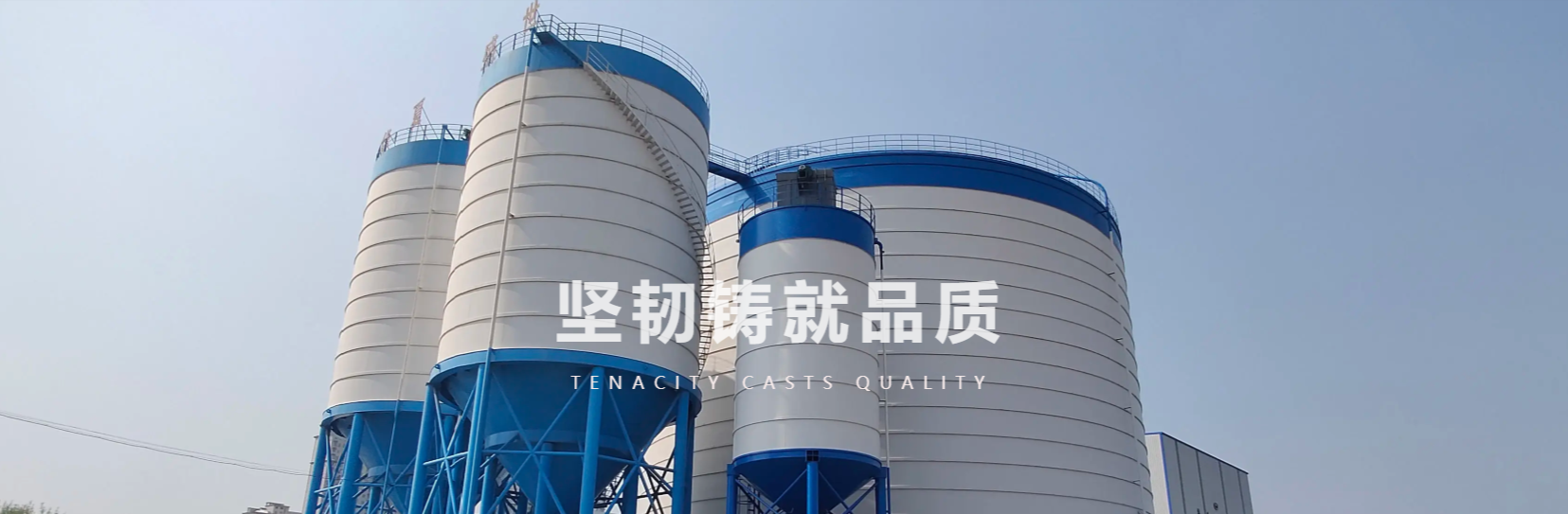
Large Plate Steel Storage Warehouse, Aggregate Plate Stee...

Here is an in-depth introduction to steel silos:
Timeline of Growth
The development of steel silos spans over 100 years, initially gaining widespread application internationally. The use of steel cylinder silos for grain storage originated in the early 20th century. By the late 1970s, in the international grain industry, steel silos had almost replaced any other type of grain storage facility.
China's technology for steel silos in the grain industry started late. In 1982, Honghe Farm in Heilongjiang Province introduced galvanized corrugated steel plate silos from the United States, marking the earliest group of modern steel silos to appear in China.
Structural Type
Prefabricated Steel Plate Silos: The steel plates, mechanically rolled and molded into corrugated shapes, are punched and assembled using electric torque wrenches with high-strength bolts. The wall panels are corrugated, typically made of galvanized steel, with thickness ranging from 0.8 to 4.2mm, and the maximum wall thickness can reach 8.4mm.
Pre-engineered steel silos
Lipu-style Steel Storage Silo: Also known as a spiral steel storage silo, the body is formed by a spiral ascending process using a coiling machine set. The coiling machine set includes a uncoiler, a bending machine, a forming machine, a triangular winch, and electrical control systems.
Lipu-style steel plate silo
Large Welded Steel Plate Silo: Mainly constructed from steel焊接, the silo body is cylindrical, with the top and bottom in spherical segment shape, and the foundation in a round truncated cone shape. Its design is advanced, offering a large storage capacity, with a single silo volume ranging from 10,000 to 100,000 tons.
Large Welded Steel Plate Silo
Features
Excellent overall performance and long lifespan: During the construction process, with the use of specialized equipment, the spiral ribs on the outer wall of the silo enhance its load-bearing capacity, making the overall strength, stability, and seismic resistance superior to other silos. The normal service life reaches 30-40 years.
High-seal performance and versatile applications: Utilizes specialized equipment for bending and locking, ensuring excellent sealing properties. Capable of storing materials like cement and fly ash, as well as grains, oil, and chemical raw materials.
Short construction time and low cost: The on-site construction of spiral-joint steel plate silos features quick installation of the roof and ground, rapid molding and bending line speed, without the need for scaffolding or other auxiliary facilities, resulting in a shorter construction period. Additionally, all are made of thin steel plates, which are lightweight and cost-effective.
Compact and easy to manage: Available in a wide range of heights and diameters, the minimum distance between the two bins is as small as 500mm, allowing for optimal space utilization. Additionally, with high automation levels and equipped with temperature and material level sensors, management is convenient.
Application Fields
Agriculture Sector: Storage solutions for grains such as wheat and corn, ensuring food security.
The industrial sector: Capable of storing industrial raw materials such as cement, ore, fly ash, etc., enhancing the storage efficiency of raw materials.
The food processing industry: Used for storing ingredients such as flour and sugar, as well as finished products, to ensure food quality and safety.
Environmental Protection: For instance, storing sludge treated in wastewater, for subsequent processing and transportation.


b2b.china9.net © Zhongshang 114 Hebei Network Technology Co., Ltd.Address: Room 6009, Oriental New World Center, No.118 East Zhongshan Road, Qiaoxi District, Shijiazhuang City, Hebei ProvincePlatform Service Hotline: 4006299930