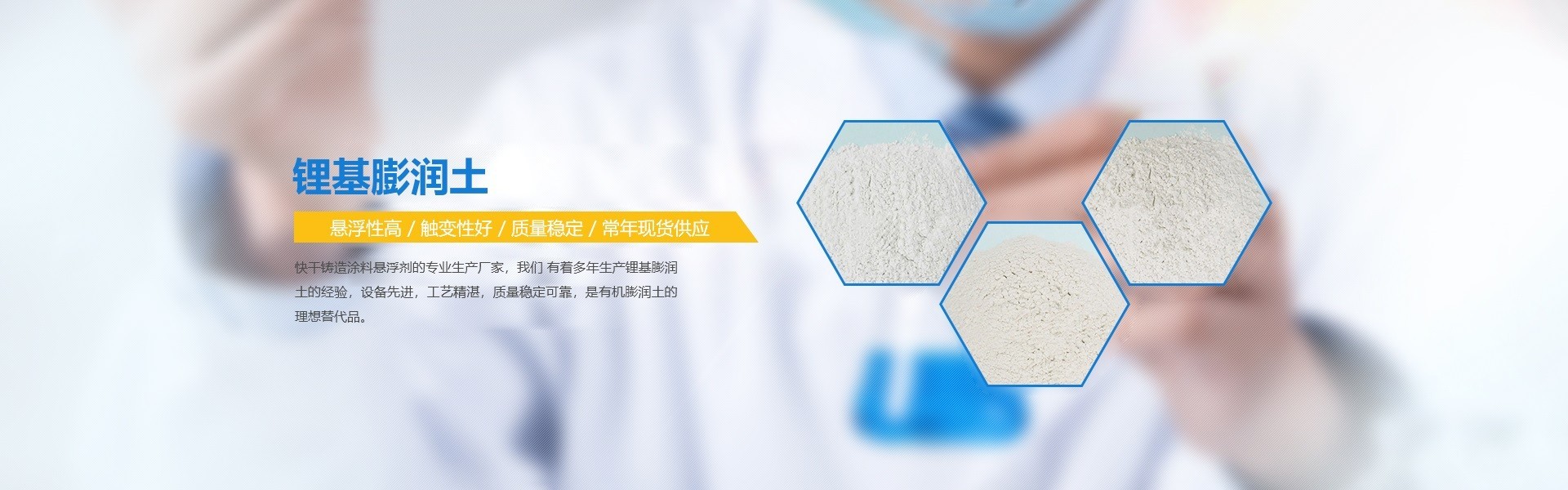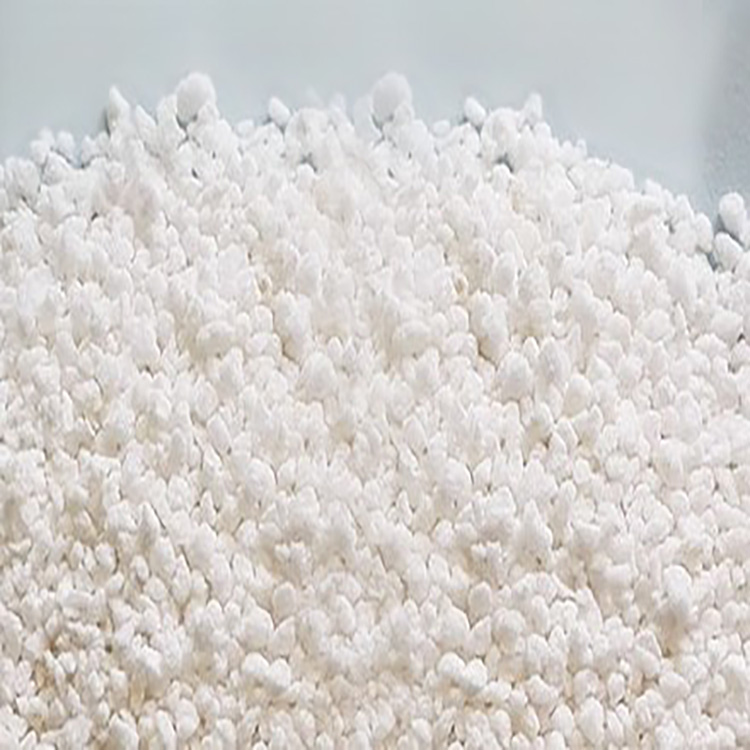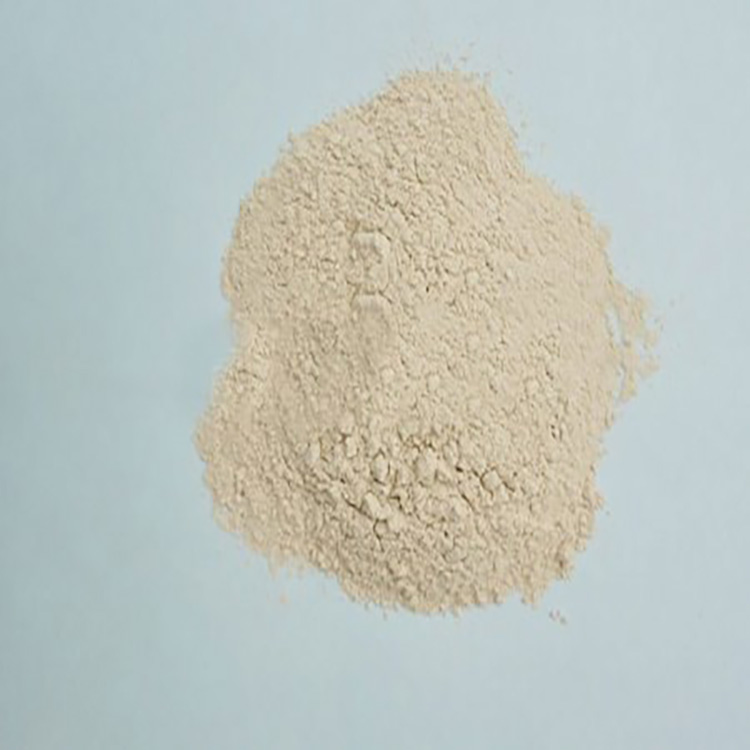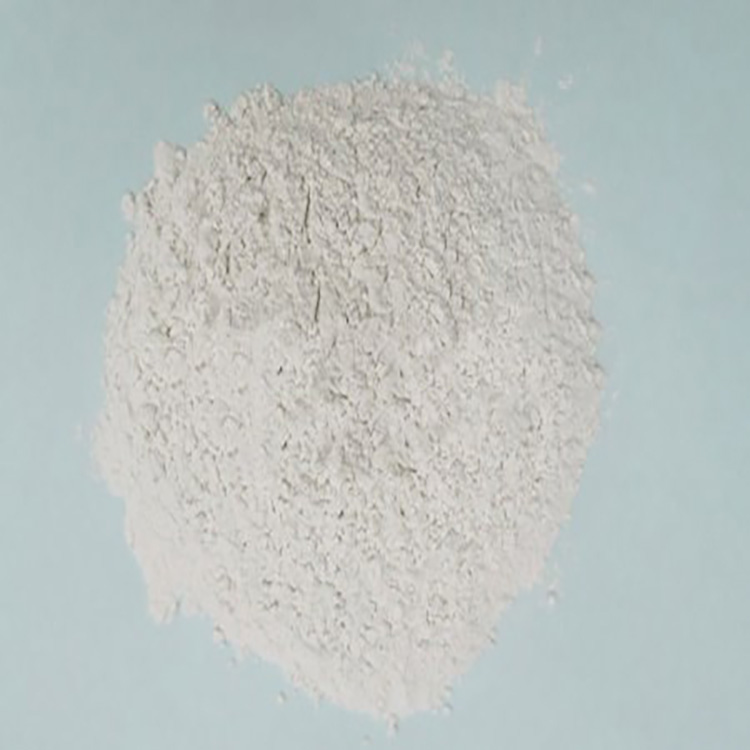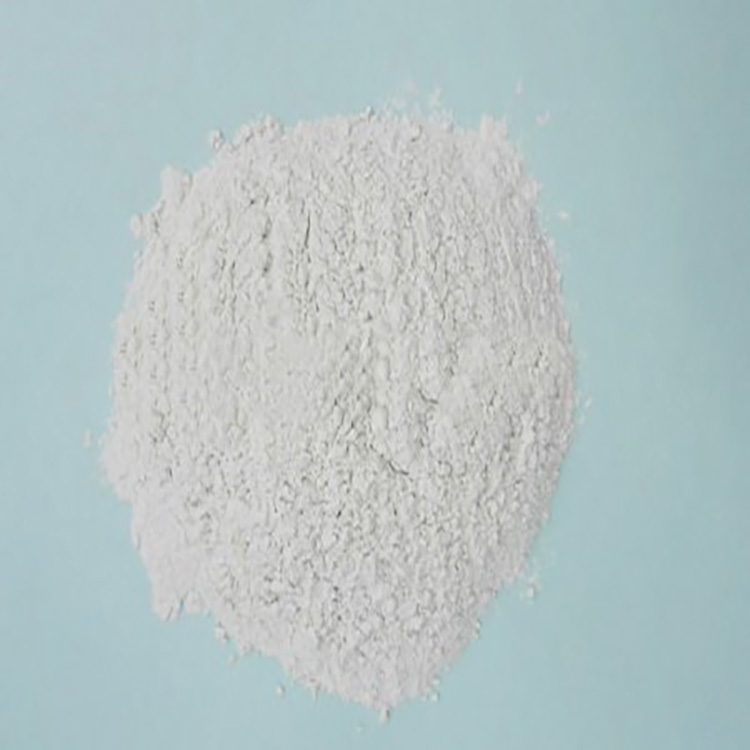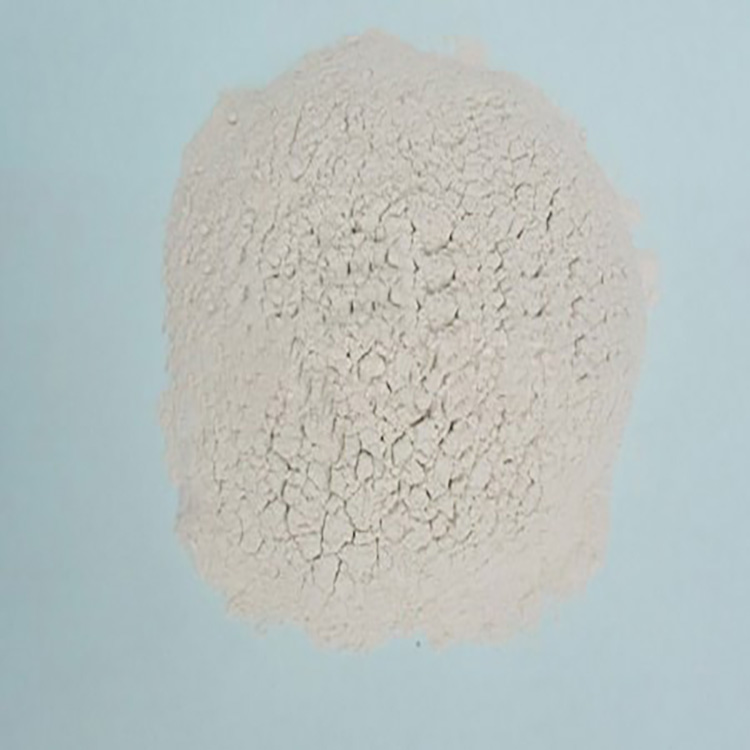
Focused on producing lithium-based bentonite, sodium-base...

The modification of bentonite typically involves surface treatment operations through physical, chemical, and mechanical methods. It purposefully alters the physical and chemical properties of the mineral surface according to specific application needs, to meet the requirements of various technologies and fields. This, in turn, enhances the properties, functions, and value of bentonite for use.
Common methods for bentonite modification include sodium modification, acid modification, calcination modification, salt modification, organic modification, inorganic pillar modification, and inorganic/organic composite modification.
Sodium-modified modification method
Due to the stronger adsorption capacity of montmorillonite for Ca2+ compared to Na+, bentonite found in nature is typically calcium-based. However, in practical applications, it has been found that the exchange capacity of Ca2+ in calcium-based bentonite is significantly lower than that of Na+. Therefore, calcium-based bentonite is often sodium-exchanged before being marketed for use.
Sodiation modification takes advantage of the stronger bonding between Na+ and Al, Mg than between Ca2+ and Al, Mg. It achieves the goal of sodiation modification by replacing the Ca2+ between the montmorillonite layers with Na+.
Common sodium flux agents include NaF, Na2CO3, NaCl, NaNO3, NaSO4, etc.
2. Acid modification method
The acid modification method primarily involves immersing bentonite in different types and concentrations of acids. During this process, metal ions such as Al3+, Mg2+, and Ca2+ within the bentonite layers dissolve as soluble salts, clearing the channels and facilitating the diffusion of adsorbate molecules. Moreover, since the radius of a hydrogen atom is smaller than that of Al3+, Mg2+, and Ca2+, the H+ ions produced during ionization can displace the interlayer metal cations, thereby reducing the interlayer forces. This results in a higher negative charge on the bentonite, enhancing the exchange between cations and, consequently, improving the adsorption capacity.
The commonly referred to activated clay, also known as bleaching clay, undergoes significant changes in pore volume and specific surface area, with an increase in adsorption sites.
Common acid modifiers include H2SO4, HCl, CH3COOH, etc.
3. Pyrolytic Activation Modification Method
The calcination modification method involves calcining bentonite at various temperatures. Under high-temperature calcination, bentonite sequentially loses surface water, bound water in the skeletal structure, and organic pollutants in the pore channels, resulting in an increase in porosity, a more loose structure, a larger specific surface area, and thus altering its adsorption properties.
4. Organic Modified Method
The fundamental principle of organic modification is to organically modify bentonite by using organic functional groups or organic substances to replace the exchangeable cations or structural water between the bentonite layers. This process results in an organic composite bentonite that is bonded together by covalent, ionic, or coupling bonds, or van der Waals forces.
Organic modifiers introduce organic components into bentonite by undergoing ion exchange with cations such as calcium or sodium within the bentonite, transforming its hydrophilic-lipophobic nature into lipophilic-hydrophobic. This organic modification not only alters the interlayer spacing of bentonite but also enhances its ability to remove organic substances.
Common organic modifiers include anionic and cationic surfactants, such as ammonium lauryl (chloro) bromide, ammonium hexadecyl (chloro) bromide, ammonium bis-(2-ethylhexyl) benzyl bromide (chloride), hexadecylpyridinium chloride, sodium lauryl sulfate, and sodium dodecylbenzenesulfonate, among others.
5. Inorganic Modification Method
The mechanism of inorganic modification involves utilizing the expansibility and interlayer cation exchangeability of bentonite. This is achieved by introducing metal hydroxide cations formed through the hydrolysis of inorganic metal cations into the bentonite interlayers, thereby displacing the exchangeable cations to produce inorganic modified bentonite.
After inorganic modification, the natural bentonite exhibits a significant increase in interlayer spacing and specific surface area, resulting in an enhanced adsorption effect.
Common inorganic modifiers include AlCl3, FeCl3, TiCl4, etc.
6. Inorganic/Organic Composite Modification Method
The inorganic/organic composite modification method takes advantage of the large interlayer spacing and cation exchangeability of bentonite. It primarily involves using inorganic polymers to expand the interlayer domain, followed by altering the surface properties of bentonite through activators.
The common preparation method first involves treating the bentonite with polyhydroxyl cations, which causes the interlayer domain of the bentonite to reverse its charge, followed by the addition of an organic surface activator to induce a change in its surface properties.
b2b.china9.net © Zhongshang 114 Hebei Network Technology Co., Ltd.Address: Room 6009, Oriental New World Center, No.118 East Zhongshan Road, Qiaoxi District, Shijiazhuang City, Hebei ProvincePlatform Service Hotline: 4006299930