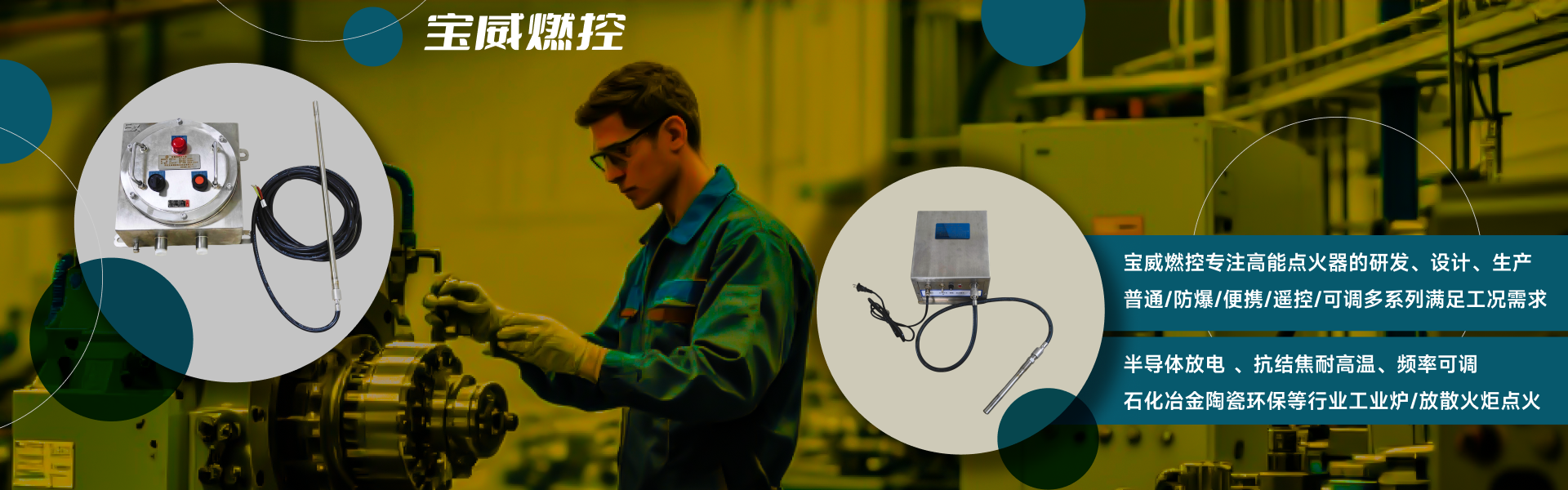
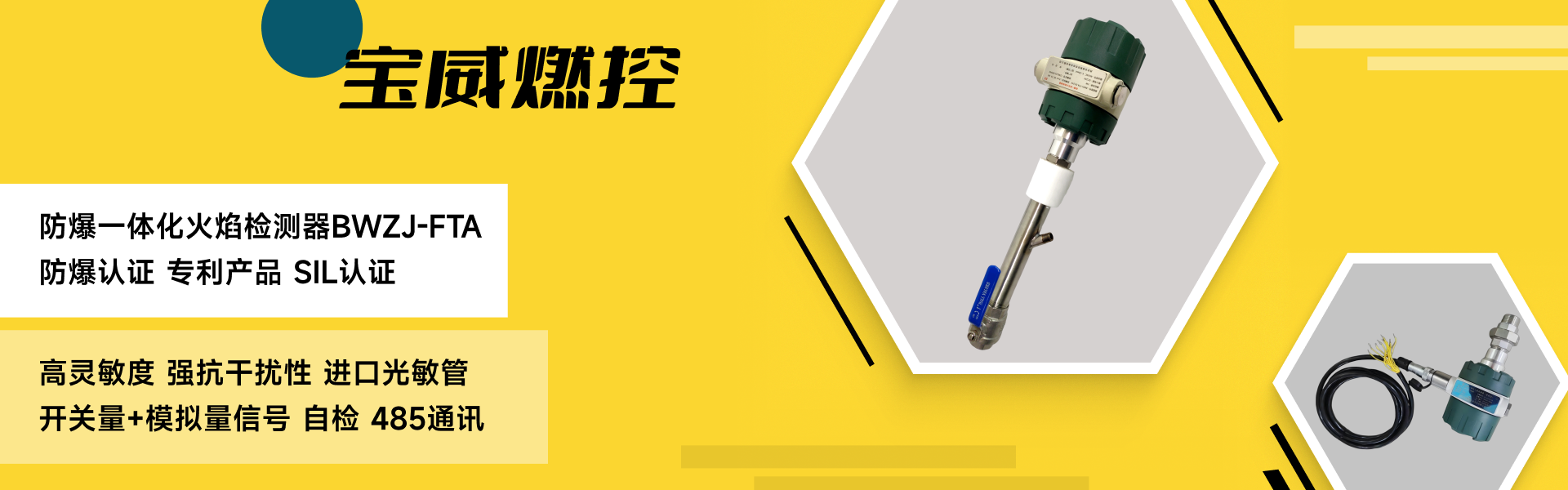
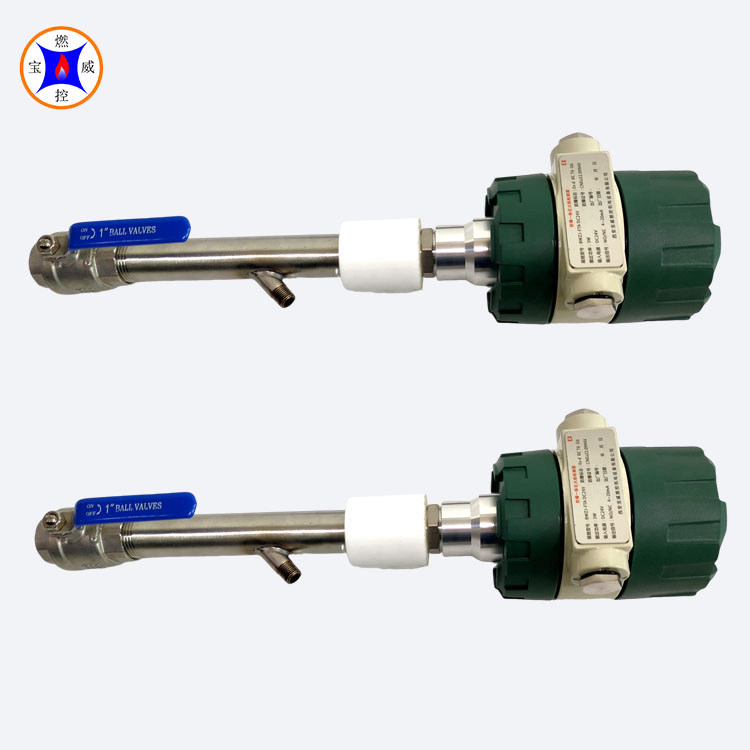
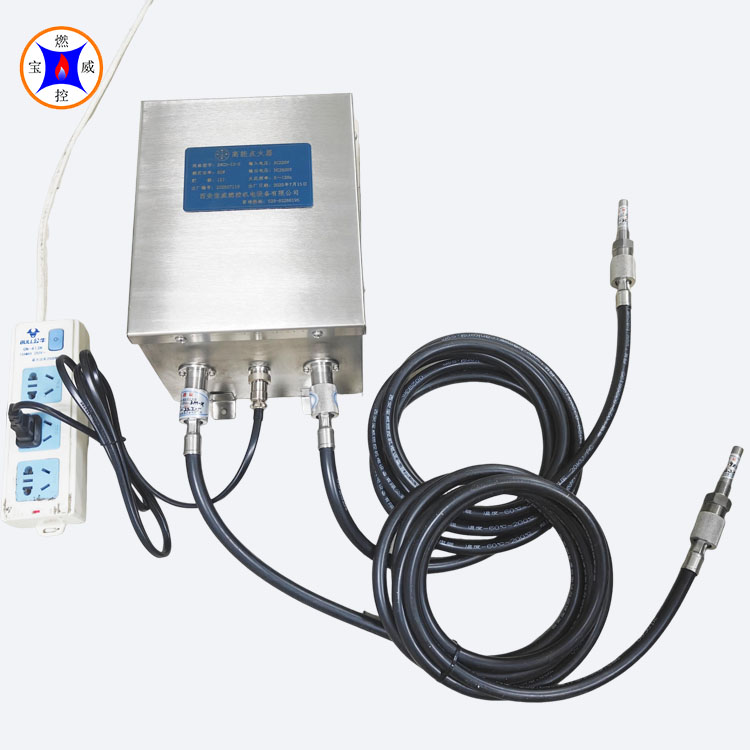
High-Energy Igniters, Flame Detectors, Extinguishing Dete...

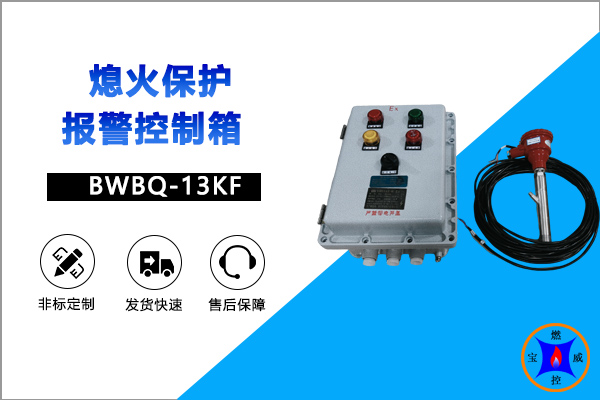
Installation and maintenance of industrial fire extinguishing protection alarm devices should pay attention to the following issues:
Installation Precautions
• Installation Location
◦ Detectors should be installed near the flame and in a position that allows for accurate flame monitoring, avoiding areas prone to obstruction or interference from air currents. For instance, in the case of a boiler's shutdown protection alarm, the detector is typically installed near the burner to promptly detect the status of the flame.
Keep the equipment away from environments with high temperatures, humidity, and corrosive gases, as these conditions may affect the performance and lifespan of the device. For instance, avoid installing the equipment near steam pipes or chemical storage areas.
• Wiring Connections
Ensure wiring according to the device's manual, ensuring secure connections to avoid issues like loose connections or short circuits. Use standard-compliant wiring and protect it with conduits to prevent damage.
◦ Power lines and signal lines should be laid separately to avoid interference with each other. Additionally, proper grounding is essential, with the grounding resistance meeting the requirements of the equipment to ensure its stable operation.
• Compatibility with other equipment
When installing, consider the coordination of the device with other equipment, such as interlocked control with the fuel supply system and ventilation system.
Maintenance Precautions
• Regular inspections
Regularly inspect the equipment for any signs of damage, dirt, or corrosion on components such as detectors and alarms. If dirt is found, it should be cleaned promptly; if damage is detected, components should be replaced immediately.
◦ Inspect for loose wire connections; tighten as necessary. Also, check for proper grounding and the performance of the device.
• Feature Testing
◦ Conduct functional tests of the equipment at the prescribed intervals, simulating scenarios where the flame is extinguished, to verify if the device can promptly emit alarm signals and trigger corresponding protective actions, such as cutting off fuel supply.
◦ Test the sensitivity of the detector, which can accurately detect subtle changes in flames. If a decrease in detector sensitivity is detected, it should be adjusted or calibrated promptly.
• Cleaning and Calibration
Regularly clean the probe of the detector to prevent dust, oil, and other contaminants from adhering to the probe, which may affect its flame detection performance. Use a clean soft cloth or specialized cleaning tools to avoid damaging the probe during cleaning.
Regular calibration of the探测器, in accordance with the usage and instructions manual, ensures their measurement accuracy and reliability.


b2b.china9.net © Zhongshang 114 Hebei Network Technology Co., Ltd.Address: Room 6009, Oriental New World Center, No.118 East Zhongshan Road, Qiaoxi District, Shijiazhuang City, Hebei ProvincePlatform Service Hotline: 4006299930