High-Energy Igniters, Flame Detectors, Extinguishing Dete...

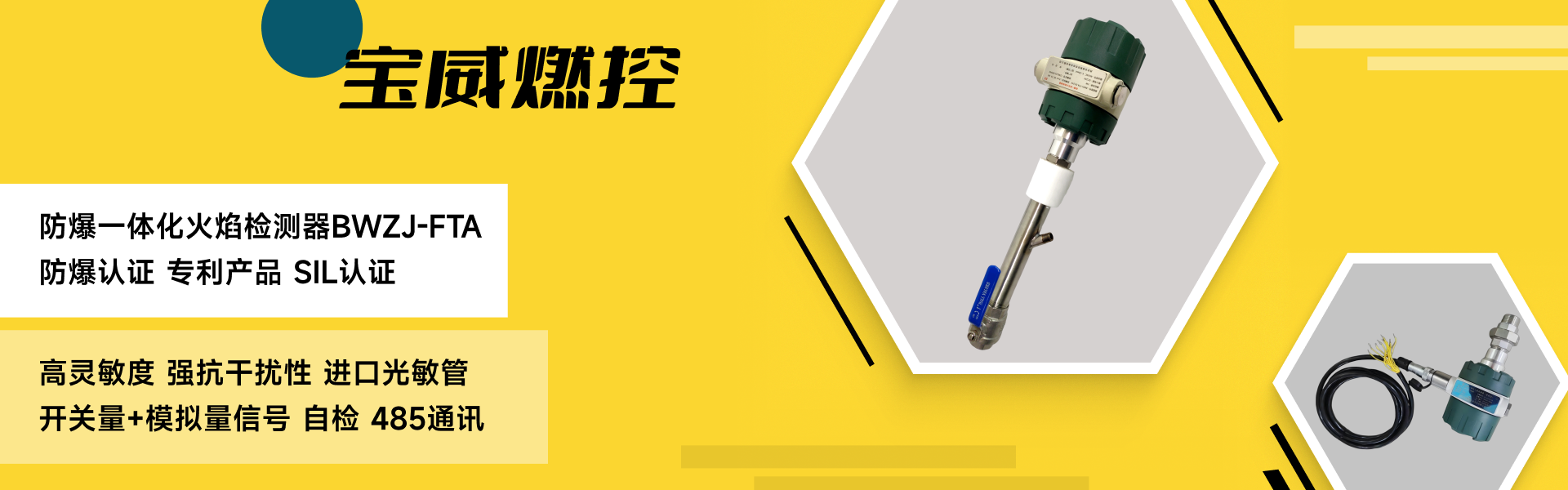
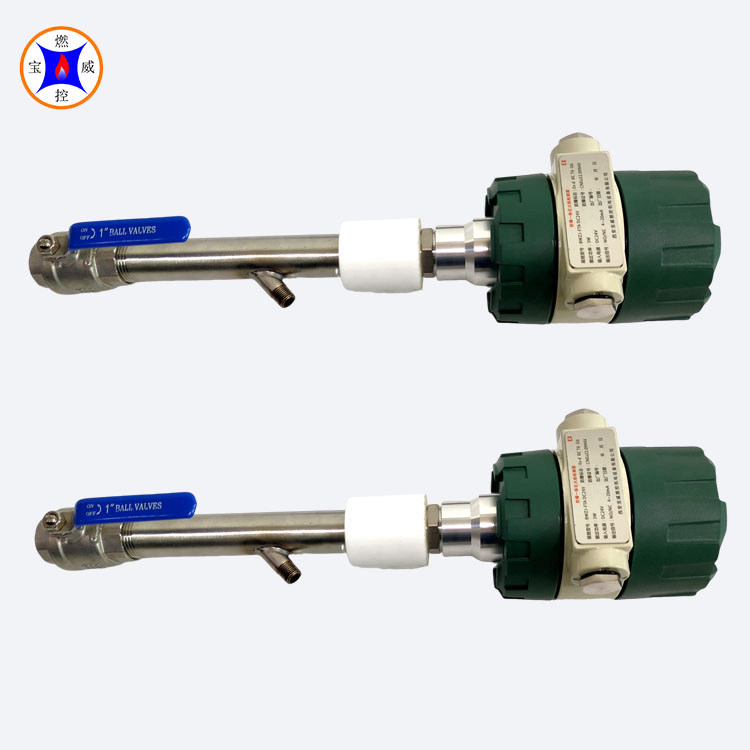
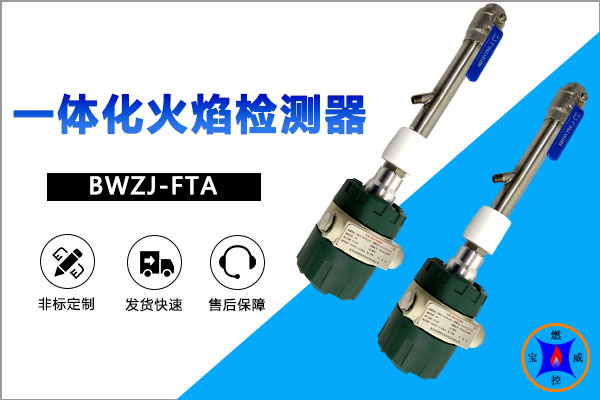
Integrated Flame DetectorBoth integral flame detectors and split-type flame detectors play a crucial role in flame monitoring and protection in industrial combustion systems (such as boilers, kilns, gas turbines, etc.), but there are significant differences in their structural design and functional implementation. The integral flame detector integrates the core detection element, signal processing unit, interface circuit, and other components within a single housing, while the split-type separates the detection probe from the signal processing main unit (usually connected by cable). Compared to the split-type, the advantages of the integral flame detector are mainly reflected in the following aspects:
One: Enhanced convenience in installation and deployment
Reduce Cabling and Space Needs: The integrated design eliminates the need for a separate signal processing host, requiring only the detector to be installed directly at the detection point near the flame (such as near the burner). This significantly reduces the length and number of connection cables, especially suitable for spaces with limited room or challenging wiring (such as small boilers, compact combustion equipment).
Streamlined Installation Process: While split-type systems require separate mounting of probes and the main unit, along with complex cable connections and tuning (such as anti-interference shielding), integrated devices need only a single installation and positioning, reducing installation complexity and labor costs, and shortening deployment cycles.
Enhanced anti-interference capability
Reducing Signal Transmission Loss: In the split-type design, the flame signals (such as ultraviolet, infrared, or visible light) collected by the probe need to be transmitted through cables to the main unit. Long-distance transmission may lead to signal attenuation or electromagnetic interference (such as electromagnetic radiation from motors, inverters, and other equipment), affecting detection accuracy. In the integrated design, signal processing is completed locally, avoiding interference during transmission, resulting in higher detection stability.
Adapting to Harsh Conditions: The housing of integrated detectors is typically made from high-temperature and corrosion-resistant materials (such as stainless steel), allowing direct tolerance to extreme heat, dust, moisture, and other harsh environments in the combustion area. In contrast, if the protective measures for modular probes are insufficient, they are prone to signal distortion due to environmental influences.
Three: Faster Response Time
Low Signal Processing Latency: The detection elements of the integrated devices (such as photoelectric tubes, infrared sensors) are directly integrated with the signal processing circuit, eliminating the need for cable transmission. This reduces signal conversion and transmission latency, enabling faster identification of flame presence, extinguishing, or abnormal states (such as flame flickering, tilting).
Enhancing Protection Efficiency: In industrial combustion systems, abnormal flame occurrences (such as sudden extinguishing) can lead to gas leaks and trigger accidents. The rapid response of integrated detectors can shorten the time for interlock protection actions (such as cutting off gas valves, initiating alarms), enhancing system efficiency.
Lower maintenance costs
Reducing Points of Failure: The split probe, cable, and main unit are independent components, and any failure at any point (such as cable aging, loose connections, or main unit circuit issues) can affect the detection function; however, an integrated design reduces the number of connecting parts, minimizes failure points, and lowers maintenance frequency and complexity.
Ease of Replacement and Calibration: In the event of a failure in the integrated detector, it can be replaced as a whole without the need for individual adjustment of the probe and host match; the calibration process is also simpler (partial equipment supports online calibration), reducing downtime for maintenance.
Five: More Flexible Application Scenarios
Compact Design for Small Equipment: The integrated detector's design is more suitable for installation on small boilers, gas water heaters, and industrial furnaces with limited space, whereas the separate host and wiring may be restricted by space limitations.
Portable or Temporary Combustion Equipment: Integrated detectors can be quickly integrated into portable combustion equipment for temporary heating or field operations, eliminating complex wiring and enhancing ease of use.
Summary
Integrated flame detectors, with their integrated design, outperform modular counterparts in terms of ease of installation, interference resistance, response speed, and maintenance costs. They are particularly suitable for industrial combustion scenarios with limited space, harsh environments, or high performance requirements. However, modular systems still have advantages in certain situations (e.g., when the detection point is far from the control room, requiring long cable signal transmission). The actual selection should be based on specific application needs and a comprehensive consideration.


b2b.china9.net © Zhongshang 114 Hebei Network Technology Co., Ltd.Address: Room 6009, Oriental New World Center, No.118 East Zhongshan Road, Qiaoxi District, Shijiazhuang City, Hebei ProvincePlatform Service Hotline: 4006299930