

Product Details

Manufacturing, processing, and sales of chemical production equipment, metal structural components, and mechanical parts; metal processing; sales of pressure vessels.


价 格Negotiable
最小起订1 Piece库存100 Piece
 Business Card
Negotiable

Negotiable

Negotiable

Negotiable
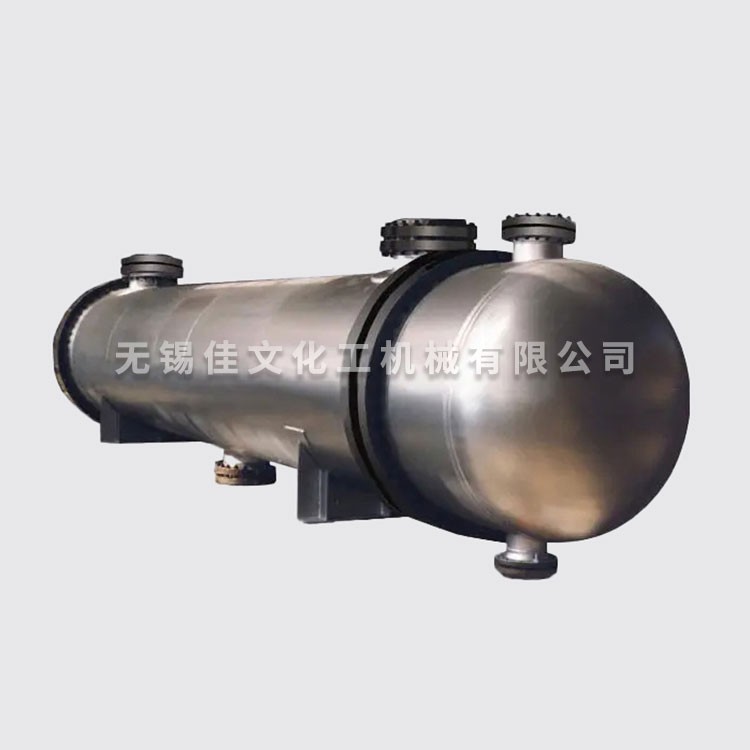 Heat Exchanger
Negotiable
Heat Exchanger
Negotiable
 Distillation Tower
Negotiable
Spiral Plate Heat Exchanger
Negotiable
Distillation Tower
Negotiable
Spiral Plate Heat Exchanger
Negotiable
 Stainless Steel Reactor
Negotiable
Stainless Steel Reactor
Negotiable
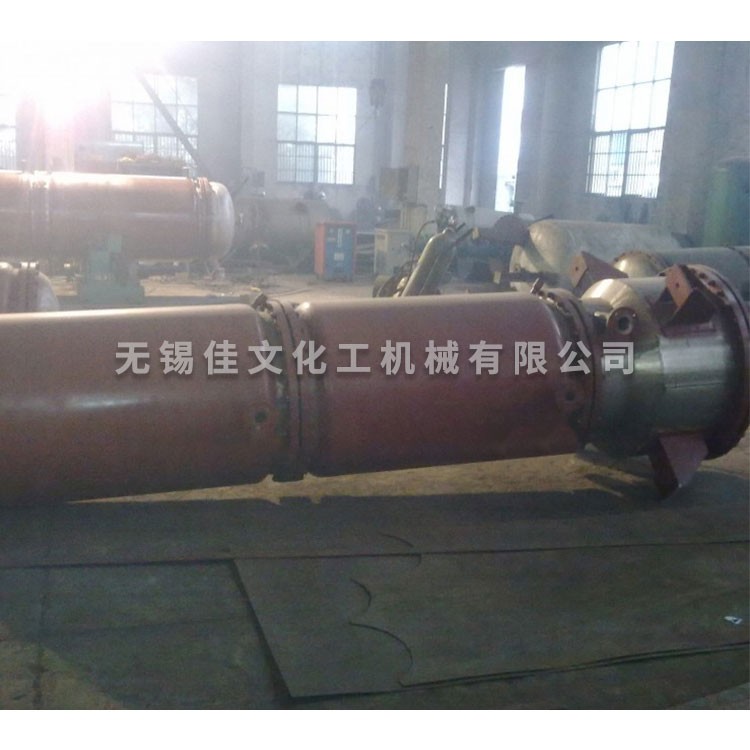 Screw Evaporator
Negotiable
Screw Evaporator
Negotiable
 Fractionating column
Negotiable
Copper Red Reactor
Negotiable
Heat Exchanger
Negotiable
Fractionating column
Negotiable
Copper Red Reactor
Negotiable
Heat Exchanger
Negotiable
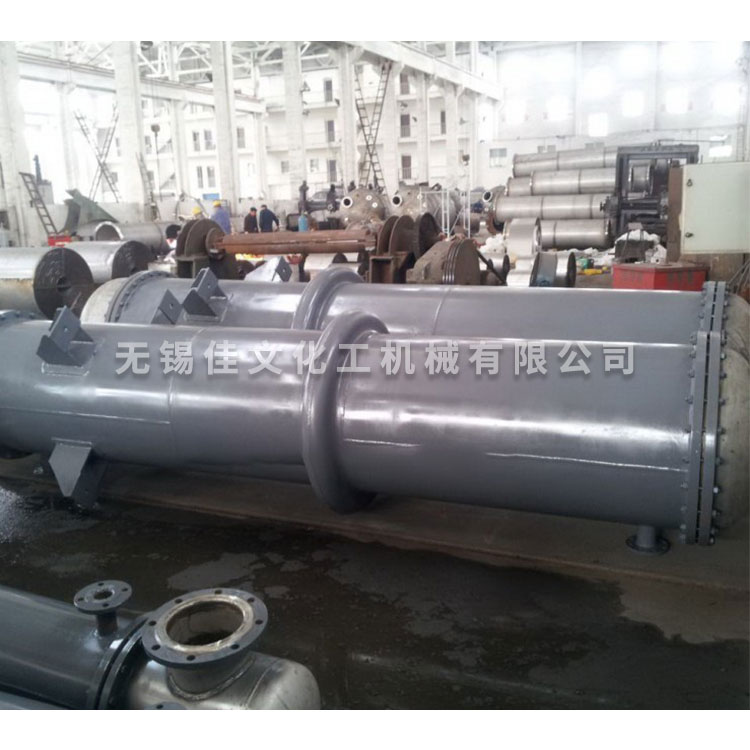 Shell-and-tube Condenser
Negotiable
Shell-and-tube Condenser
Negotiable
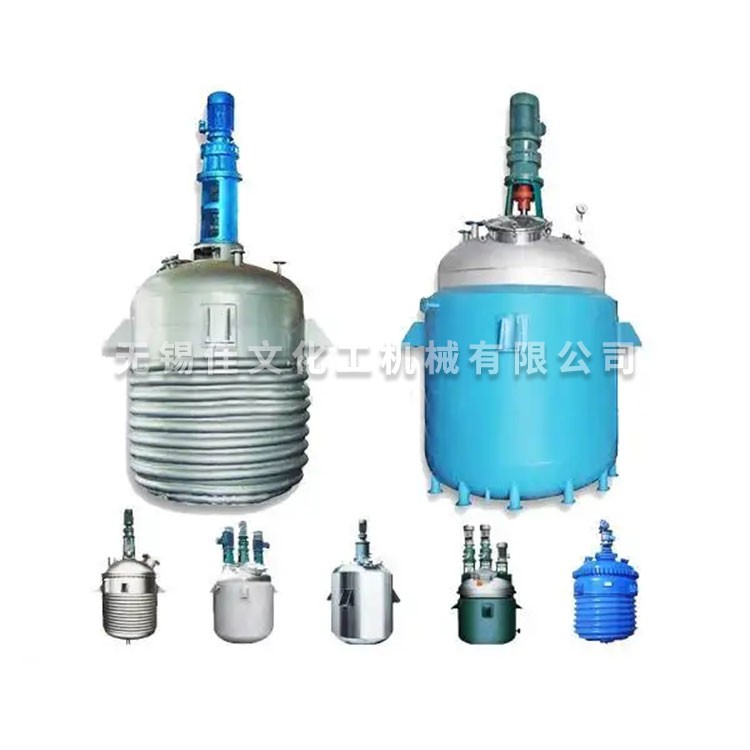 Ssquared jacketed reactor
Negotiable
Ssquared jacketed reactor
Negotiable
Application Range: This equipment performs evaporation concentration under vacuum and low temperature conditions, featuring high evaporation capacity, low energy consumption, low operation costs, and maximum retention of the material's original properties.
Application Range
This equipment evaporates and concentrates under vacuum and low-temperature conditions, featuring high evaporation capacity, low energy consumption, and low operating costs, while also maximizing the retention of the original color, aroma, flavor, and active ingredients of the material. It is widely used for the concentration of water solutions such as milk, glucose, oligosaccharides, sorbitol, fruit and vegetable juices, and has found extensive application in the evaporation and concentration of water solutions and organic solvent solutions in many industries, including food processing, deep grain processing, beverage, light industry, environmental protection, and chemical engineering.
Operating Principle
Material is added to the upper part of the heating chamber and flows downward in a film-like state after distribution by the liquid distributor. Inside the pipe, it is heated and vaporized. The vaporized steam, along with the liquid, is extracted from the bottom of the heating pipe and, after gas-liquid separation, the concentrated liquid is obtained.
During the operation of this equipment, due to the short residence time of the material (about 5 to 10 seconds) and its high heat transfer coefficient, it is widely used for heat-sensitive materials. It can also be used for materials with high evaporation viscosity, but is not suitable for treating solutions that are prone to crystallization.
Material dilute solution is pumped into the inlet of the efficiency circulation pump, then pressurized by the pump and fed into the feed chamber at the top of the efficiency evaporator through a preheater. It is then heated in the tubes and evaporated before entering the separation chamber. Gas and liquid are separated here, with the solution flowing back into the pump inlet from the bottom. The solution is recirculated through the preheater, feed chamber heating tubes, and separation chamber for continuous flow and evaporation. The evaporated steam enters the separator from the side of the separation chamber to further separate liquid droplets carried by the steam. The separated liquid returns to the separation chamber from the bottom, while the clean secondary steam exits and is condensed entirely in the condenser. A branch from the circulation pump outlet sends the solution back to the feed chamber of the first effect, where the operation is similar to the second effect. The steam from the first effect is used as heating steam. The heating steam for the first effect is supplied directly from the boiler, with the condensate returned to the boiler house. Additionally, a branch from the pump outlet discharges the concentrated liquid, with the discharge amount adjusted to maintain the concentration of the discharge fluid.
3. During the countercurrent operation of the triple-effect falling film evaporator, the outlet of the concentrated solution is located at the first effect, with a higher temperature than the other effects. This can reduce the viscosity of the solution, benefiting the concentration of higher concentration solutions and result in a 75% concentrated solution.
4. All evaporators are equipped with level controllers, which, in conjunction with imported piping control valves, maintain a constant liquid level. The boiler steam supply line is fitted with control valves, regulated by sensors and pressure controllers for the first-effect heating steam pressure to ensure a steady pressure. The condensed water from each effect is collected into a condensate tank, which is fitted with a level controller to regulate the evaporator level in line with the outlet pipe of the discharge pump to the specified height.

Phone Consultation