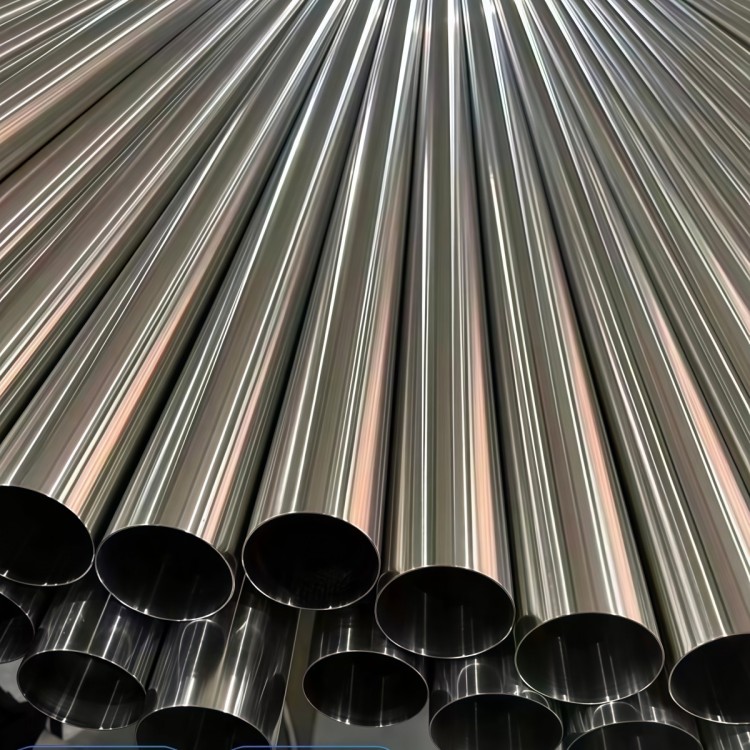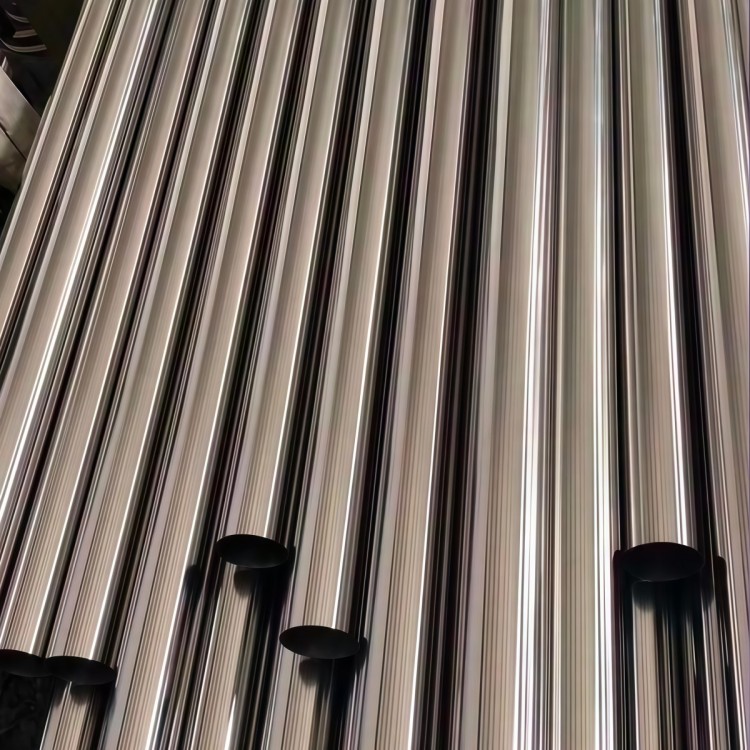
Stainless Steel EP Tube, Stainless Steel BA Tube, Stainless Steel Clean Tube, Sanitary Grade Stainless Steel Pipe
13362755567
Analysis of Market Demand and Supply for Stainless Steel BA Pipes and Sanitary Pipes Affecting Prices
I. Product Positioning and Market Overview
Basic definitions and distinctions
BA Tube (Bright Annealed Tube)
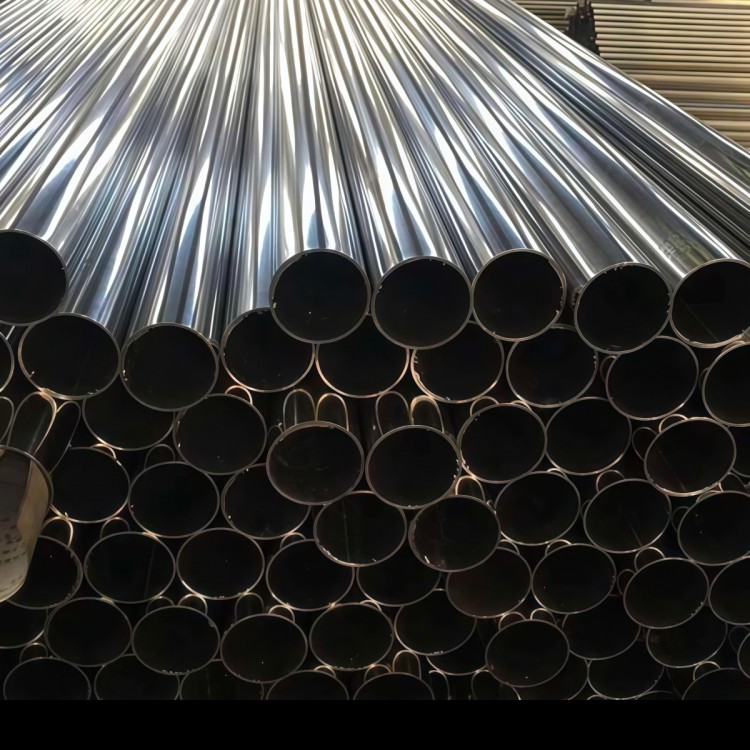
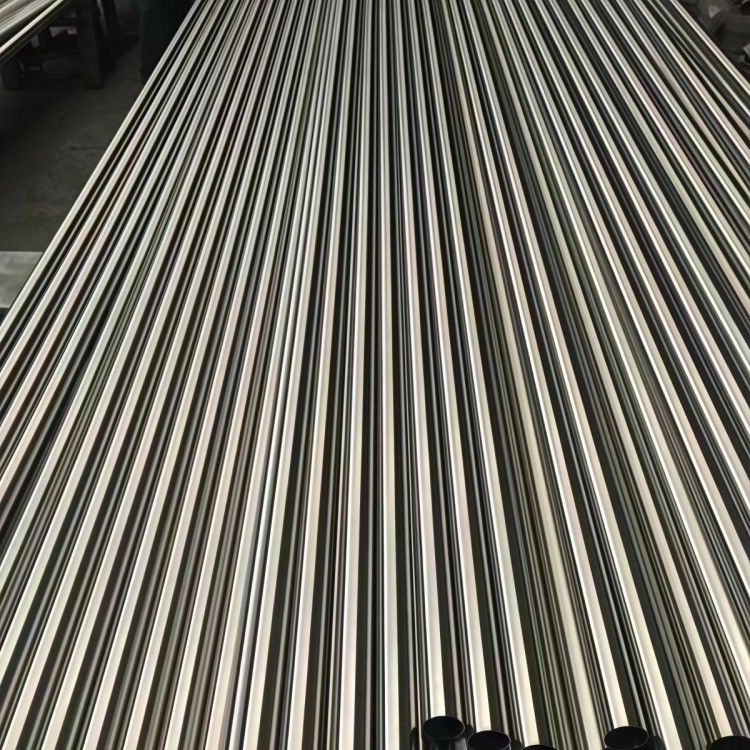
Bright annealing treatment, with a mirror-like surface finish, thin oxide layer, minimal impurities, and high cleanliness.
Primarily used in the food and beverage, pharmaceutical (non-direct blood contact), and high-purity gas transportation industries.
Price Range: Φ10×0.8mm models are approximately 45 RMB/meter, with mainstream specifications (outer diameter of 6-50mm) averaging 28-45 RMB/meter.
Sanitary Pipe
Engineered specifically for high-purity industries, our design ensures smooth interior walls with no dead corners, easy cleaning, non-release of harmful substances, and resistance to high-temperature sterilization.
Our products are strictly manufactured in compliance with ASTM A240/A269/A270, 3A standards, predominantly utilizing 304/316L materials.
Primarily applied in biopharmaceuticals (accounting for over 40%), food processing, and cleanroom electronics manufacturing.
Price Range: High-end seamless pipes up to 19,500 yuan/ton, standard models approximately 3,800 yuan/ton
2. Market Size and Growth
Sanitary Pipe Market:
The Chinese market reached 387.6 billion yuan in 2024, marking an 8.3% increase year-on-year.
Annual production capacity is approximately 1.85 million tons (East China: 49.7%, South China: 25.9%, North China: 24.4%), with demand at about 520,000 tons, and a capacity utilization rate of 78.3%.
The demand in the pharmaceutical and healthcare sector is expected to reach 900,000 tons by 2025, with an annual growth rate of 20%.
BA Market Management
Global market sales are projected to reach 340 million yuan by 2025, with an annual growth rate of 4.8%.
China accounts for approximately 44% of the global market share, making it a major consumer country.
The core mechanism of supply and demand's impact on prices
Supply-side impact
Supply Factors, Trending Changes, Price Impact, Typical Cases
Capacity Release: New Production Capacity, Downward Pressure on Prices; Sanitary Pipe Capacity at 1.85 million tons, Demand at 520,000 tons, Significant Surplus
Production Rates and Environmental Restrictions/Overhauls Reduce Supply, Leading to Price Increases: The steel industry's environmental policies have caused short-term supply shortages, with prices rising by 5-8%.
Inventory Levels High; Seamless Tube Inventory Up Year-Over-Year, Manufacturers Lack Confidence in Price Hikes
Import volume increases, import prices decline, and price competition intensifies. High-end BA pipes are partly dependent on imports, with the drop in import prices driving down domestic prices.
Production Costs Rise: Raw Material Price Surge Leads to Cost Transmission and Price Increase; Nickel Price Fluctuations Affect Stainless Steel Pipe Costs by 12-18%
2. Demand-side Impact
Demand Factors, Trend of Change, Price Impact, Typical Cases
Industry vitality in downstream sectors; pharmaceuticals and food industries expanding; demand growth and rising prices; biopharmaceutical industry expansion drives a 20% increase in demand for hygienic piping.
Regulatory Changes, Increased Food Safety Standards, and Growing Demand for Equipment Upgrades: GMP Certification Upgrade Promotes Widespread Adoption of Sanitary Stainless Steel in Pharmaceutical Equipment
Seasonal demand surges during peak seasons (March to May, September to November) lead to a price increase of 5-10%. The peak season in the food and beverage industry drives up pipeline demand.
Alternative Materials Competition, Breakthrough in Plastic Pipe Technology, Demand Diversion, Price Under Pressure; Partial Replacement of Stainless Steel in Civil Construction Pipeline Fields
The specific manifestation of supply and demand affecting prices
Price Fluctuation Characteristics
Periodic Fluctuations: Highly Correlated with Macroeconomic Cycles and Downstream Industry Investment Cycles
Seasonal Fluctuations: Peak Season Prices Increase by 5-10%, Off-Peak Season Prices Decline
Regional Variations: The Wuxi market (national distribution hub) has prices 2-3% lower than inland areas, while the South China region is 500-800 yuan/ton higher than Wuxi.
Speculative Price Differences: Smaller diameter thin-walled pipes (6-50mm) show significant premiums, while larger diameter tubing prices remain relatively stable.
Case Study on Imbalance Between Supply and Demand
Case One: Excess Capacity and Price Competition in Sanitary Pipe Production
Current situation: National production capacity is 1.85 million tons, with an annual demand of only 520,000 tons, and a capacity utilization rate of 78.3%.
Impact: Intense price war for mid-to-low-end products, profit margins compressed to 5-8%.
Responding: Companies pivot to high-end markets (such as EP tubes) or offer value-added services (welding, surface treatment)
Case Two: BA Tube's High-End Market in a Tightly Balanced Supply and Demand Situation
The current situation is that the production capacity of high-end BA tubes (such as electronic-grade) is limited, while the demand is steadily increasing.
Impact: Prices remain relatively stable, with strong premium capability and profit margins sustained at 15-20%.
Distinctive Feature: Significant price differences across channels; purchasing the same specification through different channels can result in a price discrepancy of up to 23%.
Case 3: Raw Material Price Fluctuations Trigger a Chain Reaction
Event: Significant Increase in Nickel Prices (e.g., 2022 Indonesia Export Restrictions)
Impact: Cost of 304/316L stainless steel increases, BA pipes and sanitary pipes see price hikes of 12-18%.
Result: Downstream customers are compressing orders or seeking alternative materials, leading to a short-term decline in demand.
Section 4: Outlook on Supply and Demand Structure and Price Trend
Short-term Trends (6-12 months)
BA Market Insights: Supply and demand largely balanced; prices mainly stable with a fluctuation of ±3%, affected by seasonal factors.
Sanitary Pipe Market: Overt supply pressure persists, with prices slightly declining (-5%), while high-end product prices remain relatively stable.
2. Mid-to-long-term trends (1-3 years)
Structural Differentiation:
Low-end BA Tube / Sanitary Pipe: Overcapacity Intensifies, Prices Under Continuous Pressure, Some Companies Withdraw
High-end Products (Electronic Grade / Pharmaceutical Grade): Tightly balanced supply and demand, prices stable with slight upward trend (+3-5% per year)
Cost-Driven: Price Fluctuations of Raw Materials like Nickel and Chromium Remain Key Factors Influencing Prices
Demand Upgrade: TIGHTENED FOOD SAFETY REGULATIONS, BIOPHARMACEUTICAL EXPANSION, AND ELECTRONIC INDUSTRY UPGRADE TO SUPPORT GROWTH IN HIGH-END DEMAND
V. Comparison Table of Price Influencing Factors
Influencing Factors: BA Pipe Price Sensitivity, Sanitary Pipe Price Sensitivity, Reasons for Differences
Raw material prices are high, ranging from ±8-10% and ±10-12% respectively, both depending on high-end stainless steels such as 304/316L.
Excess Production Capacity: Moderate (±5-7%), High (±8-10%); Sanitary Pipe Production Exceeds Demand Significantly (Capacity/ Demand Ratio 3.5:1)
Downstream demand for high-purity pipes is increasing (±5-8%) with a stronger reliance on high-growth industries such as pharmaceuticals and food.
Technological Barriers: Medium (±3-5%), High (±8-10%), with even higher production technology thresholds for premium-grade hygienic pipe, demonstrating strong premium pricing power.
Regional factors: Moderate (±2-3%); Moderate (±2-3%); Logistics costs have a similar impact on both product categories.
Six. Conclusion and Market Implications
Key Findings
Imbalance in supply and demand is the main cause of price fluctuations: excess capacity in hygienic pipe production has kept prices under sustained pressure, while the supply and demand for high-end BA pipes are relatively balanced, leading to more stable prices.
Significant structural differentiation: Low-end products are witnessing fierce price wars, while high-end products maintain premium pricing through technological barriers.
Cost Transmission Mechanism: Price fluctuations in raw materials, particularly nickel, are rapidly passed on to end products, affecting them by 10-15%.
Market Insights
Procurement Strategy: Purchases made during the off-season (June to August, December to February) are eligible for a 5-10% price discount; bulk purchases offer even greater negotiation room.
Product Selection: BA/EP Sanitary Pipes for Food & Beverage Industry Are Prioritized for Their Cost-Effective Performance
Investment Reference: Focus on high-end BA pipes and sanitary pipes, particularly in high-value-added niche markets such as electronic grade and pharmaceutical grade.
The market for stainless steel BA pipes and hygienic pipes is undergoing a transition from capacity expansion to structural optimization. The impact of supply and demand on prices will become more refined. Companies and buyers need to closely monitor industry capacity allocation, changes in downstream demand, and raw material market dynamics to grasp the trend of price changes.
Contact us

Service Hotline
13362755567
Company Telephone
13362755567

Address
Zhejiang Province, Longwan District, Wenzhou City
b2b.china9.net © Zhongshang 114 Hebei Network Technology Co., Ltd.Address: Room 6009, Oriental New World Center, No.118 East Zhongshan Road, Qiaoxi District, Shijiazhuang City, Hebei ProvincePlatform Service Hotline: 4006299930