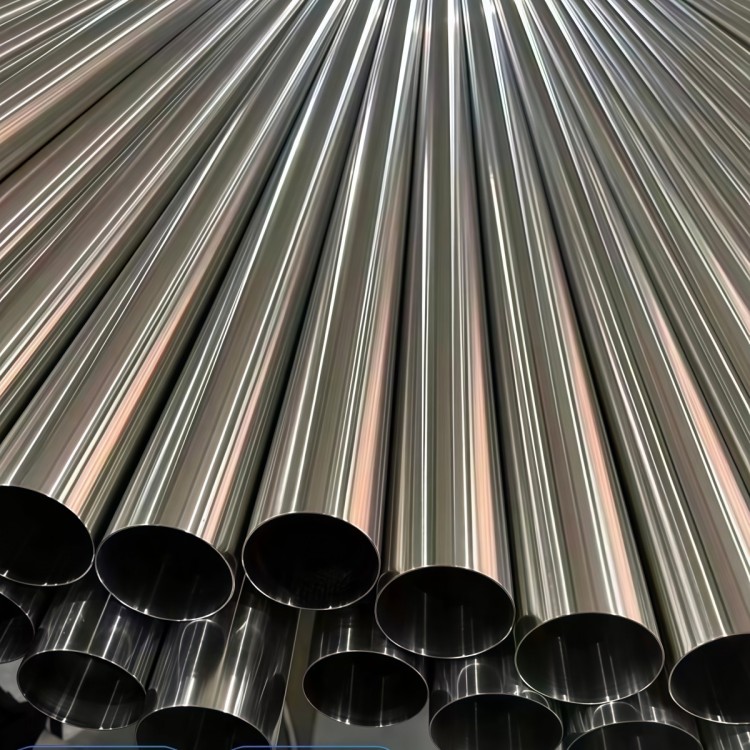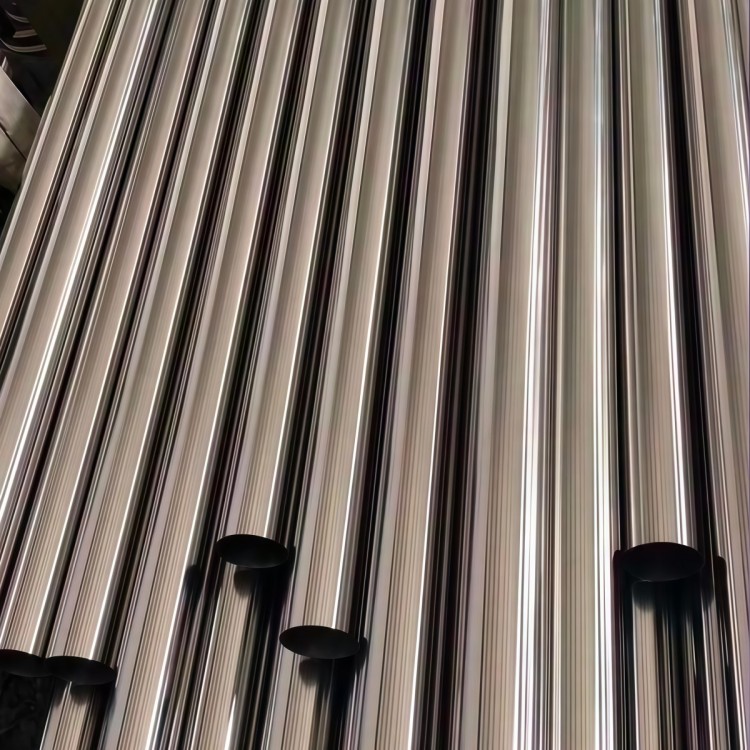
Stainless Steel EP Tube, Stainless Steel BA Tube, Stainless Steel Clean Tube, Sanitary Grade Stainless Steel Pipe
13362755567
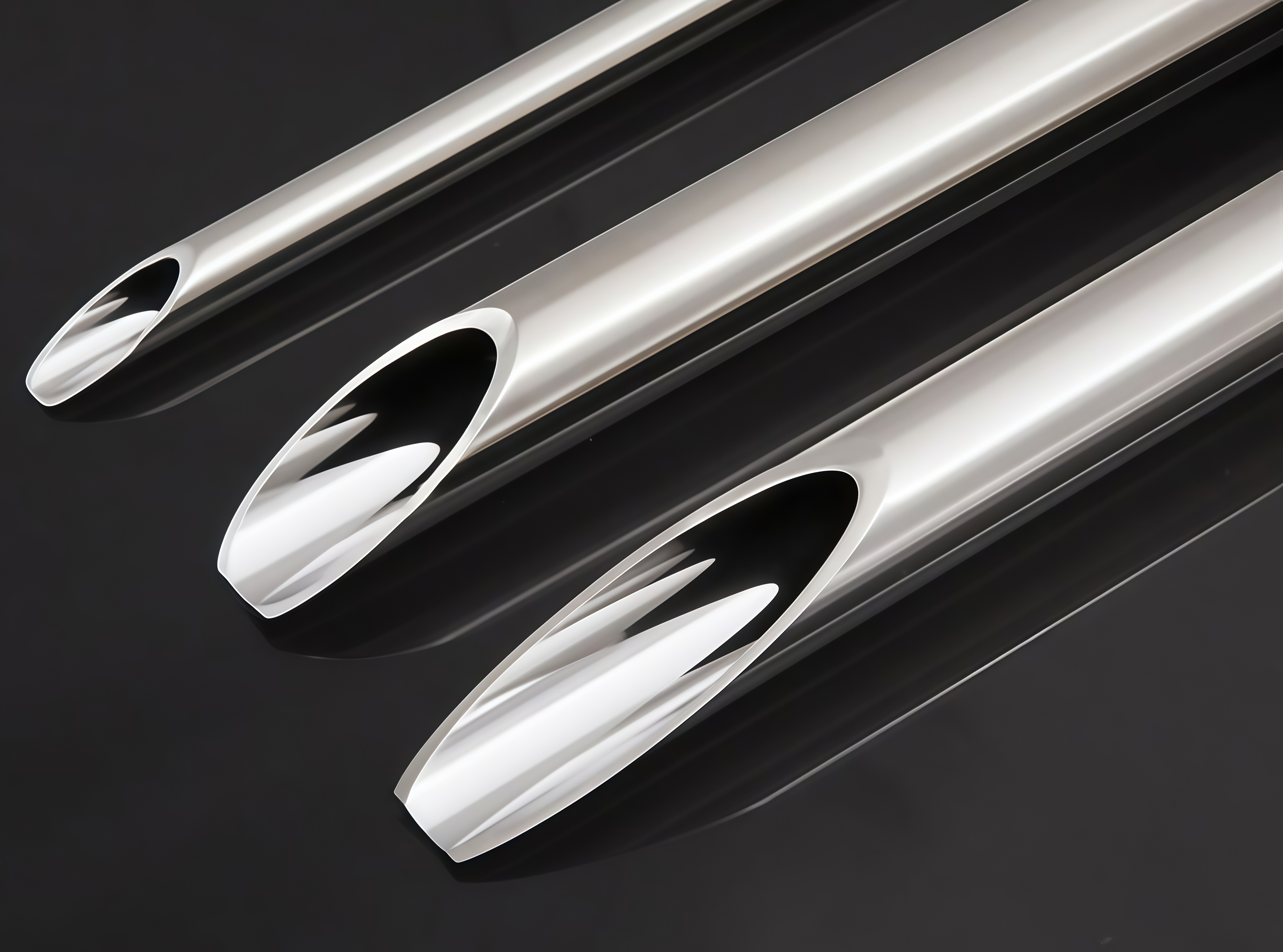
The electrolytic polishing (EP) process for stainless steel tubes is a precision treatment technology that applies electrochemical dissolution to the inner and outer surfaces of stainless steel tubes. Its core advantages are concentrated in key dimensions such as surface quality, corrosion resistance, cleanliness, and process compatibility, particularly suitable for high-end industrial scenarios with stringent requirements for tube performance (such as semiconductor, pharmaceutical, chemical, food and beverage industries). Below is a detailed analysis of its core advantages:
Surface finish reaches ultimate smoothness, with superior microscopic morphology.
Ultra-smooth surface, Ra value achievable at the nanoscale.
The core principle of electrochemical polishing is "selective dissolution": The micro-protrusions on the surface of stainless steel, due to higher current density, are dissolved electrochemically first, ultimately forming a smooth, scratch-free, mirror-like or semi-mirror-like surface. The Ra value of common mechanical polishing typically ranges from 0.2 to 0.8μm, whereas electrochemical polishing can reduce the Ra value to 0.02 to 0.1μm (even lower), significantly surpassing the surface roughness of mechanical polishing.
Actual Value: Extremely low surface roughness reduces fluid flow resistance, preventing the adhesion of contaminants (such as particles, bacteria, medium residues) on the surface, particularly suitable for high-purity fluid transportation scenarios (such as semiconductor ultra-pure water, pharmaceutical injections).
No residual mechanical stress; high surface integrity
Mechanical polishing, which removes surface material through physical abrasion, can lead to residual compressive stresses on the surface, potentially causing stress corrosion cracking (SCC), especially in the weld areas of stainless steel welded pipes, where mechanical polishing often causes stress concentration around the welds. Electrolytic polishing, on the other hand, is a "chemical dissolution" process with no physical contact, thus not generating mechanical stresses. It also eliminates minor surface defects like scratches and oxidation scales, maintaining the integrity of the metallic substrate.
Actual Value: Prevent stress corrosion and extend the service life of piping materials in corrosive environments (such as chlorine-containing media, high-temperature and high-pressure fluids).
Corrosion resistance significantly improved, with superior passivation film quality.
Remove贫chromium layer, enhance passivation film density
After rolling, welding, and mechanical processing, the surface of stainless steel forms a "poor chromium layer" (thickness of a few to several nanometers), which has a lower chromium content than the matrix, leading to an incomplete passivation film and reduced corrosion resistance. During the electrolytic polishing process, the poor chromium layer is dissolved preferentially, while the alloy elements such as chromium and nickel in the matrix accumulate at the surface, forming a layer of uniform thickness and dense Cr₂O₃ passivation film (thickness up to 5~10nm).
Data-Driven Support: Electro-polished 316L stainless steel EP pipes exhibit corrosion resistance for over 2000 hours in neutral salt spray tests (NSS), significantly surpassing that of mechanically polished pipes (typically 500-1000 hours).
Eliminate surface defects, reduce corrosion sites
Mechanical polishing often results in microscopic defects such as scratches, pits, and burrs, which act as "erosion pathways" for corrosive agents (e.g., chloride ions, acid anions), leading to localized corrosion and crevice corrosion. Electrochemical polishing can completely remove these defects, ensuring a surface with no blind spots or indentations, thereby significantly reducing the likelihood of corrosion.
Application Scenario: Suited for corrosive medium conveyance in the chemical industry (such as strong acids, strong bases, organic solvents), and fluid pipelines in marine environments.
High purity, meeting stringent industry standards.
No secondary pollution; extremely low particle shedding.
During the mechanical polishing process, metal dust and abrasive residue are generated, and polishing agents may渗入 surface micropores, making them difficult to thoroughly clean. This leads to "particle shedding" in the pipes during use, contaminating the conveying medium. Electrolytic polishing, on the other hand, utilizes electrolytes (such as sulfuric acid systems), with the dissolved metal ions being排出 with the electrolyte, leaving no residual impurities on the surface. Additionally, the surface after electrolytic polishing is "inert," making it less prone to attracting pollutants.
Industry Compliant: Adheres to SEMI standards for the semiconductor industry, GMP standards for the pharmaceutical industry, and FDA standards for the food industry, suitable for highly clean applications such as ultra-pure water conveyance, pharmaceutical liquid filling, and food-grade fluid pipelines.
Uniformly treated on both inner and outer surfaces, no blind spots.
The inner surface of stainless steel tubes, especially long, thin-walled, or shaped tubes, is often difficult to reach with mechanical polishing, leading to uneven polishing or unpolished areas. Electrolytic polishing, with the circulation of the electrolyte, allows for simultaneous and uniform treatment of both the inner and outer surfaces of the tubes, ensuring consistent overall surface quality regardless of the tube's length or diameter.
Actual Value: Solves the technical challenge of surface treatment for stainless steel pipes over long distances, suitable for comprehensive clean environments such as chemical pipelines and medical devices (e.g., endoscope catheters).
Four: Strong process adaptability, high mass production efficiency
Adaptable to various stainless steel materials, with excellent compatibility.
Electrolytic polishing is suitable for various austenitic stainless steels such as 304, 316L, 317L, and 904L, as well as duplex stainless steels (like 2205) and high-end corrosion-resistant alloys such as Hastelloy. It is particularly effective for stainless steel materials with high chromium and nickel content, significantly enhancing their corrosion resistance potential.
Expanded Value: Capable of processing various types of stainless steel tubes, including welded tubes, seamless tubes, and precision capillary tubes, catering to diverse industrial needs.
High automation level, low cost of mass production
Electrolytic polishing enables automated production lines, achieving consistent surface treatment effects by controlling parameters such as electrolyte concentration, temperature, and current density, thus avoiding quality fluctuations caused by manual operation. For the mass production of stainless steel EP pipes, the unit processing cost of electrolytic polishing is lower than that of mechanical polishing (especially for long tubes and thin-walled pipes), and it boasts higher production efficiency (with a batch processing capacity of up to hundreds of pipes).
Economic Value: Reduces production costs for high-end stainless steel pipes while ensuring consistent product quality, suitable for large-scale industrial production.
Five: Aesthetic appeal and functionality combined
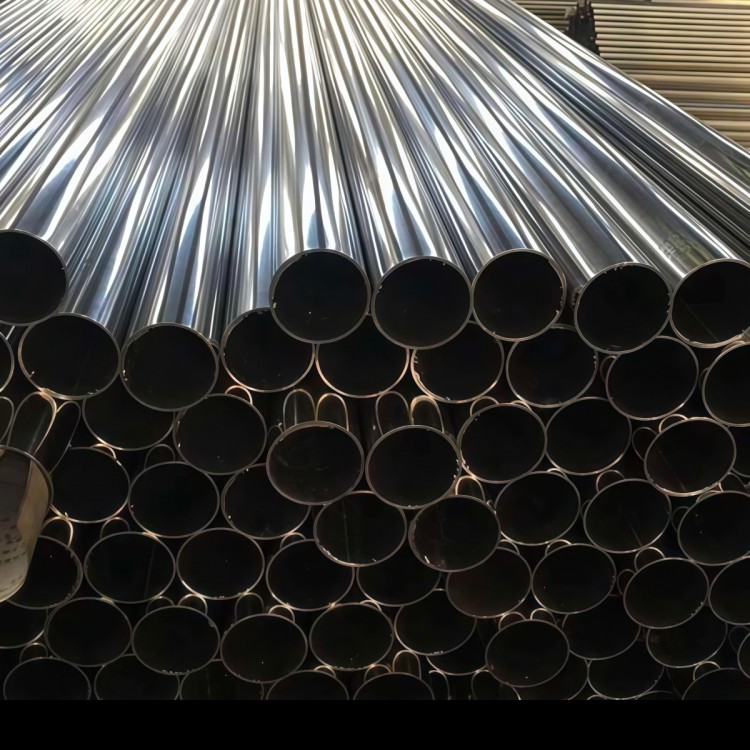
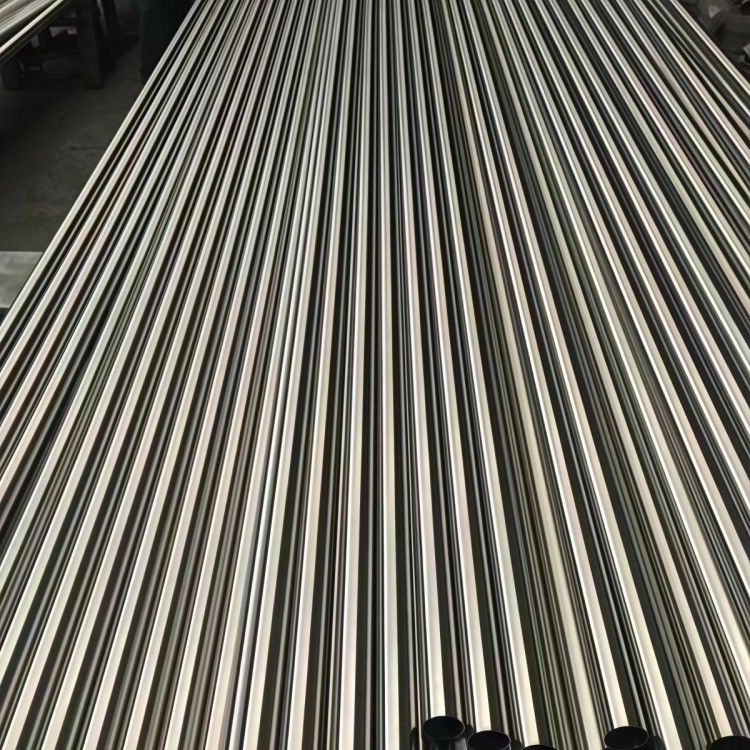
Electropolished stainless steel EP tubes feature a uniform mirror-like finish (can be adjusted to a semi-mirror finish upon request), eliminating the need for additional painting or electroplating. This not only preserves the natural metallic texture of stainless steel but also enhances the product's visual quality. Moreover, the smooth surface is easy to clean and resistant to scaling, reducing daily maintenance costs, and is particularly suitable for applications requiring both appearance and practicality, such as sanitary pipelines, medical devices, and high-end equipment accessories.
Summary: Core Value Positioning of Electrolytic Polishing Technology
The electrolytic polishing process for stainless steel EP pipes fundamentally achieves a multi-faceted enhancement in surface quality, corrosion resistance, cleanliness, and process efficiency through "electrochemical precision treatment." Its advantages are focused on solving the pain points of ordinary stainless steel pipes in high-end industrial scenarios, such as "corrosion, pollution, and uneven polishing." Compared to mechanical polishing, the core competitiveness of electrolytic polishing lies in "microsurface optimization" and "comprehensive performance improvement," making it the preferred processing technology for high-end stainless steel pipes in industries such as semiconductor, pharmaceutical, chemical, and food.
For a deeper understanding of the process parameters for electrolytic polishing (such as electrolyte composition and current density control), surface quality standards in different scenarios (such as Ra value requirements), or cost comparisons, analysis can be expanded based on specific application scenarios.
Contact us

Service Hotline
13362755567
Company Telephone
13362755567

Address
Zhejiang Province, Longwan District, Wenzhou City
b2b.china9.net © Zhongshang 114 Hebei Network Technology Co., Ltd.Address: Room 6009, Oriental New World Center, No.118 East Zhongshan Road, Qiaoxi District, Shijiazhuang City, Hebei ProvincePlatform Service Hotline: 4006299930