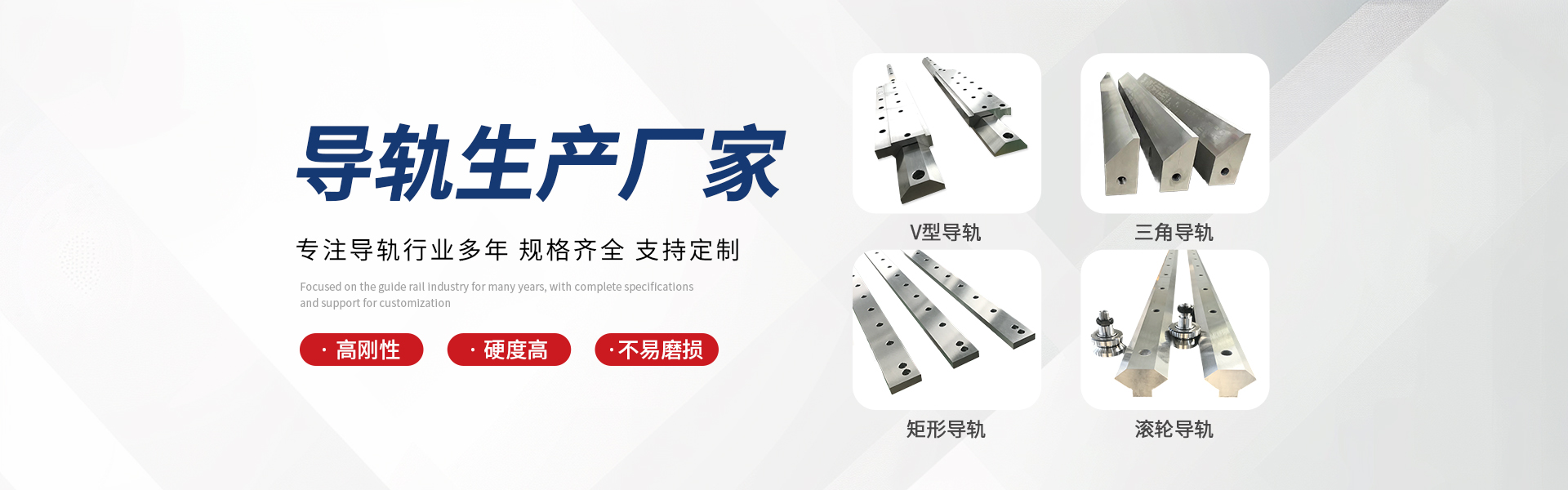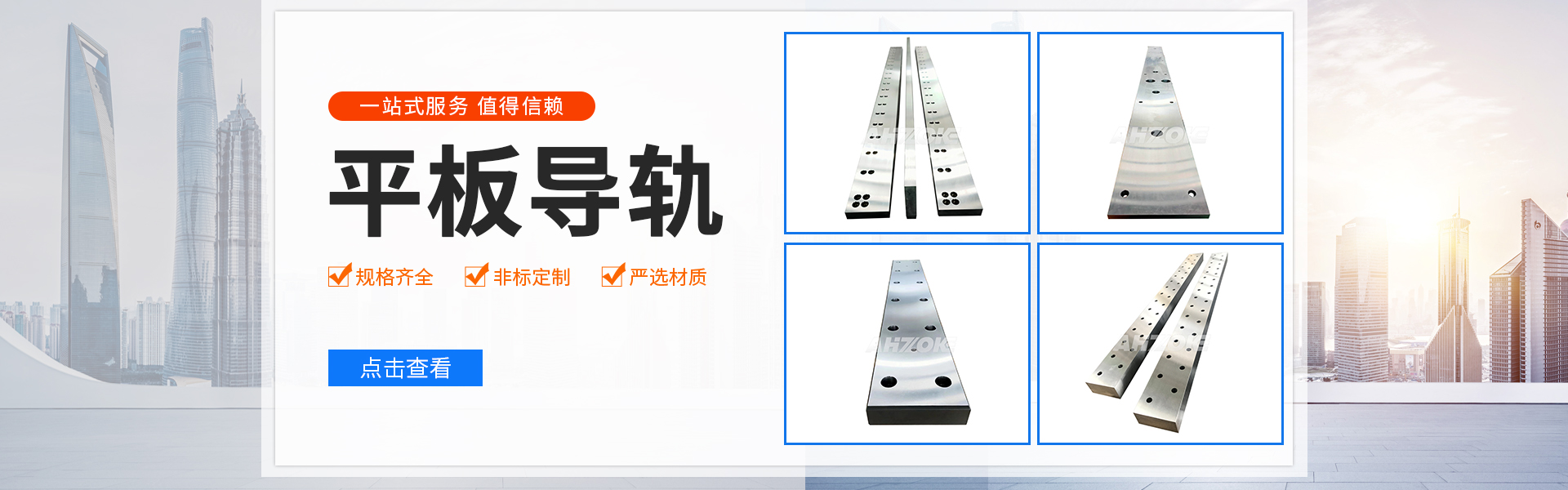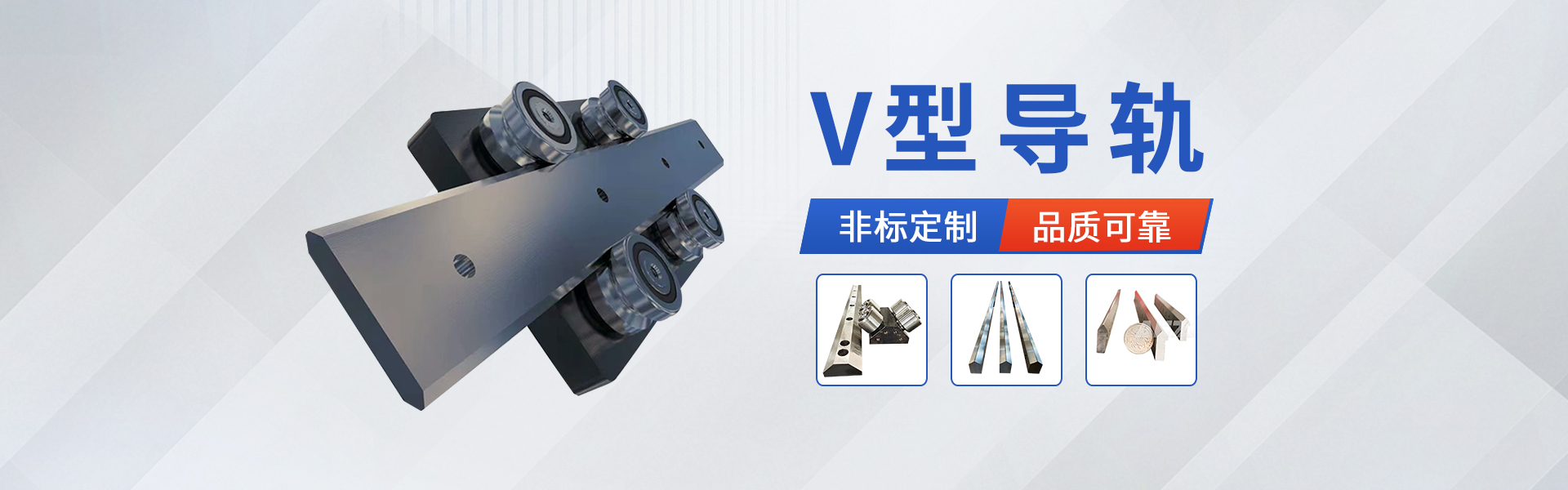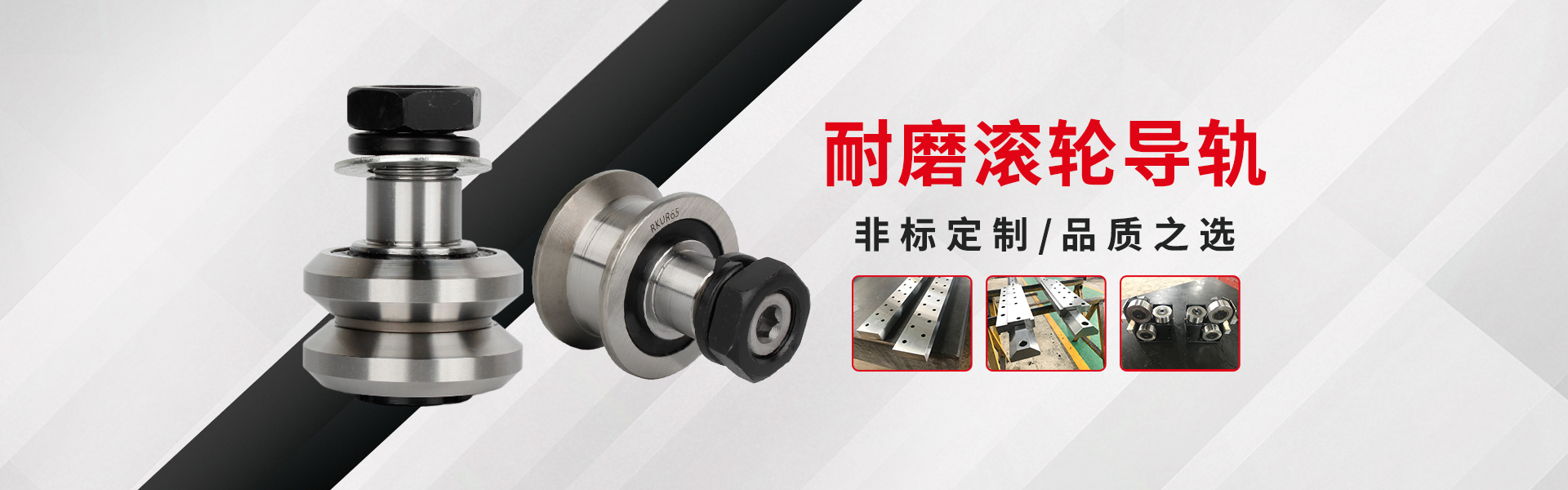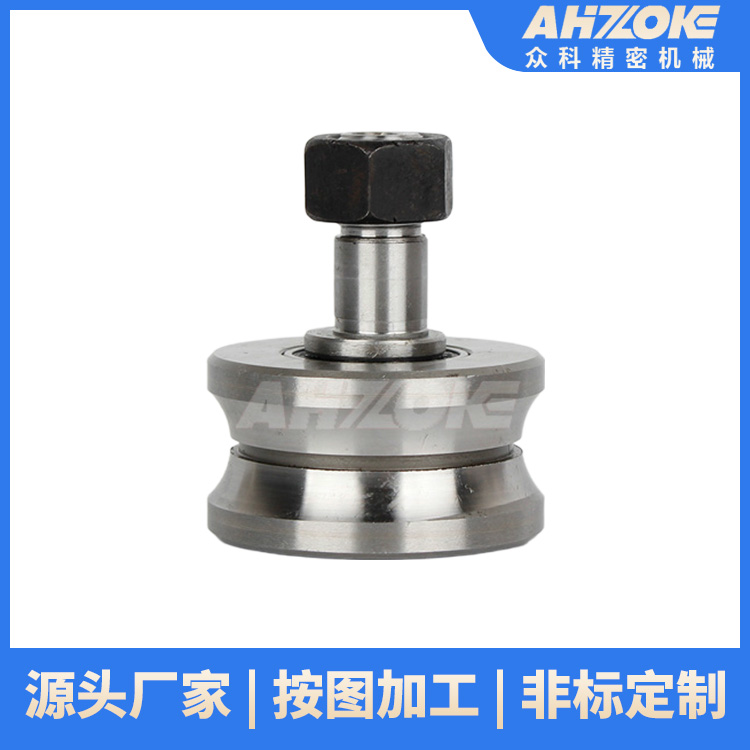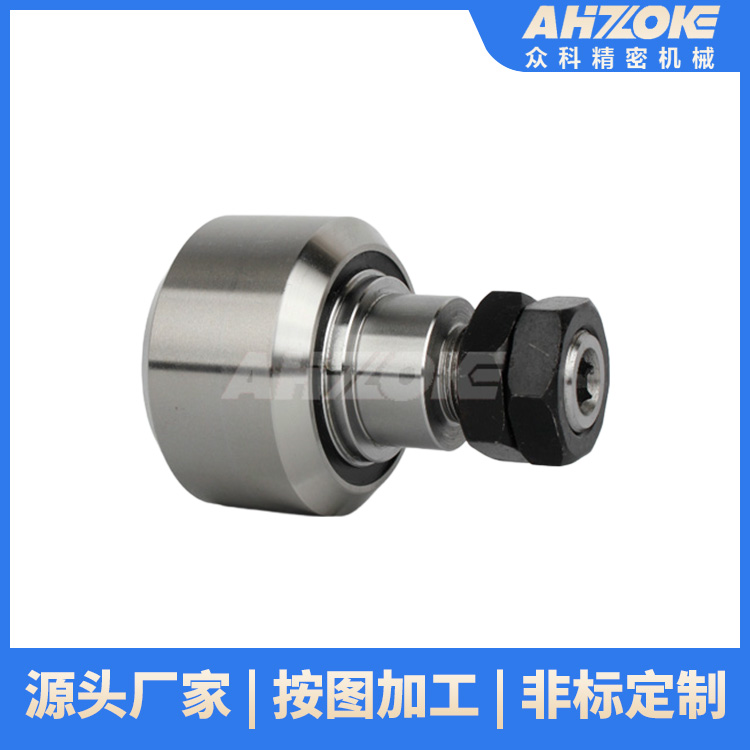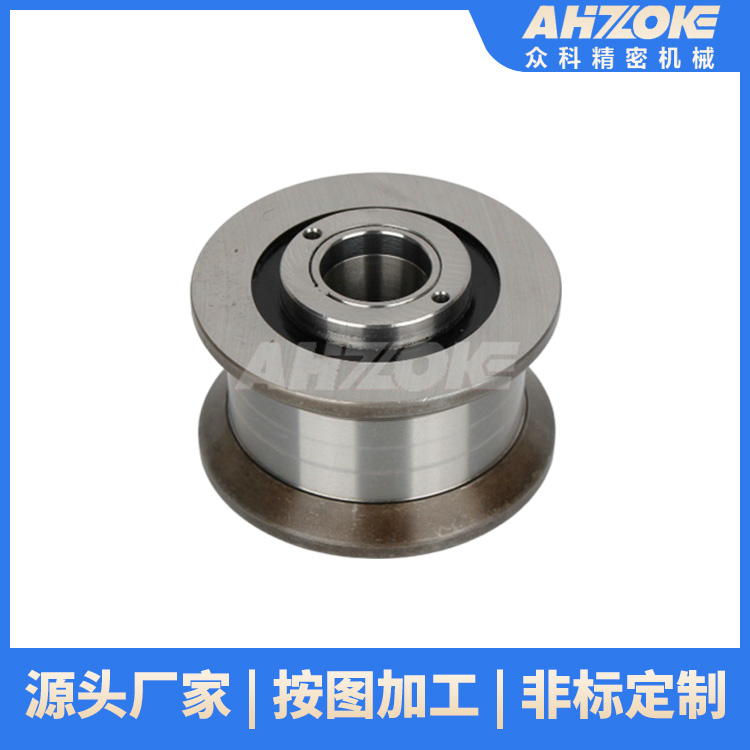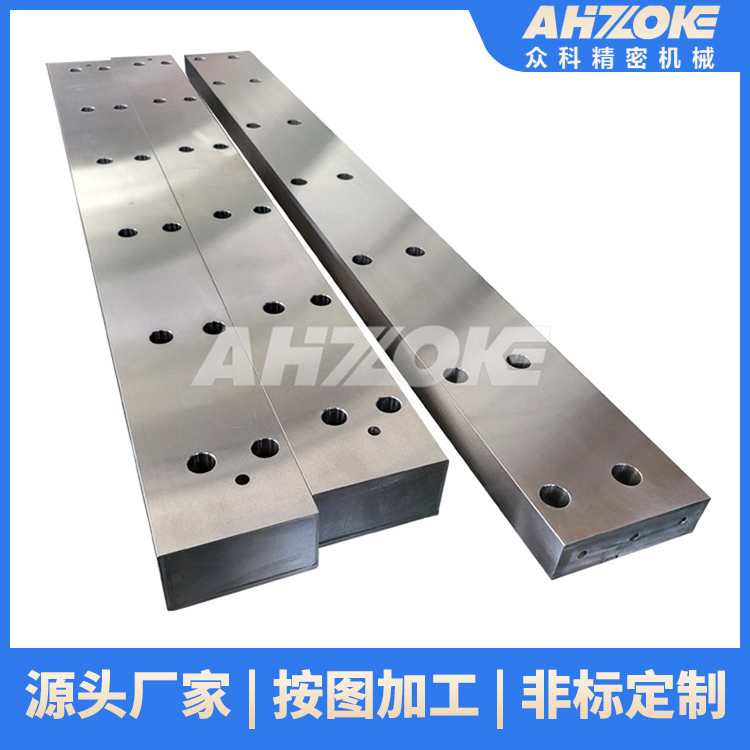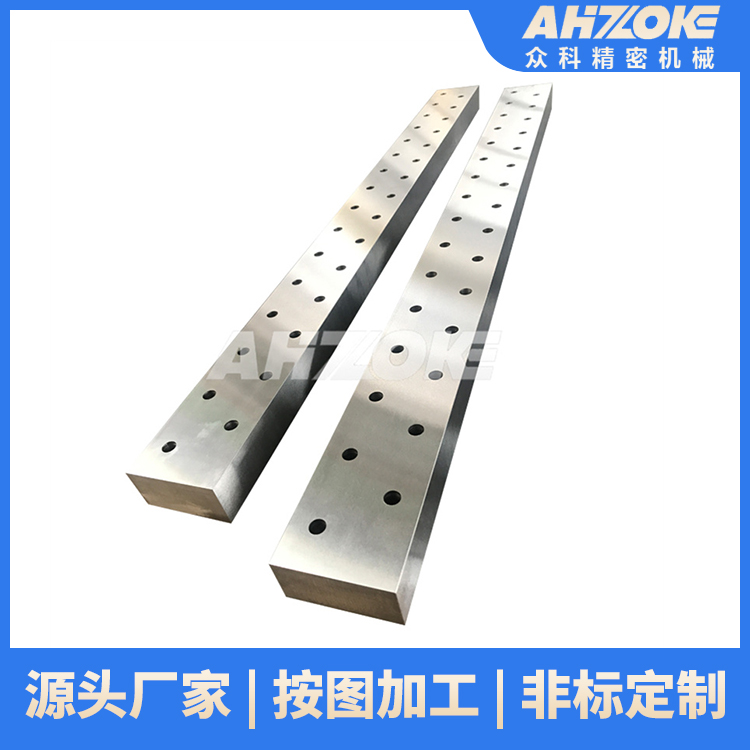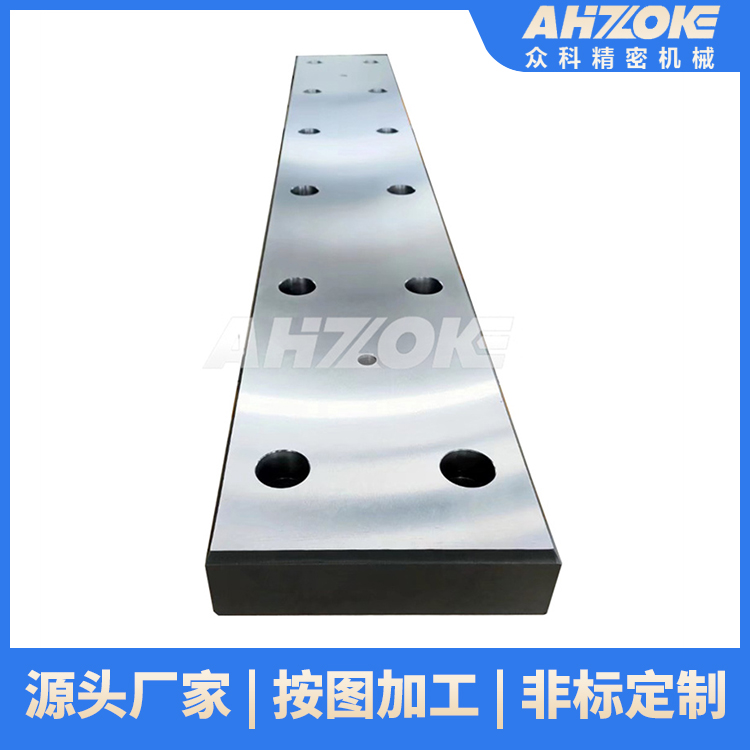
Rectangular guide ways, V-guide ways, machine tool guide ...

Wear on machine tool guideways is the result of multiple factors working together. Below, we provide a detailed analysis from aspects such as design and manufacturing, usage environment, and operation and maintenance.
Environmental Factors
Overload of Work Load: During the operation of machine tools, if the load on the guideways exceeds their designed load-bearing capacity, it can increase the contact stress on the guideway surface, leading to accelerated wear. For instance, in heavy-duty cutting operations, the cutting force exerted by the tool on the workpiece is transferred to the guideways through the moving parts. If the cutting force is excessive, it can cause plastic deformation and wear on the guideway surface.
High operating temperatures can reduce the hardness of the guide rail material and decrease its strength, while also affecting the performance of the lubricant. In high-temperature environments, the oxidation rate on the guide rail surface accelerates, leading to easier formation of oxidative wear. For instance, in some high-speed cutting processes, the generation of cutting heat can increase the temperature of the guide rail, thereby accelerating its wear.
Dust and Impurity Pollution: Dust and impurities in machine tool working environments can enter the gaps between guides and moving parts, forming abrasive wear. These abrasives act like tiny sandpapers, scraping against the guide surfaces and causing scratches and wear. For instance, in foundry and grinding workshops where there's a high concentration of dust in the air, inadequate protective measures can easily allow dust to enter the guide system, accelerating the wear of the guides.
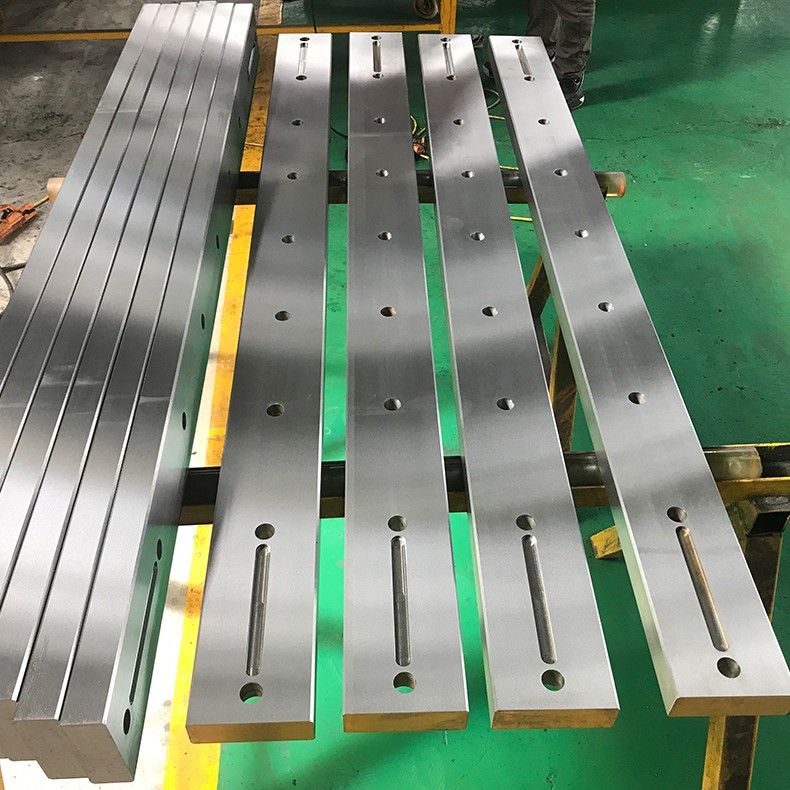
Design and Manufacturing Factors
Improper Material Selection: The material properties of machine tool guideways play a crucial role in their wear resistance. If the chosen material is not hard enough, lacks sufficient toughness, or has poor corrosion resistance, it is prone to wear during use. For instance, some common carbon steel guideways are not as hard as alloy steel guideways, and they are more likely to wear down under heavy loads and frequent friction.
Insufficient Machining Precision: The machining precision of the guide rail directly affects the fitting precision with the slider or moving parts. If the guide rail's geometric precision, such as straightness and flatness, does not meet the requirements, it can lead to uneven contact between the moving parts and the guide rail, excessive local pressure, and thereby accelerate wear. For instance, the presence of minor unevenness on the guide rail surface can cause the moving parts to bounce during operation, increasing friction and wear.
Improper Structural Design: The structural design of the guide rail should fully consider its load-bearing conditions and movement characteristics. Inadequate design can lead to uneven stress distribution during operation, causing additional stress concentration and accelerating wear. For instance, if the support spacing of the guide rail is too large, it can result in significant deflection in the middle section, increasing the likelihood of wear.
Operational and maintenance factors
Poor lubrication: Proper lubrication is a crucial measure to reduce guide rail wear. Insufficient lubrication or improper lubricant selection can increase the friction coefficient between the guide rail and moving parts, exacerbating wear. For instance, if the viscosity of the lubricant is not suitable, it cannot form an effective lubricating film on the guide rail surface, leading to direct metal-to-metal contact and subsequent wear. Additionally, failures in the lubrication system or deterioration of the lubricant can also affect the lubrication effect.
Improper Operation: Inadequate operation of machine tools can also lead to guide rail wear. For instance, rapid start-ups or abrupt stops during the machine's operation can subject the guide rail to significant impact forces, accelerating wear. Additionally, failure to follow operational procedures, such as starting the machine without lubricating the guide rail, can also cause damage to the guide rail.
Neglecting timely maintenance: Regular maintenance and care of machine tool guideways are crucial for extending their lifespan. Failure to maintain them promptly can lead to worsening wear and damage on the guideway surface. For instance, failing to clean debris and iron shavings from the guideway surface in a timely manner can exacerbate abrasive wear; not checking and adjusting the clearance of the guideways promptly can decrease the fitting accuracy between the guideways and moving parts, thereby increasing wear.


b2b.china9.net © Zhongshang 114 Hebei Network Technology Co., Ltd.Address: Room 6009, Oriental New World Center, No.118 East Zhongshan Road, Qiaoxi District, Shijiazhuang City, Hebei ProvincePlatform Service Hotline: 4006299930