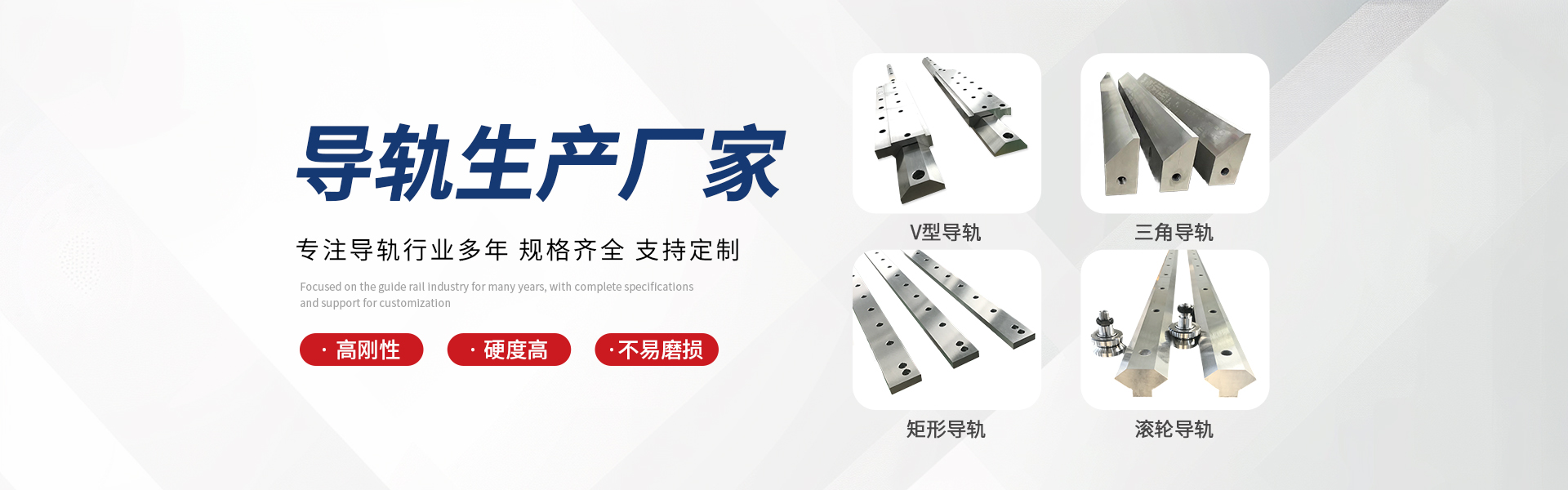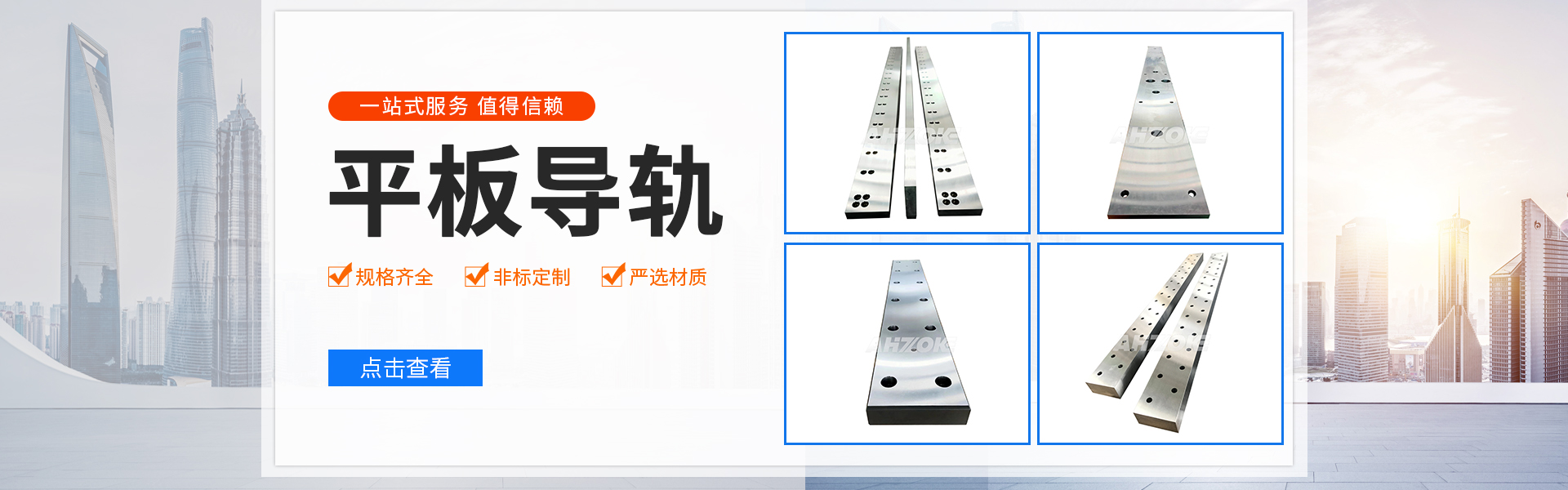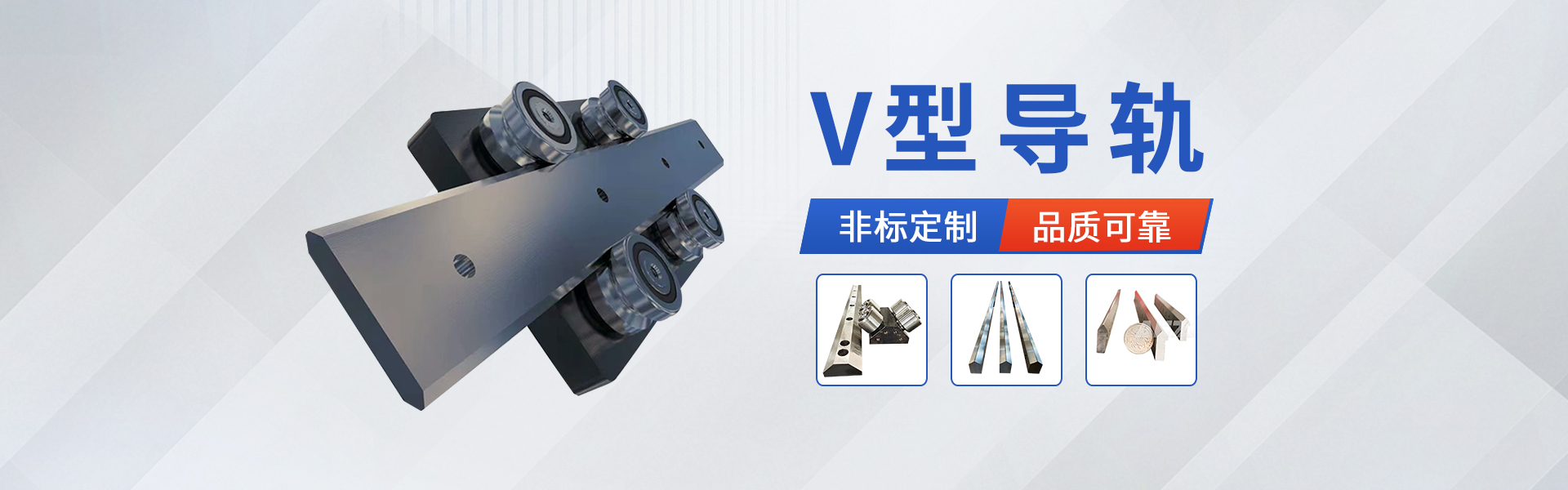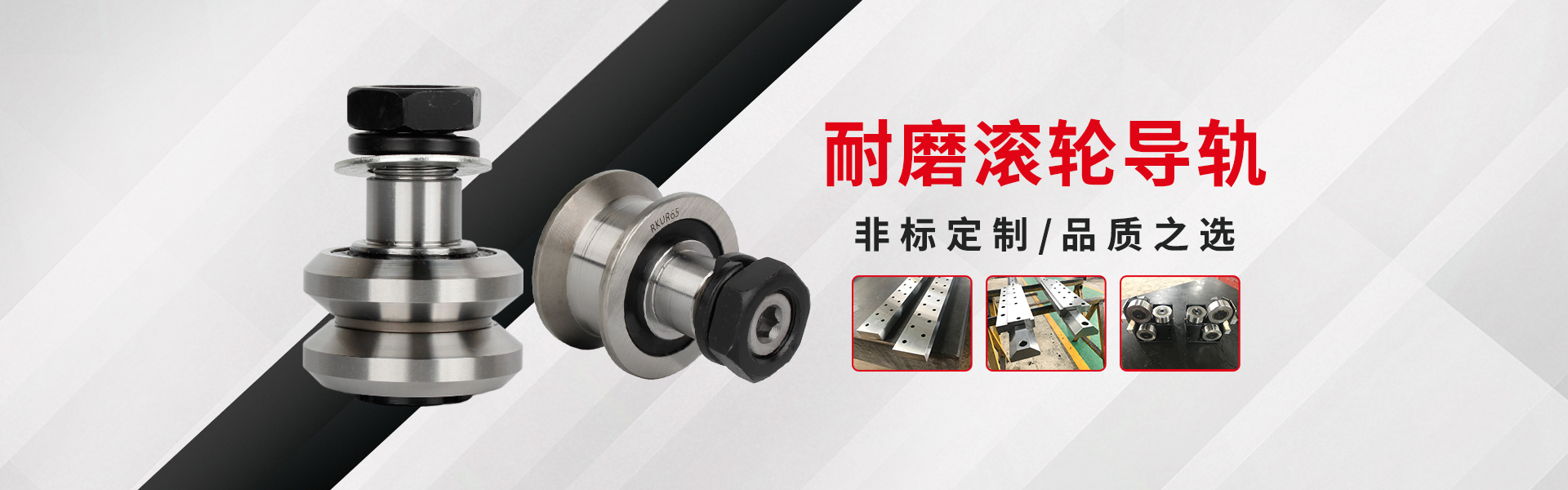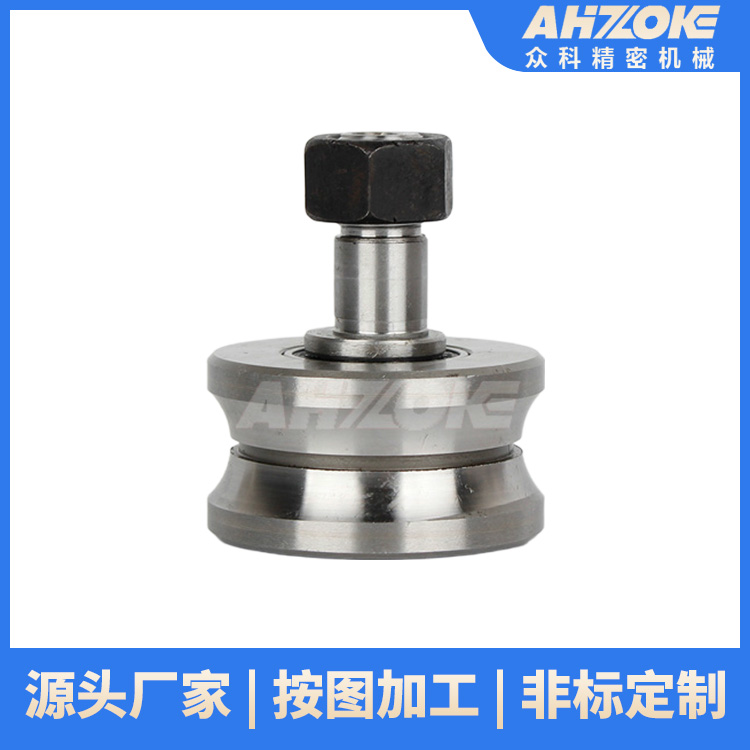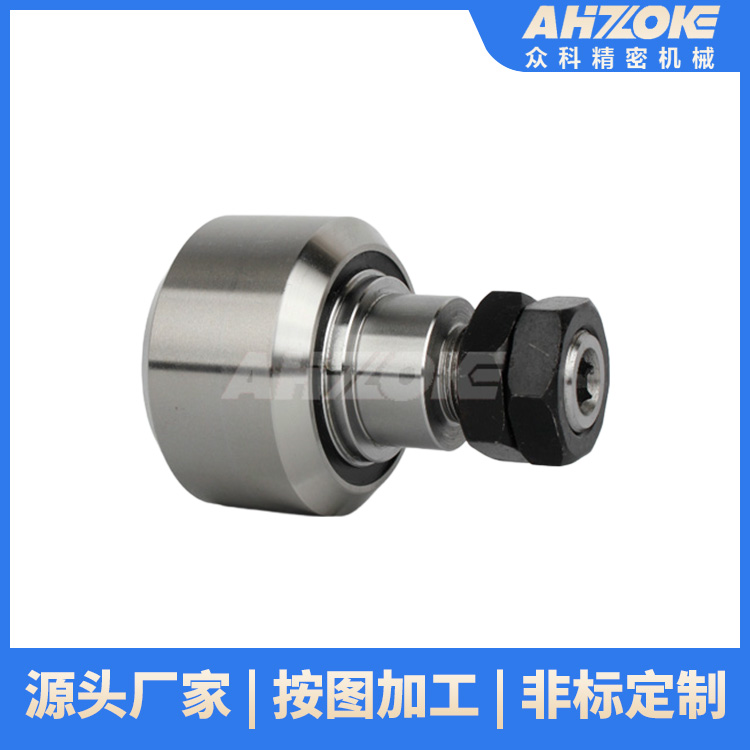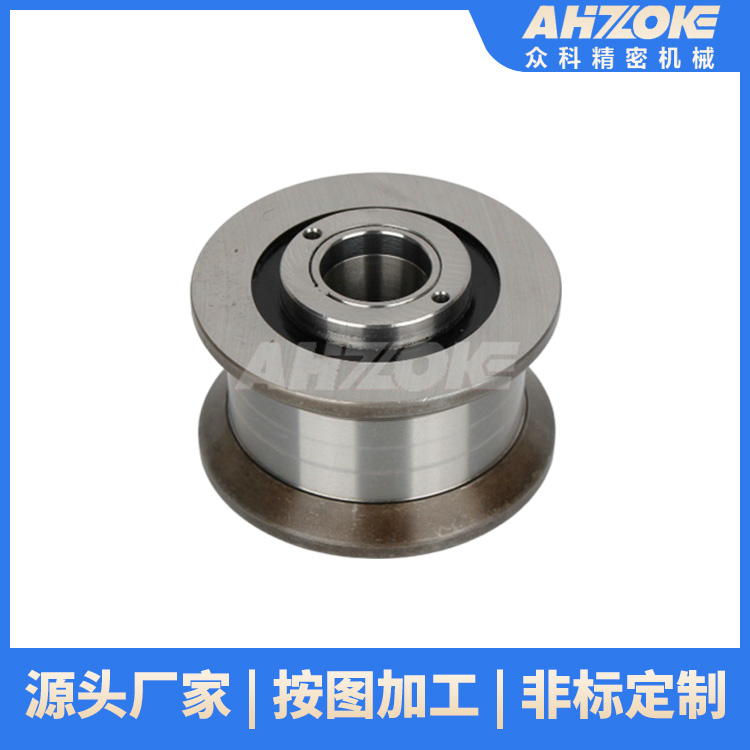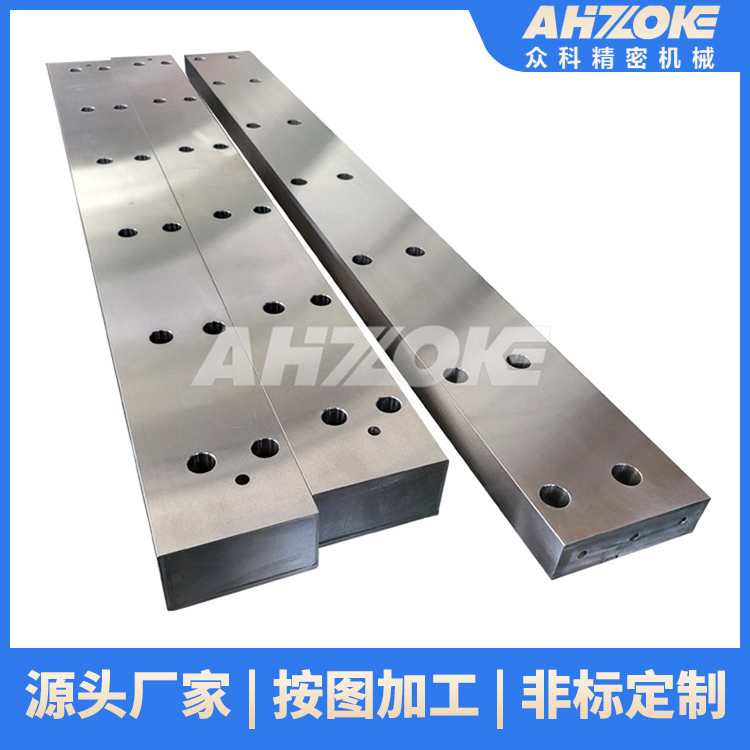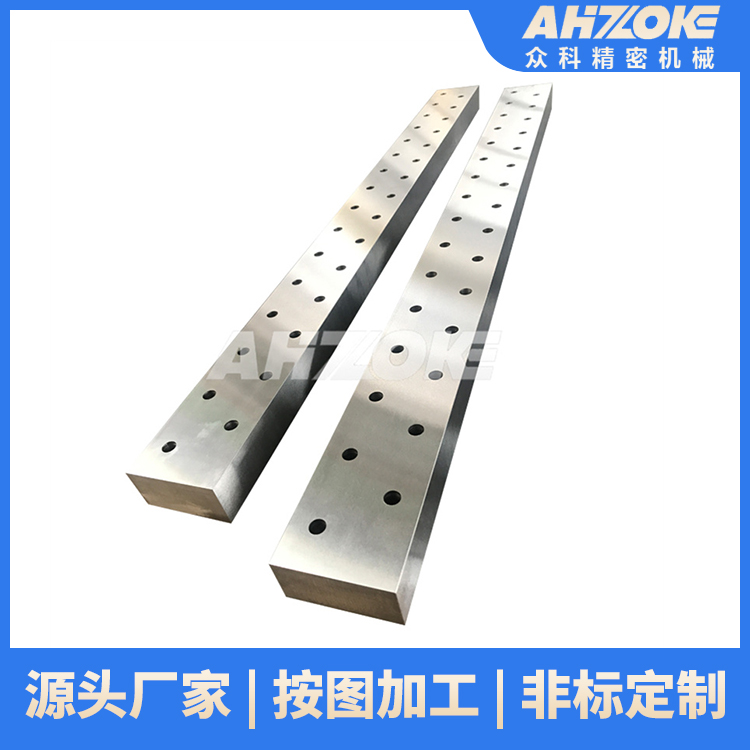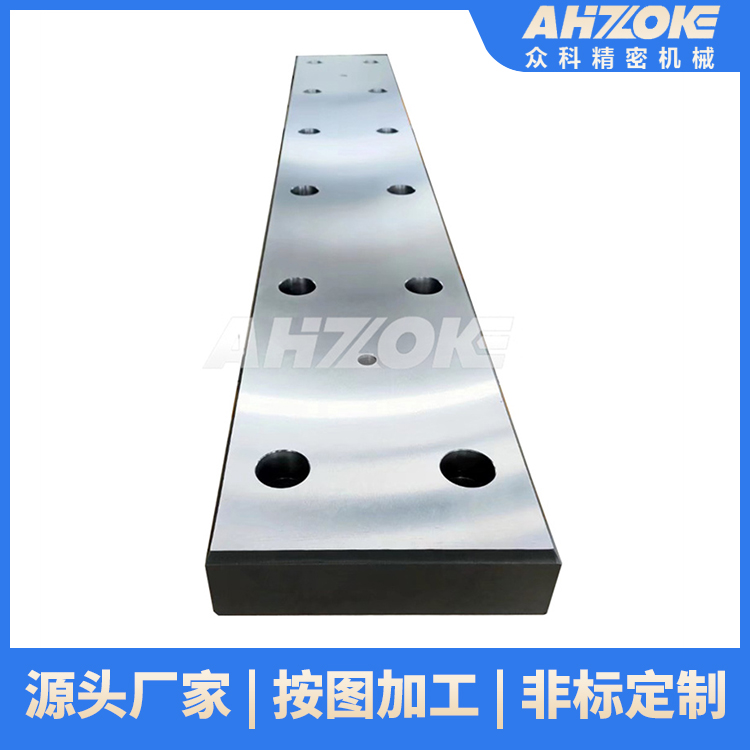
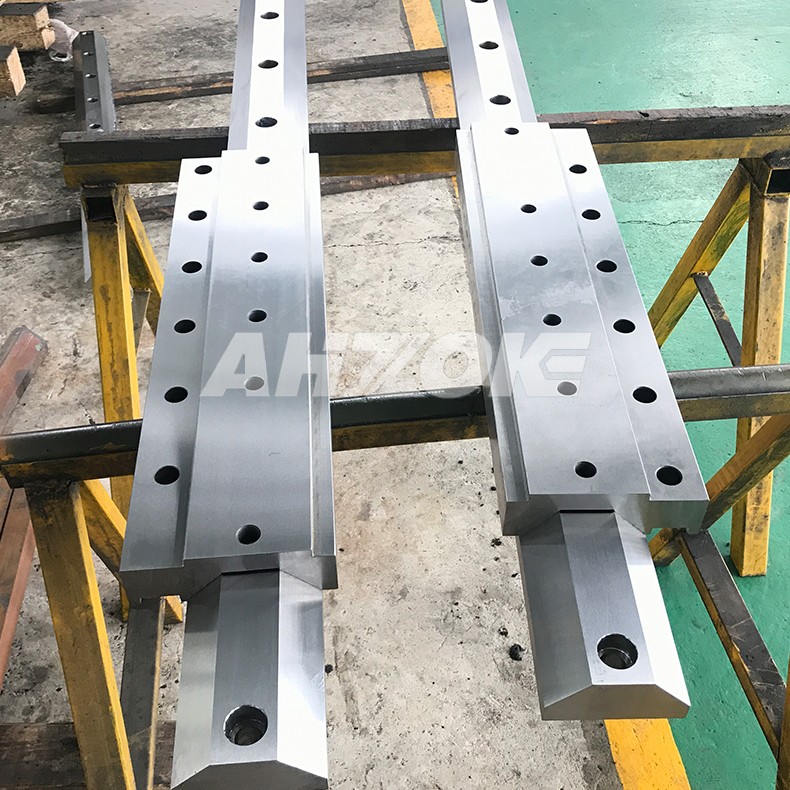
Rectangular guide ways, V-guide ways, machine tool guide ...

A dovetail guide rail is a common type of mechanical guide rail, named for its cross-sectional shape resembling a dovetail. Below are the advantages and disadvantages of dovetail guide rails:
Advantages
High Load Capacity: The shape of the dovetail guide rail provides a larger contact area, enabling it to withstand significant vertical and lateral loads. This design evenly distributes the load across the rail, reducing pressure per unit area, thereby enhancing the load-bearing capacity of the rail. It is suitable for machinery that needs to support heavy components or exert substantial cutting forces, such as the worktable guides on large machine tools.
Excellent Stability: The slider of the燕尾t-slot guide is closely matched with the guide, featuring a small gap. This design effectively reduces vibration and movement during operation, enhancing the stability of moving parts. Such stability is crucial for improving processing quality and equipment reliability, particularly in machinery with high-speed motion or frequent start-stop operations, where it can minimize processing errors and equipment wear caused by vibration.
The燕尾导轨features a compact and relatively simple structure, occupying minimal space. It can be directly machined into the bed or other components of the equipment, without requiring additional complex installation structures. This is advantageous for the miniaturization of machinery and equipment design, and is widely used in precision instruments or small-scale automated equipment with limited space, enabling precise motion guidance within a confined area.
High Precision Guidance: The dovetail guide rail offers high mating precision, providing precise guidance for moving parts. The tight fit between the dovetail-shaped slots and sliders restricts the displacement of the moving parts in multiple directions, ensuring straightness and accuracy of movement. This meets the precision requirements of high-precision machining equipment, such as optical processing equipment, where it can ensure processing accuracy down to the micron level.
Self-lubricating performance: In certain cases, the material selection and surface treatment of dovetail guides can impart good self-lubricating properties. For instance, using materials containing graphite and other self-lubricating additives to manufacture the guides, or applying special coatings to the guide surface, can reduce friction between the slider and the guide to some extent, decrease wear, prolong the guide's service life, and also reduce reliance on external lubrication systems, thereby lowering maintenance costs for the equipment.
Flaw
High processing difficulty: The cross-sectional shape of the dovetail guide rail is trapezoidal, requiring specialized tools and processing techniques during manufacturing. This imposes higher technical requirements on both the processing equipment and operators. Compared to other shapes of guide rails, such as rectangular guide rails, dovetail guide rails are more challenging to process, with higher costs and a greater difficulty in ensuring precision. Any processing errors can affect the performance and service life of the guide rail.
Difficulty in repairing after wear: Due to the structural characteristics of the dovetail guide rail, once the surface wears, it is relatively difficult to repair. Wear can lead to a decrease in the accuracy of the guide rail, increased gaps, and affect the normal operation of the equipment. Repairing requires machining processes such as grinding or scraping the entire surface of the guide rail to restore its accuracy and fit, which not only necessitates professional equipment and technology but also incurs high repair costs. Sometimes, it even requires the guide rail to be disassembled from the equipment for repair, leading to extended downtime and affecting production efficiency.
Installation and Adjustment Complexity: The installation of the tailstock guide requires high precision, with the gap between the slider and the guide needing fine adjustment. During the installation process, professional measuring tools and instruments, such as levels and micrometers, must be used to measure and adjust the level, straightness, and gap between the slider and the guide to ensure the accuracy of the guide installation. This process is quite complex and time-consuming, requiring more labor, thus increasing the cost of equipment installation and adjustment.
Sensitive to dust and impurities: The groove structure of the燕尾导轨 is prone to accumulating dust and chips, which can enter the gap between the slider and the guide rail, exacerbating wear on the rail and diminishing its precision and motion performance. Consequently, effective protective devices, such as rail guards and dust-sealing gaskets, are required to prevent impurities from entering the rail; however, these protective devices also increase equipment costs and maintenance workload.
Significant Friction Resistance: Although dovetail guides can reduce friction through self-lubrication and other methods, they still exhibit higher friction resistance compared to some new rolling guides. This increased friction resistance requires more driving force for moving parts, leading to higher energy consumption and more heat generation, which can affect the accuracy and stability of the equipment, especially during high-speed movement. The friction-induced heating issue becomes more pronounced, possibly necessitating specialized cooling systems to address the heat dissipation problem.


b2b.china9.net © Zhongshang 114 Hebei Network Technology Co., Ltd.Address: Room 6009, Oriental New World Center, No.118 East Zhongshan Road, Qiaoxi District, Shijiazhuang City, Hebei ProvincePlatform Service Hotline: 4006299930