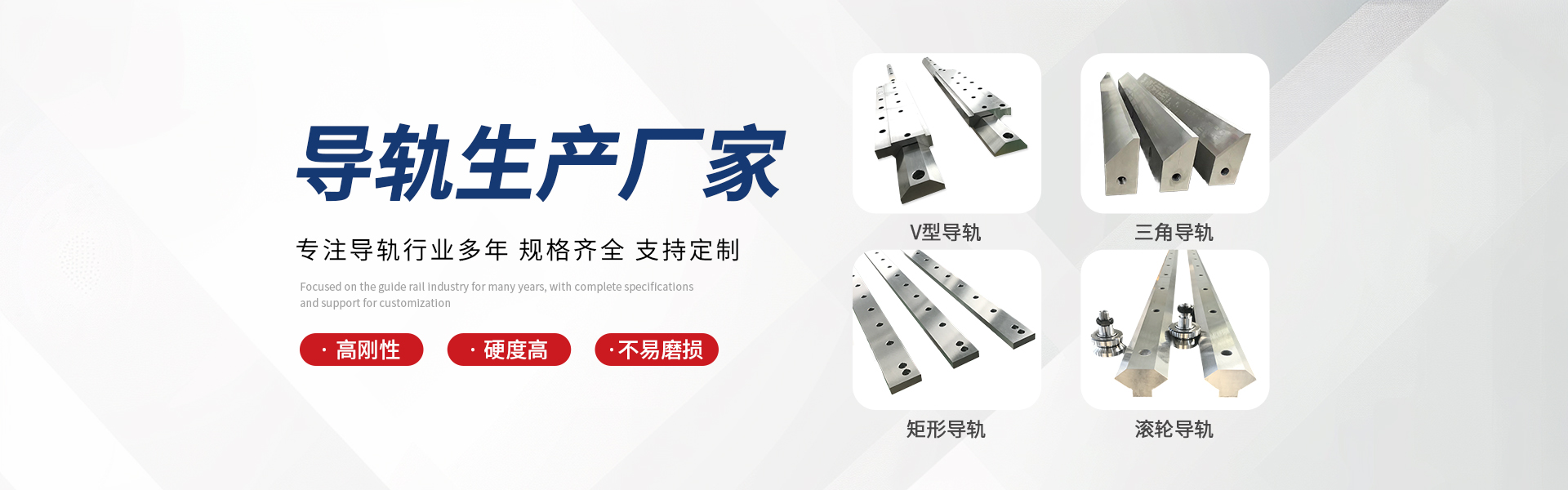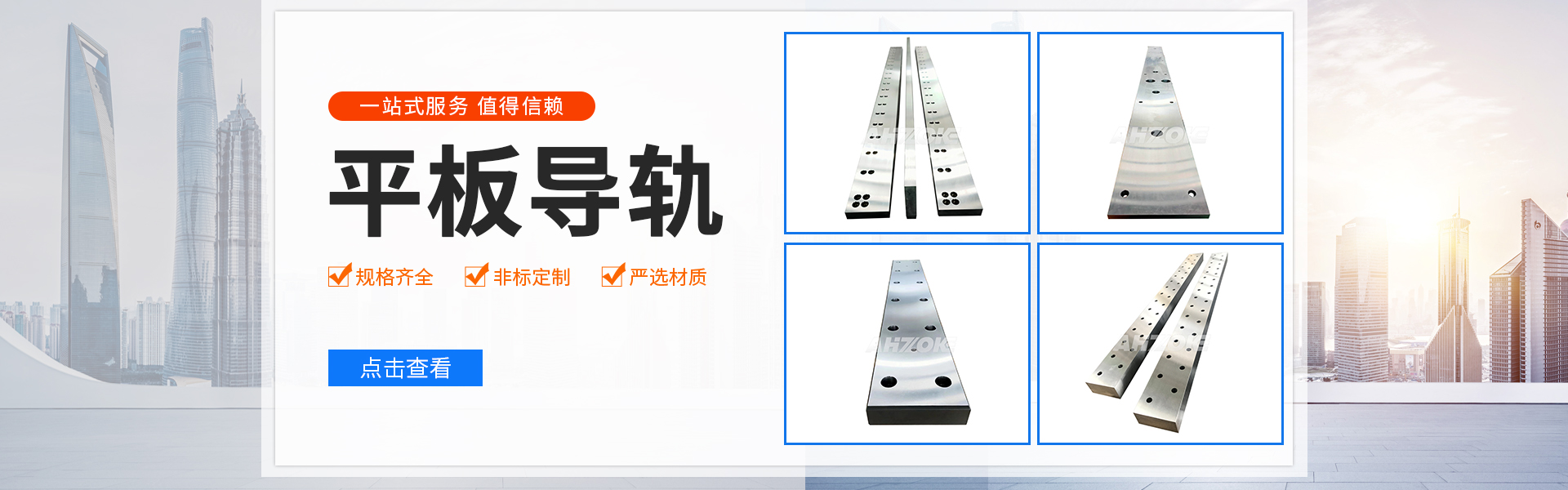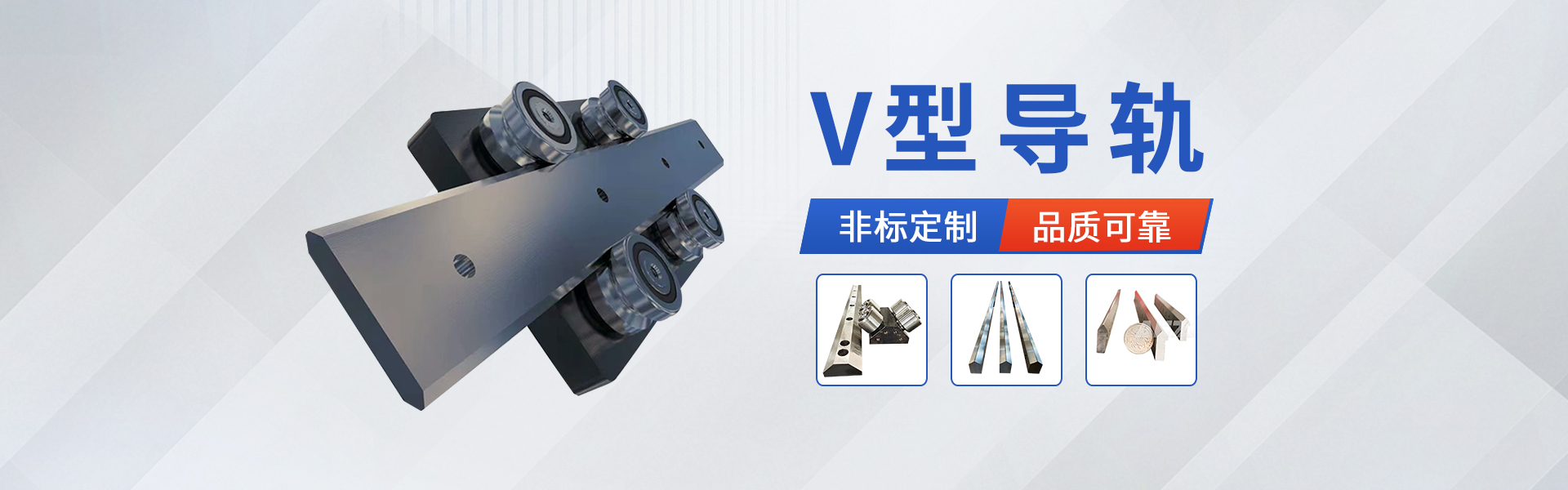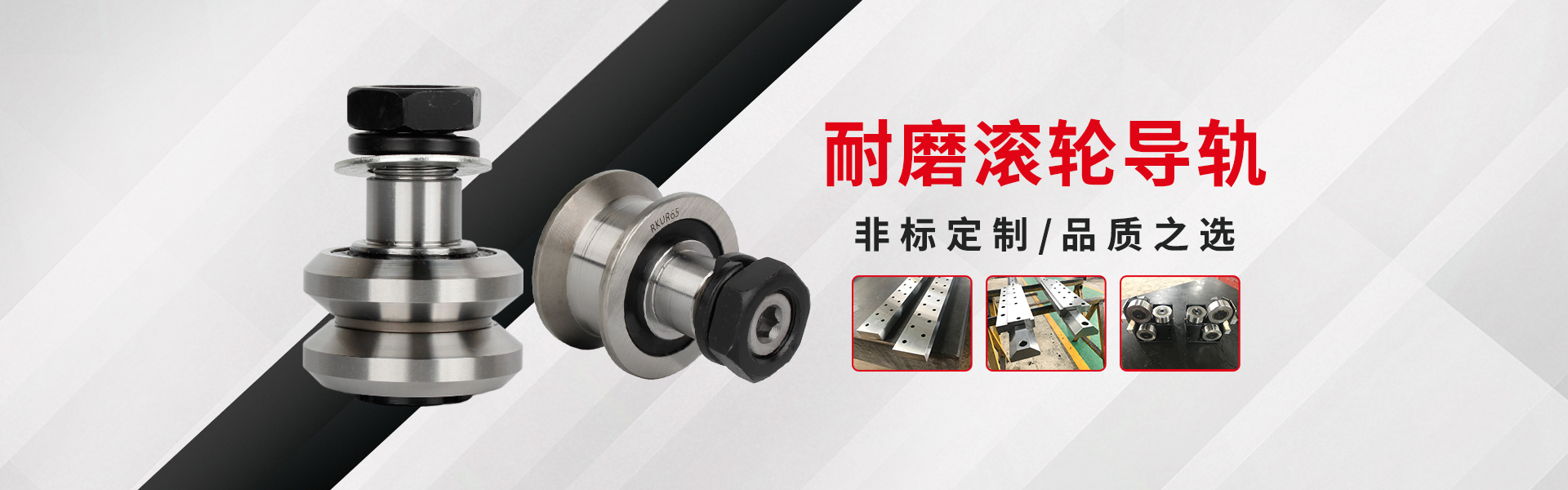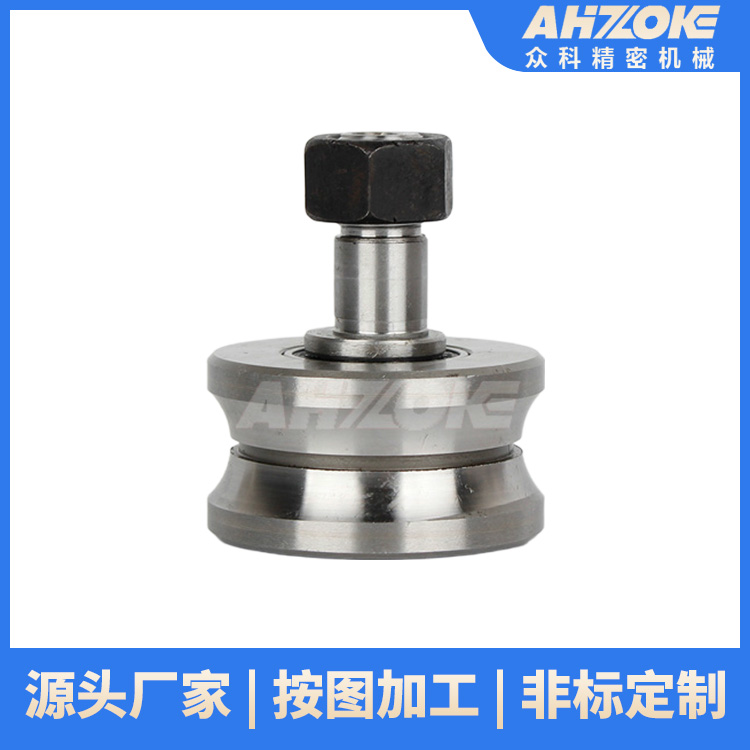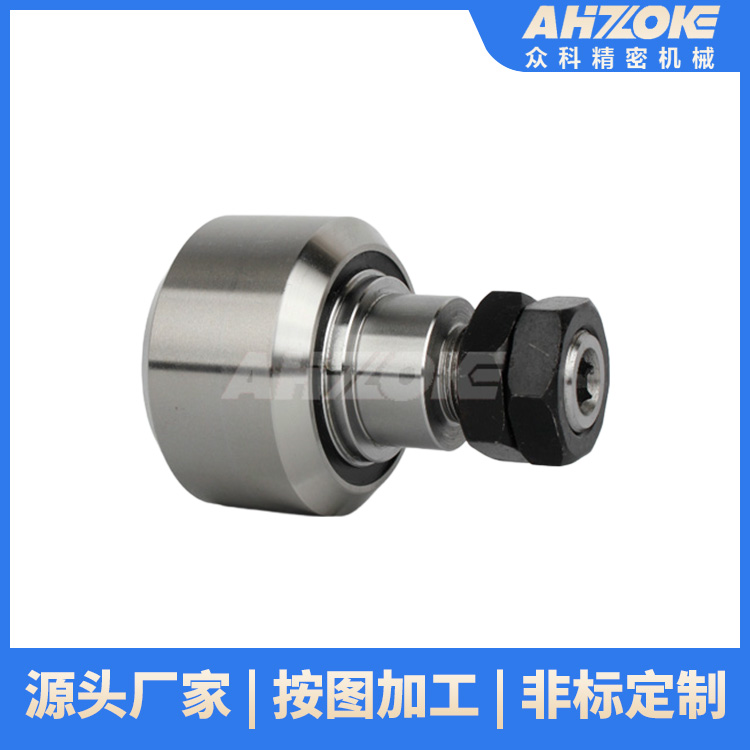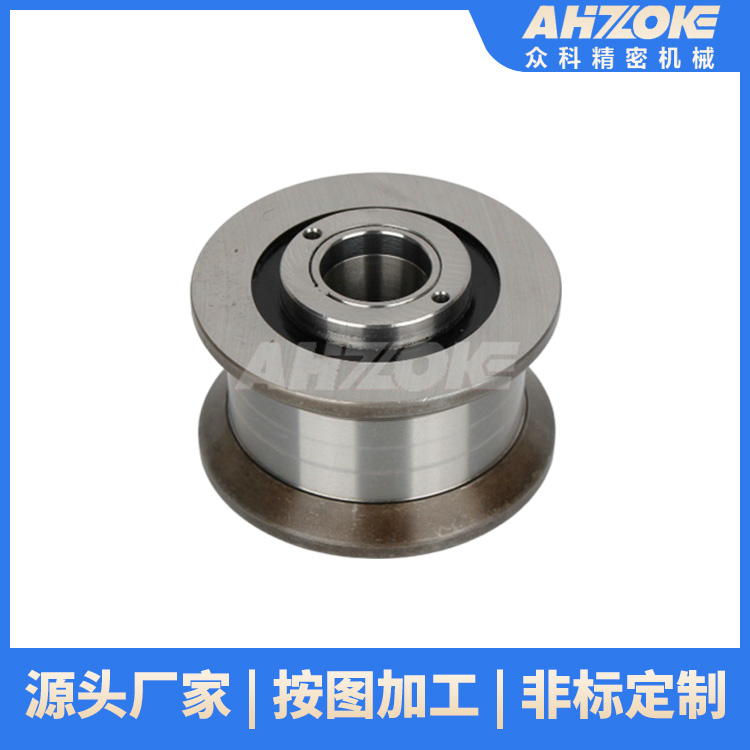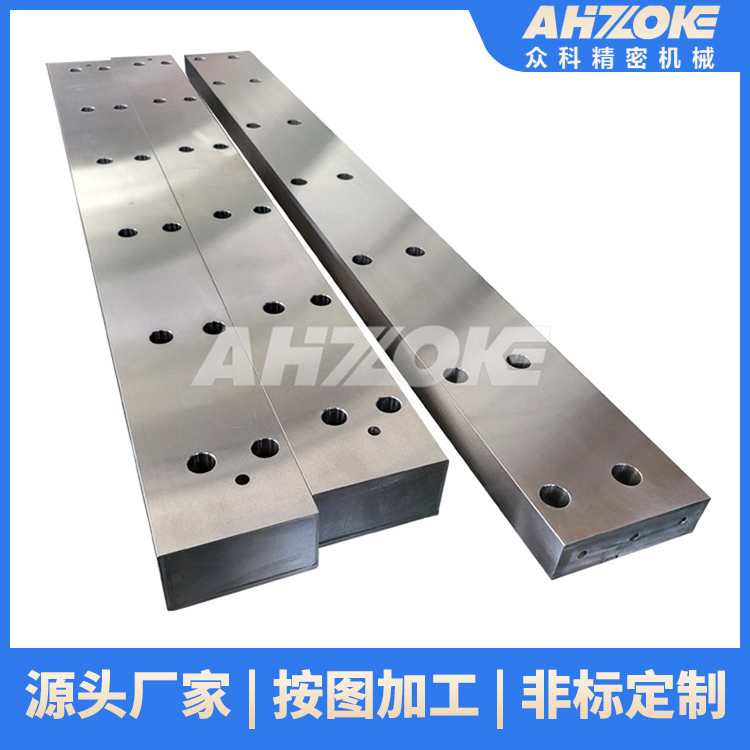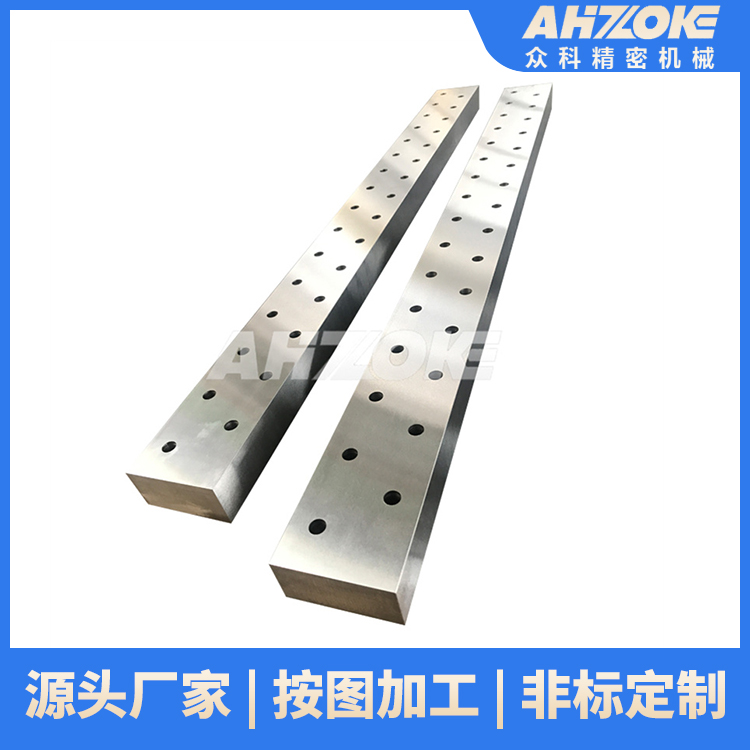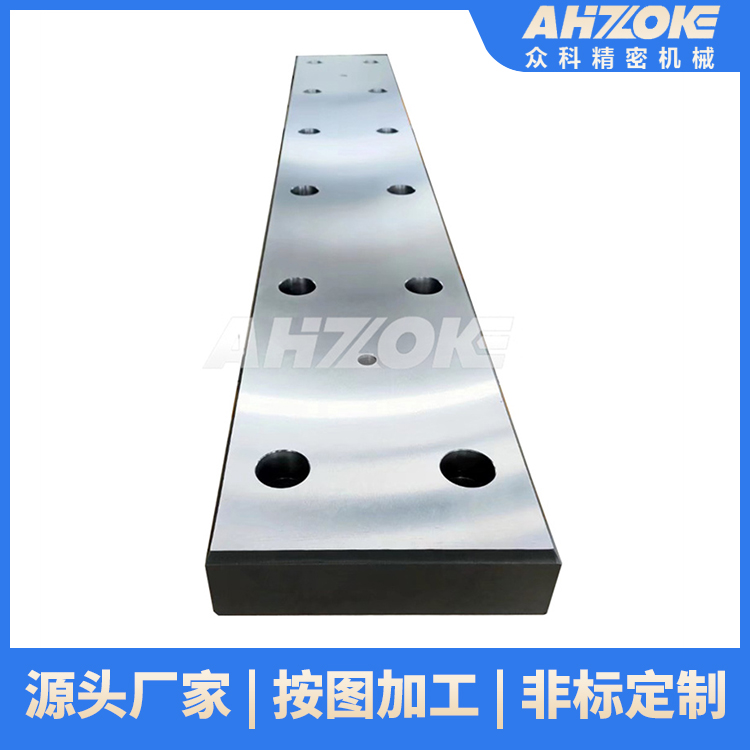
Rectangular guide ways, V-guide ways, machine tool guide ...

Beam guides face various challenges in complex industrial environments, such as dust, humidity, vibration, and high temperatures. They can address these issues through their material and design, protective measures, maintenance, and intelligent monitoring, as detailed below:
Materials and Design
Selecting Appropriate Materials: For environments with corrosion risks, choose stainless steel or materials with corrosion-resistant coatings, such as chrome-plated steel, to enhance corrosion resistance. In high-temperature conditions, use high-temperature-resistant alloys to ensure stable mechanical properties and dimensional accuracy under high-temperature operating conditions.
Enhanced Structural Design: Increased track thickness and reinforced ribs have been implemented to enhance structural strength, enabling it to withstand higher loads and impacts in complex industrial environments. The multi-slider design disperses loads, improving the track's load-bearing capacity and operational stability.
Protective Measures
Installing Protective Devices: In environments with high dust levels, install accordion-style or steel plate shields on the guides to effectively block dust from entering the interior, reducing wear and malfunctions. In humid or areas where coolant may splash, set up waterproof covers or shields to prevent moisture from contacting the guides, thus avoiding rust and corrosion.
Surface Protection Treatment: Special coating is applied to the guide rail surface to reduce friction coefficient, enhance lubrication performance, and simultaneously improve the wear resistance and self-cleaning ability of the guide rail. Phosphating process is utilized to form a phosphating film on the guide rail surface, which increases the corrosion resistance and lubricity of the guide rail.
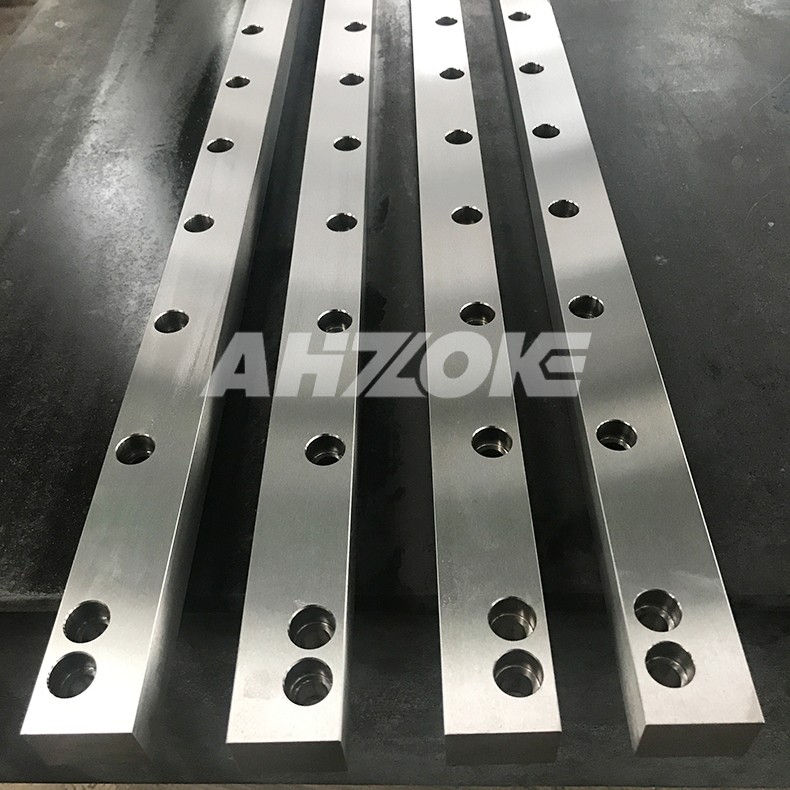
Lubrication and Sealing
Select the appropriate lubrication method: Choose the suitable lubricant based on different working environments. In high-temperature conditions, use high-temperature-resistant grease; for high-speed operations, adopt oil mist or oil-gas lubrication to ensure proper lubrication of the guideways and reduce frictional losses.
Enhanced Sealing Design: High-quality sealing elements, such as rubber O-rings and double唇 seals, are installed between the slider and guide rail, as well as at the ends, to prevent lubricant leakage and external contaminants from entering. This ensures optimal lubrication performance and cleanliness of the guide rail.
Routine Maintenance
Regular Inspections and Cleaning: Establish a strict maintenance schedule to regularly check the wear of the tracks, surface conditions, and the tightness of the mounting bolts. Utilize specialized cleaning tools and detergents to promptly remove dust, oil, iron shavings, and other impurities from the track surface, ensuring cleanliness.
Timely Replacement of Wear Parts: Replace sliding blocks, roller wheels, and other wear parts of the guide rail in a timely manner based on actual wear conditions to ensure the running accuracy and performance of the guide rail.
Intelligent Monitoring and Early Warning System
Install Sensors: Displacement sensors, temperature sensors, vibration sensors, and other similar devices are installed at critical sections of the guide rail. This setup enables real-time monitoring of the guide rail's operational status, including parameters such as displacement deviation, temperature changes, and vibration amplitude.
Establishing an Early Warning System: Through data analysis and processing, the system automatically triggers an alert when monitored data exceeds normal ranges, reminding staff to promptly inspect and address the issue to prevent further complications, ensuring the reliable operation of the truss guide tracks in complex industrial environments.


b2b.china9.net © Zhongshang 114 Hebei Network Technology Co., Ltd.Address: Room 6009, Oriental New World Center, No.118 East Zhongshan Road, Qiaoxi District, Shijiazhuang City, Hebei ProvincePlatform Service Hotline: 4006299930