

I. Overview
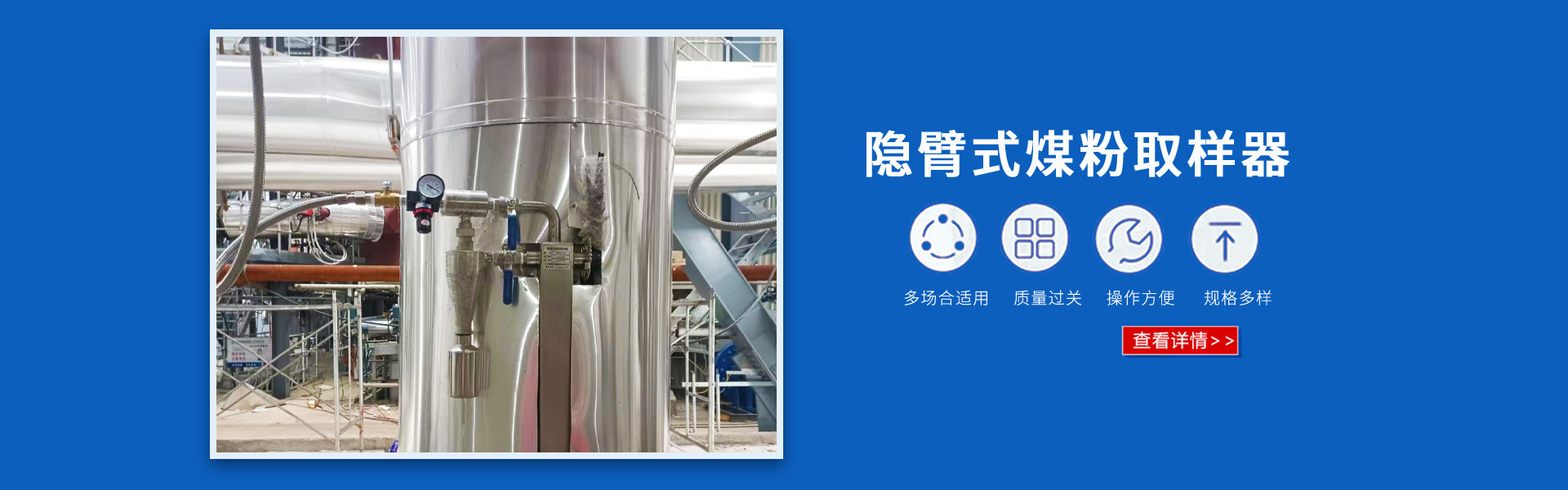
The fixed coal powder sampler is used for regular coal powder sampling on coal powder pipes. Due to the wear of the grinding parts in the coal mill, variations in coal type and particle size, the fineness of the coal powder can undergo significant changes, directly affecting the efficiency of boiler combustion. Therefore, it is essential to regularly sample and test the fineness of the coal powder. When the fineness of the coal powder exceeds the designed value, it is necessary to promptly adjust the opening of the separator deflector door or replace the grinding components.
Currently, domestic power plants primarily use impact or accumulation sampling methods. Due to their lack of scientific nature, it's challenging to obtain genuine samples that accurately reflect the actual composition, which in turn affects the authenticity of the test results.
This design utilizes compressed air blowing and vacuum pump suction sampling, which avoids issues with sample port clogging and makes sampling easier. The sampling speed is controlled by adjusting the compressed air pressure and flow rate. This ensures a more accurate measurement of coal powder fineness. Precise control and analysis of coal powder fineness in coal-fired boilers are crucial for the safe and economic operation of boiler units.
II. Structural Form
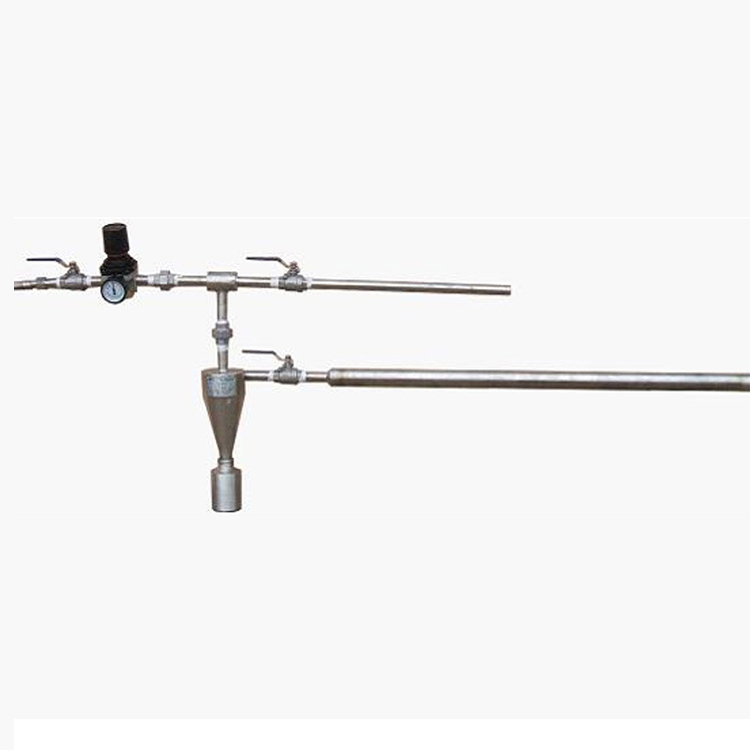
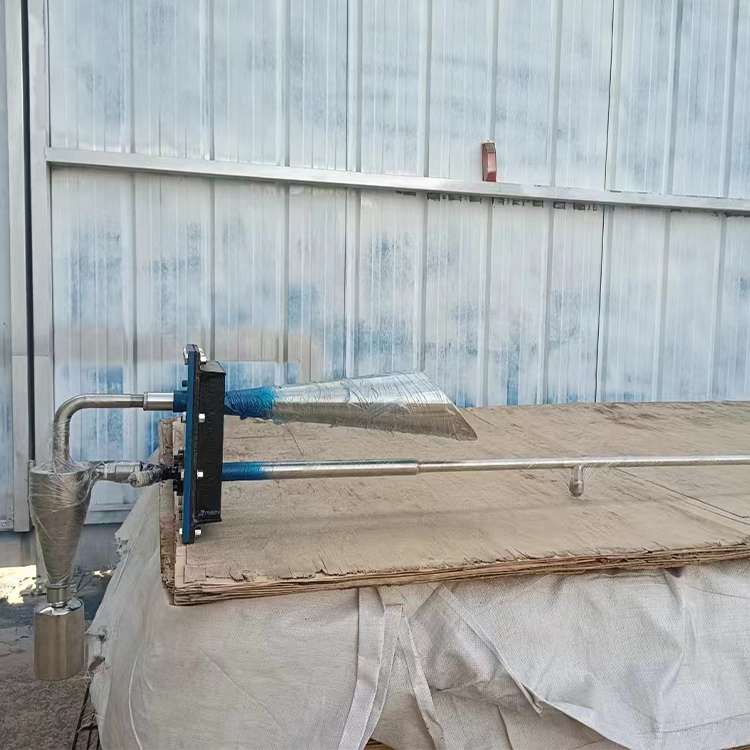
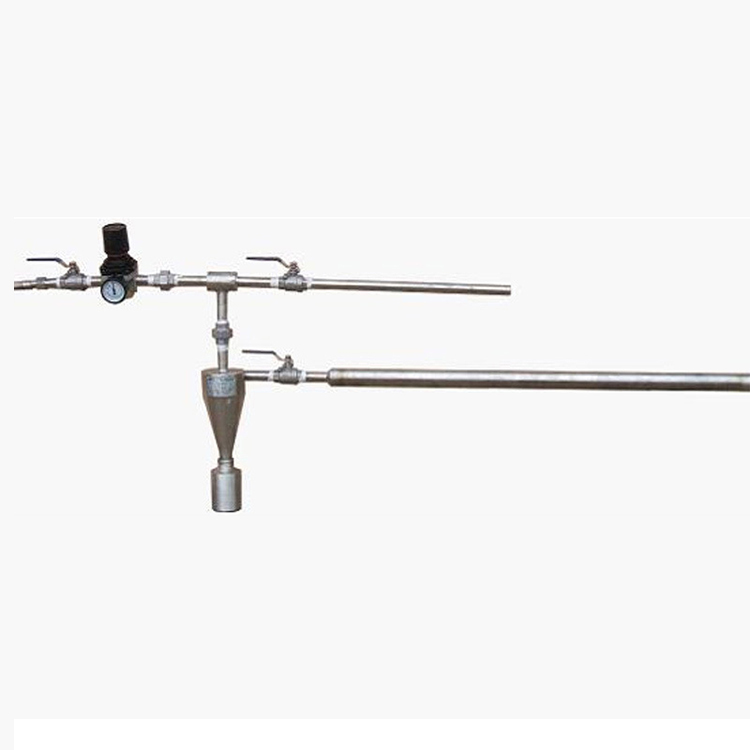
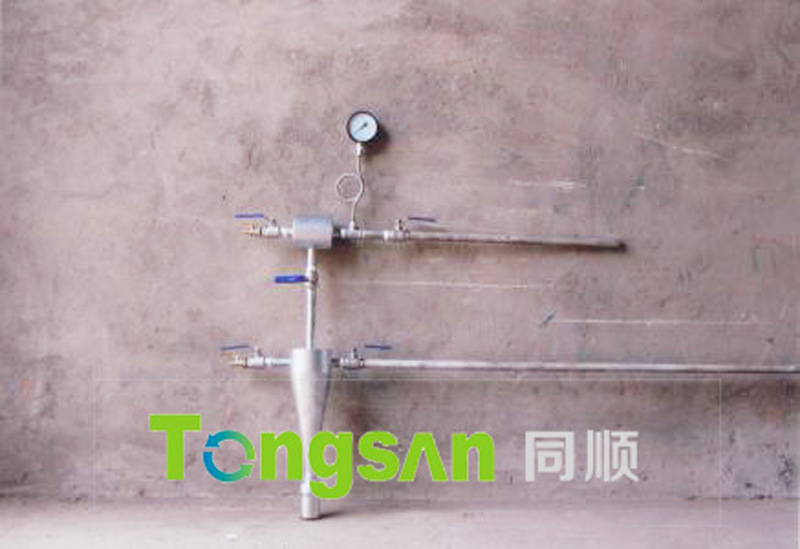
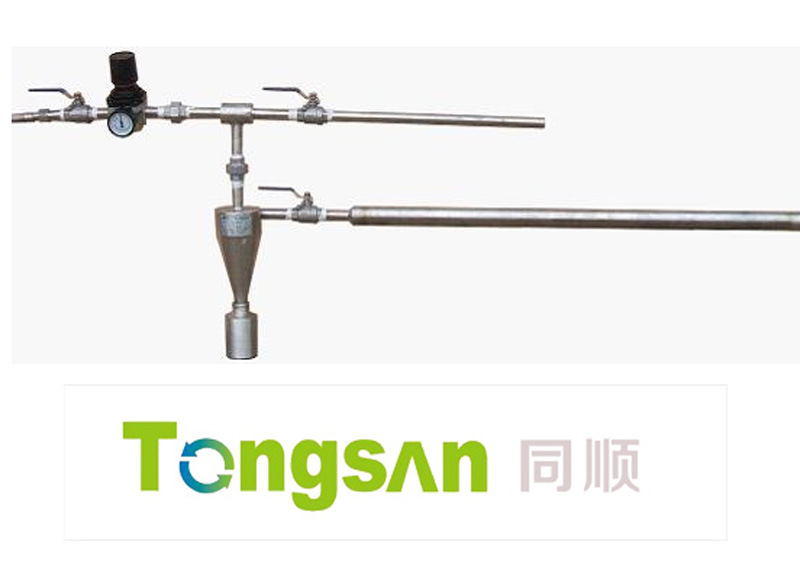
1. Sampling Tube -- Inserted into the coal powder pipeline, the sampling orifice facing the direction of the coal powder airflow, with the coal powder entering the sampling device through this orifice. It features multi-point sampling.
2. Separator -- Separates coal powder and gas. The coal powder is thrown against the wall by the rotating air stream due to gravity and then falls into the collection bin. The separated gas spirals down the wall from top to bottom and then rises along the middle path to the top, passing through the lower part of the exhaust pipe.
The coal powder is separated twice, with the gas exiting through the top exhaust port, achieving separation of coal powder and gas.
3. Sampling Bottles -- Used to collect and store the fixed coal powder samples separated by the separator, for calibration purposes.
4. Sampling Valve -- To collect coal powder, open this valve. Relying on the negative pressure formed by compressed air exhausting through the exhaust outlet, draw air from the separator, allowing the coal powder in the coal powder pipeline to enter the sampling device through the sampling port for collection.
5. Sweep Valve -- To clean residual coal dust from the sampling tube, close the sampling valve and pressure regulating valve, then open the sweep valve to blow through the sampling pipeline with compressed air.
6. Pressure Regulator -- Adjusting the opening of this valve controls the pressure and flow of compressed air and alters the sampling speed of the sampling device. Do not adjust the pressure too high to prevent the coal powder sample from being distorted.
7. Pressure Gauge – Provides a direct reference for the operation of pressure regulators.
III. Features
1. Prevents coal dust flow erosion; features a neat and compact appearance, high wear resistance, and long service life.
2. Simple structure, precise sampling, easy and convenient.
3. Utilizing multi-point, uniform velocity sampling, the coal powder samples collected are representative.
4. No clogging of powder, quick sampling, sealed well, no coal powder leakage at all, and no pollution to the working environment.
Four: Principle of Operation
The fixed coal powder sampler is designed to extract coal powder from the coal powder pipeline using the principle of negative pressure suction and cyclone separation, achieving solid-gas separation. The following explains this process in detail. During the coal powder sampling process, all valves are open. When compressed air is ejected from the exhaust pipe, the jet effect inevitably creates a vacuum at the point where it connects with the sampling valve, carrying out the gas inside the pipe. The separator and its bottom collection bottle are sealed and connected, with the only access points to the outside being the sampling head and the sampling tube. Thus, the vacuum draws coal powder from the pipeline into the sampling device through the sampling head. The coal powder is separated once in the separator and then enters the collection bottle. Meanwhile, the gas and a small amount of fine powder are separated a second time through the blades inside the exhaust pipe and are carried out by the compressed air, returned to the coal powder pipeline, and do not cause pollution to the workplace. The function of the blowing valve is: before and after coal powder sampling, close the blowing valve, open the sampling valve to blow off the remaining coal powder in the sampling tube, preventing the tube from being blocked by coal powder, and ensuring accurate sampling.