




- AllProduct Category
-
Light curtain target
Technical Articles
Industry News
News & Information
Light-Gas Gun System
Impact Tester
Security Management Platform
Impact/Overshoot Dynamic Checker
Ultra-Dynamic Testing Equipment
Ultra-Dynamic Signal Conditioning/Data Acquisition
Impulse Fire Device
Self-Organizing Network
FlexiBots Industrial Software
Automated Production Line
FlexiBots Assembly Robots
FlexiBots Inspection Robots
Flexible Hazardous Area Electrical Equipment
FlexiBots Industrial Robots



详情描述
I. Basic Information
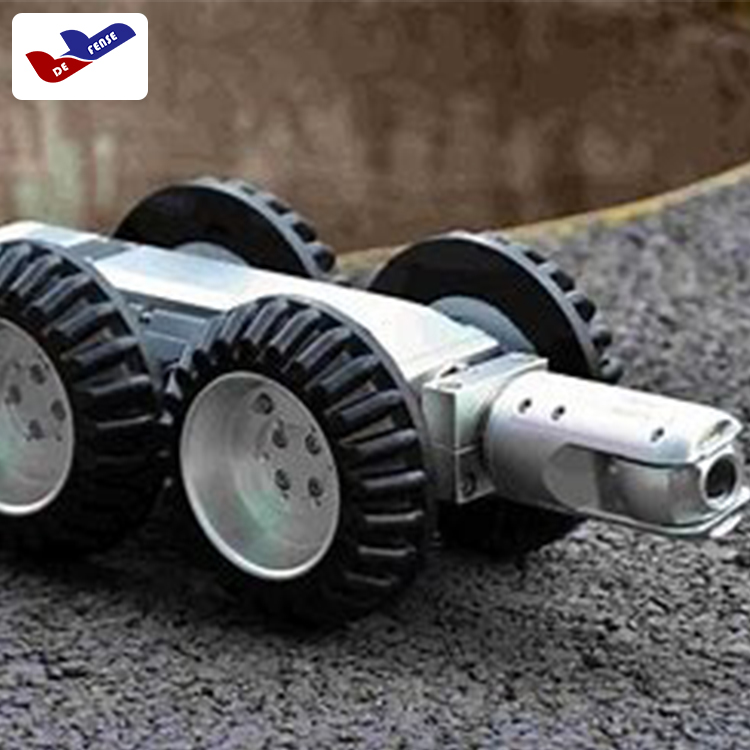
A cannon barrel inspection robot is a specialized robotic system designed for examining the internal structure and performance of cannons or cannon barrels. These robots are typically designed to move and operate autonomously, enabling comprehensive and precise inspections within the cannon barrel, including surface defects, wear levels, and internal structures.
II. Composition Features
1. Robot Platform: Gun barrel inspection robots typically feature a track or wheel-based chassis with autonomous mobility and positioning capabilities. They can move horizontally and vertically within the gun barrel to cover the entire surface area.
2. Sensor System: The sensor system is a crucial component of the gun barrel inspection robot, designed to collect data from within the gun barrel. Common sensors include high-resolution cameras, ultrasonic sensors, and magnetic detection sensors, which are used to detect surface defects, wall thickness, cracks, and other issues.
3. Data Processing and Analysis: Collected data must be processed and analyzed to extract useful information and generate inspection reports. This usually requires the use of computer vision technology, signal processing techniques, etc., to process, analyze, and visualize the data.
4. Navigation and Control System: The cannon barrel inspection robot requires excellent navigation and control capabilities to ensure accurate movement along the interior of the cannon barrel and completion of the required inspection tasks. This includes considerations for positioning accuracy, obstacle avoidance, and more.
5. Safety and Reliability: The cannon tube inspection robot must have excellent safety performance, capable of stable operation under harsh conditions such as high temperatures and high pressures, while ensuring the safety of the internal cannon tube. Additionally, the robot system itself must possess good reliability, enabling long-term stable operation without any malfunctions.
Turret inspection robots are commonly used in military applications, artillery manufacturing, and maintenance scenarios. They are employed for regular performance and safety evaluations of artillery systems, ensuring reliability and safety during operation. Compared to traditional manual inspection methods, these robots enhance inspection efficiency, reduce labor costs, and can detect potential issues more accurately.


