



- AllProduct Category
-
Light curtain target
Technical Articles
Industry News
News & Information
Light-Gas Gun System
Impact Tester
Security Management Platform
Impact/Overshoot Dynamic Checker
Ultra-Dynamic Testing Equipment
Ultra-Dynamic Signal Conditioning/Data Acquisition
Impulse Fire Device
Self-Organizing Network
FlexiBots Industrial Software
Automated Production Line
FlexiBots Assembly Robots
FlexiBots Inspection Robots
Flexible Hazardous Area Electrical Equipment
FlexiBots Industrial Robots




详情描述
I. Basic Information
A launch ejection test system is a testing system used to simulate the ejection and release process of aircraft (such as planes, missiles, etc.). Such systems are typically employed to test the ejection and release performance of aircraft under various conditions, to verify the reliability and safety of their design.
II. Composition Features
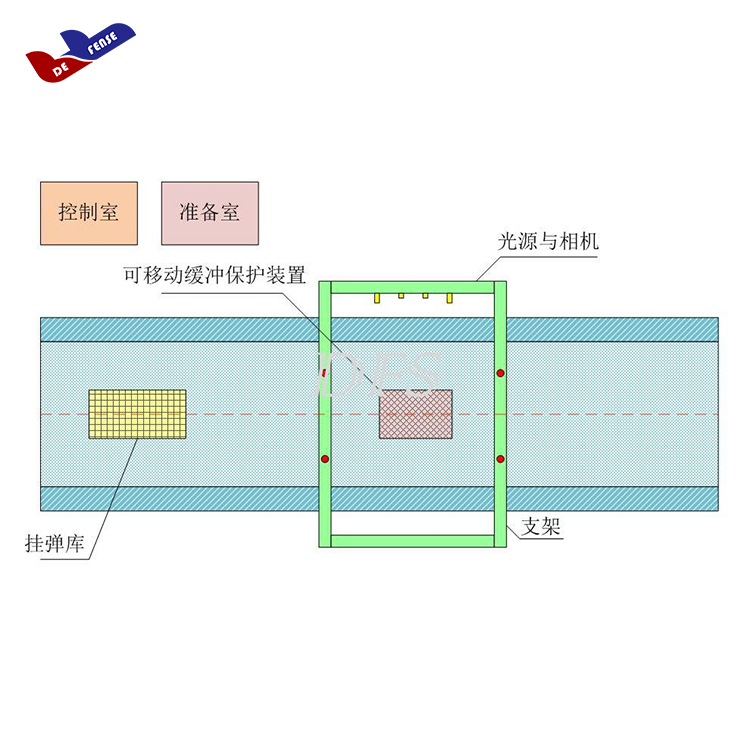
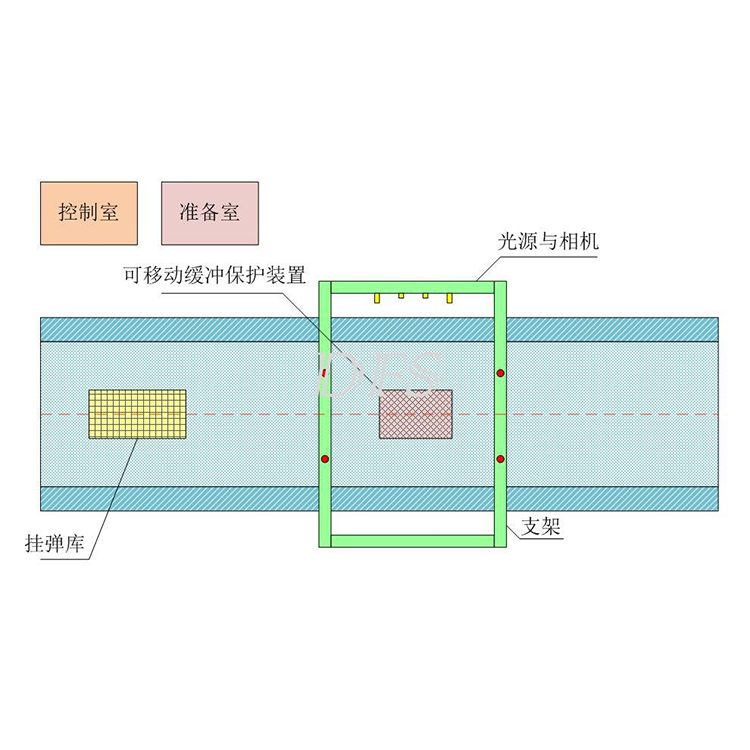
1. Ejection Device: The ejection device is a critical component of the ejection deployment test system, used to simulate the ejection deployment process from an aircraft carrier (such as an aircraft, ship, etc.). The ejection device typically includes an ejection mechanism, launch bay, etc., and can provide the appropriate force and speed for deployment.
2. Control System: The control system is used to manage the entire ejection drop test process, including the start and stop of the launching device, monitoring and recording of the launch process, etc. The control system is typically operated by a computer, enabling precise control and data collection.
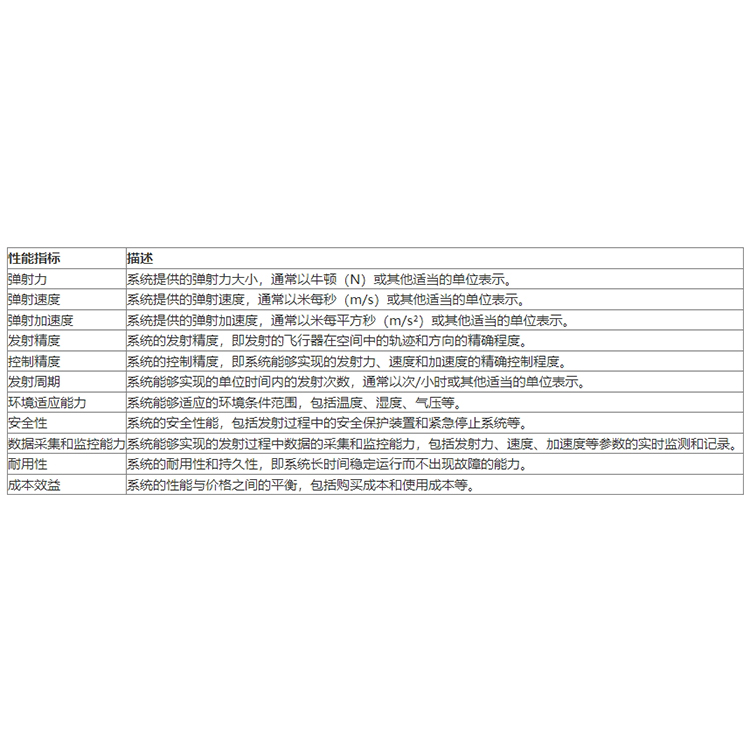
3. Measurement and Monitoring Equipment: Measurement and monitoring equipment is used to monitor and record various parameters during the ejection deployment test process, including launch force, speed, and acceleration. These data are crucial for evaluating the performance and safety of the aircraft.
4. Safety Protection Devices: These devices are designed to ensure the safety of the ejection deployment test process, including the secure locking of the launch mechanism, emergency stop buttons, and protective measures for both personnel and equipment involved in the test.
5. Environmental Adaptability: The launch deployment test system must be capable of adapting to various environmental conditions, including different climates, temperatures, and humidity levels, to ensure the accuracy and reliability of the test results.
Ejection deployment test systems are commonly used in aerospace fields and military equipment development scenarios, to evaluate the ejection deployment performance of aircraft, providing critical reference data for aircraft design and improvement. By utilizing the ejection deployment test system, one can effectively verify the safety and reliability of aircraft during the ejection deployment process, enhancing their performance and stability in practical applications.


