



- AllProduct Category
-
Light curtain target
Technical Articles
Industry News
News & Information
Light-Gas Gun System
Impact Tester
Security Management Platform
Impact/Overshoot Dynamic Checker
Ultra-Dynamic Testing Equipment
Ultra-Dynamic Signal Conditioning/Data Acquisition
Impulse Fire Device
Self-Organizing Network
FlexiBots Industrial Software
Automated Production Line
FlexiBots Assembly Robots
FlexiBots Inspection Robots
Flexible Hazardous Area Electrical Equipment
FlexiBots Industrial Robots



详情描述
I. Basic Information
Impact force measurement systems are devices used to measure and record the force applied to an object's surface during impact or collision events. Such systems are commonly used in engineering, material testing, and sports biomechanics to assess the effects of impact events on objects or structures, thereby aiding in the design of safer and more durable products or structures.
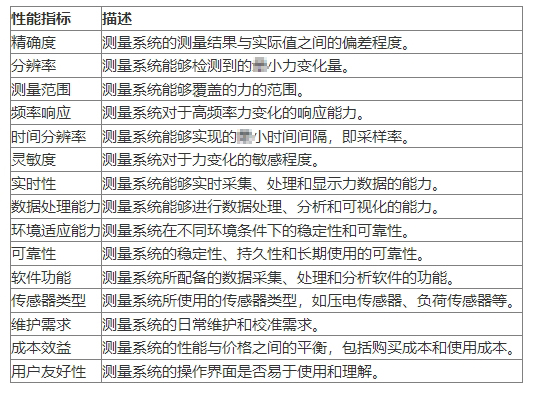
Impact measurement systems typically include the following key
II. Components and Features
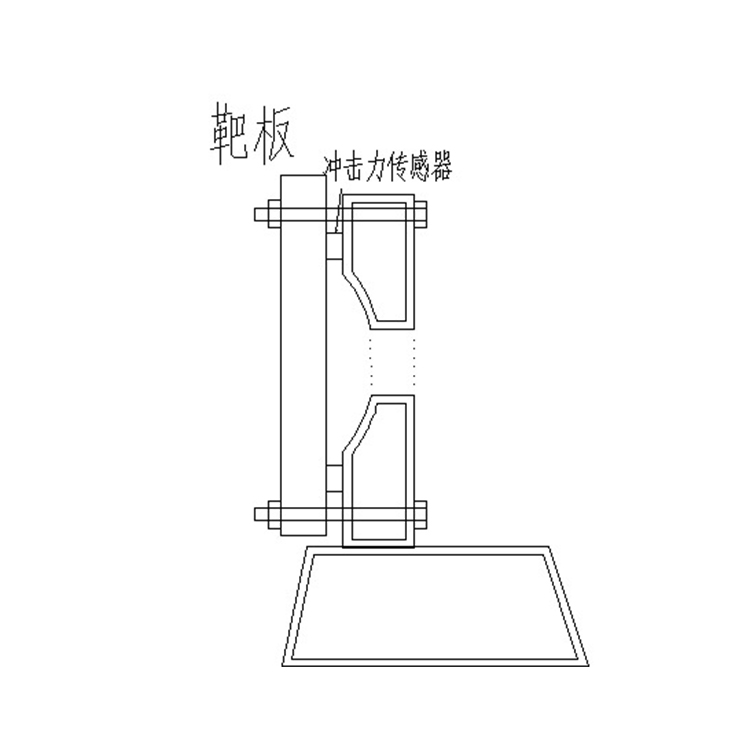
Sensor: Sensors used to measure impact force typically feature high sensitivity and rapid response speed. Common types include piezoelectric sensors, load sensors, strain gauges, etc., which can accurately measure and record the force applied to the surface of an object.
2. Data Collection System: The data collection system is designed to receive signals from sensors and convert them into digital signals for processing and recording. It typically includes components such as data acquisition cards and software, enabling real-time recording and storage of force data during impact events.
3. High sampling rate: Since impact events are typically instantaneous, the impact force measurement system usually has a high sampling rate to ensure the rapid force changes during the impact process are captured.
4. High Precision: The impact force measurement system typically boasts high-precision measurement capabilities, accurately detecting force changes as low as a few newtons.
5. Real-time Monitoring: The impact measurement system can monitor and record force data in real-time during impact events, providing immediate feedback and analysis results.
6. Data Processing and Analysis Function: Impact measurement systems are typically equipped with data processing and analysis software that can handle, analyze, and visualize collected data to assist users in better understanding the mechanical behavior within impact events.
7. Environmental Adaptability: Impact measurement systems generally have good environmental adaptability, capable of stable operation under various working conditions.
Impact measurement systems are widely used in various fields, such as automotive collision tests, sports equipment testing, and engineering material testing. They provide crucial data support for evaluating product performance, optimizing designs, and enhancing safety.