




- AllProduct Category
-
Light curtain target
Technical Articles
Industry News
News & Information
Light-Gas Gun System
Impact Tester
Security Management Platform
Impact/Overshoot Dynamic Checker
Ultra-Dynamic Testing Equipment
Ultra-Dynamic Signal Conditioning/Data Acquisition
Impulse Fire Device
Self-Organizing Network
FlexiBots Industrial Software
Automated Production Line
FlexiBots Assembly Robots
FlexiBots Inspection Robots
Flexible Hazardous Area Electrical Equipment
FlexiBots Industrial Robots



详情描述
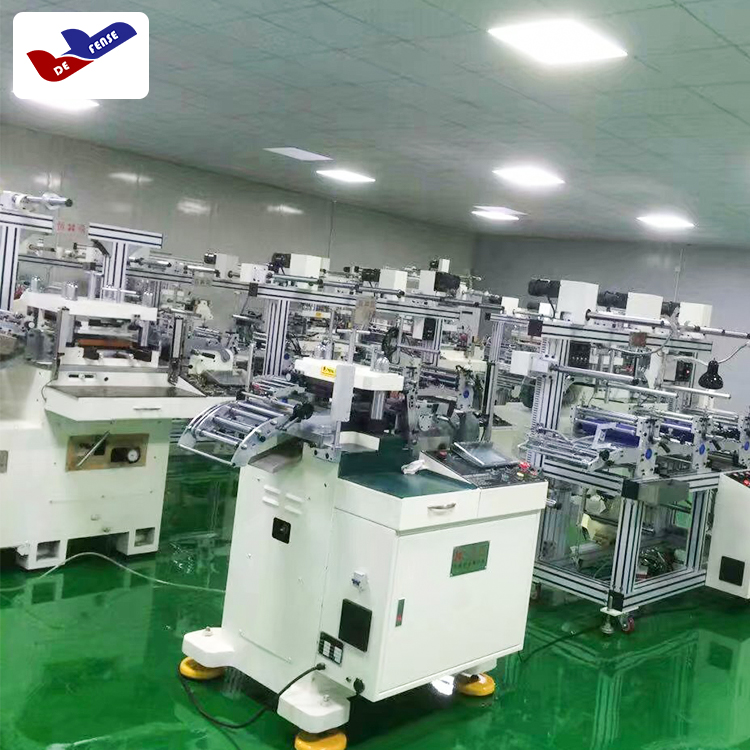
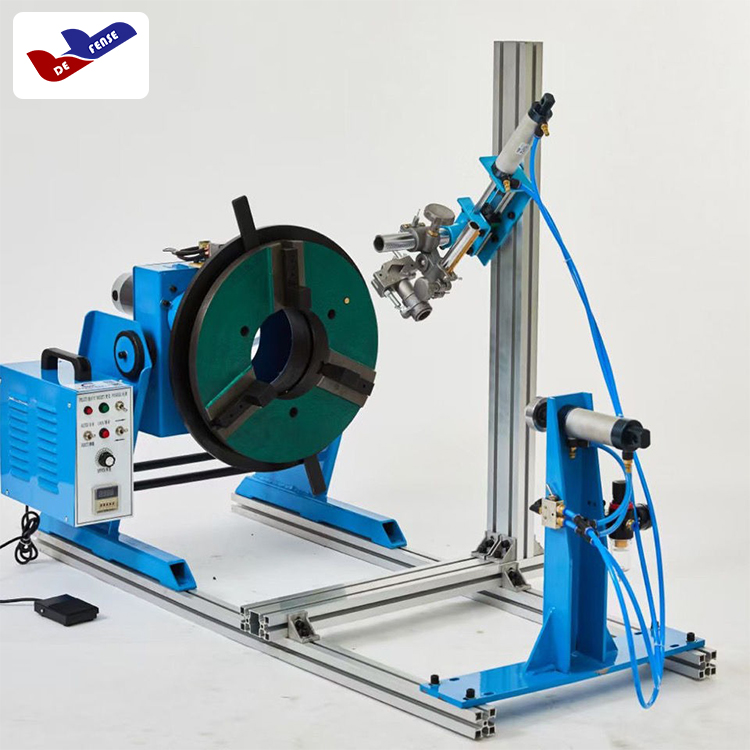
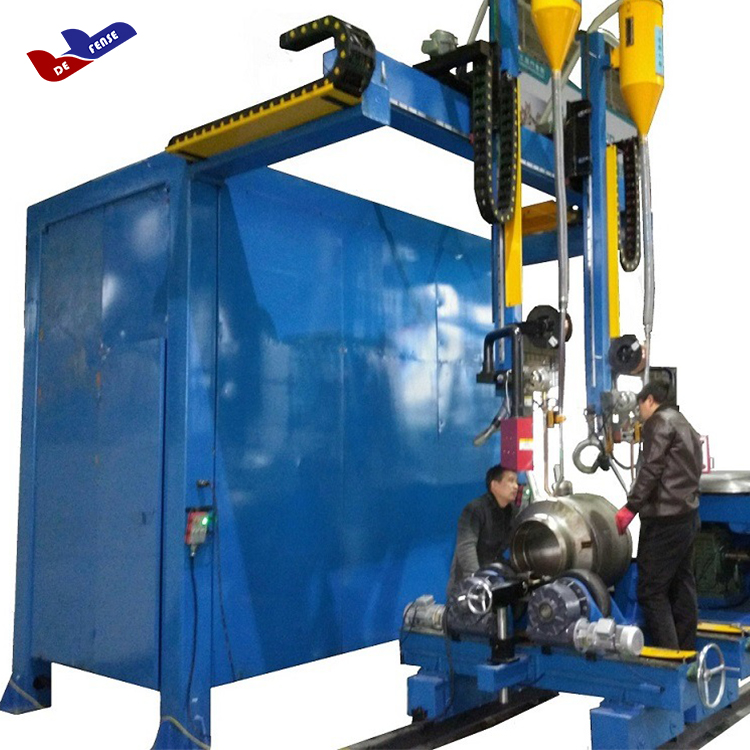
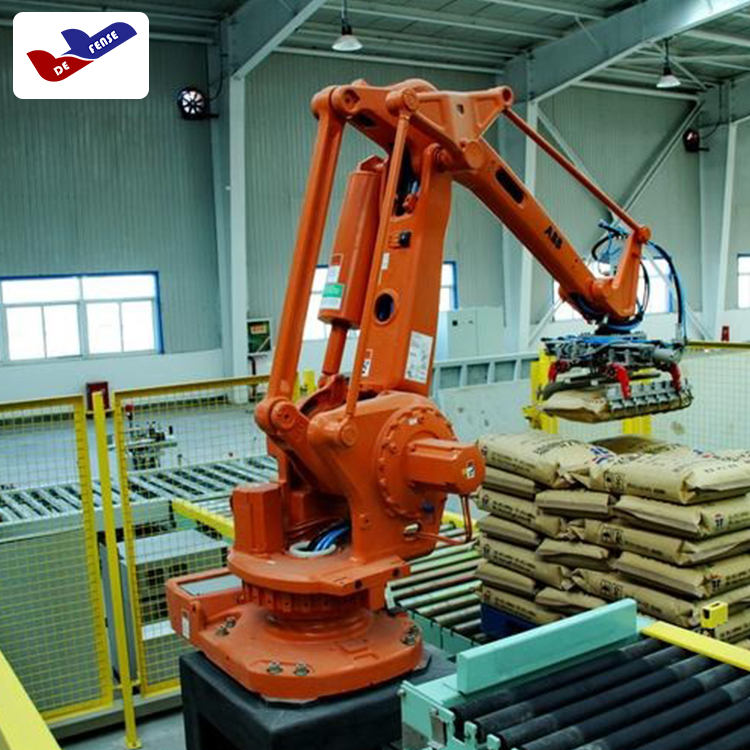
A mold setter machine is a type of engineering equipment commonly used in automated production lines or manufacturing processes. Its primary function is to automatically rotate workpieces from one angle to another during production for subsequent processing or handling.
I. Application Scenarios
Requirement for bulk production:
- During production, some products may require multiple molds for coordination and assembly. Traditional manual assembly is inefficient and prone to errors. Special mold-setting machines, through automated equipment, can achieve efficient and precise mold assembly, avoiding errors caused by manual operation.
2. High Precision Requirement:
- Mold-making dedicated machines are widely used in industries such as electronics, automotive, aerospace, and medical equipment, where high precision of molds is crucial. With a high-precision positioning system, these machines ensure accurate mold assembly, guaranteeing product quality and consistency.
3. Increase Production Efficiency
- When the production line demands high efficiency, specialized mold assembly machines can significantly enhance the speed and stability of mold assembly through automation technology, minimize manual intervention, and thereby improve overall production efficiency.
II. Main Functions
1. Automated Assembly
- Automatically assembles various parts of the mold, including insertion, alignment, positioning, and fixation. Precise alignment and assembly: Ensures accuracy during the assembly of mold parts with high-precision alignment devices, preventing product defects due to assembly errors.
2. Inspection Function:
During assembly, specialized machines for mold setting are typically equipped with sensors or vision systems to detect assembly accuracy, mold integrity, and the presence of defects. These detection devices are integrated with PLC control systems to ensure precision at each stage.
3. Easy to operate
- Molded special machines usually feature a Human-Machine Interface (HMI) system, allowing operators to set, monitor, and control via touchscreens and other interfaces for easy operation and adjustment. PLC control enables users to adjust control parameters in real-time through an intuitive interface.
4. Efficiency:
- The mold assembly dedicated machine reduces manual intervention, enabling quick and efficient assembly of complex molds, thereby enhancing the overall operational efficiency of the production line.
5. Quality Control:
The automated inspection feature of the dedicated mold machine, integrated with the PLC system, allows for real-time monitoring of each stage in the assembly process, ensuring that assembly quality meets standards and reducing product defects.
III. Structural Function
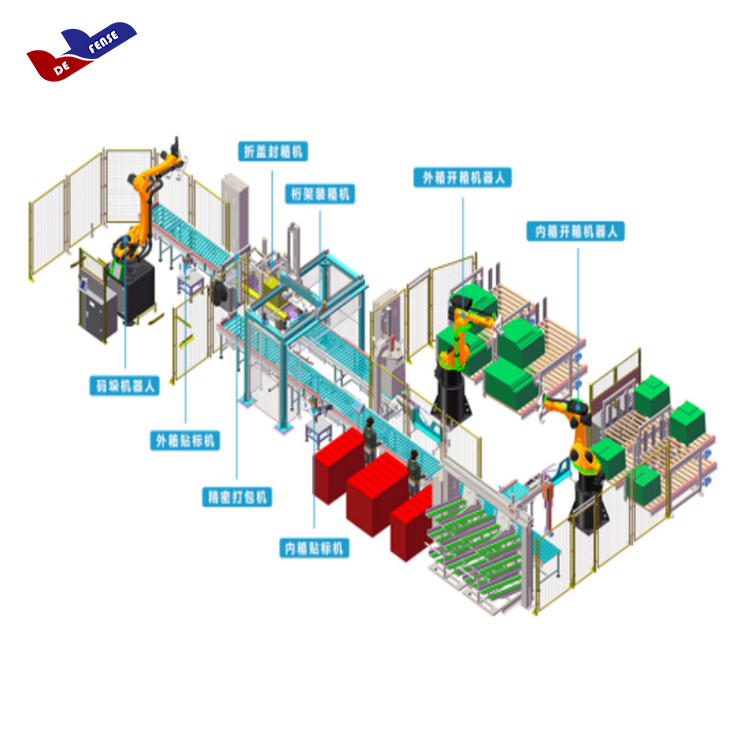
Automated Assembly Platform
- This is the core component of the mold special machine, including automated assembly, movement, and positioning mechanisms. The platform is equipped with mechanical arms, fixtures, and other components for gripping, transporting, and assembling mold parts. A high-precision positioning system ensures that each assembly meets precise requirements.
2. Transmission System:
- The transmission system is crucial for the operation of the machine, including electric motors, servo motors, pneumatic devices, etc., providing the power and drive required during assembly. PLC control allows for precise adjustment of the transmission system's operation, ensuring the equipment's efficiency and stability.
3. Mold Positioning Device
- Ensures accurate positioning of all mold components during assembly. Common methods include mechanical and photoelectric positioning, etc. High-precision positioning technology is employed to avoid assembly errors and ensure precise component alignment.
4. Automatic Detection System
Real-time monitoring of component assembly during the assembly process using sensors and vision systems to ensure product quality. Common inspection methods include visual checks, dimensional measurements, and contact-based detection. All inspection results are fed back through the PLC system for timely adjustments.
5. Control System:
- Mold machines are typically equipped with PLCs (Programmable Logic Controllers) or other automated control systems, enabling monitoring and adjustment of the entire production process. PLCs can perform real-time control based on set parameters and conditions, assisting operators in achieving precise adjustments and fault diagnosis. The PLC control method ensures the automation and high precision of the production process, enhancing the reliability and stability of the entire system.


