


- AllProduct Category
-
Light curtain target
Technical Articles
Industry News
News & Information
Light-Gas Gun System
Impact Tester
Security Management Platform
Impact/Overshoot Dynamic Checker
Ultra-Dynamic Testing Equipment
Ultra-Dynamic Signal Conditioning/Data Acquisition
Impulse Fire Device
Self-Organizing Network
FlexiBots Industrial Software
Automated Production Line
FlexiBots Assembly Robots
FlexiBots Inspection Robots
Flexible Hazardous Area Electrical Equipment
FlexiBots Industrial Robots




详情描述
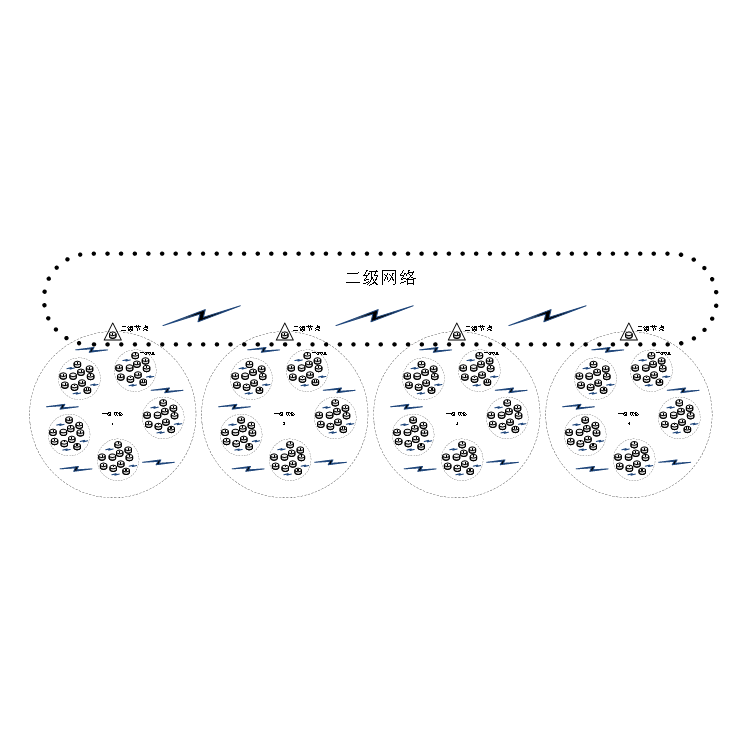
Ad-hoc networks are infrastructure-free mobile wireless networks, where each node can move freely and self-organize into a network. As these nodes are dynamic, routing needs to be adjusted accordingly. To research and validate the performance and reliability of ad-hoc network routing protocols, researchers often use simulation systems for modeling and testing. haiOLSR is one such system designed for OLSR (Optimized Link State Routing).Ink State Routing Protocol Simulation System
Key Features
1. Protocol Support*
- Primarily supports a suite of functionalities for the OLSR protocol, including the MPR (Multi-Point Relay) selection algorithm, and the propagation and maintenance of link state information.
2. Modular design:
- haiOLSR features a modular design, with each functional module independent, allowing for changes and expansions as needed.
3. Integration of Simulation and Analysis Tools
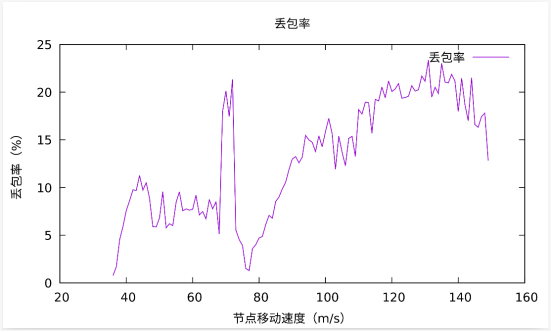
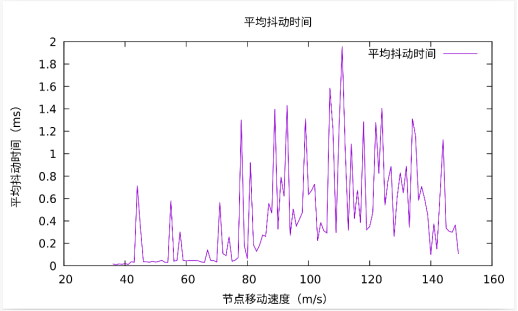
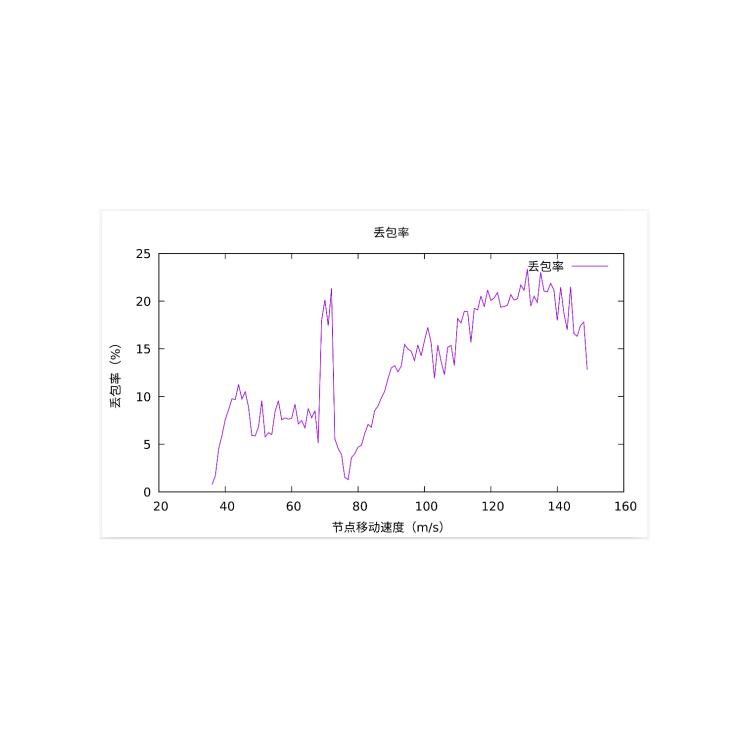
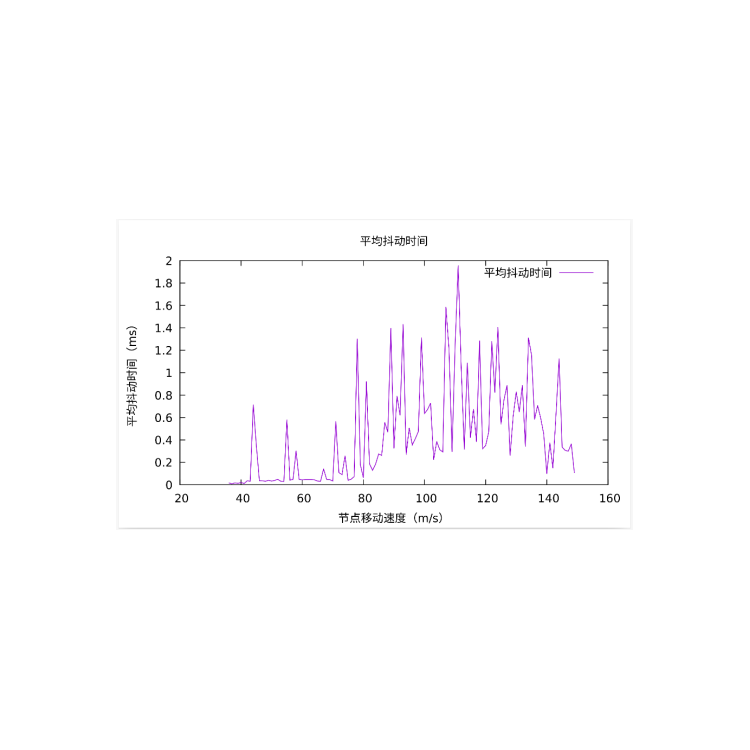
- The haiOLSR integrates various simulation and analysis tools, enabling researchers to easily conduct network performance analysis and evaluation, such as measuring parameters like latency, throughput, and routing overhead.
4. Topology Change Support
- The system can simulate dynamic node movement, the creation and disconnection of communication links, thus testing the performance of the OLSR protocol under different network topologies.
Application Scenario
Academic Research:
Research and optimize the performance of the OLSR protocol, enhancing routing efficiency, reducing latency, and minimizing bandwidth consumption, among other improvements.
2. Educational Training
- Used for teaching courses on self-organizing networks and OLSR protocol, helping students understand and master the working principles and practical applications of self-organizing network protocols.
3. Industrial Applications:
Conduct simulation validation prior to actual deployment to ensure the OLSR protocol operates normally in specific application scenarios, such as disaster relief, battlefield communication, and remote monitoring.
Advantages:
Highly Intuitive
- The simulated system offers visualization tools that make network topology, communication processes, and simulation results easier to understand and analyze.
2. Flexible and Reliable
Offer a rich array of configuration options, allowing for flexible adjustment of simulation parameters to meet various research requirements.
Limitations:
Hardware Resource Consumption:
Complex simulation environments may consume a significant amount of computational resources, requiring support from high-performance computers.
2. Real-world discrepancies:
Although simulation systems can closely approximate real-world environments, they still cannot fully replace actual deployment testing. In practical applications, issues that simulations cannot foresee may arise.