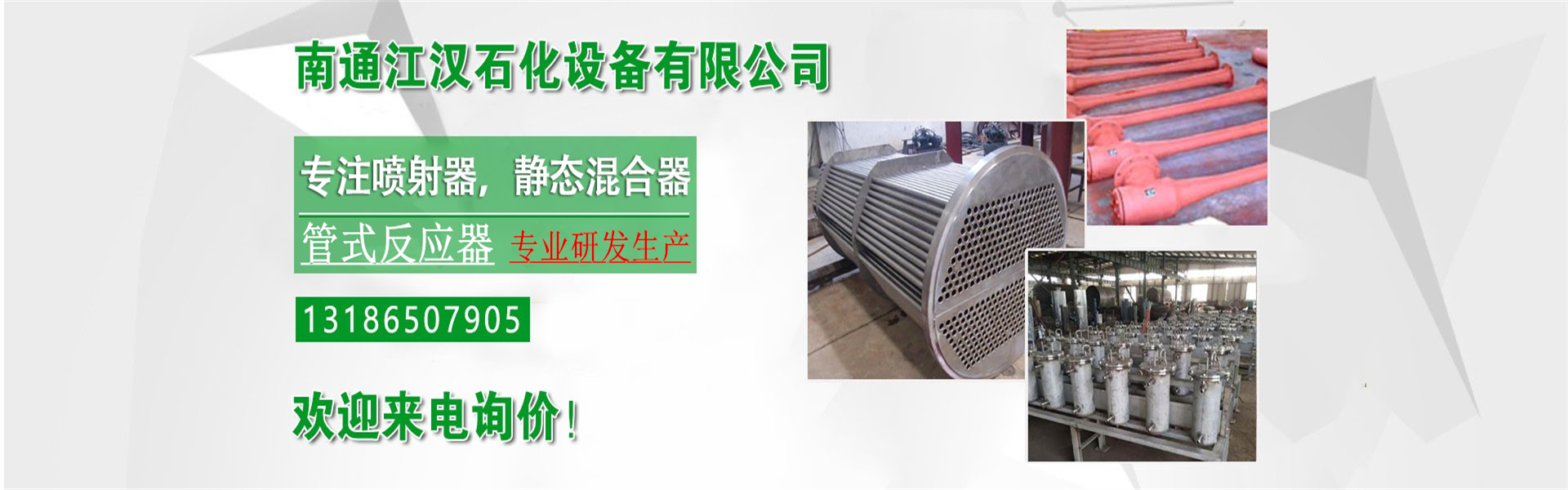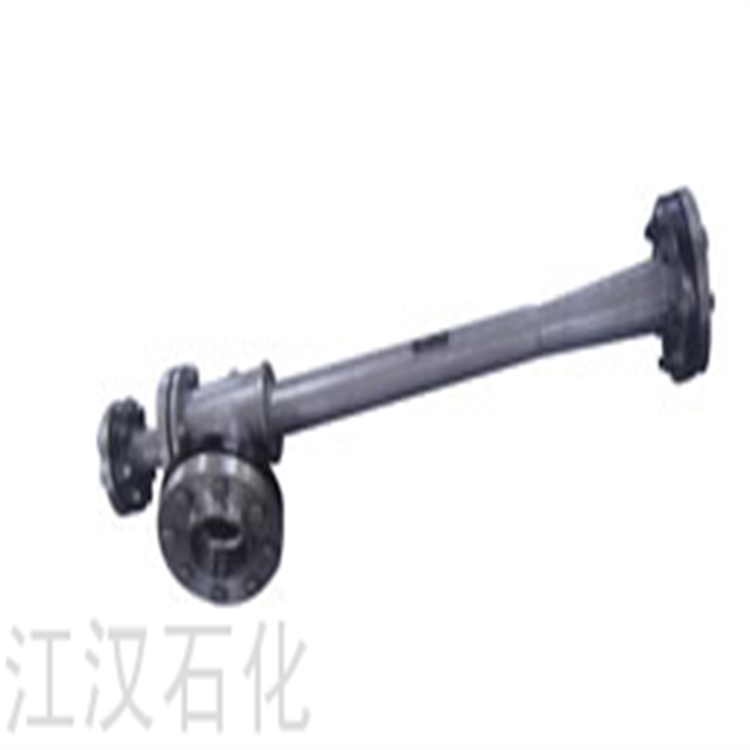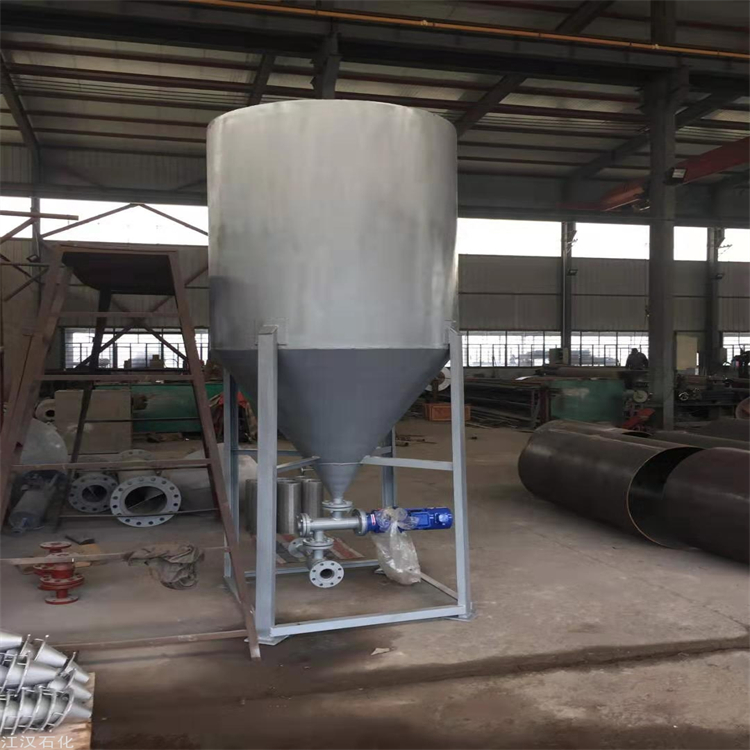
Specializes in tubular reactors, pipe reactors, steam-water mixers, and other petrochemical equipment
13186507905


Product Recommendation
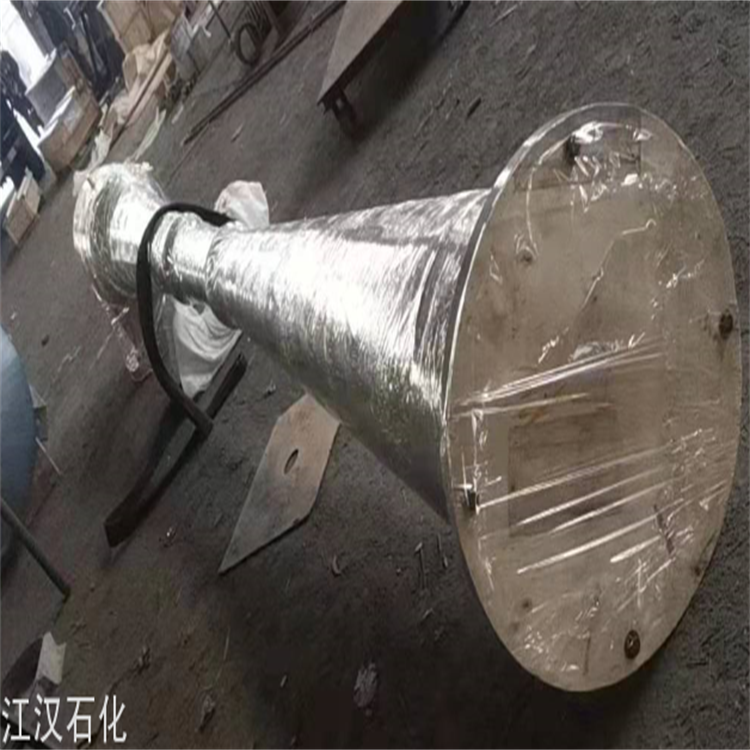
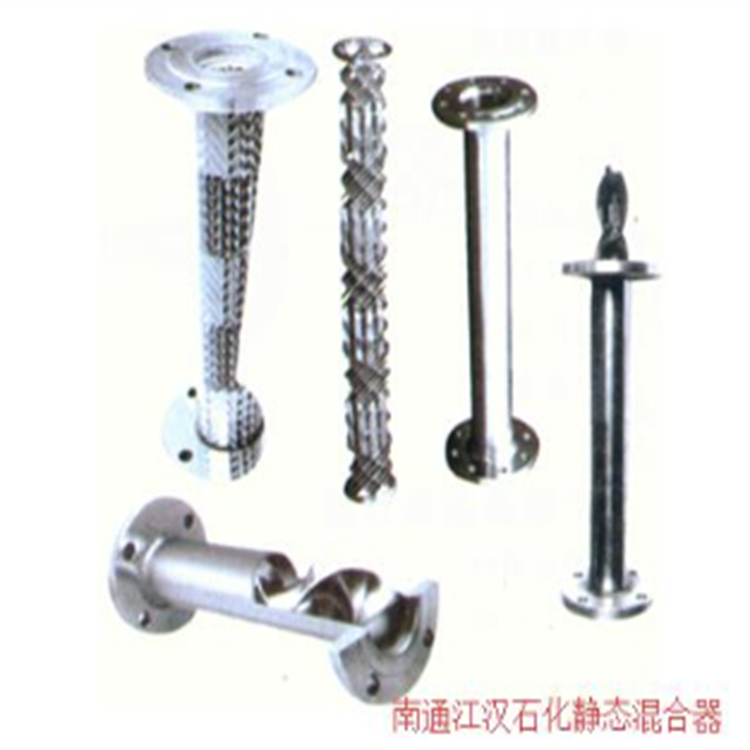
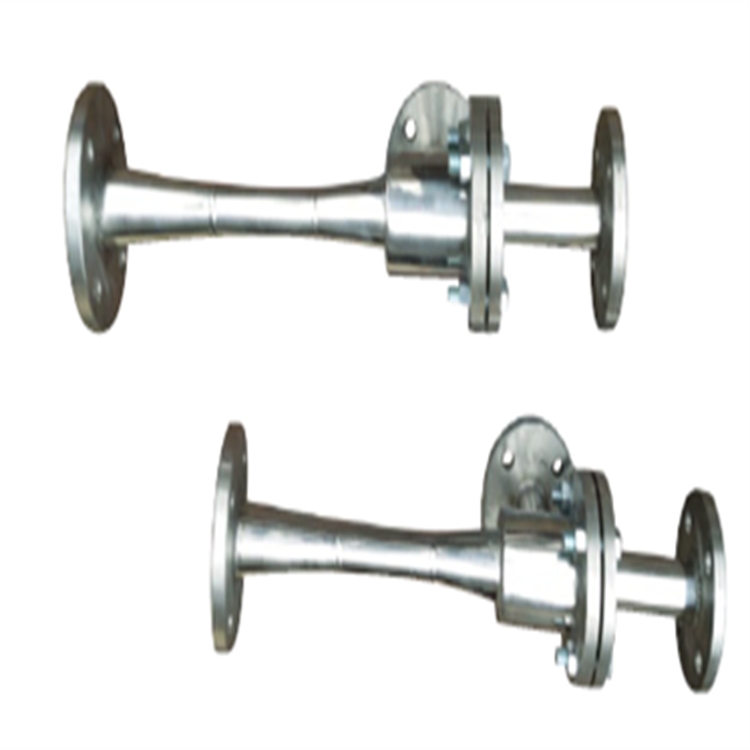
The tube reactor, a novel, high-efficiency, energy-saving, and multi-functional mixing reactor, is suitable for rapid reactions, polymerization reactions, exothermic, flammable, and explosive processes, especially under high temperature, high pressure, and high viscosity conditions. The advantages of the tube reactor lie in utilizing the benefits of static mixers. It offers more stable reactions, uniform heat release, excellent pressure and high-temperature resistance, and is significantly more cost-effective than the kettle reactor. With years of engineering experience and continuous improvement, the tube reactor can be designed with removable sections for easy cleaning in systems prone to scaling and crystallization. Additionally, it can be modularly combined to adapt to varying process and reaction time requirements.
The advantages and disadvantages of tubular reactors are that they are a type of reactor with a tubular shape and a high length-to-diameter ratio, consisting of static mixers as individual units, and are highly suitable for a variety of rapid and slow reactions, polymerizations, condensations, sulfonations, nitrations, chlorinations, nitriding, and other reactions. Tubular reactors are widely used in the petrochemical, pharmaceutical, pesticide, fuel, environmental protection, and high polymer chemical production industries. They are particularly convenient for controlling energy changes, pressure, and medium flow rates during the reaction process, especially under high temperature, high pressure, and high viscosity conditions. They provide safe and reliable control of flammable, explosive, and toxic media, featuring low energy consumption, stable reactions without dead spots, ease of operation, and safety with no leaks.
The advantages and disadvantages of the tubular reactor lie in the capability to install two types of mixing units: K-type and X-type mixing units. These mixing units increase the contact area of the fluid, thereby enhancing the heat transfer coefficient (the heat transfer coefficient for gases can be improved by 5-8 times; for heating viscous liquids, the coefficient can increase by 3-5 times; during gas condensation with a significant amount of non-condensable gases, the coefficient can rise to 8.5 times; for heat exchange in high molecular weight melt, it can reduce the temperature and viscosity gradients across the tube cross-section). It also forces the fluid within the forced boundary layer to flow towards the tube center, which on one hand reduces the thickness of the boundary layer, and on the other hand accelerates the fluid within, ensuring thorough and uniform mixing of immiscible liquid phases.
The advantages and disadvantages of the tubular reactor are due to the long pipe length based on customer dwell time.
Contact us

Service Hotline
13186507905
Company Telephone
13186507905

Address
8, Chengdong Industrial Park, Qidong, Jiangsu Province
b2b.china9.net © Zhongshang 114 Hebei Network Technology Co., Ltd.Address: Room 6009, Oriental New World Center, No.118 East Zhongshan Road, Qiaoxi District, Shijiazhuang City, Hebei ProvincePlatform Service Hotline: 4006299930