




- AllProduct Category
-
Solutions
Customer Case Studies
Physical and Chemical Laboratory Equipment
Physical Optical Instruments
Research Customization
Thermal Analyzer






详情描述
Instrument Application
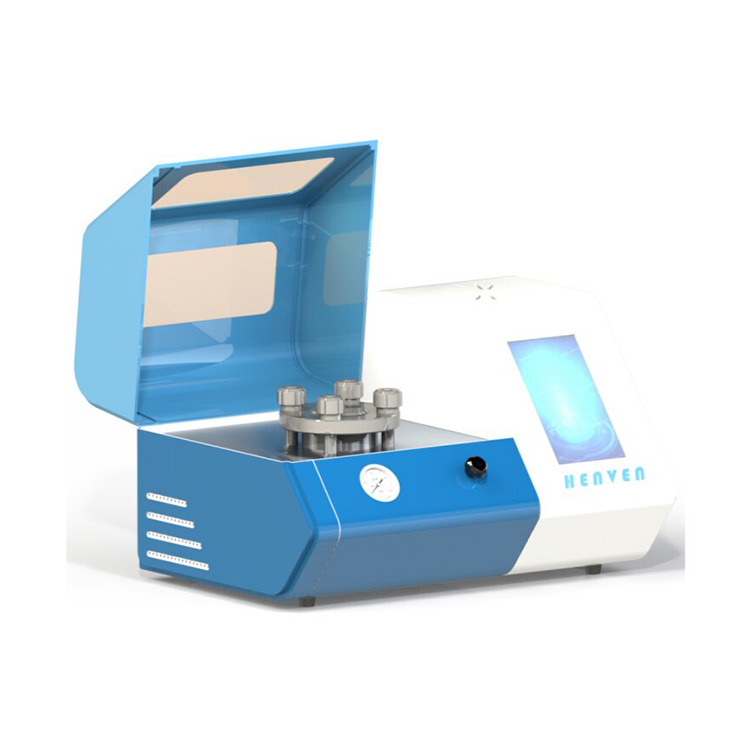
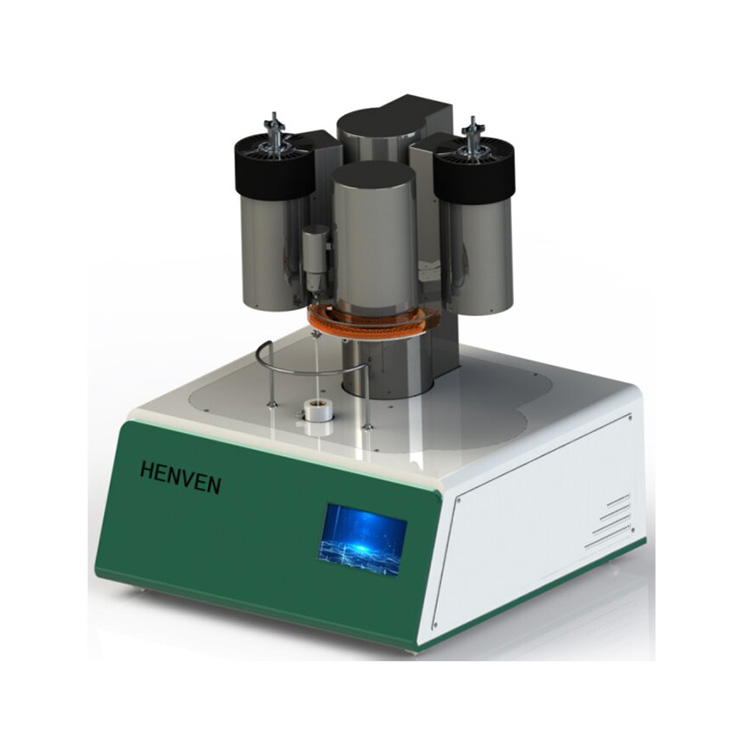
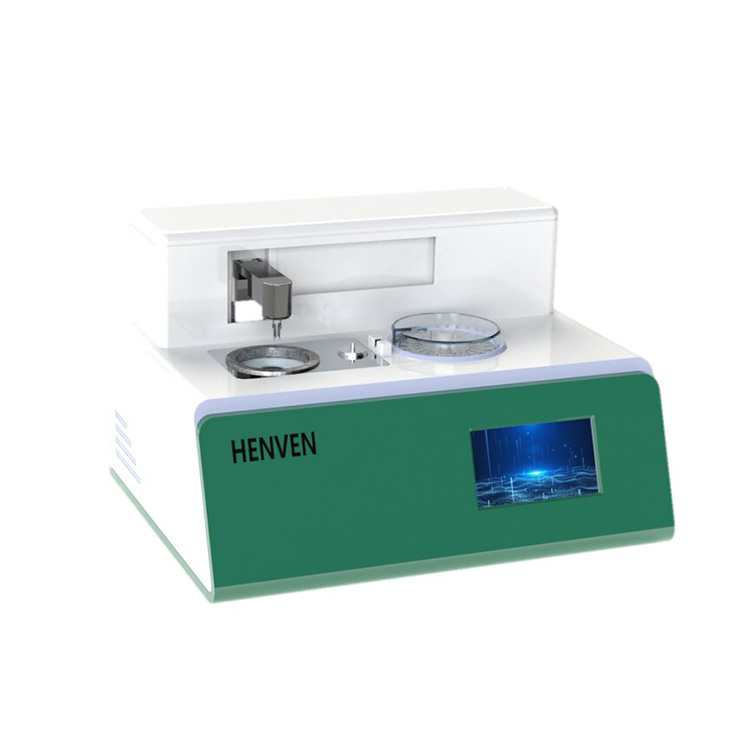
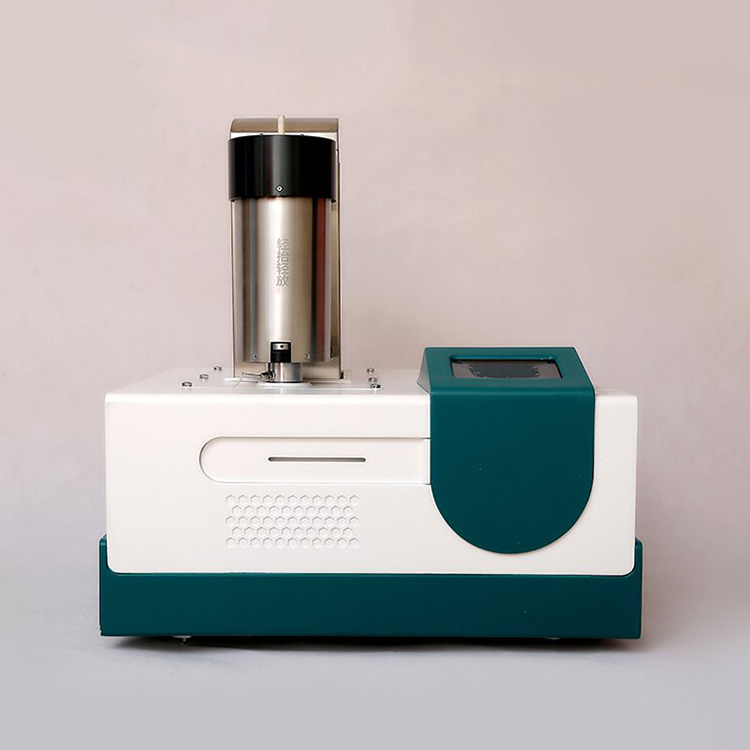
Applies to industries such as polymers, hazardous chemicals, pharmaceutical synthesis, plastics, rubber, and coatings, providing research and testing, quality control, and failure analysis.
Instrument Features
Ø Employ various interchangeable sensors, suitable for different application scenarios.
Refine the furnace body mechanical design, enhance the stability of airflow guidance grooves and heat preservation structure of the uniform heat blocks, resolve fluctuations caused by internal cold and hot convection in the furnace, and reduce the scattering error induced by cold and hot convection.
Optimized algorithms to perform software calibration during processes with different temperature points, varying heating rates, and different gas flow rates, enhancing measurement sensitivity.
Method for weakening the sensor output signal under the refrigeration-heat-electric effect, based on the interaction between refrigeration, heat, and electricity. By optimizing the selection of sensor materials and the orientation relationship between refrigeration factors and temperature gradients, the influence of electric potential is reduced or eliminated. Establish the selection criteria for sensors used under high and low temperature conditions.
Thermal stability control method for temperature composite, eliminating the interaction effects between the electric heating unit and refrigeration at low temperatures, reducing the disturbance of peripheral refrigeration equipment on the uniformity of furnace temperature during heating/cooling processes, ensuring the heating, cooling, temperature control, and stability of the heating furnace.
Gas Flow Rate Precision Measurement - Static Sample Stabilization Method for Ventilation Experiments, optimized design for ventilation modules and core areas to reduce the issue of sample position displacement caused by gas resistance, ensuring stable sample position during measurement under a fixed flow rate condition.
Wide temperature range control method with high and low temperature isolation, combining multi-flow resistance temperature control platform for high and low temperature fluids with low thermal capacity high temperature radiation heating, achieving precise and controllable cooling and heating rates over any temperature range from low to high for test samples.
Programmable temperature control method, the entire heating is composed of a heating sealed furnace body, a temperature measurement module, and a temperature control module, utilizing intelligent PID temperature control for internal heating.
Automatic temperature control method, consisting of a liquid nitrogen tank, a thermostatic controller, and an booster system. The pressure is regulated to maintain the required system pressure using a pressure relief valve. Flow rate is controlled by an electromagnetic valve, and after passing through a preheater for vaporization, programmed cooling is achieved.
Instrument specifications
Temperature Range: -150℃ to 680℃ (LN2 refrigeration) & Room Temperature to 1150℃ & Room Temperature to 1550℃
Temperature Accuracy: 0.1℃
Calorimetric Precision: 1% (standard metal)
Heating Rate: 0.1-50K/min ( customizable )
Cooling Rate: 0.1-50K/min ( customizable )
Pressure Range: 0.1~10.0 MPa
Pressure Accuracy: 0.002 Mpa
Pressure Control System: Dynamic Pressure Control
Temperature Calibration: Multi-point Nonlinear Calibration
Test Modes: Includes static, dynamic, variable pressure, and flow.
Test Atmosphere: Oxidation, Reduction, Inert, Steam
Software: Supports both Chinese/English control analysis software, compatible with Windows operating system.
询价单


