




- AllProduct Category
-
Solutions
Customer Case Studies
Physical and Chemical Laboratory Equipment
Physical Optical Instruments
Research Customization
Thermal Analyzer




详情描述
Third-party inspection agency
Material Performance Evaluation and Quality Control
Third-party testing agencies commonly employ techniques such as Thermogravimetric Analysis (TGA), Differential Scanning Calorimetry (DSC), and Dynamic Mechanical Analysis (DMA) to assist clients in resolving material performance issues. For instance:
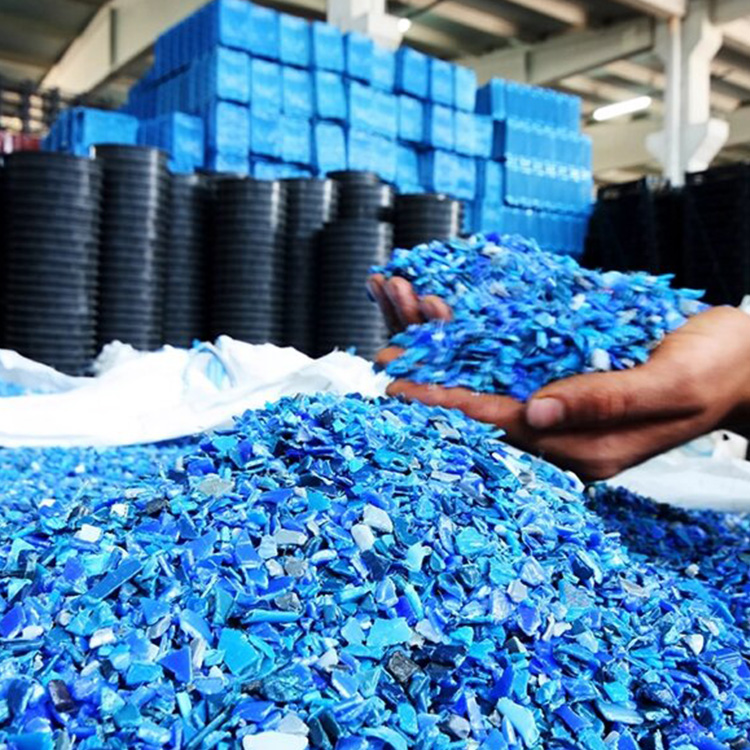
High Polymers: Determine the glass transition temperature (Tg) and melting point of plastics via DSC to evaluate their processing properties; use TGA to analyze the thermal decomposition behavior of flame-retardant materials to verify if their fire rating meets industry standards.
Electronic Components: Utilize Thermal Mechanical Analysis (TMA) to measure the thermal expansion coefficient of packaging materials, to prevent product failure due to temperature changes.
Pharmaceutical Industry: Test the thermal stability of drug raw materials, determine storage conditions and shelf life, ensuring drug safety.
The high sensitivity and repeatability of the thermal analyzer enable it to rapidly identify material defects, providing a basis for production enterprises to optimize their processes.
2. Failure Analysis and Fault Diagnosis
Third-party testing agencies are often entrusted by companies to trace the causes of product failure. For instance, if a car part deforms under high-temperature conditions, a combined analysis using TGA and DSC can determine if the material's decomposition temperature meets standards or if impurities are causing a decrease in thermal stability. In the field of new energy, an abnormal thermal shrinkage rate of battery separators may cause short circuits. A thermal analyzer can precisely locate the problematic stage, helping customers improve their designs.
3. Standard Certification and Compliance Testing
As global trade barriers rise, products must pass domestic and international certifications such as ISO, ASTM, GB, etc. Third-party testing agencies use thermal analysis techniques to provide clients with compliance test reports. For example:
Insulation materials for construction must pass the TGA fire resistance test to meet fire safety regulations.
Food packaging materials must pass migration tests to verify their safety at high temperatures.
Environmentally friendly materials must provide proof of their biodegradability, and thermal analysis data can serve as a basis for carbon emissions calculation.
The authority and independence of third-party institutions make their test results more easily recognized by market regulatory authorities and international clients.
4. Customized Services & Technological Innovation
For clients' unique requirements, third-party testing facilities can integrate various thermal analysis techniques to offer customized solutions. For instance, combining DSC with infrared spectroscopy (FTIR) for real-time analysis of the composition of material decomposition products; or using high-speed scanning calorimetry (Hyper-DSC) to detect the rapid crystallization process of high polymers. Additionally, some institutions have developed databases and intelligent analysis systems to help clients quickly compare material properties, shortening the R&D cycle.
询价单


