







- AllProduct Category
-
Solutions
Customer Case Studies
Physical and Chemical Laboratory Equipment
Physical Optical Instruments
Research Customization
Thermal Analyzer







详情描述
Plastic / Rubber
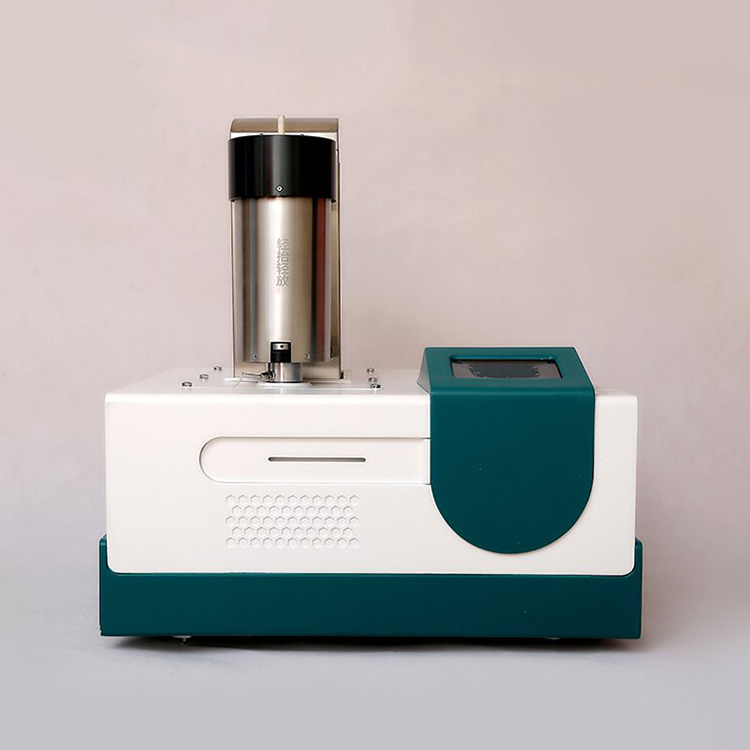
The applications of thermal analyzers in plastics and rubbers mainly include two techniques: thermal gravimetric analysis (TGA) and differential scanning calorimetry (DSC).
Thermogravimetric Analysis (TGA) Applications in Plastics and Rubbers
Thermogravimetric Analysis (TGA) is a technique used to measure sample mass as it changes with temperature. In the plastics industry, TGA is utilized to study the thermal stability, thermal decomposition behavior, and composition analysis of plastics. By simulating the mass change of plastics at different temperatures, it is possible to evaluate their heat resistance, decomposition temperature, and component content, providing crucial data for the design, production, and application of plastic products. For instance, in automotive manufacturing, the high-temperature stability and creep resistance of plastic materials directly affect the safety and service life of vehicles.
In the rubber industry, TGA is used to study the thermal stability and aging behavior of rubber. Rubber is prone to thermal oxidation reactions at high temperatures, leading to performance degradation. TGA testing allows for a deeper understanding of the thermal stability and aging mechanisms of rubber at various temperatures, thereby providing a basis for heat-resistant design and optimization of rubber products. Additionally, TGA can assess the viscoelasticity, thermal expansion, and shrinkage properties of rubber, offering crucial information for production process control and quality assessment.
Differential Scanning Calorimeter (DSC) Applications in Plastics and Rubbers
DSC (Differential Scanning Calorimeter) is used to measure the heat difference between the sample and the reference material. In the plastic industry, DSC is employed to study the melting behavior, crystallization behavior, and glass transition temperature of plastics. Through DSC testing, one can obtain critical parameters such as the melting point, crystallinity, and glass transition temperature of plastics, which are crucial for predicting the performance of plastic products and quality control.
In the rubber industry, DSC is primarily used to study the melting behavior, crystallization behavior, and polymorphism of rubber. DSC testing can determine the melting point, crystallinity, and glass transition temperature of rubber, which are crucial for the design and performance prediction of rubber products.
询价单


