



- AllProduct Category
-
Solutions
Customer Case Studies
Physical and Chemical Laboratory Equipment
Physical Optical Instruments
Research Customization
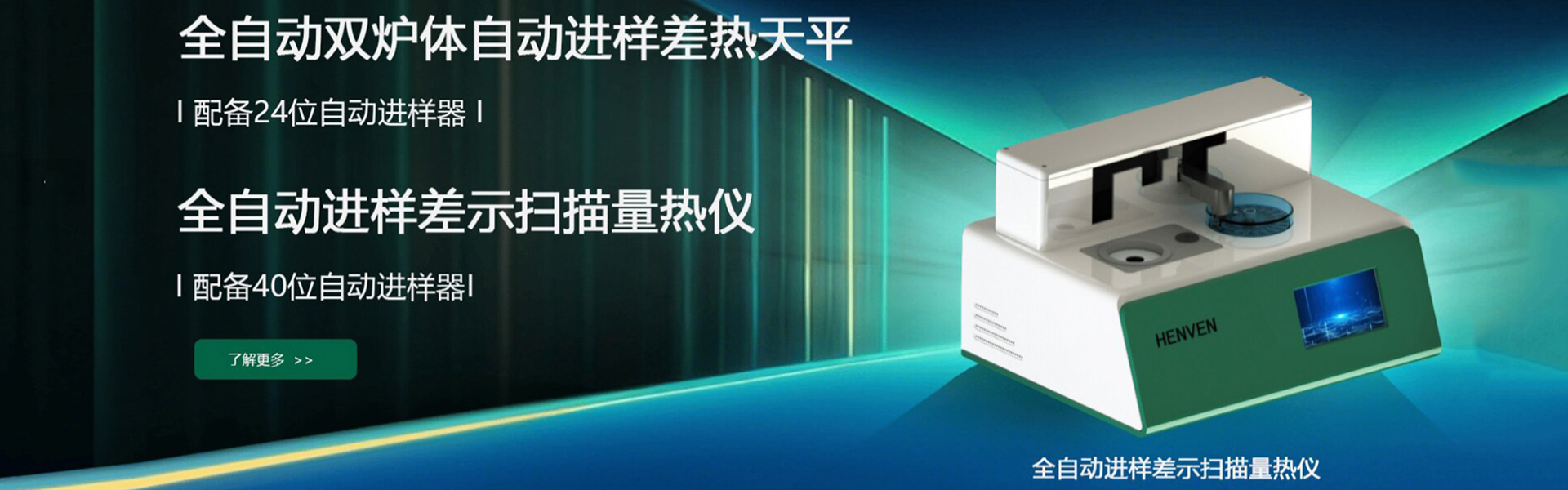
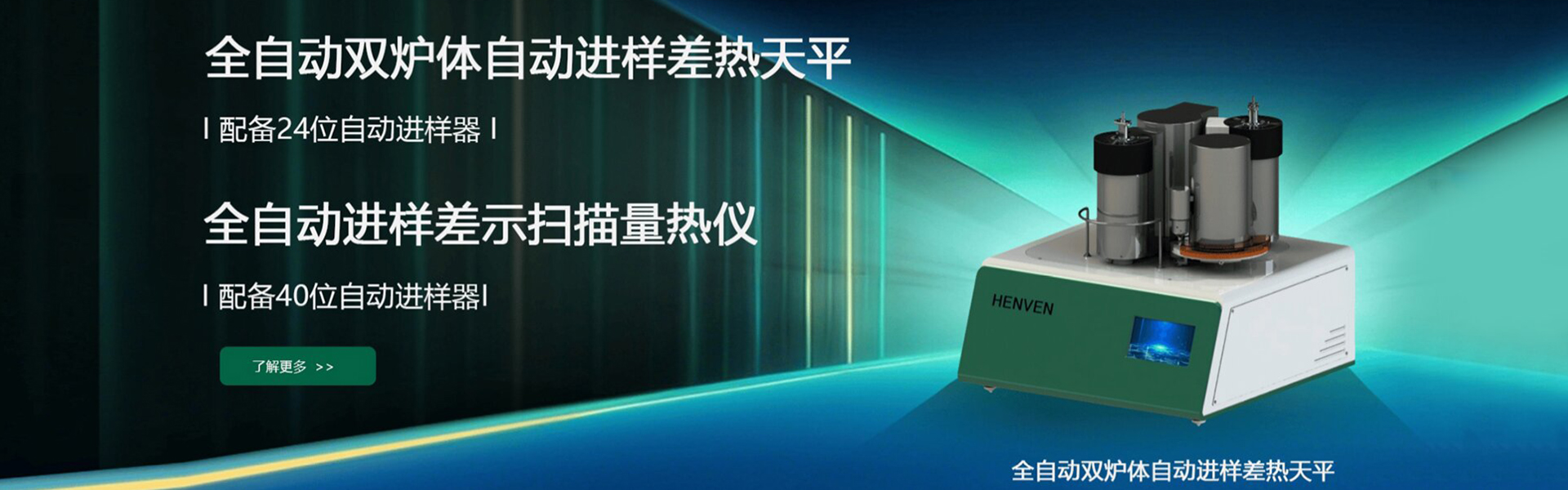
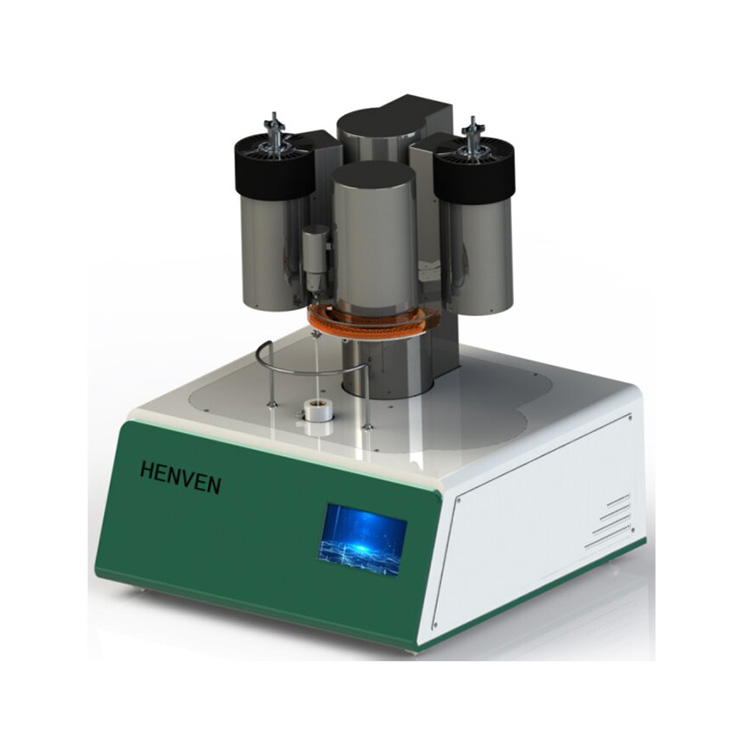
Thermal Analyzer


详情描述
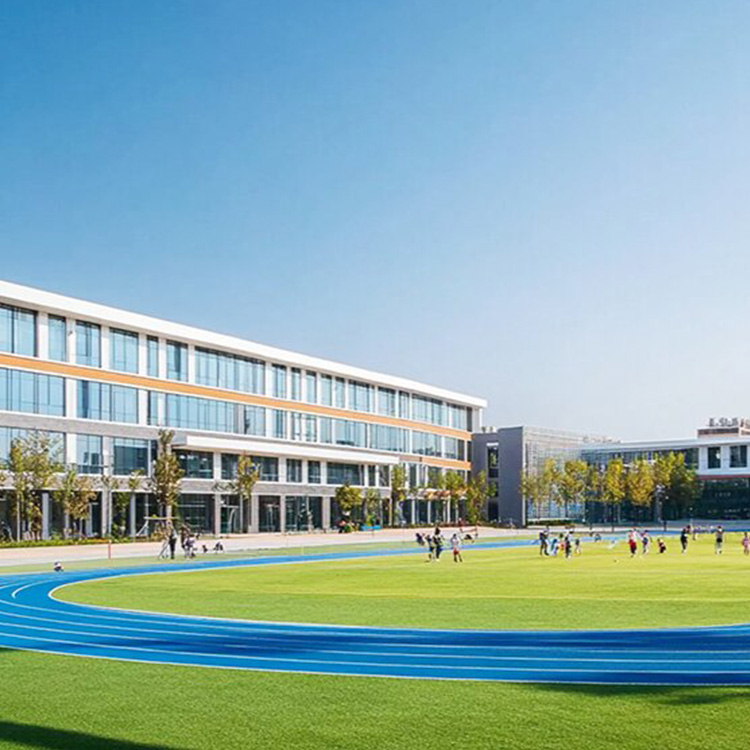
Education / Technology Institutions
Teaching Applications: The Bridge Between Theory and Practice
In higher education, thermal analyzers are a crucial tool for cultivating students' research capabilities. Through experimental courses, students can directly observe the physical and chemical changes of materials during heating or cooling, such as the thermal decomposition of polymers, metal oxidation reactions, or the thermal stability analysis of drugs. Instructors can guide students to understand thermodynamic and kinetic principles by combining STA data, mastering instrument operation, data collection, and analytical methods. Additionally, STA supports interdisciplinary teaching, such as in the course of new energy materials, where students can analyze the thermal behavior of battery materials, correlate material structure with performance, and enhance their ability to solve complex problems.
Scientific Research Applications: Driving Innovation in Multi-Disciplinary Research
In the field of scientific research, thermal analyzers provide key technical support for material characterization. For example:
Material Science: Researchers utilize STA analysis to evaluate the thermal stability, phase transition temperatures, and decomposition mechanisms of composite materials, providing data support for the development of high-temperature-resistant or functional materials.
Chemistry and Pharmacy: STA can be used to study the thermal degradation pathways of drug active ingredients, optimize drug formulations and storage conditions; in the catalysis field, analyze the thermal reaction behavior of catalysts to enhance catalytic efficiency.
Environmental Science: Investigates the pyrolysis process of biomass energy to assess its feasibility as an alternative energy source; or analyzes the transformation mechanisms of pollutants under high temperatures to aid in environmental governance.
STA's synchronous detection feature significantly enhances experimental efficiency and avoids potential errors that may exist in traditional single thermal analysis, especially suitable for complex reaction mechanisms. For instance, in polymer research, by synchronously obtaining mass loss and heat flow curves, materials' melting, decomposition, or oxidation processes can be precisely distinguished, providing reliable evidence for establishing theoretical models.
Enhance the research and teaching capabilities of the institution
For educational and research institutions, equipping a thermal analyzer not only enhances hardware capabilities but also facilitates the transformation of scientific research outcomes through school-enterprise cooperation or inter-institutional sharing. For instance, universities collaborate with new energy companies to conduct battery material research, optimizing material synthesis processes with STA data to promote deep integration of industry, academia, and research. Additionally, the equipment supports graduate student thesis research and cultivates high-level technical talents.
询价单


