



- AllProduct Category
-
Solutions
Customer Case Studies
Physical and Chemical Laboratory Equipment
Physical Optical Instruments
Research Customization
Thermal Analyzer



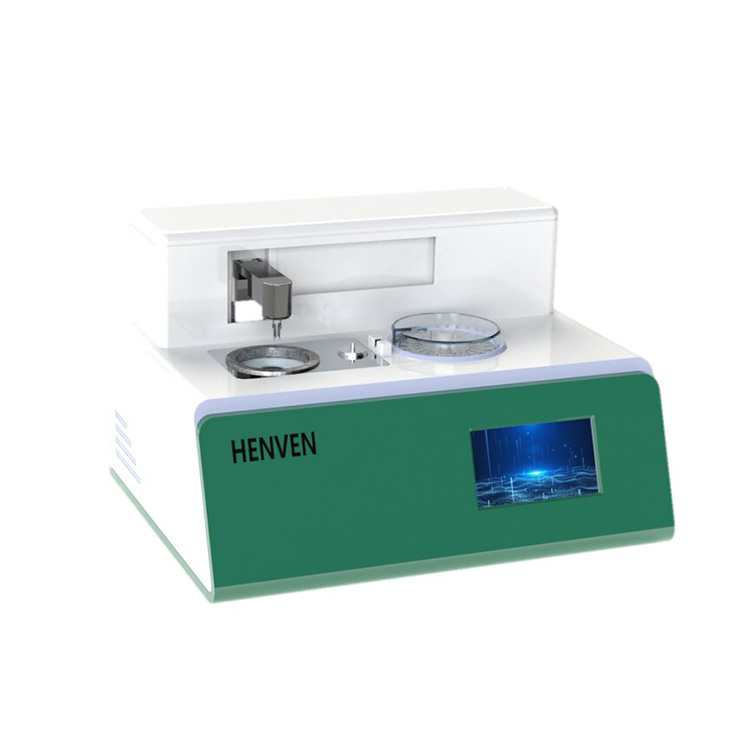
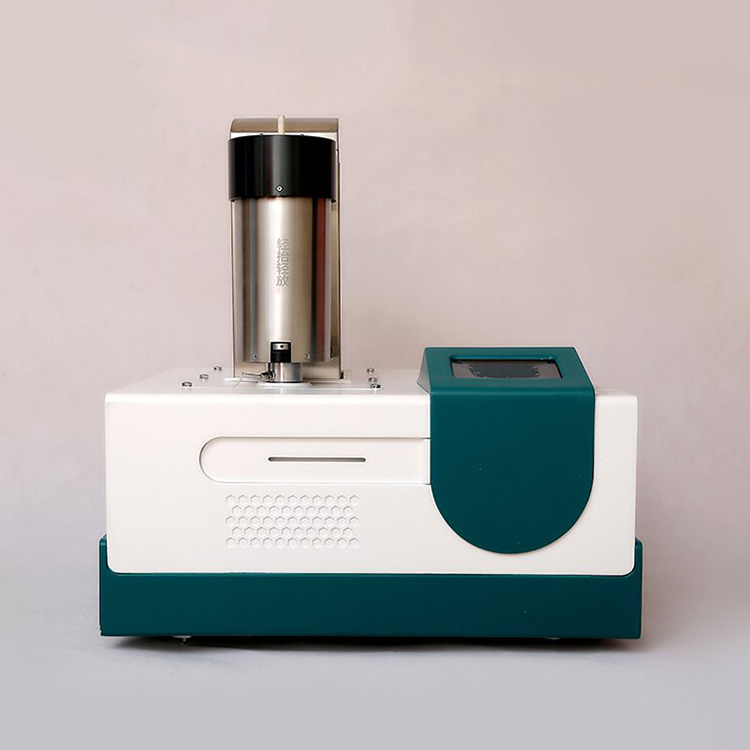
详情描述
Metal / Ceramic
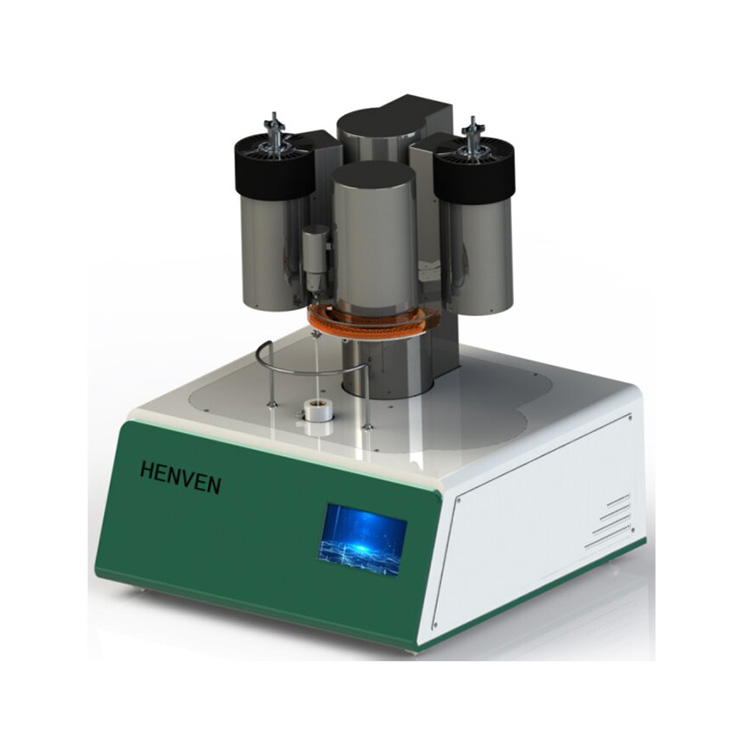
Thermal analyzers, particularly synchronous thermal analyzers (TG-DSC), are extensively used in various fields such as ceramics, glass, metals/alloys, minerals, catalysts, energetic materials, plastic polymers, coatings, pharmaceuticals, and food, primarily for the comprehensive evaluation and analysis of their thermal properties. In the study of metal ceramics, thermal analyzers can be employed to investigate their thermal decomposition characteristics, sintering processes, recrystallization, phase transition temperatures, and thermal expansion coefficients.
For example, using a synchronous thermal analyzer, this equipment is used to explore the thermal decomposition characteristics of ceramic materials. By setting the heating rate and introducing a protective gas, it is possible to accurately obtain critical data such as the thermal decomposition temperature, weight loss range, and weight loss rate of ceramic samples. For instance, during the experiment, as the ceramic sample is heated from 20℃ to 900℃, the thermal decomposition mechanism and stability characteristics can be revealed through DSC-TG curve analysis.
1. Research and optimization of ceramic materials. By precisely measuring the mass change and heat flow of ceramic materials during the heating process, researchers can gain a deep understanding of the key properties such as thermal stability, sintering temperature, and crystalline behavior.
2. Performance Evaluation of Ceramic Products. STA analysis provides thermal stability data for ceramic materials at various temperatures, including their melting point and glass transition temperature. This data aids in assessing the service life and performance retention of ceramic products under high-temperature environments.
3. Quality control during the production process. On one hand, it can be used for online monitoring during production to real-time detect the thermal property changes of ceramic materials. On the other hand, it can be applied to raw material inspection to ensure the reliability of the raw materials used.
4. Research on Environmental Adaptability. With the growing awareness of environmental protection, the study of environmental adaptability in the ceramics industry is becoming increasingly important. The synchronous thermal analyzer can assist researchers in evaluating the performance changes of ceramic materials under various environmental conditions, such as humid heat environments, acidic and alkaline corrosion, etc.
As the capabilities of the synchronous thermal analyzer become increasingly robust, the gap with imported brands is narrowing, and its application fields are continuously expanding. Therefore, as a manufacturer of synchronous thermal analyzers, we are continuously enhancing and optimizing the instrument to meet the diverse testing requirements of our clients.
Thermogravimetric analyzers in metal applications
The thermogravimetric analyzer is primarily used to determine the relationship between the mass change of metals during heating and temperature, commonly employed in the following aspects:
Determination of Metal-Gas Reactions: The process of metal-gas reactions, such as the reduction of iron oxide in hydrogen gas, can be analyzed through thermogravimetric analysis, providing insights into reaction quantity and kinetics._
Research on Magnetic Materials: Utilizing the characteristic of mass change in magnetic materials during heating for temperature calibration and property analysis.
Thermal Analyzers for Metal Applications
The Synchronous Thermal Analyzer (STA) integrates TGA (Thermogravimetric Analysis) and DSC (Differential Scanning Calorimetry) technologies, widely used in material science, pharmaceuticals, and new energy research fields. Its main applications include:
Phase Change Analysis: Inference of the phase change process of metals, such as the transformation from Austenite to Martensite, to assist in adjusting heating/cooling rates._
Thermal Property Parameter Measurement: Combine the heat source with an infrared thermal imager to analyze the thermal conductivity and coefficient of thermal expansion of the metal.
Fatigue and Fracture Study: Assessing fatigue life and fracture toughness by monitoring temperature changes in materials under cyclic loading.
Welding and Additive Manufacturing: Real-time monitoring of temperature distribution during welding and 3D printing processes to optimize process parameters.
Melting Process Control: Non-contact measurement of molten metal temperature, optimized energy input, reduced energy consumption.
询价单


