



- AllProduct Category
-
Solutions
Customer Case Studies
Physical and Chemical Laboratory Equipment
Physical Optical Instruments
Research Customization
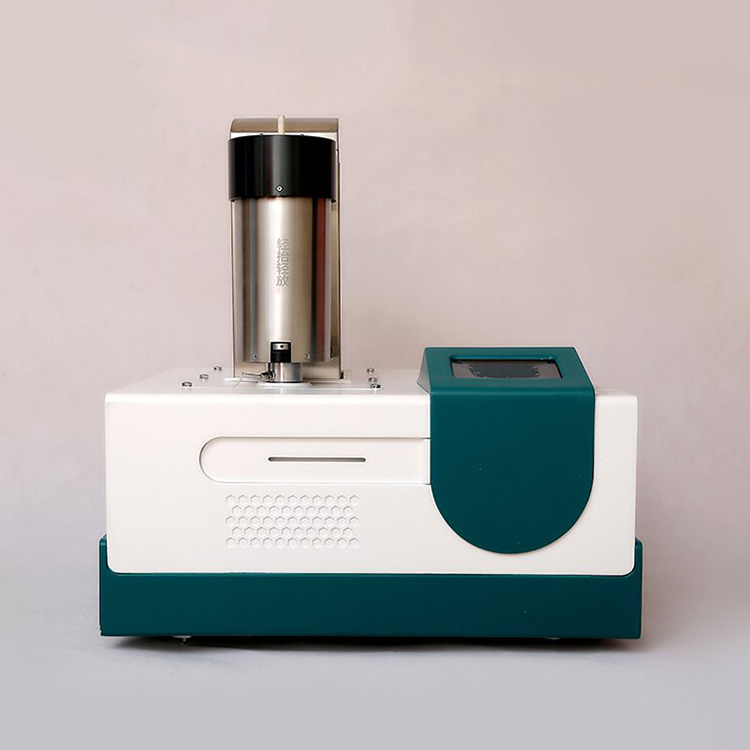
Thermal Analyzer




详情描述
Biopharmaceuticals / Food
Applications of thermal analyzers in the biopharmaceutical and food industries mainly include the following aspects:
Biopharmaceutical field
Drug Stability Evaluation: By monitoring the quality changes of the drug under programmed temperature control, its decomposition temperature and thermal decomposition characteristics can be determined, providing a basis for process optimization and storage condition settings. For example, in accelerated stability tests, a thermogravimetric analyzer (TGA) can simulate high-temperature environments to predict the stability of the drug over long-term storage.
Moisture and Volatile Content Determination: TGA, by heating the sample and recording the weight loss curve, can accurately determine the moisture content and residual solvents in the drug. This is crucial for controlling drug stability (such as preventing hydrolysis reactions) and optimizing storage conditions.
Purity Analysis and Impurity Detection: TGA can identify unintended impurities in drugs, quantify impurity ratios by analyzing mass loss across different temperature ranges, and provide data support for purification process improvement.
Optimization of Drug Formula and Study on Compatibility of Excipients: By comparing the thermal gravimetric curves of different formulas, the impact of excipients on drug stability can be assessed, optimizing the drug formula to ensure the product is both stable and has good bioavailability.
Crystalline Identification and Polymorphism Studies: TGA combined with DSC can identify the crystalline form of drugs and study the polymorphism conversion process.
Packaging Material Interaction Evaluation: TGA is used to analyze quality changes of drugs with packaging materials under high temperatures, assess the risk of material leachables contaminating the drug, and ensure stability during storage and transportation.
Food Industry
Thermal Stability Evaluation: By monitoring the quality and heat changes of food during the heating process, the thermal stability and shelf life of the food can be assessed. This is crucial for optimizing food processing and storage conditions.
Component Analysis: Techniques such as TGA and DSC can be used to determine key components like moisture and fat content in food, aiding in quality control and ensuring food safety.
Phase Change Research: Differential Scanning Calorimetry (DSC) can study the phase transition process of food during heating or cooling, such as crystallization-melting, evaporation, etc., which is very helpful for understanding the physical and chemical properties of food.
询价单


