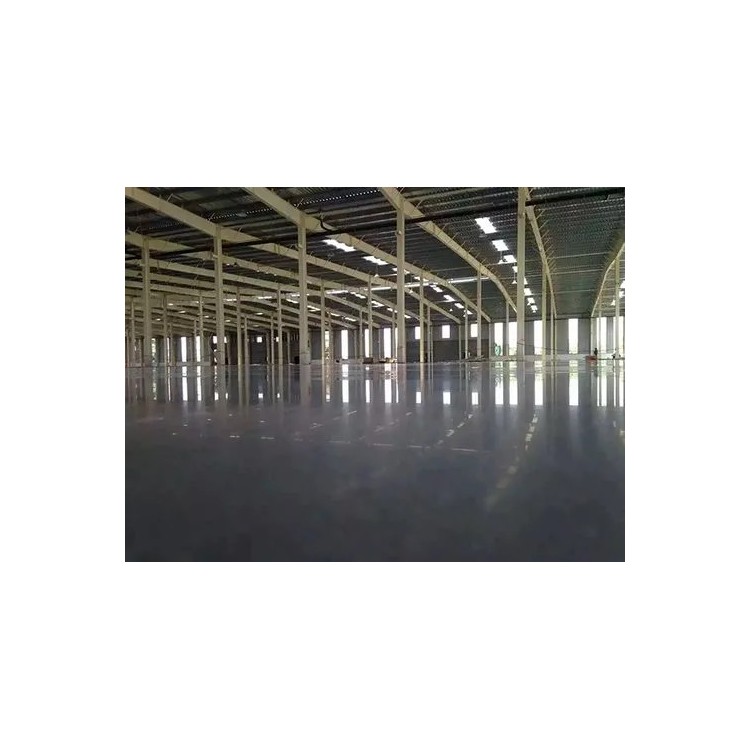
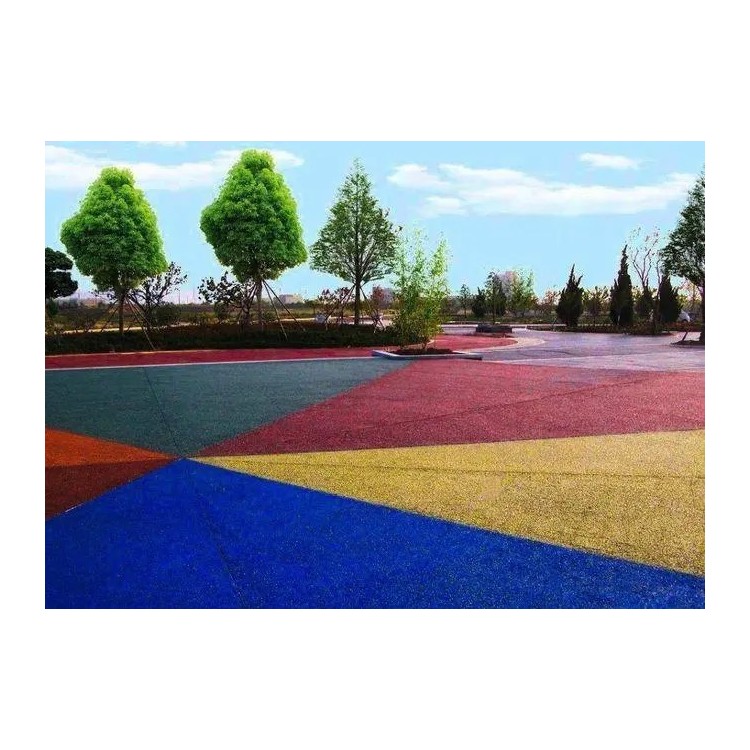
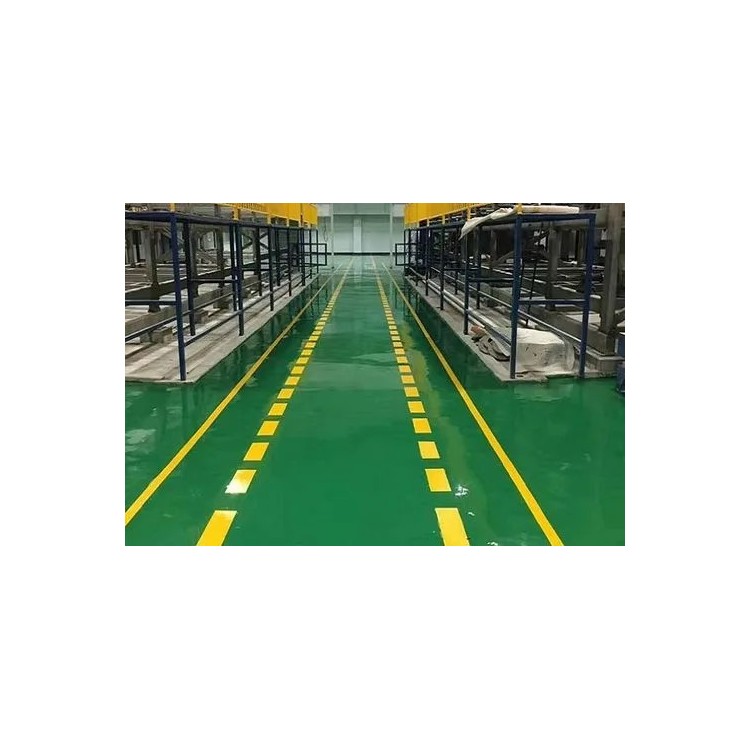
Epoxy flooring, epoxy floor paint, garage flooring, sports track, anti-corrosion flooring, epoxy self-leveling flooring, epoxy flooring installation, concrete hardener, etc.
13636372588
Bubble formation on epoxy flooring often occurs on the first floor or in basements, and occasionally on floors above the second. Bubbles in epoxy surfaces are generally discovered shortly after installation, with some even appearing on the same day they were laid. Bubbles can grow from small to large, continuing to expand until they stop at a certain point. The higher the water temperature, the more likely bubbles are to form, and the faster they develop. The shapes and sizes of the bubbles vary greatly; some can have a diameter over 1 meter and a height of 20 to 50 mm.
The formation of blisters has no significant correlation with the construction area. Within the same area, some are severe, some are mild, and some remain intact. Among the epoxy ground layers installed by the same team using the same materials, some develop blisters while others remain perfect, indicating that the formation of blisters is caused by multiple factors.
The cause of water bubbles is a frequently asked question. Upon cutting open a bubble, it is found to contain water or yellowish liquid. The epoxy surface layer detaches from the base layer, and the adhesive material stuck to the base layer is pulled into a honeycomb-like structure. According to the explanation of "physics," within a sealed container filled with liquid, evaporation occurs, forming three curves that depict the relationship between temperature and pressure in a saturated state.
In a sealed container, the pressure of saturated steam increases with the rise in temperature. When the temperature is 20°C, the pressure inside the bulge is 0.01 MPa; between 70 to 80°C, it rises linearly to 0.1 MPa. In many regions, during the hot summer months, ground radiation heat can reach about 70°C. At such high temperatures, the epoxy binder softens and its adhesion significantly decreases. This is akin to gradually inflating a tire, causing large bubbles in the epoxy layer, pulling the binder into a honeycomb structure. The parts of the epoxy layer without bubbles and the ground sections are not firmly bonded. A close observation of the contact areas also reveals unhardened portions, due to moisture in the epoxy that prevents curing. So, where does the moisture come from? There are mainly several sources of water:
1. At the base level, such as the leveling layer made of cement mortar, the moisture content is around 12%, with the base layer's maximum moisture content exceeding that of the leveling layer.
2. Inadequate dehydration within the other ingredients in the epoxy.
3. Poor bonding during the application of epoxy and basecoat, resulting in gaps and the inherent chemical reactivity of the epoxy, along with incomplete curing or residues or gases left behind due to moisture exposure.
4. Moist gas from the underground infiltration at the grassroots level.
Analyzing from the above four aspects, moisture at the grassroots level is the primary issue, with no occurrence of a dry base. The moisture content itself cannot determine whether the ground will develop blisters. Some moisture and residual epoxy are encapsulated within the epoxy and the base, forming bubbles of varying sizes. Since the epoxy layer itself is impermeable to moisture vapor, the vapor cannot escape, leaving the root of the bubble. Therefore, blisters predominantly form on the flat surface, mostly between the base and the epoxy layer; moisture in the base is difficult to avoid, and this is a significant factor contributing to the formation of bubbles in the epoxy layer.
Contact us

Service Hotline
13636372588
Company Telephone
13636372588

Address
No. 312, 3rd Building, 643#, Guangming Agricultural Village, Qingcun Town, Fengxian District, Shanghai
b2b.china9.net © Zhongshang 114 Hebei Network Technology Co., Ltd.Address: Room 6009, Oriental New World Center, No.118 East Zhongshan Road, Qiaoxi District, Shijiazhuang City, Hebei ProvincePlatform Service Hotline: 4006299930