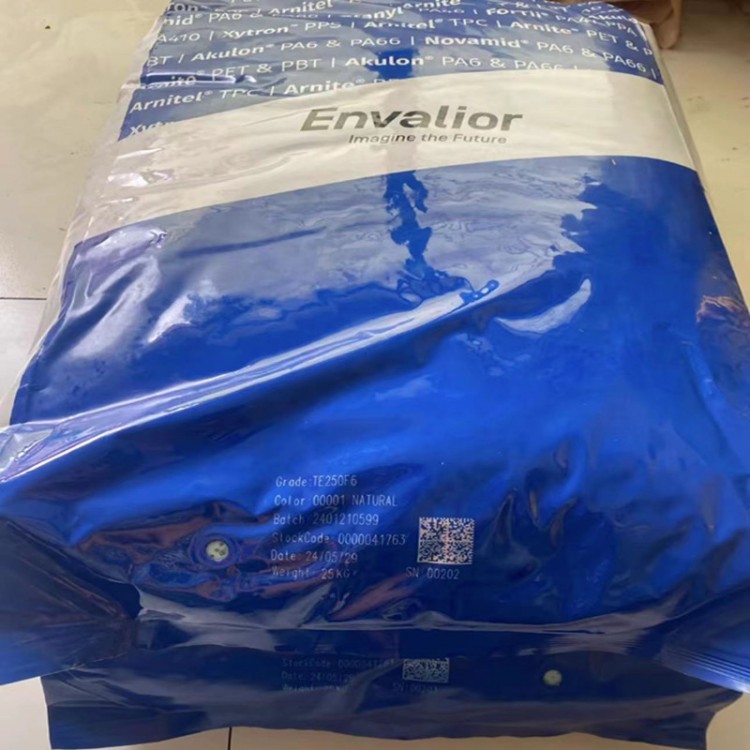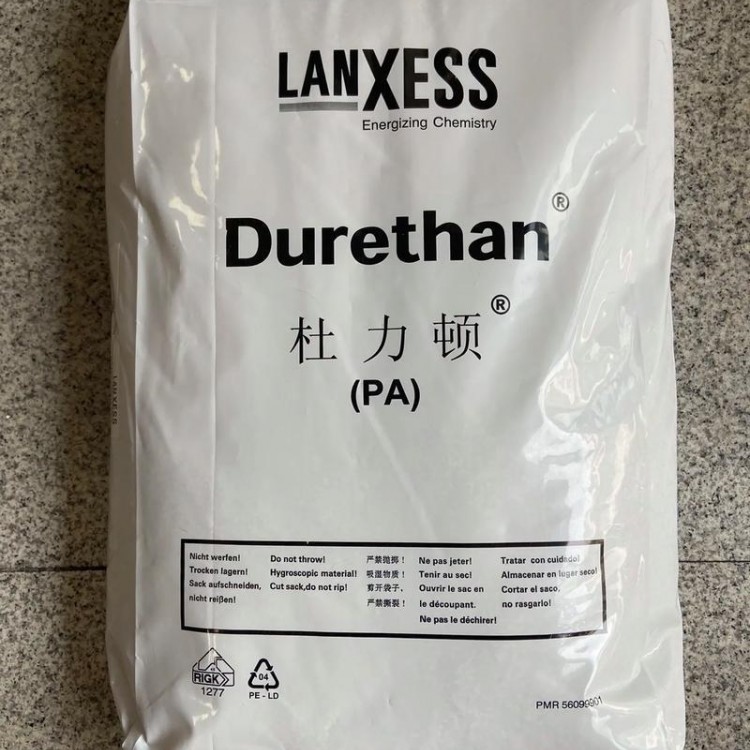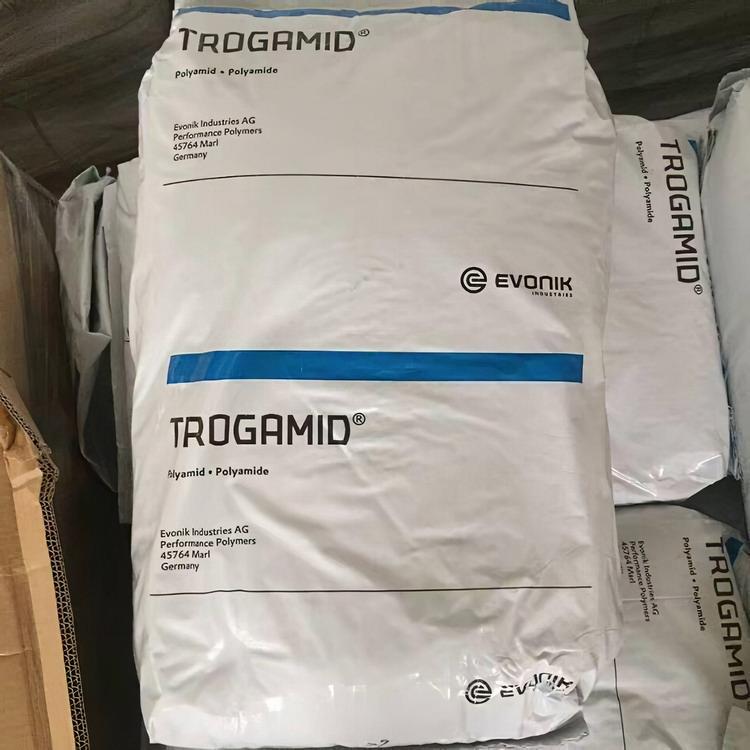
PA46-PA12-PBT-POM-PA66-PA6-PPA-POM-PA9T-TPEE-TPU-POE plas...


Thermoplastic Vulcanizate, abbreviated as TPV, is commonly referred to as Thermoplastic Rubber, or TPR, in Chinese. However, this name can be easily confused with other types of Thermoplastic Elastomers, as Thermoplastic Elastomers are often also called Thermoplastic Rubbers, especially in the case of styrene-based elastomers. In China, at least, "TPR" has become its proprietary name. When mentioning TPR, it refers to Thermoplastic Elastomers based on styrene-based elastomers like SBS, SEBS, etc., which are inseparable from the massive consumption of styrene-based elastomers in civil and consumer product markets.
In terms of the performance of thermoplastic vulcanizates, they are primarily applied in the following aspects:
Sealants (building/automotive seals, gaskets)
2. SOFT TOUCH, a soft texture (handle, grip)
3. Shock and vibration resistance; flexibility (casters, shock absorbers; cables, hoses)
4. Plastic modification enhances material toughness and impact resistance.
The performance of thermoplastic vulcanizates differs from that of general thermoplastic elastomers, leading to their applications being more inclined towards industrial products.
In terms of high-temperature resistance, conventional fully-sulfurized PP/EPDM can reach up to 135 degrees, while DuPont's engineered thermoplastic vulcanizates can withstand temperatures above 150 degrees.
2. In terms of solvent and oil resistance, TPV is typically more resistant due to the presence of cross-linked rubber particles.
TPV Plastic Brand
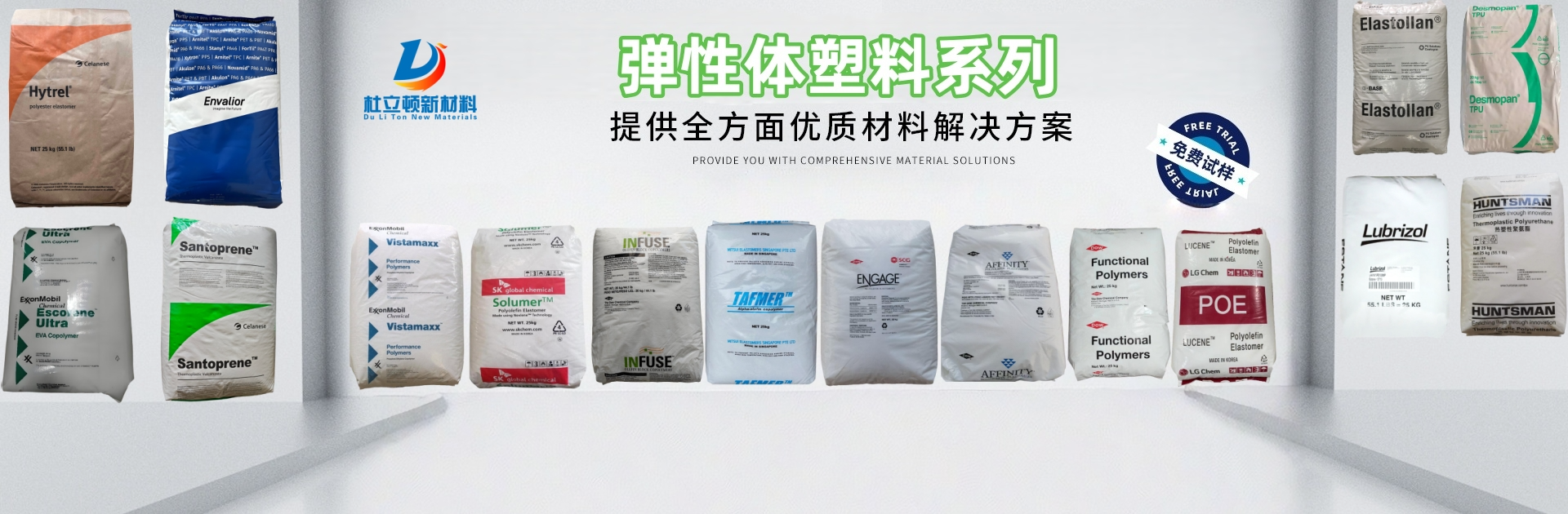
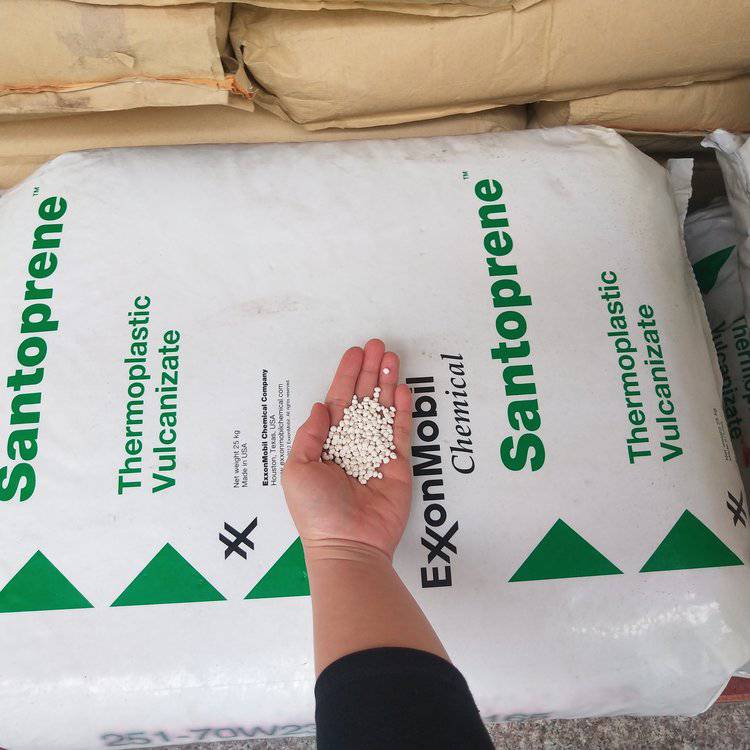
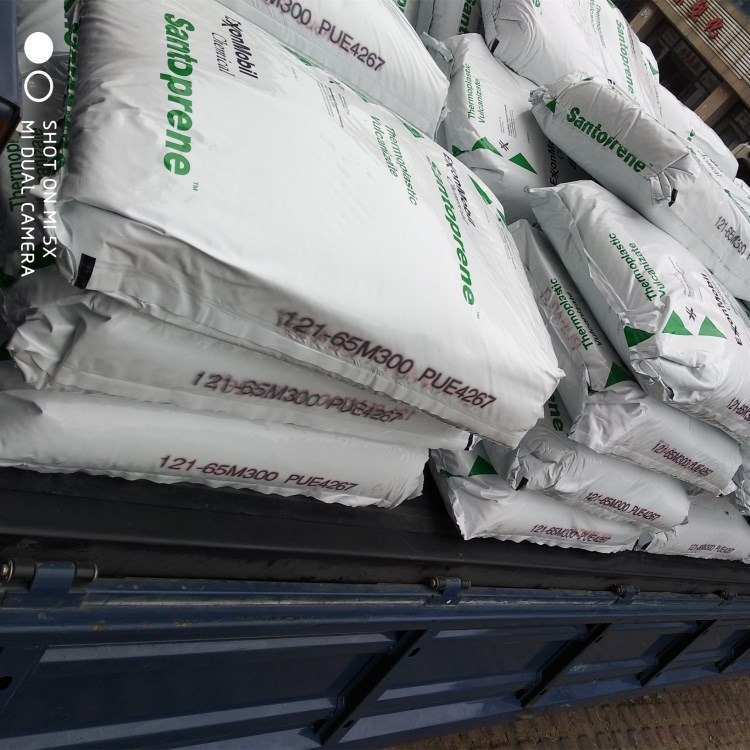
Santoprene TPV, a novel elastomer developed by Monsanto (commonly transliterated as "Monsanto," now known as Solutia) that combines plastic processing characteristics with rubber physical properties, was officially commercialized in 1980 under the brand name Santoprene TPV. It has since been acquired by ExxonMobil Chemical.
Sanduoping Thermoplastic Elastomers (TPV) have been proven to be a reliable polymer for flexible engineering components that require long-lasting performance.
Shandu Ping TPV continues to deliver superior performance for automotive, industrial, and demanding consumer applications, having become the global standard for engineering thermoplastic vulcanizates.
ExxonMobil Chemical continually commits to the TPV industry, which is the key to enhancing its strength. For over 30 years, we have consistently provided our customers with superior solutions and support services to help them manufacture high-performance products.
Shandu Ping TPV Applications:
1. Parts for gardening equipment such as hand tools, power tools, and lawn mowers.
Gaskets and components for home appliances.
3. Handles and grips for scissors, toothbrushes, fishing rods, sports equipment, Lotte reinforced plastic, kitchenware, and more.
Packaging for a variety of products including cosmetics, beverages, food, bathroom supplies, and medical equipment.
5. Various soft components for joints, such as wheels, buzzers, pipe fittings, belts, etc.
6. Soft rubber components such as stoppers, bottle caps, straws, and tubes.
7. Flashlight casings, children's toys, toy tires, golf bags, various handles, etc.
Shandu Ping TPV Features:
Excellent anti-aging properties, along with good weather and heat resistance.
Excellent resistance to permanent deformation.
Excellent tensile strength, high flexibility, and high resilience.
4. Excellent environmental performance and reusability
Excellent electrical insulation properties.
6. Wide hardness range.
Wide temperature range usage.
8. Offering a diverse color range, including natural, light, and black series, the natural colors can be easily dyed with various shades, and the material is simple to process and shape.
The Sandu Ping TPV can be co-injection or extrusion molded with a variety of materials, including PP, PA, PC, ABS, PS, PBT, and PET.
b2b.china9.net © Zhongshang 114 Hebei Network Technology Co., Ltd.Address: Room 6009, Oriental New World Center, No.118 East Zhongshan Road, Qiaoxi District, Shijiazhuang City, Hebei ProvincePlatform Service Hotline: 4006299930