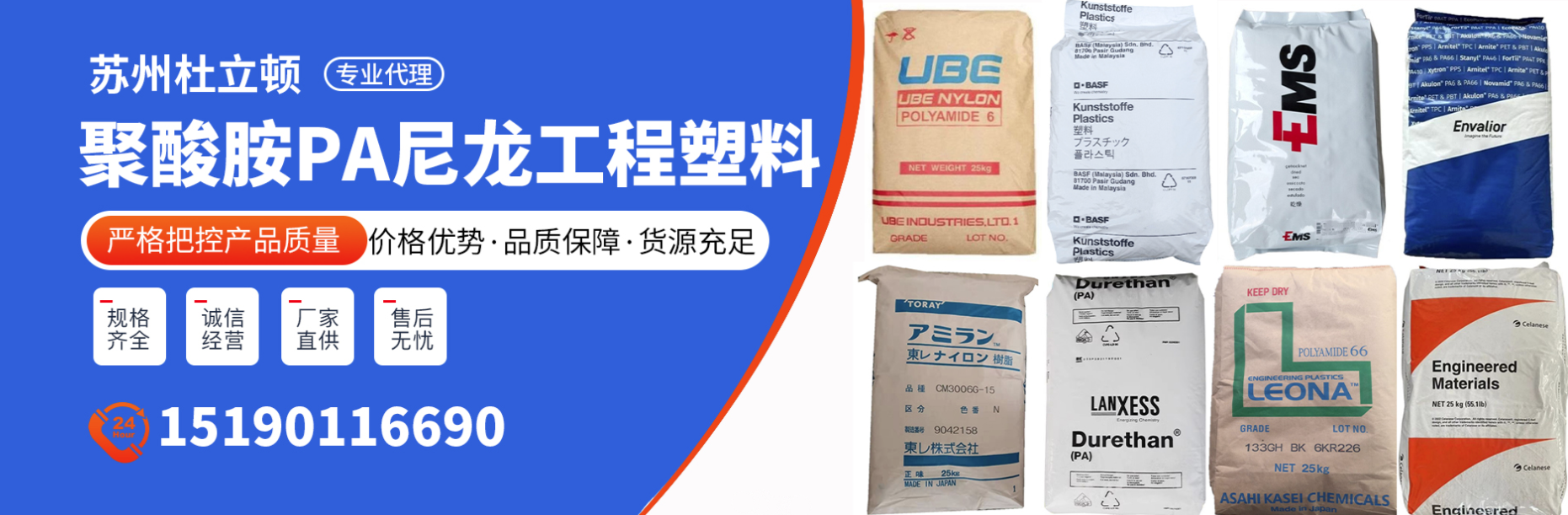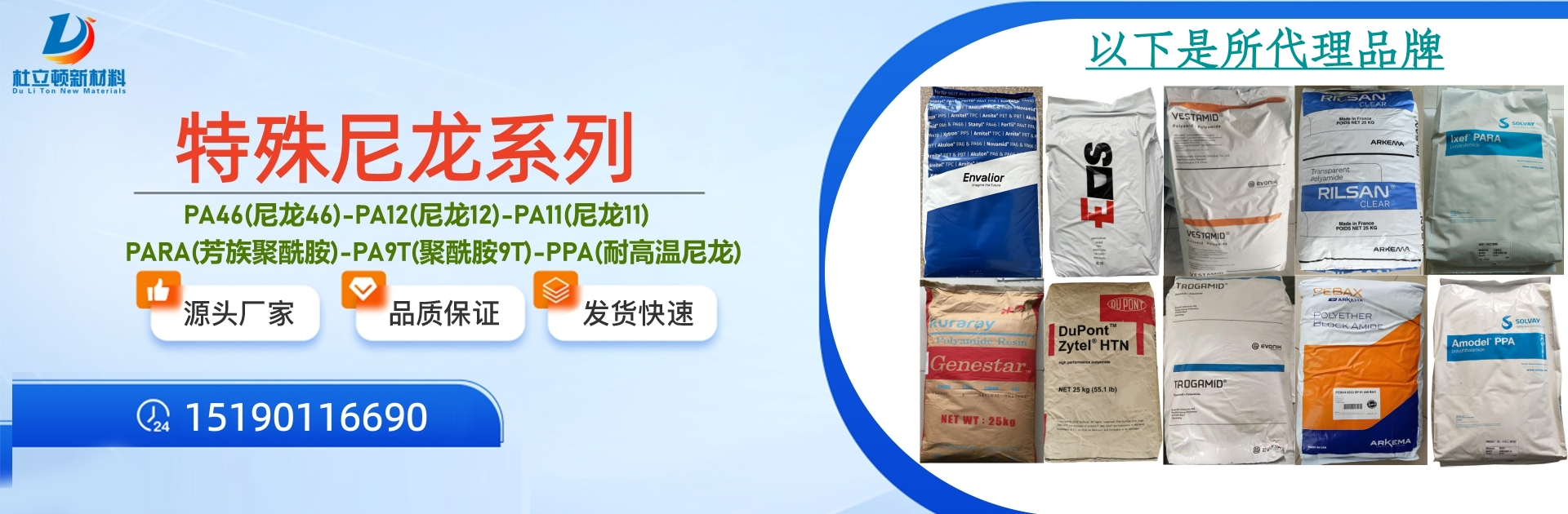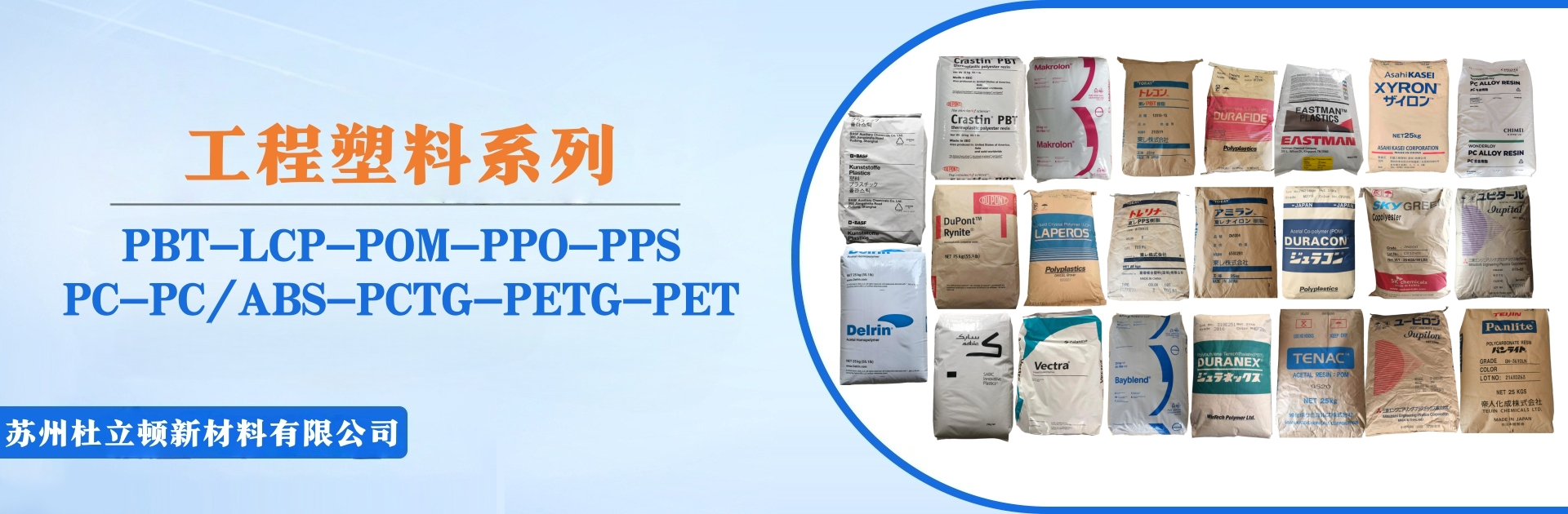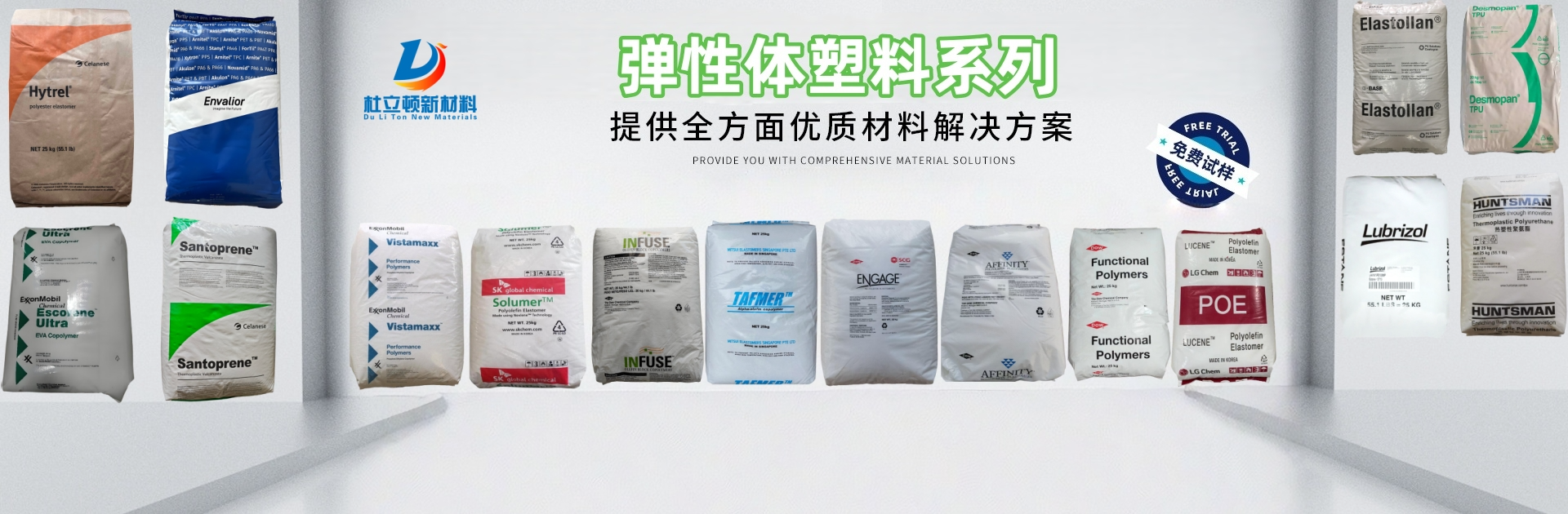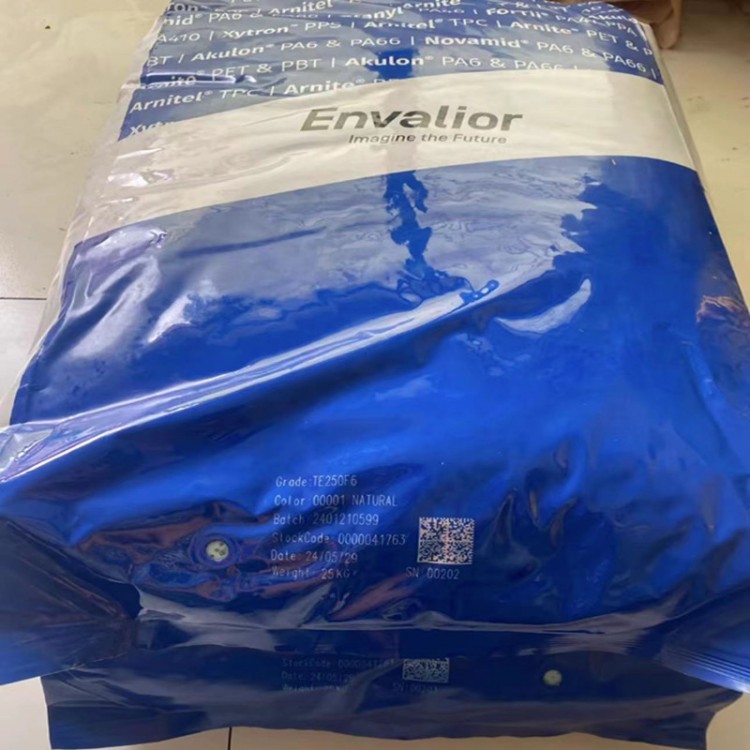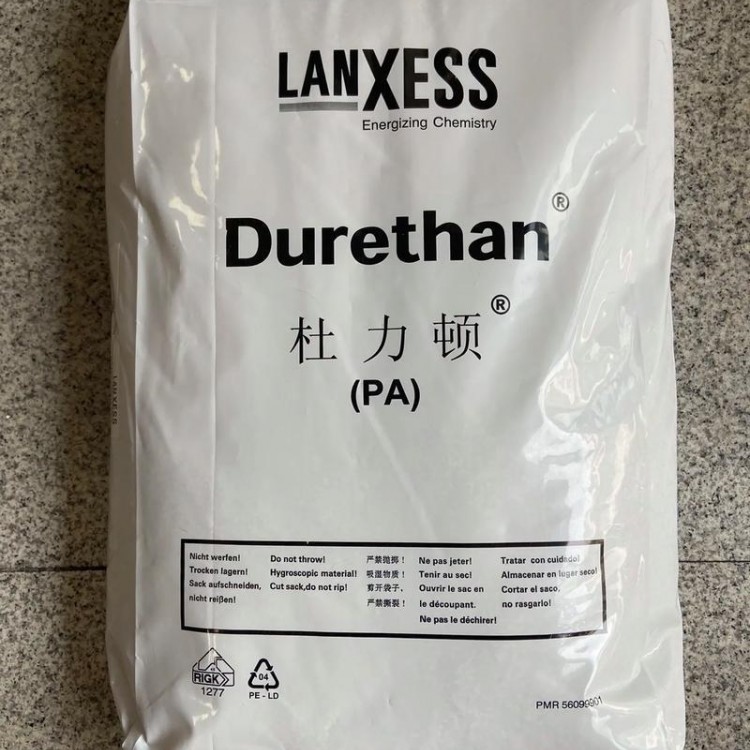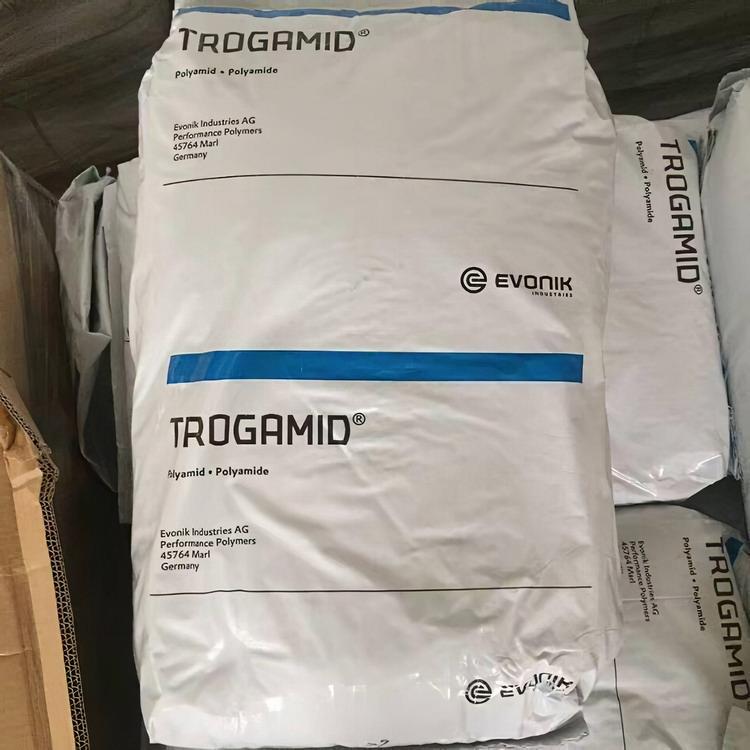
PA46-PA12-PBT-POM-PA66-PA6-PPA-POM-PA9T-TPEE-TPU-POE plas...


Thermoplastic polyester elastomers (TPEE), also known as polyester rubber, are a class of linear block copolymers containing PBT (polybutylene terephthalate) polyester hard segments and aliphatic polyester or polyether soft segments. TPEE combines the excellent elasticity of rubber with the easy processability of thermoplastic plastics, offering adjustable hardness and design flexibility, making it a newly-emerging, highly-anticipated variety among thermoplastic elastomers.
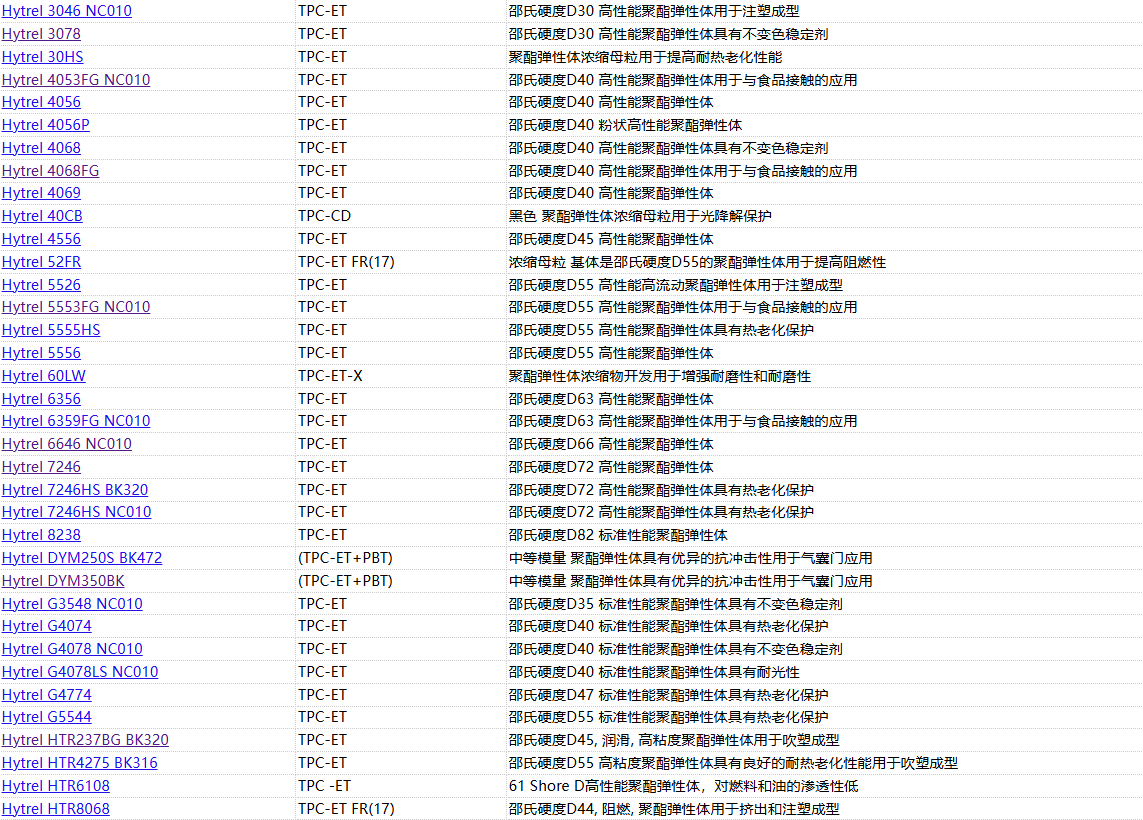
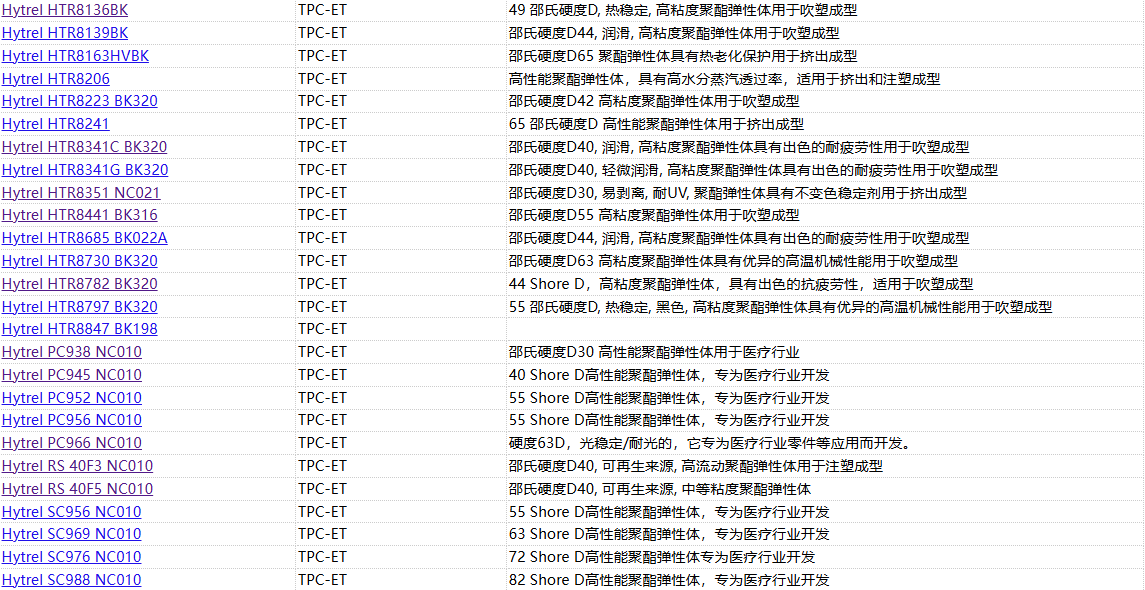
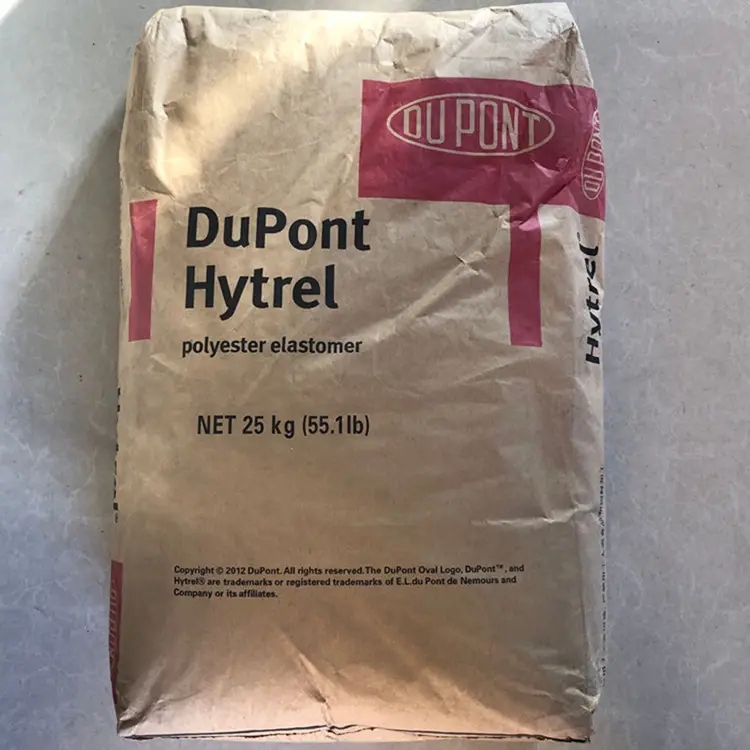
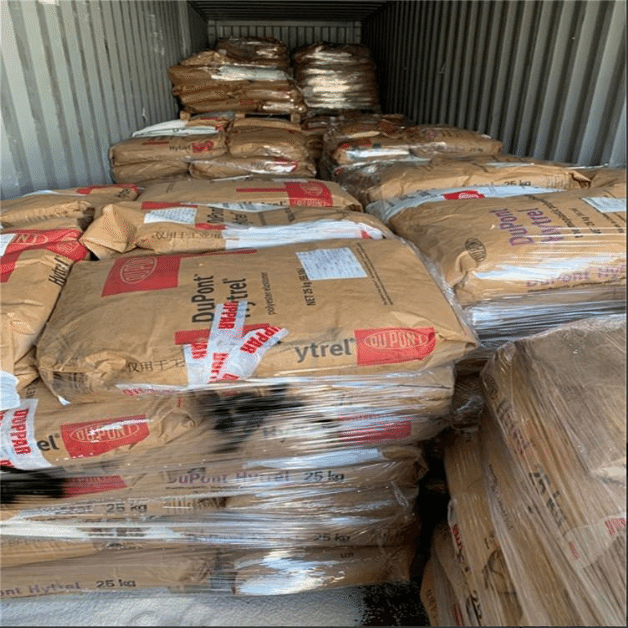
In 1972, the U.S. company DuPont and the Japanese company Toyobo were the first to develop TPEE, with the product names Hytrel and Pelprene, respectively.
Thermoplastic polyester elastomers (TPEE) offer superior processing properties and longer lifespan compared to rubber. They also possess high strength like engineering plastics, with enhanced flexibility and dynamic mechanical properties. For most applications, TPEE can be used directly; for specific requirements, appropriate additives can be added to meet them.
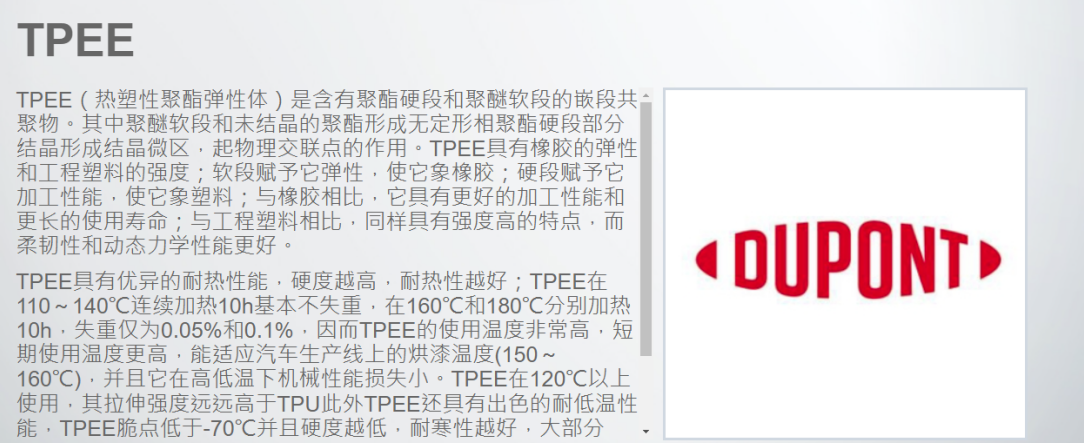
The characteristics of TPEE are:
Excellent bending fatigue resistance performance
2. Instant High-Temperature Performance
Excellent shock resistance, especially at low temperatures (-40℃)
Excellent tear and wear resistance
5. Outstanding chemical and weather resistance
6. Outstanding electrical properties
Excellent charge resistance
8. Adheres to materials such as ABS, PBT, and PC.
9. Adhesive to paint, glue, and metal
10. Diverse processing capabilities, ease of processing, good melt fluidity, stable melt state, low shrinkage rate, and fast crystallization speed.
Due to its exceptional mechanical strength, excellent resilience, and broad operating temperature range, TPEE finds extensive applications in various fields such as automotive components, hydraulic hoses, cables, electronic appliances, industrial products, sports goods, and biomaterials. Its usage is most prevalent in the automotive industry, accounting for over 70%.

TPEE Applications:
TPEE is primarily used in fields that demand shock absorption, impact resistance, flexibility, sealing, and elasticity, as well as oil and chemical resistance, and sufficient strength. This includes applications such as polymer modification, automotive parts, flexible phone cords, hydraulic hoses, shoe materials, drive belts, rotational molding tires, gears, flexible couplings, silencing gears, elevator guides, and corrosion and wear-resistant materials for chemical equipment piping valves, etc.

b2b.china9.net © Zhongshang 114 Hebei Network Technology Co., Ltd.Address: Room 6009, Oriental New World Center, No.118 East Zhongshan Road, Qiaoxi District, Shijiazhuang City, Hebei ProvincePlatform Service Hotline: 4006299930