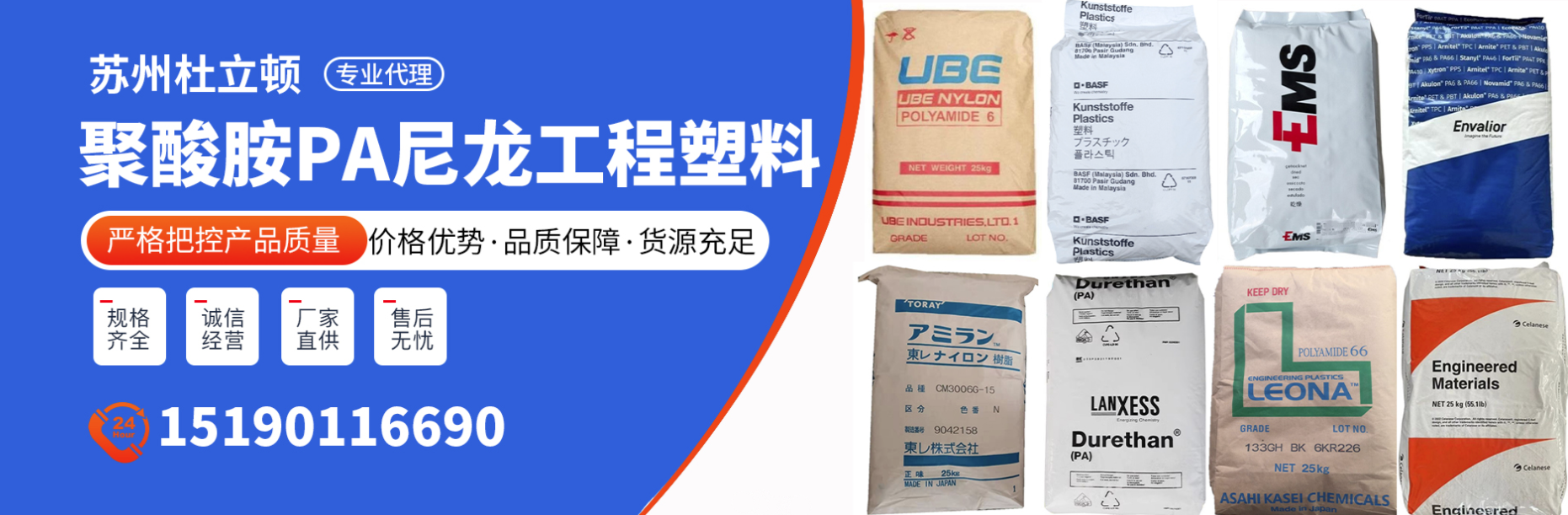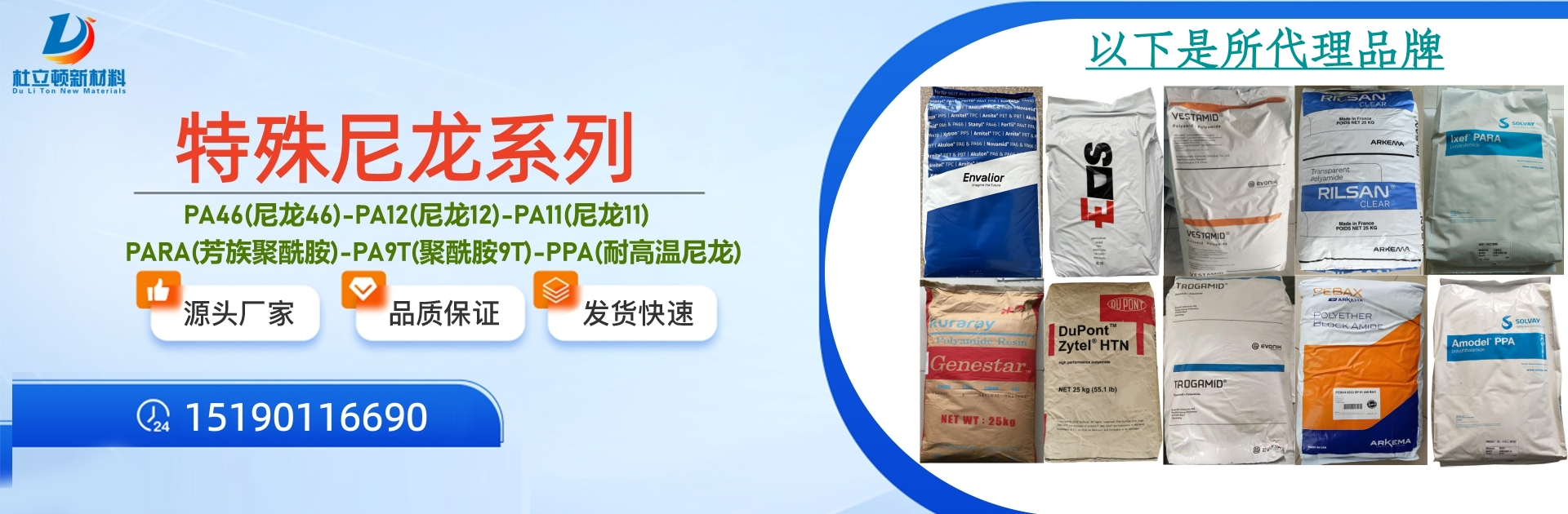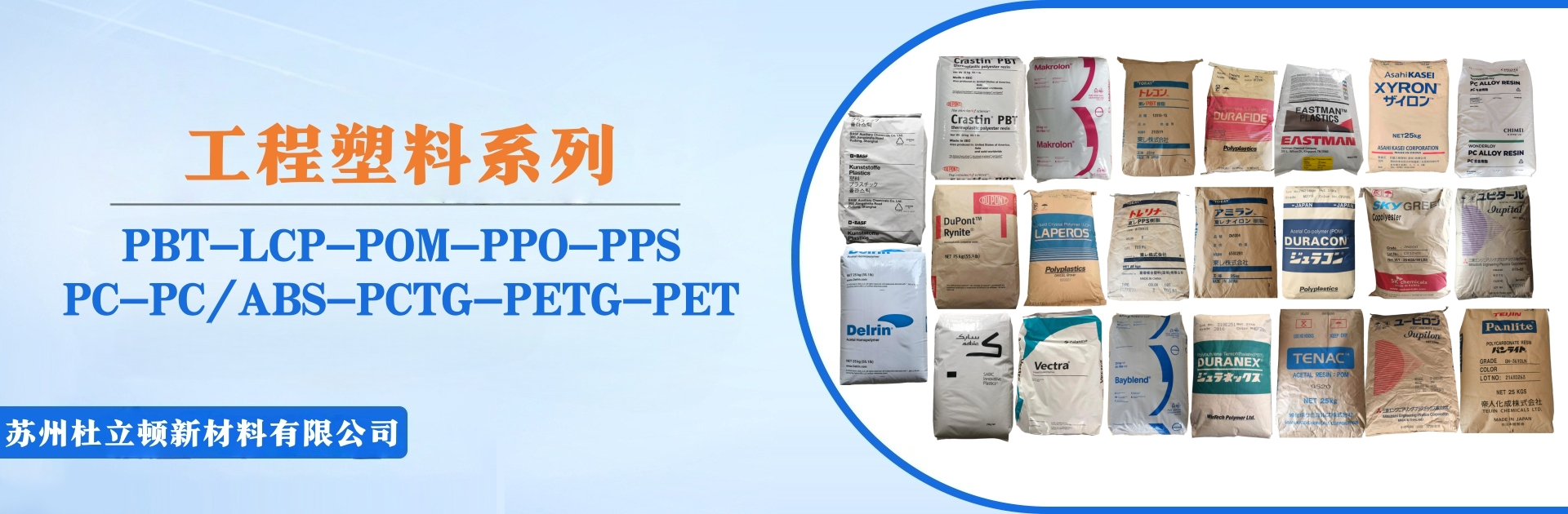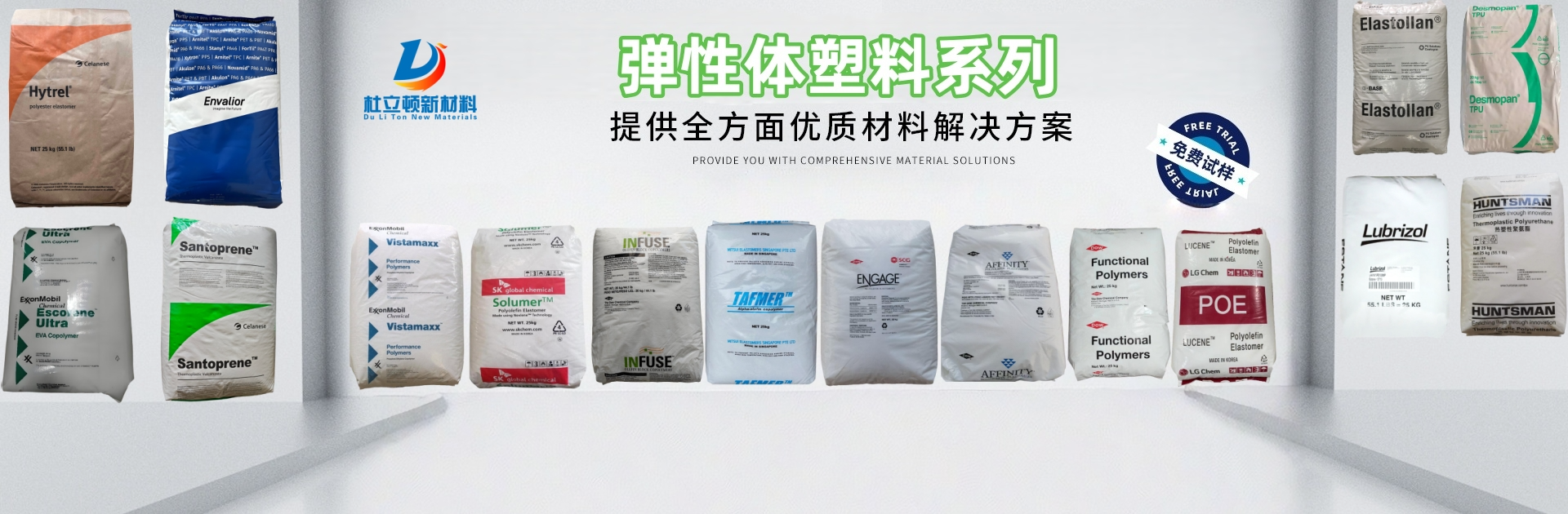
PA46-PA12-PBT-POM-PA66-PA6-PPA-POM-PA9T-TPEE-TPU-POE plas...


Thermoplastic polyurethane elastomers (TPU) are a class of elastomers that can be plasticized by heating and dissolved in solvents, featuring excellent comprehensive properties such as high strength, toughness, wear resistance, and oil resistance. They possess good processing characteristics and are widely used in industries such as furniture, medical, and food. With their superior performance and extensive applications, TPU has become one of the important thermoplastic elastomer materials. Its molecules are essentially linear with little to no chemical cross-linking. The linear polyurethane molecular chains are interconnected by numerous hydrogen bonds, which provide structural reinforcement and confer numerous excellent properties, such as high modulus, high strength, excellent wear resistance, resistance to chemicals, hydrolysis, and both high and low temperature resistance, as well as resistance to mold. These excellent properties make TPU widely applicable in fields like shoe materials, cables, clothing, automobiles, pharmaceutical hygiene, pipes, films, and sheets, among others. The products generally do not require vulcanization cross-linking, which can shorten the reaction cycle and reduce energy consumption. As it is primarily a linear polymer structure, it can be processed using the same techniques and equipment as thermoplastic plastics, such as injection molding, extrusion, blow molding, and calendering, and is particularly suitable for the mass production of medium to small-sized components. Waste materials can be recycled and reused, and various additives or fillers can be used during production or processing to improve certain physical properties and reduce costs.
TPU Classification
Polyester and polyether types of polyurethane thermoplastic elastomers are available, featuring white, irregularly shaped spherical or rod-like particles with a density of 1.10~1.25g/cm³. The relative density of the polyether type is lower than that of the polyester type. The glass transition temperature of the polyether type ranges from 100.6~106.1°C, while that of the polyester type is 108.9~122.8°C. Both the polyether and polyester types have a brittleness temperature below -62°C, with the polyether type exhibiting superior low-temperature resistance compared to the polyester type.
TPU Applications
TPU is a rapidly growing industry, with new technologies, products, and applications continually emerging. The uses of TPU extend almost to every industry, and it is now widely used in many fields such as footwear materials, clothing, pipes, films and sheets, cables, automotive, construction, healthcare, national defense, and sports and leisure. TPU is recognized as a green, environmentally friendly, and high-performance new polymer material. Currently, TPU is primarily consumed at the low-end market, with the high-end market dominated by multinational companies, including Bayer and BASF from Germany, and Lubrizol and Huntsman from the United States, all of which are increasing their research and development efforts. High-value-added TPU products are continuously being developed and introduced to the market, making TPU one of the faster-growing thermoplastic materials.
Footwear: Sports shoes logo, sports shoe air cushion, hiking boots, snow boots, golf shoes, roller skates, and the fabric and lining materials for these footwear.
Men's Wear: Snow suits, raincoats, windbreakers, thermal jackets, field uniforms, disposable diapers, adult incontinence pants, and other fabric composite materials (waterproof and breathable).
C. yioclass: surgical gowns, caps, shoes, yioclass hospital pads, ice packs, bandages, plasma bags, surgical gauze, masks, and other fabric and lining materials, as well as surgical bed airbags.
D. Guofang Supplies: Aircraft fuel tanks, weapon storage coverings, tent windows, military water bags, life jackets, inflatable boats, and materials for their outer and inner linings, as well as airbags.
E. Sports Equipment: soccer surfaces and bladders, inflatable beds, water bottles, ski gloves (waterproof bags), diving suits, snow clothing, swimwear, skis, trademarks, airbags, sportswear, slimming clothes, and various fabrics and lining materials.
Industrial Supplies: horn drum paper rubber edges, waterproof strips, soundproof materials, fire-resistant materials, fire-resistant clothing, firefighting suits, fire-resistant fabrics, and composite materials for linings, as well as external sheathing materials for wires and cables.
G. Other Uses: Mobile phone buttons, plastic inflatable toys, bedding, tablecloths, shower curtains, furniture fabrics, aprons, pianos, computer keyboards, coated fabrics, and lining materials.
TPU Features
Abrasion Resistance
When materials are frequently subjected to mechanical actions such as friction, abrasion, and grinding during use, their surfaces gradually wear down. Therefore, the choice of materials with low wear and tear is crucial. TPU plastic raw materials have excellent wear resistance, more than five times that of natural rubber, making them one of the must-have materials for wear-resistant products.
Tensile Property
Tensile strength up to 70MPa, elongation at break as high as 1000%.
Tear Strength
Tearing refers to the destruction of elastomers due to the expansion of cracks during application. Tearing strength is the ability of a material to resist tearing. Generally, TPU boasts a high tear resistance, which is quite excellent when compared to some commonly used rubbers and plastics.
Flexural properties
Many plastic materials are prone to fracturing under repetitive cyclic stresses. TPU products maintain excellent flexibility in various environments, making them one of the better choices among high polymer materials.
Hydrolysis Resistance
TPU exhibits excellent water resistance in turbid conditions, showing no significant hydrolysis within 1-2 years, with the polyether series being particularly superior. The polyester series will completely decompose when soaked in water at 50℃ for six months, 70℃ for three weeks, or 100℃ for 3-4 days. This is one of the reasons why TPU is suitable as an environmentally friendly material. For products that require frequent contact with water, it is recommended to use the polyether series.
High-temperature resistance and antioxidant properties
Plastic raw materials generally tend to oxidize at temperatures above 70℃, but TPU exhibits excellent antioxidant properties. Generally, TPU's temperature resistance can reach up to 120℃.
Oil and chemical resistance properties
TPU is a highly polar polymer material with minimal affinity for non-polar mineral oils, experiencing almost no erosion in fuel oils (such as kerosene, gasoline) and mechanical oils (such as hydraulic oil, engine oil, lubricating oil, etc.). Among TPU products, polyester series offerings exhibit superior oil resistance. TPU films and sheets show minimal volume changes with oils and even have higher tensile strength than their initial values. It's important to note that the presence of even small amounts of water in mineral oils can have varying negative effects on the film's physical properties.
Low-temperature performance
TPU boasts excellent low-temperature resistance, typically reaching down to -50℃, making it a viable substitute for general PVC in applications where low temperatures cause脆ification. It is particularly well-suited for polar-related product types.
Airtightness
TPU is highly conducive to bonding via high-frequency or heat pressing, making it widely used in inflatable products. The gas permeability coefficient refers to the rate at which gas passes through a specified area of the sample under certain temperatures and pressures; the permeability of the same material to different gases can vary greatly. Generally speaking, polyester series products have better airtightness than polyether series products.
Biological performance
TPU boasts excellent biocompatibility, is non-toxic, non-sensitizing, non-irritating, and non-thermogenic, thus widely used in medical and hygiene products, as well as sports and protective equipment.
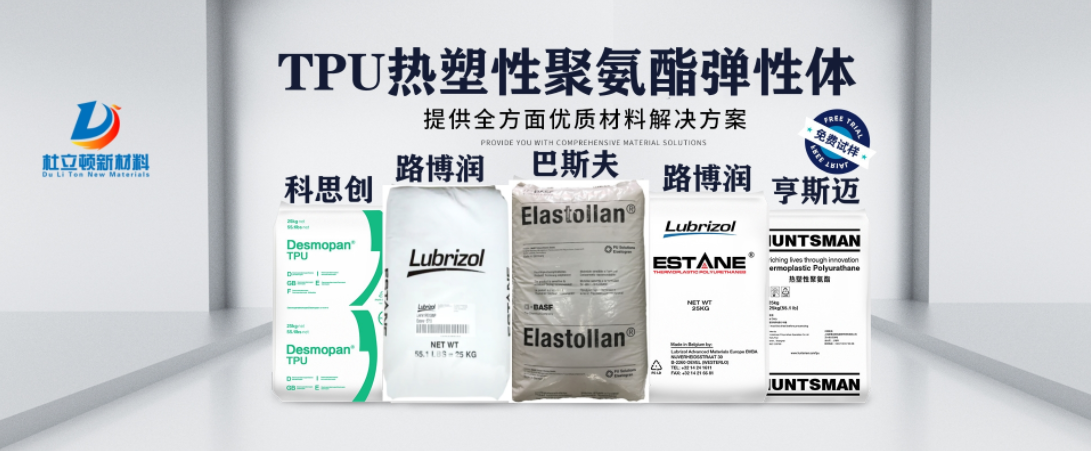
TPU Polyurethane Brand:
Elastollan - BASF Germany
Desmopan - Covestro (Bayer)
Huntsman-Shanghai (Germany) Huntsman
Lubrizol - American Lubrizol
b2b.china9.net © Zhongshang 114 Hebei Network Technology Co., Ltd.Address: Room 6009, Oriental New World Center, No.118 East Zhongshan Road, Qiaoxi District, Shijiazhuang City, Hebei ProvincePlatform Service Hotline: 4006299930