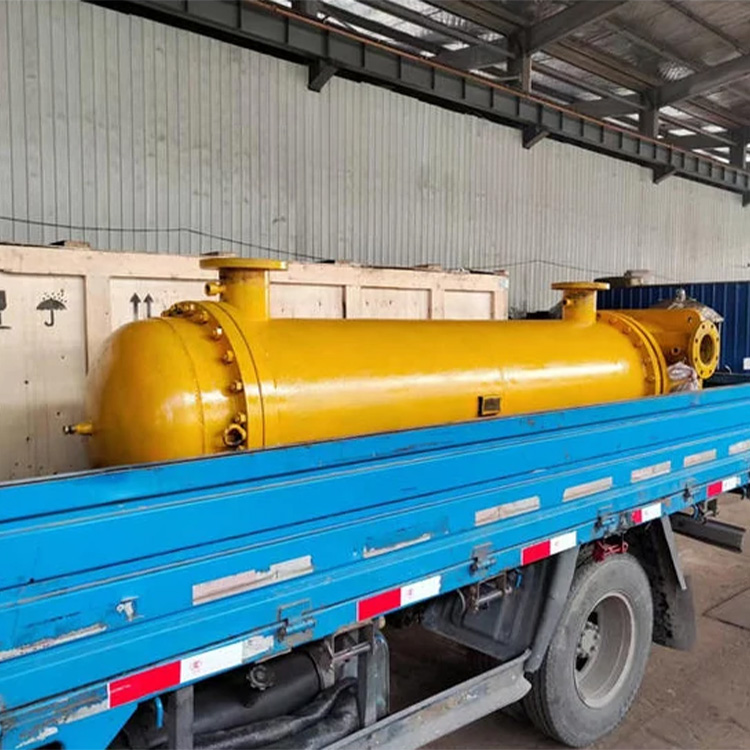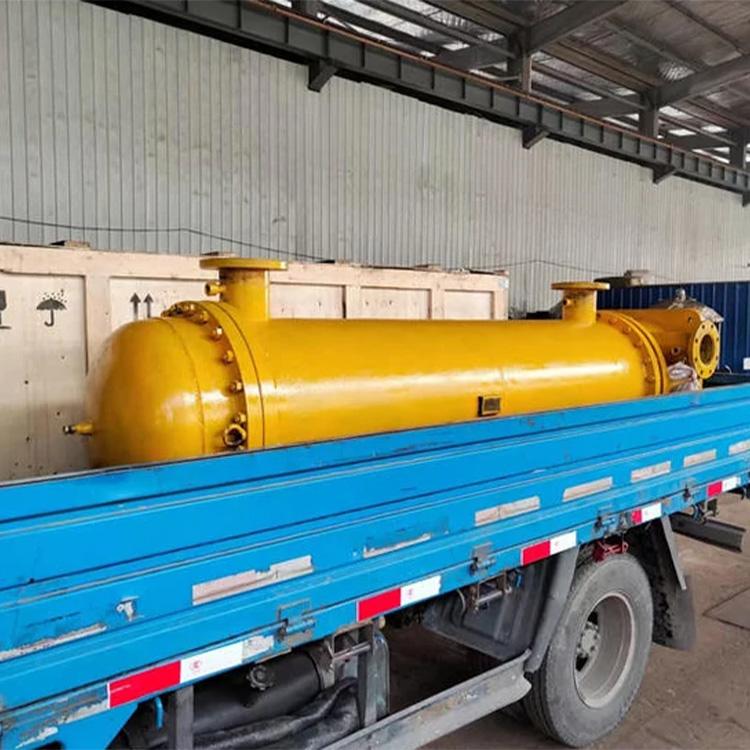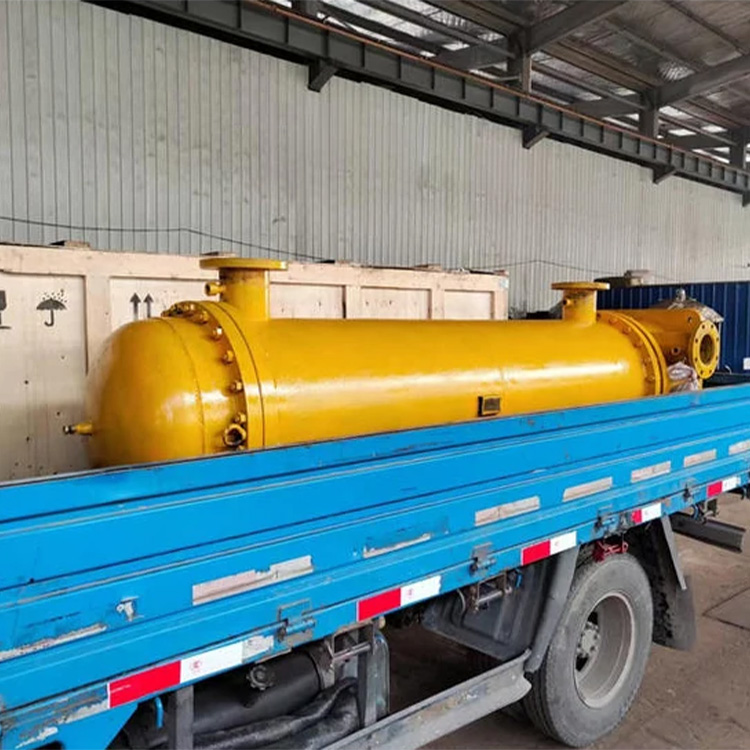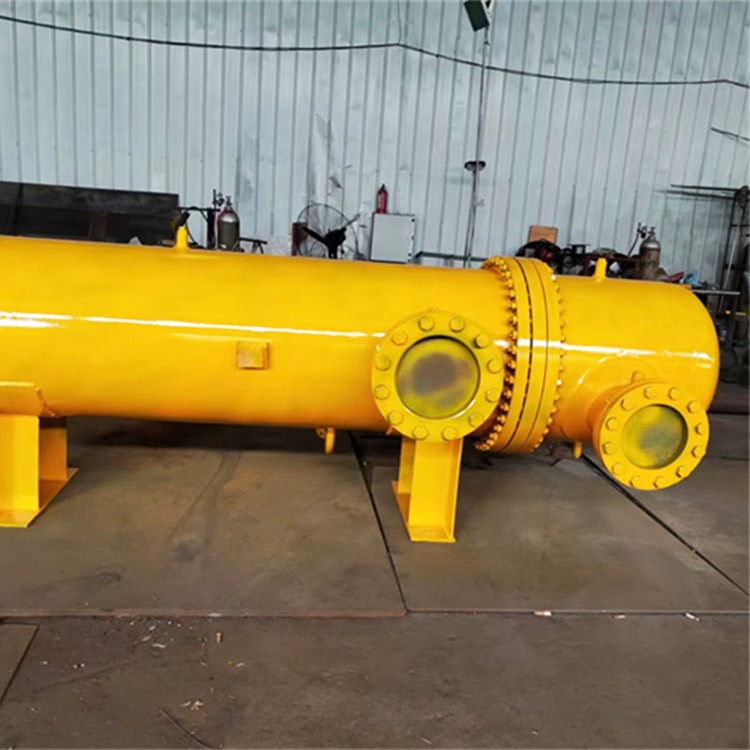
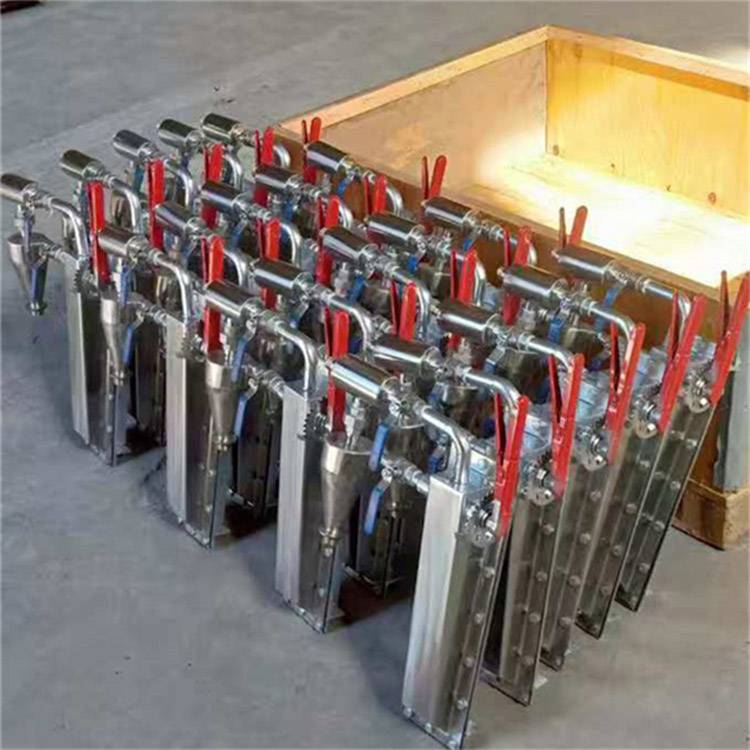
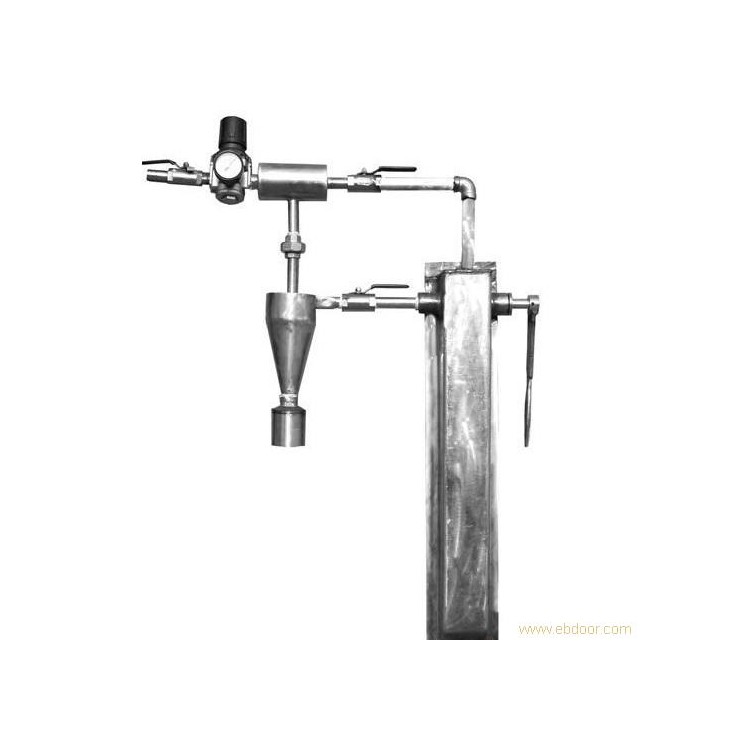
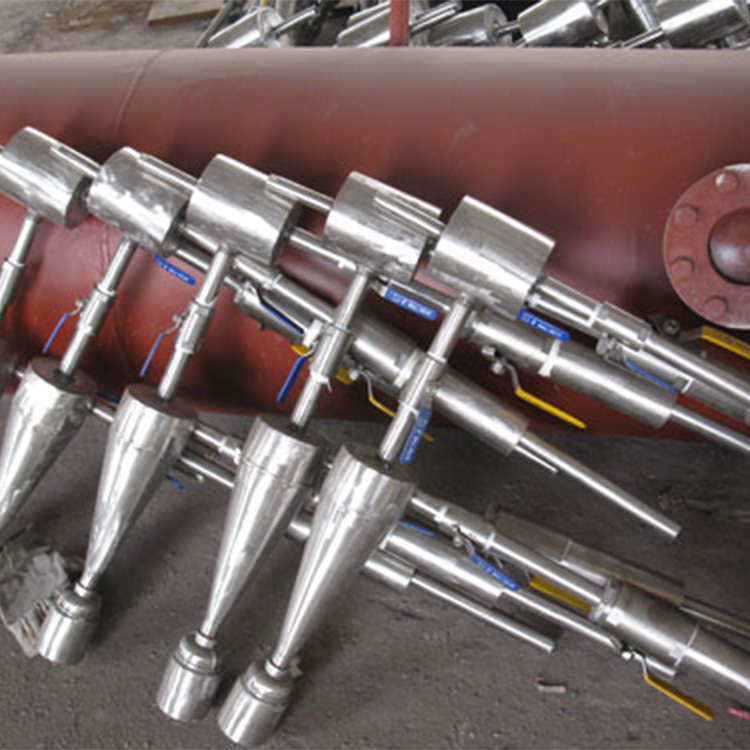
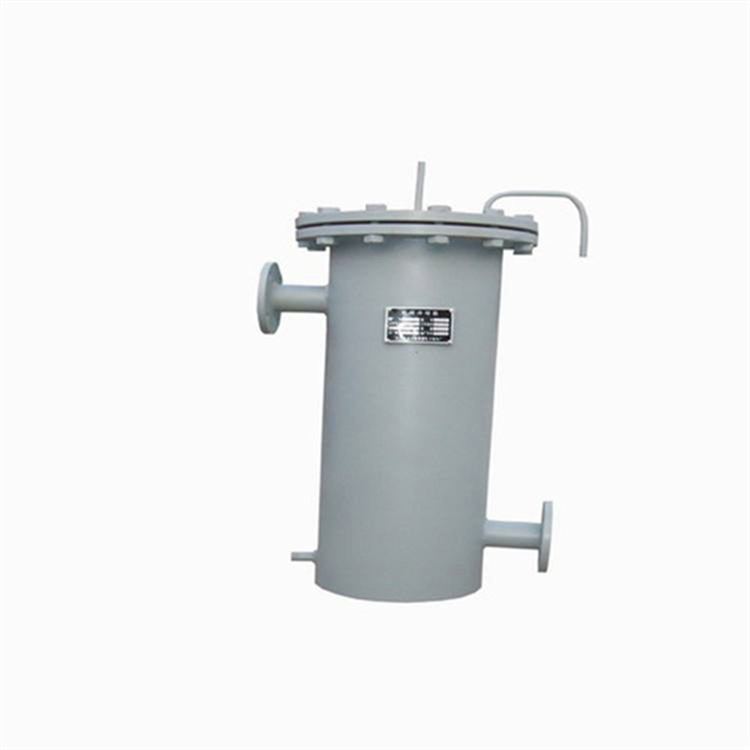
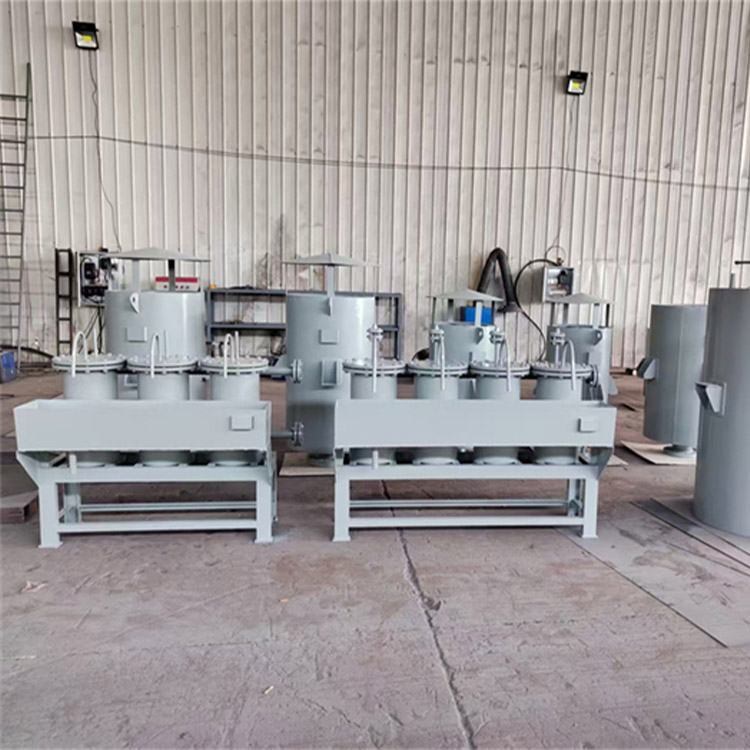
Cooling Oil Unit (also known as an oil cooler), a core temperature control device for industrial lubrication/hydraulic systems, is most widely used in power plant steam turbines. It removes heat from the oil fluid through heat exchange, maintaining stable oil temperature and protecting the equipment.
Operating Principle
The mainstream is shell-and-tube type: cooling water flows through the tube side, while high-temperature lubricating oil flows through the shell side (baffles force the oil to flow in an S-shape, enhancing heat exchange); heat is transferred from the oil side to the water side through the tube walls, and the oil temperature is controlled by adjusting the flow rate of the cooling water (usually controlling the entering bearing oil temperature to 35-45℃). The cooling medium is mainly circulating water, with some models using air cooling for water-scarce situations; plate-type cool oil exchangers rely on thin flow layers between metal plates for rapid heat exchange, offering higher efficiency but also higher costs.
Structure and Classification
Core Components: Shell, Heat Exchanger Tube Bundle (Copper / Stainless Steel), Upper and Lower Water Chambers, End Caps, Baffle Plates, Sealing System (O-rings / Metal Gaskets to prevent oil and water leakage), including in/out oil/water connections, exhaust, drain, temperature and pressure measurement ports.
Installation Method
Horizontal: Low pressure drop, resistant to water hammer, suitable for high flow rates.
Vertical: Takes up less space, flexible installation.
Structural Type
Tube-in-tube (traditional mainstream, cost-effective, reliable)
Plate-type (high heat exchange efficiency, compact, suitable for large-scale units)
Finned tube (enhanced heat transfer, suitable for high oil viscosity conditions).
Primary Application Scenarios
Electric Power: Turbine / Generator bearing lubricant cooling, Coal Mill / Air Oil System
Industrial: hydraulic stations, air compressors, ship main engines, metallurgical rolling mill lubrication/hydraulic oil cooling
Chemical Industry: Temperature control for circulating oil system.
Common Faults and Maintenance Points
Scaling/Blocking: Causes a decrease in heat exchange efficiency and higher oil temperature. Requires regular water-side backflushing, chemical cleaning, and oil-side filtration to remove impurities.
Leakage (Oil and Water Mixing): Oil pressure is usually higher than water pressure; aging seals and corroded tube plates can easily cause leakage of water into oil. Regular inspections of seals and pressure testing for leaks are required.
Routine Inspections: Monitor oil intake/output temperature, oil pressure, and coolant water volume; ensure exhaust is clear to prevent airlock.
Backup cool oil cooler: Large units commonly use double-row parallel configuration for easy online switching and maintenance.
Key Selection Parameters
Cooling water volume, oil flow rate, and oil/water inlet and outlet temperatures
Work pressure, temperature, and oil viscosity.
Required heat exchange capacity (kW), dirt factor, pressure drop limit.
Installation space, cooling medium supply conditions.