



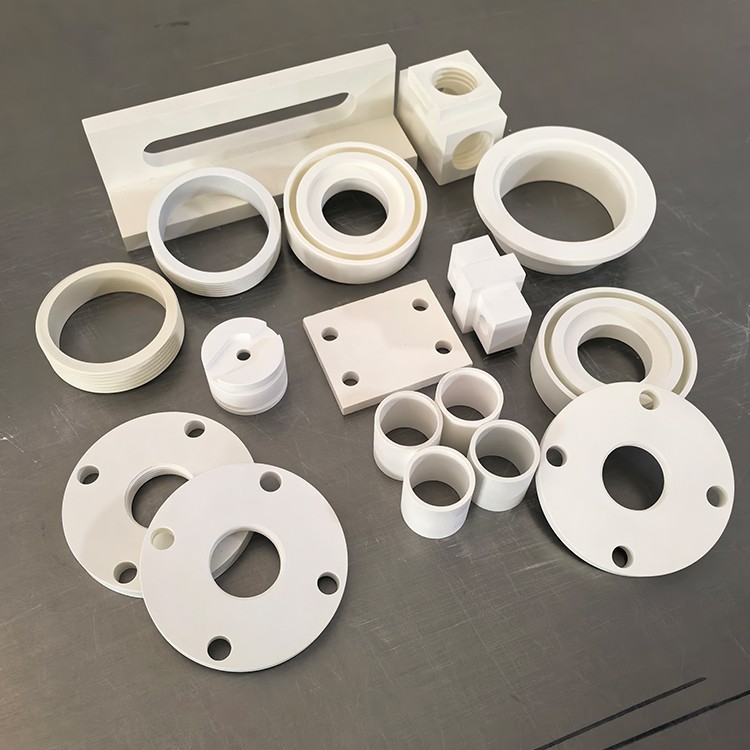

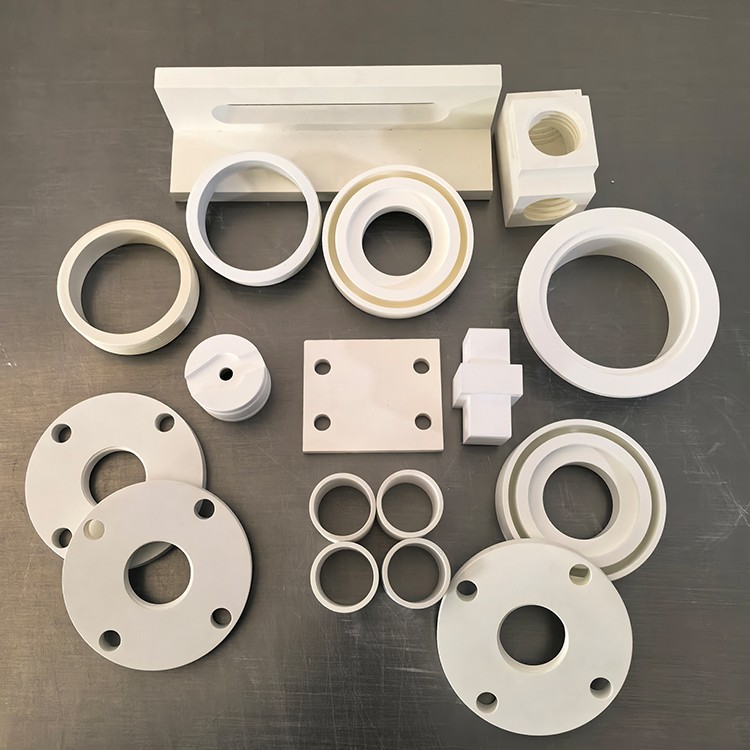
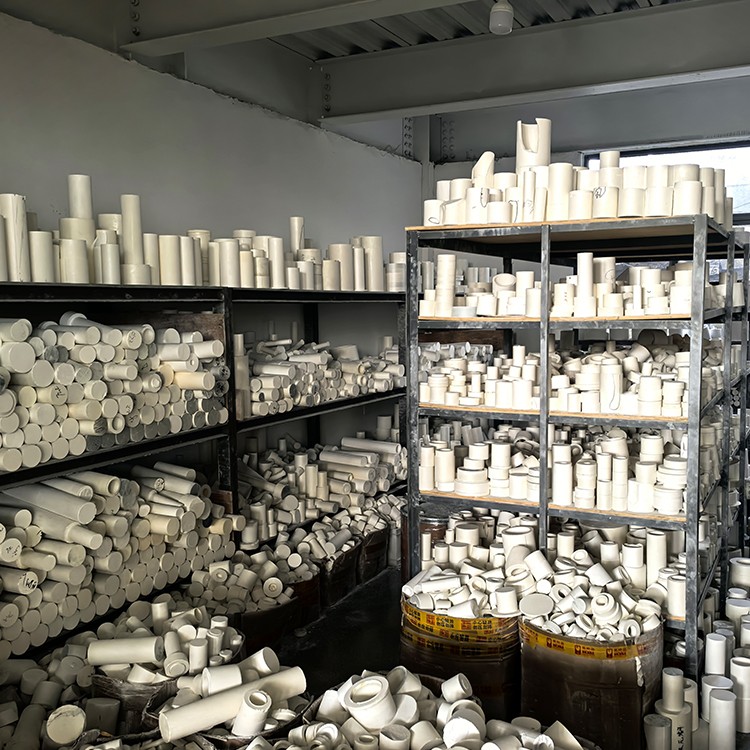
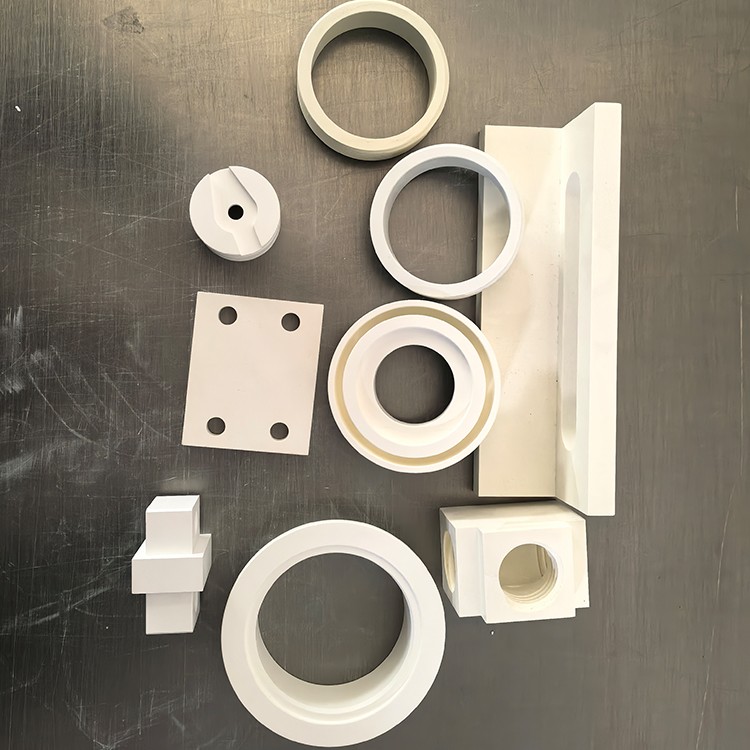
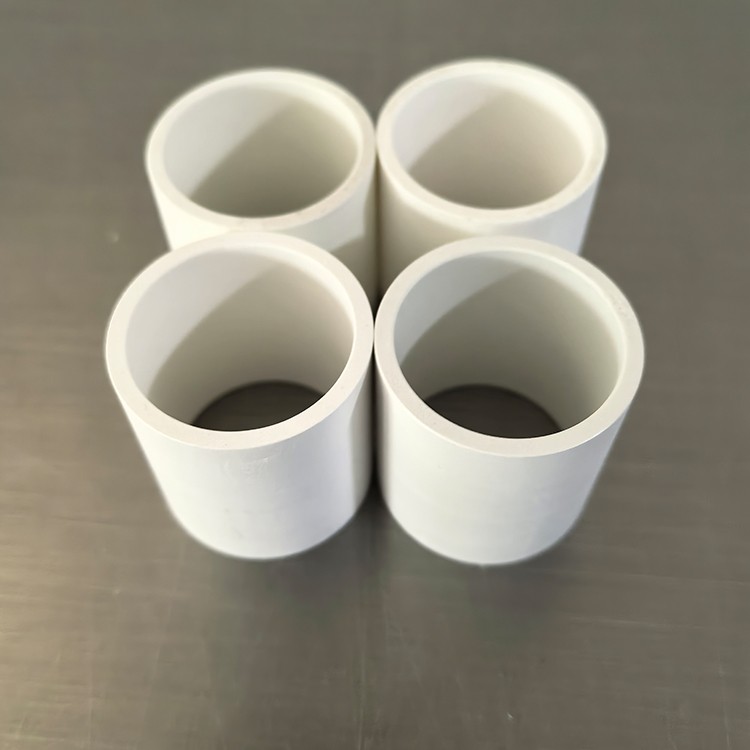



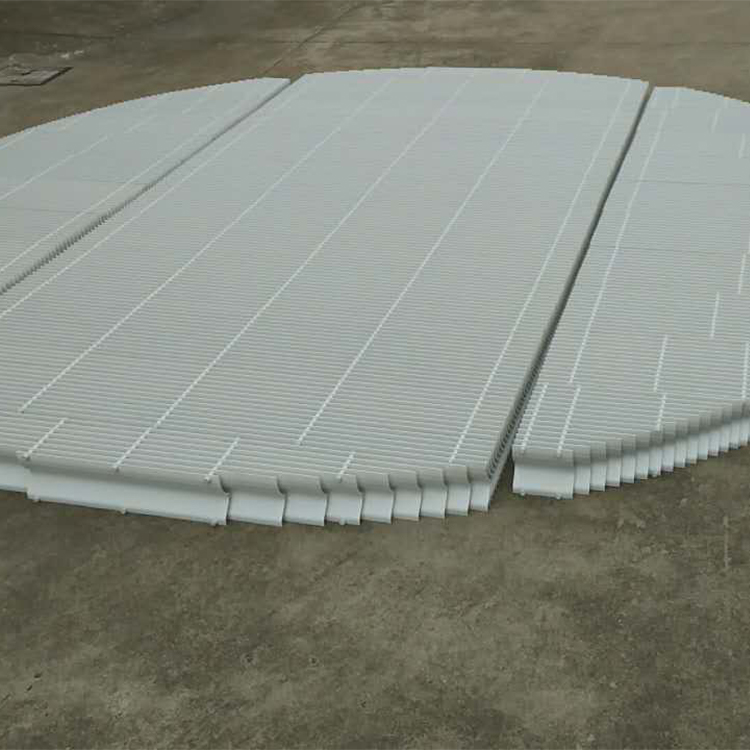
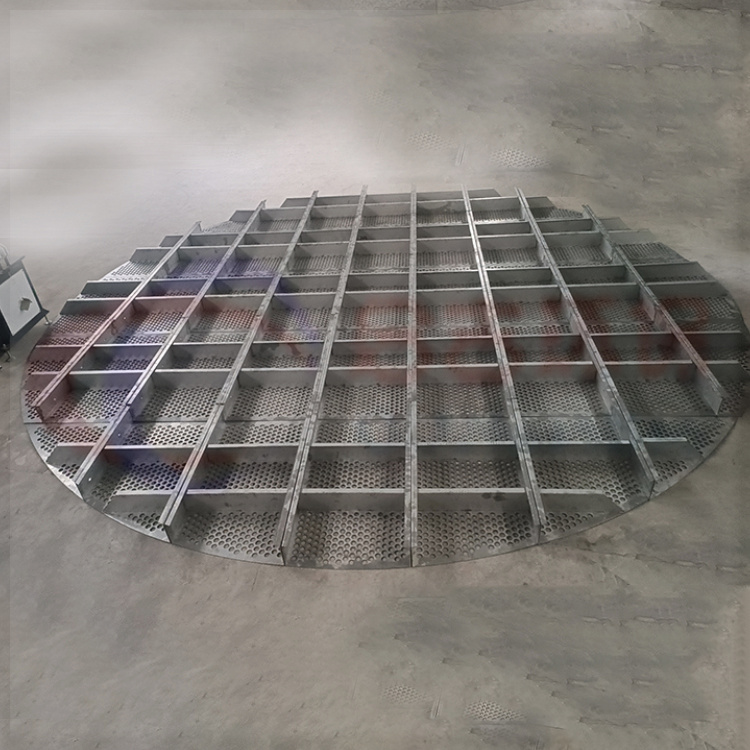






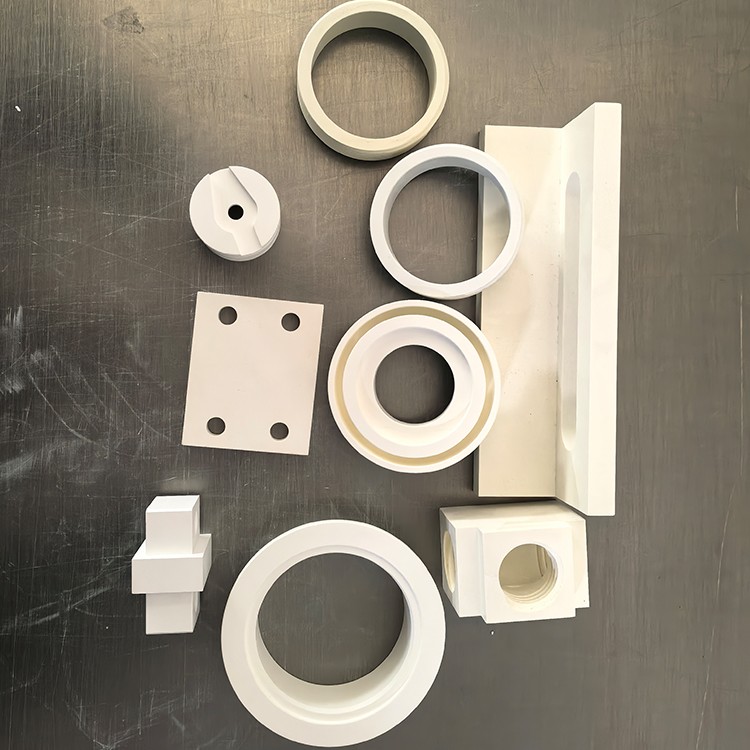
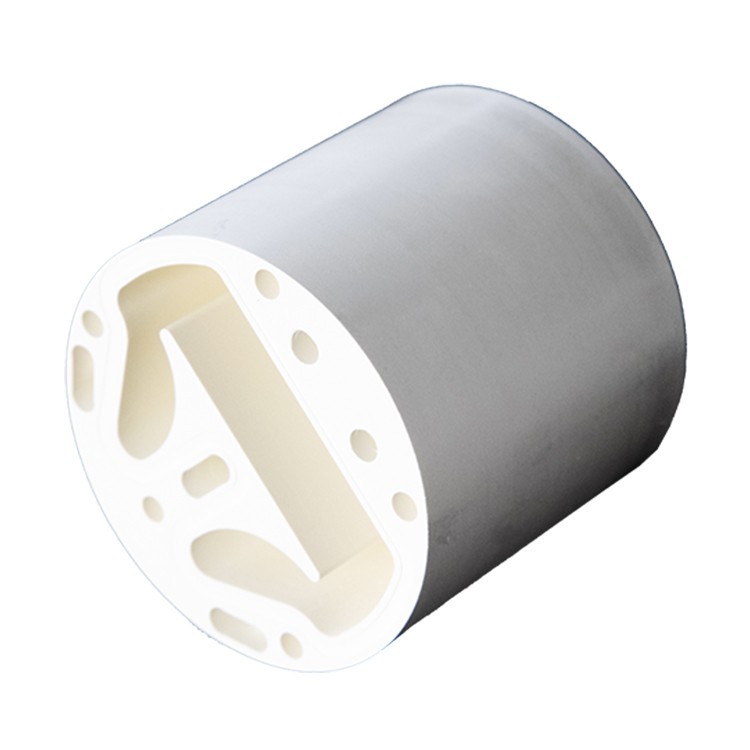
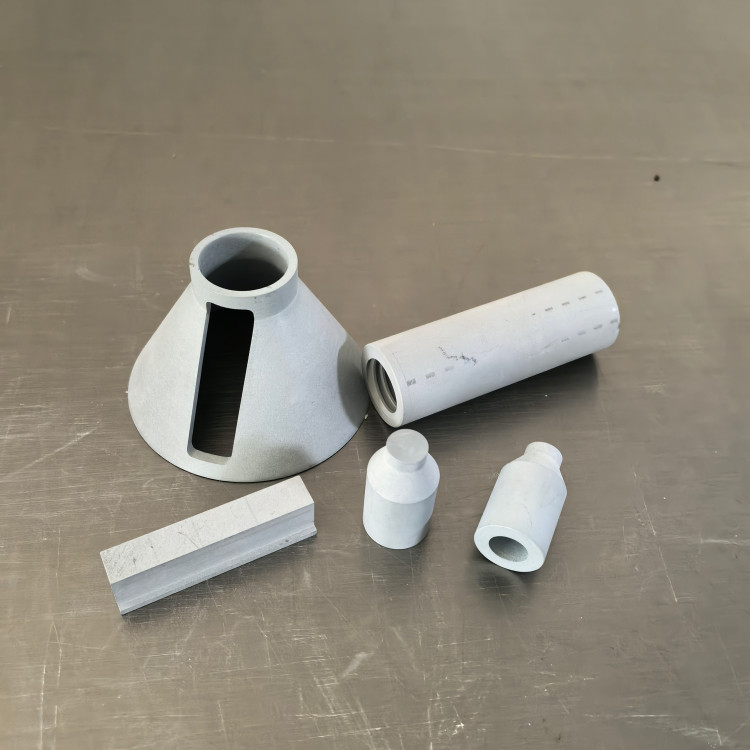
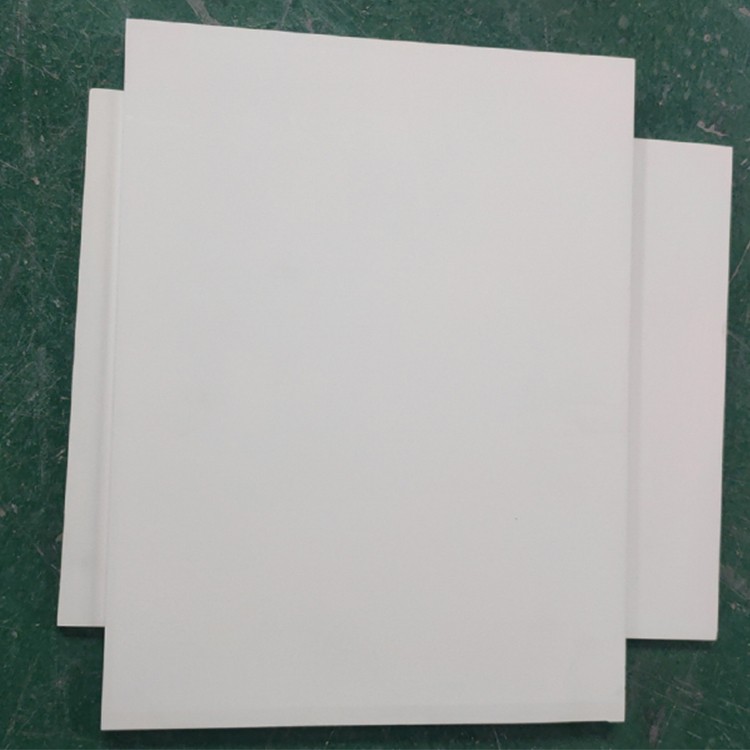
Boron nitride products are high-performance items made with boron nitride (BN) as the core material, featuring the following notable characteristics:
Excellent high-temperature resistance properties
High temperature usage under inert atmosphere: Boron nitride products can withstand high temperatures up to 2800°C in inert gases (such as nitrogen, argon) for long periods, and even reach up to 3000°C (sublimation temperature) for short-term use, far exceeding traditional refractory materials (such as alumina, zirconia).
Excellent thermal shock resistance: Can withstand hundreds of cycles from 1000℃ to room temperature without cracking, suitable for environments with extreme temperature changes.
Good electrical insulation properties
High resistivity: Volume resistivity is 10¹⁴ Ω·cm at 25°C, and it remains at 10³ Ω·cm even when heated to 2000°C, making it one of the high-temperature insulators in ceramic materials.
High breakdown voltage: Breakdown strength reaches 30-40 kV/cm, about 4 times that of alumina, suitable for insulation in high-voltage, high-frequency electrical applications and plasma arcs.
III. High Thermal Conductivity and Anisotropy
Thermal Conductivity: The in-plane thermal conductivity of hexagonal boron nitride (h-BN) can reach 300~600 W/(m·K), approaching the thermal conductivity of copper, while the thermal conductivity in the vertical direction is lower, preventing local heat concentration.
Application Scenarios: As heat sink substrates for semiconductor packaging and phase shifter heat rods, effectively reducing the operating temperature of electronic components.
Four: Strong chemical stability
Resistant to corrosion by molten metals: Does not wet or react with most molten metals (such as aluminum, copper, iron, steel, etc.), suitable for crucibles, boats, and transport pipes for melting and evaporating metals.
Resistant to acidic and alkaline erosion: Maintains stability in strong acids, bases, and molten salts; the boron-nitrogen bonds may be broken only in hot concentrated alkalis.
V. Self-lubricating and Low Friction Coefficient
Laminar Structure Lubrication: Hexagonal boron nitride has weak interlayer bonding, allowing adjacent layers to easily slide, providing lubrication with a low friction coefficient of 0.16, and does not increase under high temperatures.
Application Scenarios: Used as a high-temperature lubricant, release agent, or sprayed on surfaces of components such as gears and cylinder liners to reduce wear.
Six: Mechanical Properties and Machinability
Mechanically processable: Mosh hardness 2, soft in texture but with strong interlayer bonding, capable of being machined into precise structures (accuracy up to 0.01 mm) through turning, grinding, and other processes.
Composite Reinforcement: When combined with tungsten carbide and titanium carbide, it can be used to produce high-hardness, wear-resistant tool materials, suitable for high-speed cutting and geological exploration drill bits.











