



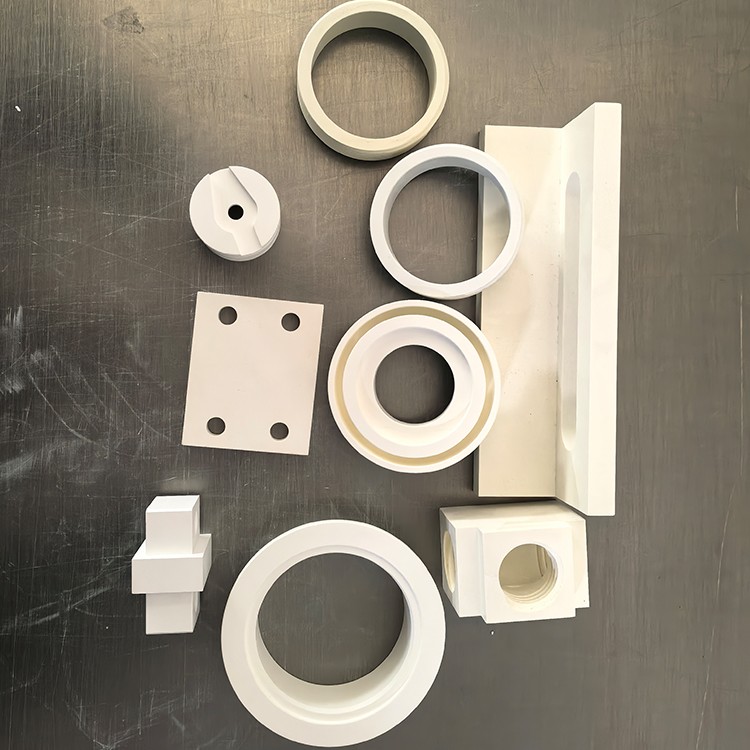

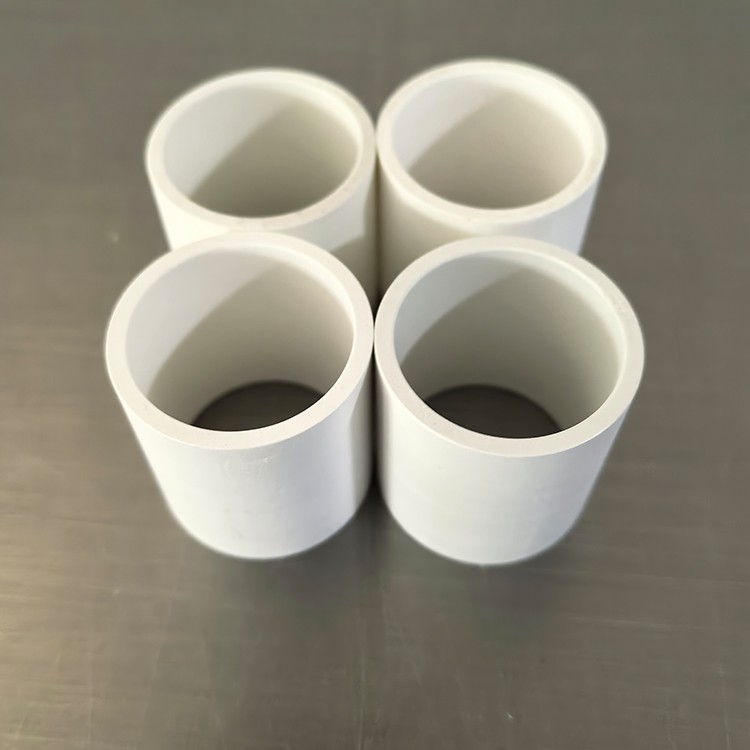
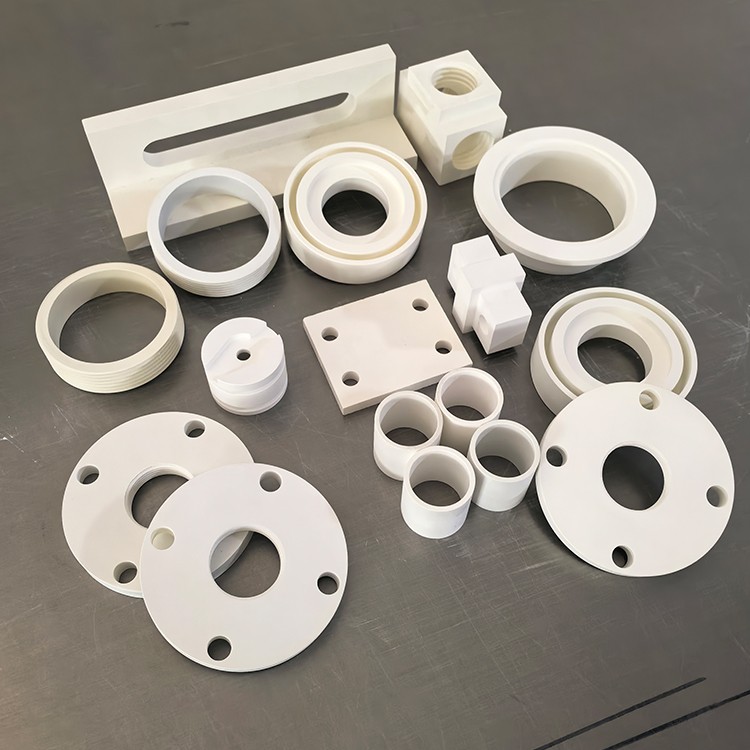
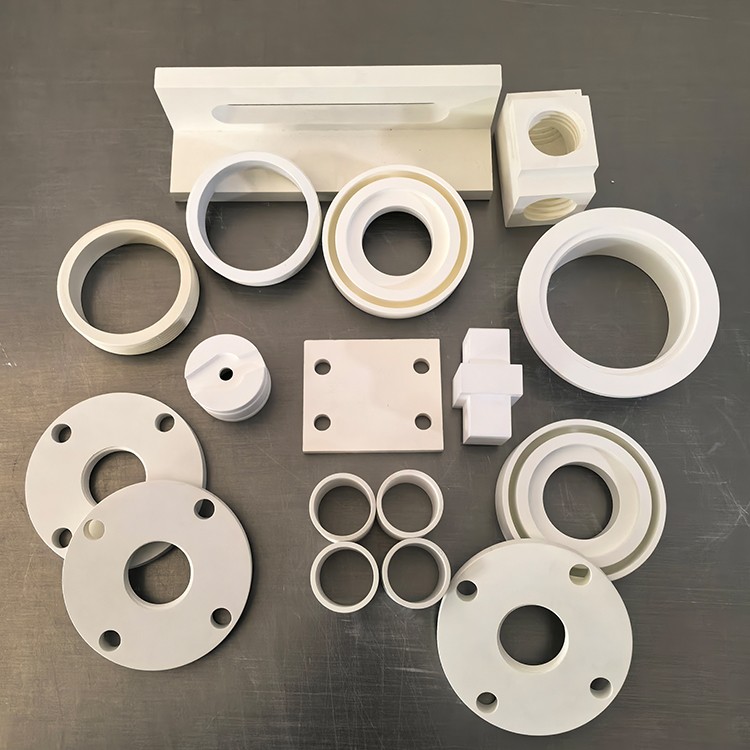










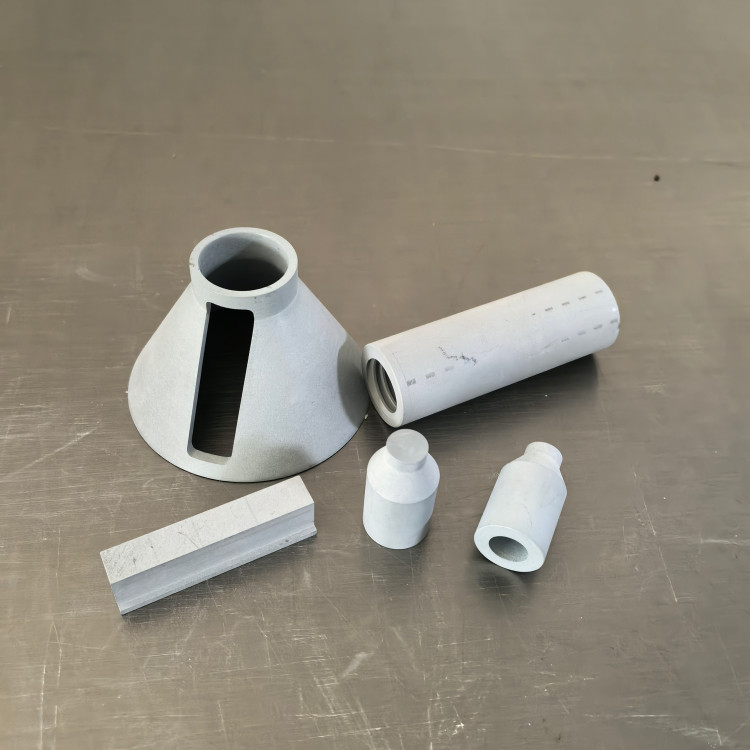
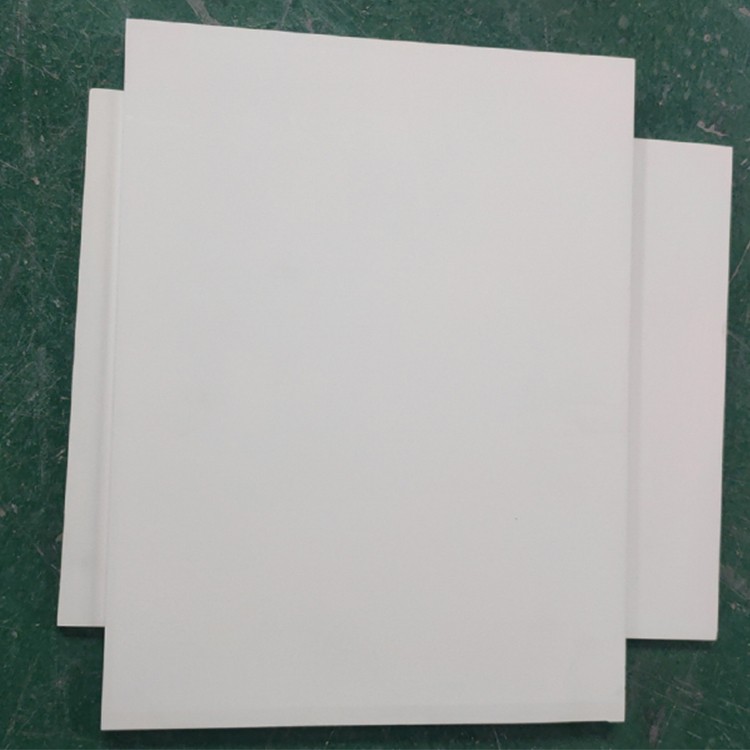
Boron nitride ceramic is a functional ceramic material primarily composed of boron nitride (BN), featuring a variety of excellent properties and widely used in numerous fields. The following is a detailed introduction to it:
One, Crystal Structure
Boron nitride ceramics feature hexagonal (h-BN) and cubic (c-BN) crystal structures, with hexagonal boron nitride, due to its layered structure similar to graphite, being referred to as "white graphite."
II. Physical and Chemical Properties
High Temperature Resistance: Boron nitride ceramic can withstand temperatures up to 3000°C, has a melting point of up to 3000°C in inert gases, and sublimates at 3000°C in 0.1MPa nitrogen. The maximum operating temperature under oxidizing atmosphere is 900°C, while in non-reactive reducing atmosphere, it can reach up to 2800°C.
Electrical Insulation: Boron nitride ceramic is an excellent electrical insulator, with a volume resistivity of up to 10^16 to 10^18 Ω⋅cm for high purity boron nitride ceramic. Even at 100℃, its resistivity remains at 10^4 to 10^10 Ω⋅cm. Its dielectric strength reaches 950 kV/cm, four to five times that of alumina, and its dielectric constant is 4, half that of alumina.
Thermal Conductivity: The thermal conductivity of boron nitride ceramic is comparable to that of stainless steel and ranks second only to beryllium oxide (BeO) among ceramic materials. Due to its high thermal conductivity, low thermal expansion coefficient, and low elastic modulus, it exhibits excellent resistance to thermal shock.
Chemical Stability: Boron nitride ceramic exhibits excellent resistance to corrosion by acids, alkalis, metals, and slag. It is non-wettable and does not react with most metal melts such as iron, aluminum, copper, titanium, silicon, and also with GaAs, crystal stone, and glass melts.
Lubricity: Boron nitride ceramic powders and products exhibit excellent lubricity and can be used as components in self-lubricating bearings or as fillers in metals and ceramics.
Neutron Absorption: Boron in boron nitride ceramics has a large neutron absorption cross-section, thus it can be mixed with various plastics and graphite to serve as shielding material for atomic reactors.
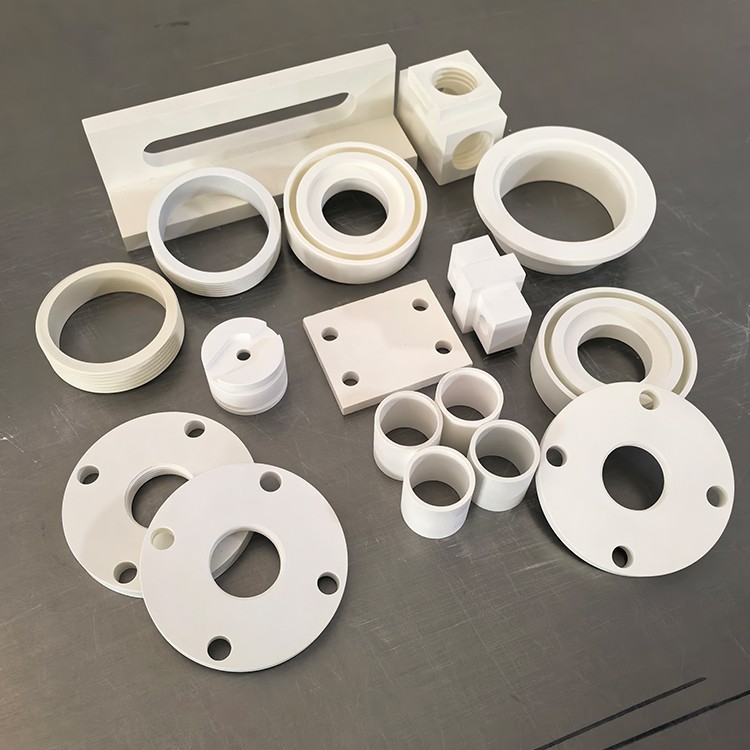
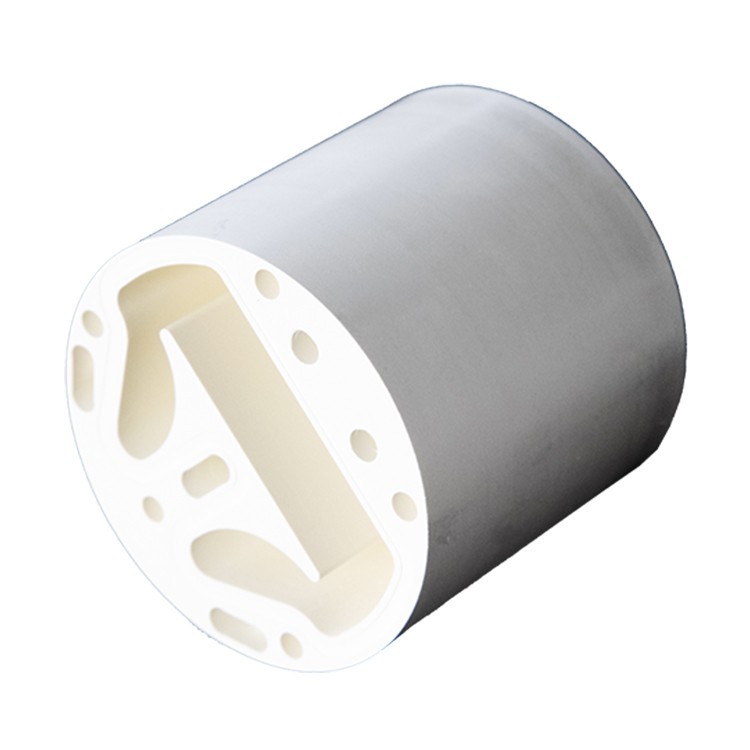
Machinability: Hexagonal boron nitride ceramic has a Mohs hardness of 2, allowing for turning, milling, planing, and drilling processes, with precision up to 1/100mm.











