



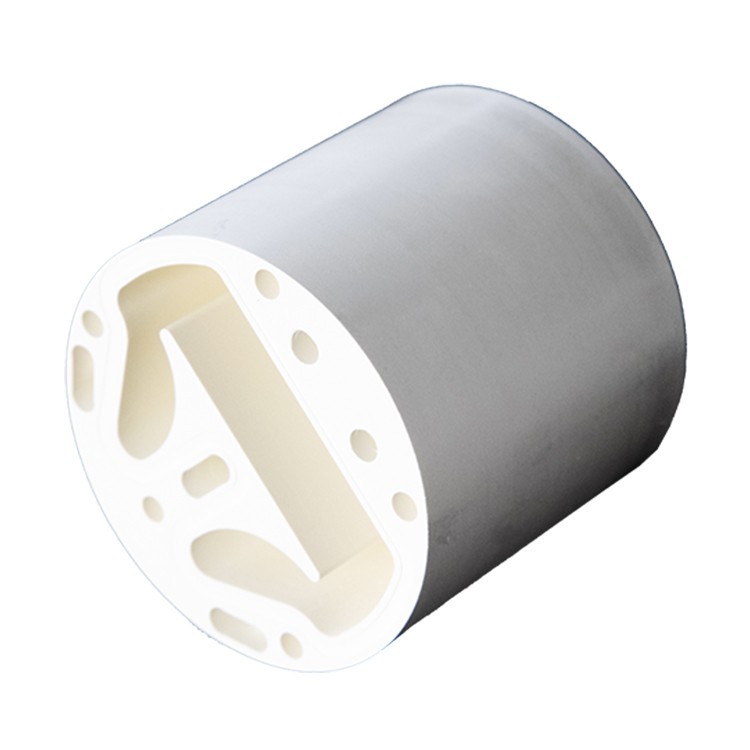

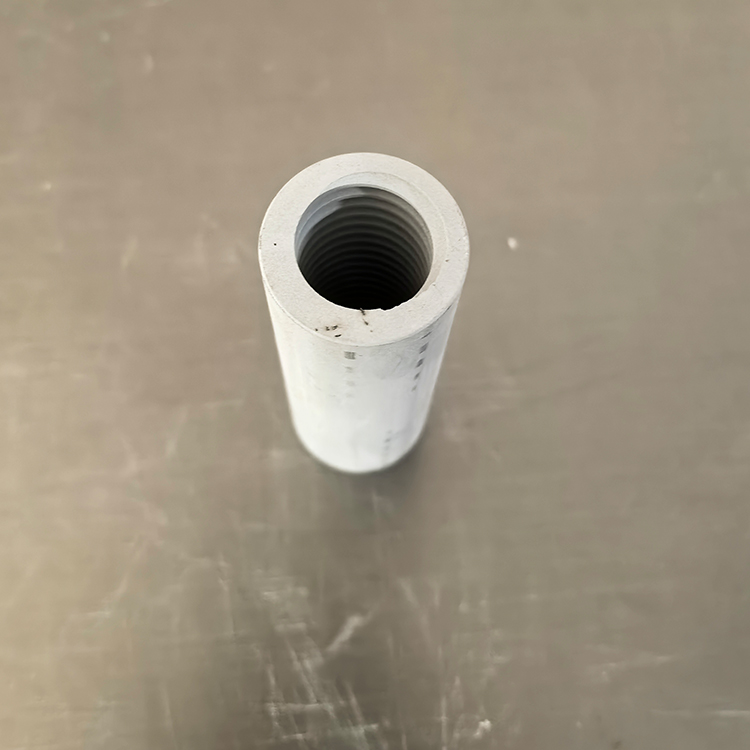
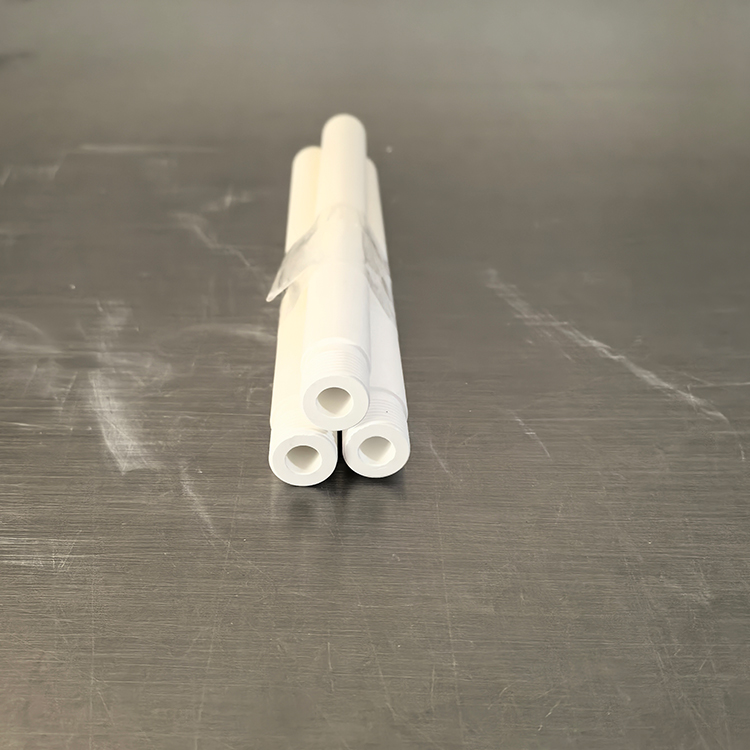
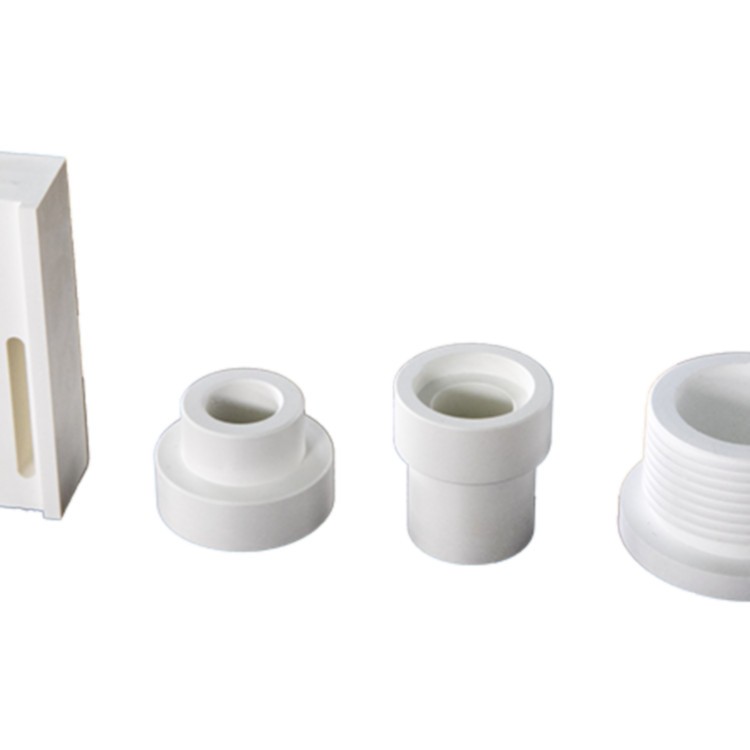
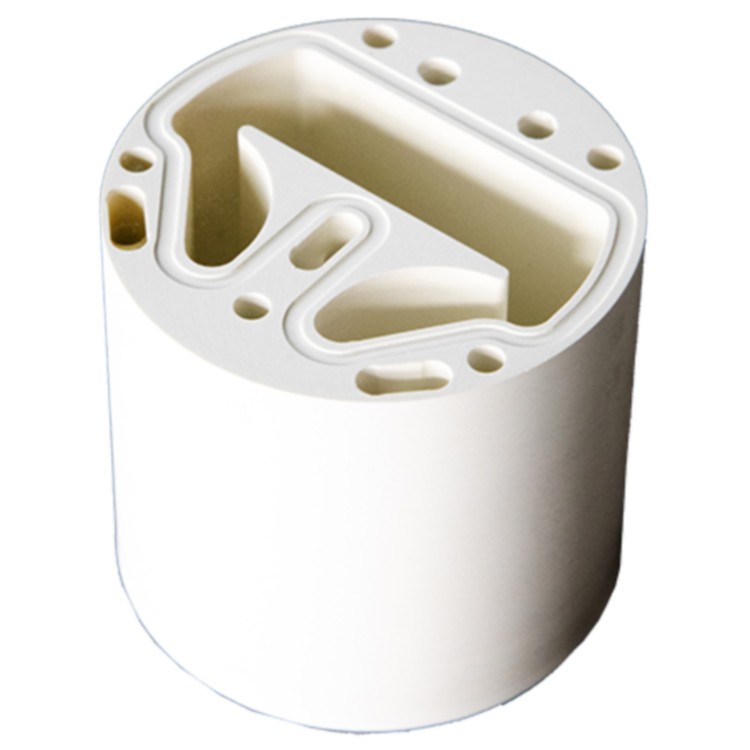











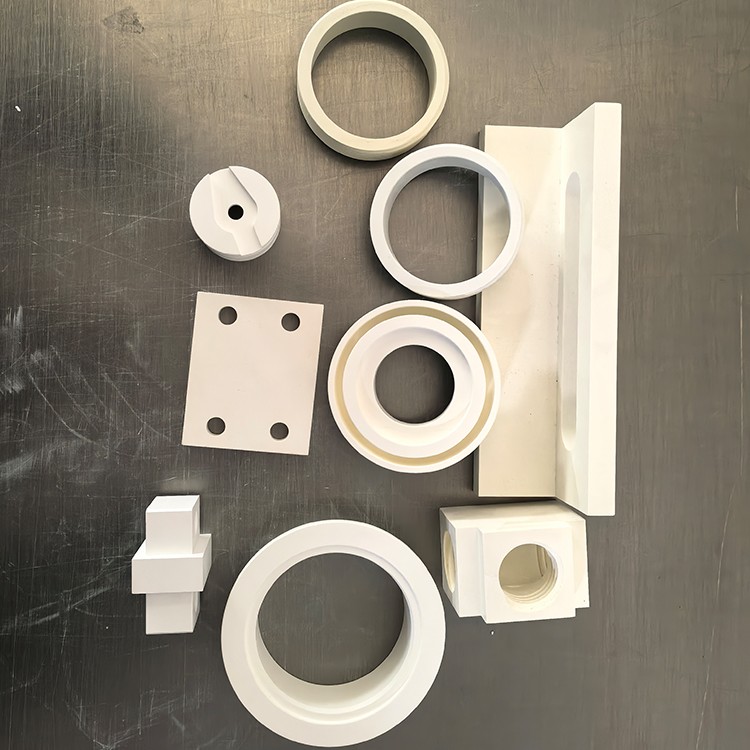
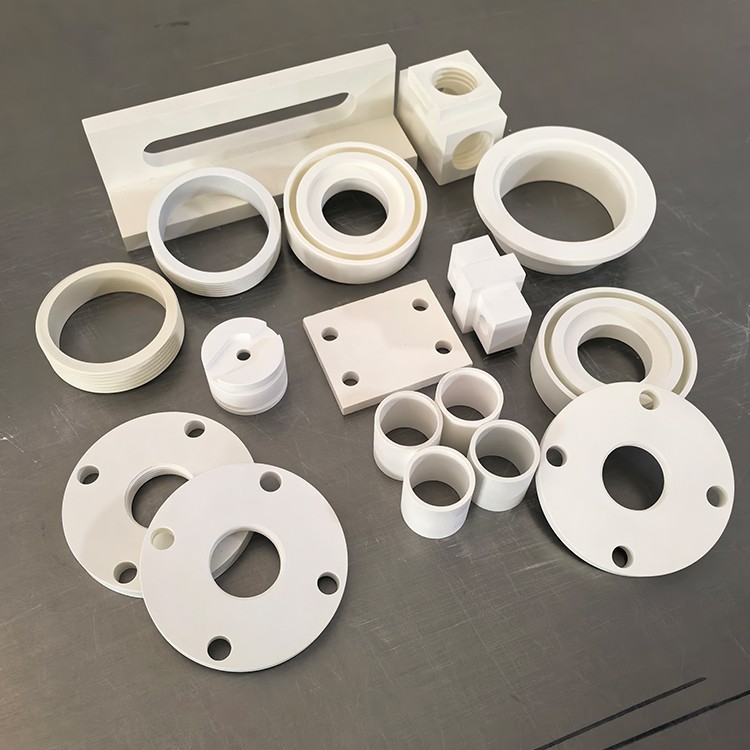
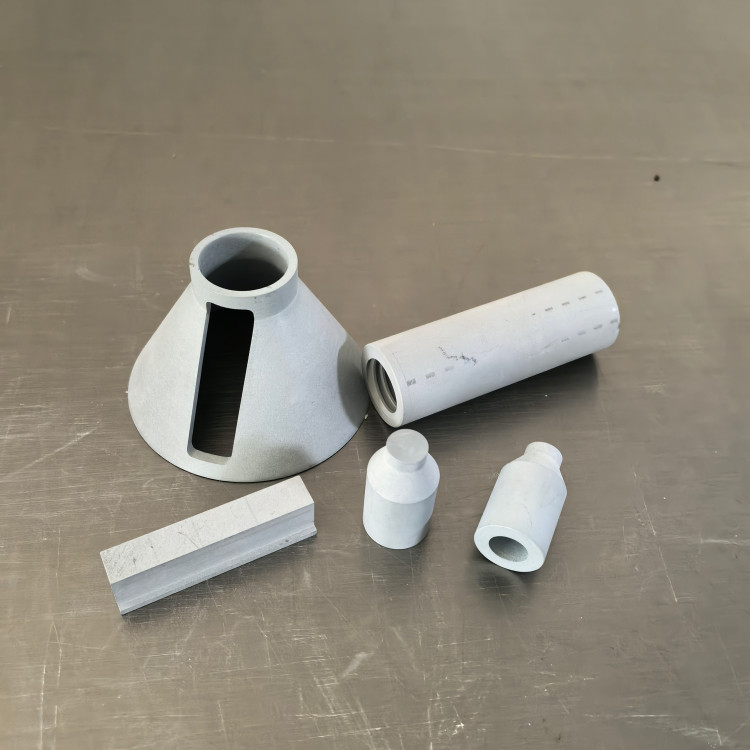
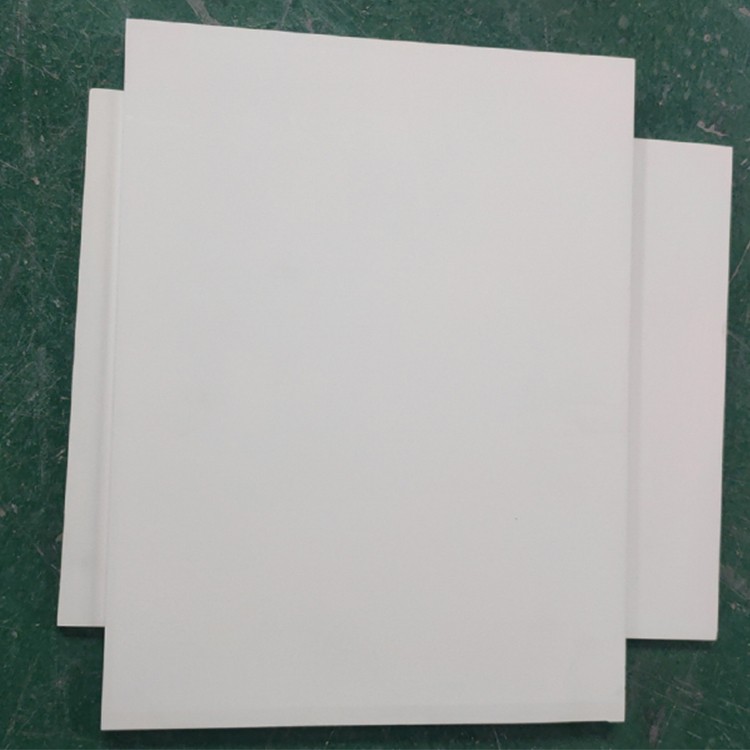
Boron nitride insulators are high-performance insulating components made with boron nitride (BN) as the core material. Thanks to their unique physical and chemical properties, they demonstrate excellent insulation and heat dissipation in extreme environments such as high temperatures, high pressures, high frequencies, and strong corrosion, making them a key material in the electronics and power sectors. Below is a detailed introduction to their core features and application scenarios:
Core Features
Excellent electrical insulation properties
Boron nitride is a wide bandgap semiconductor with a resistivity as high as 10^12 Ω⋅m and a breakdown voltage strength of up to 30∼40 kV/cm. It maintains stability in high-voltage, high-frequency electrical environments and plasma arcs, making it an ideal insulating material.High thermal conductivity and anisotropy
Hexagonal boron nitride (h-BN) has an in-plane thermal conductivity of up to 300~600 W/(m·K), with a lower thermal conductivity in the perpendicular direction. This anisotropy allows it to dissipate heat while preventing excessive heat concentration in specific directions, making it suitable for local thermal management of high-power electronic devices.Extreme environmental stability
High temperature resistance: Can be used continuously below 2100°C, with short-term tolerance up to 2800°C, far exceeding traditional insulating materials (such as alumina, mica).
Low thermal expansion coefficient: Approaches zero in thermal expansion coefficient, maintains excellent size stability during drastic temperature changes, and demonstrates superior thermal shock resistance.
Chemical Inertness: Does not react with most acids, bases, salts, or organic solvents; is not wetted by molten metals (such as steel, aluminum, copper); exhibits strong corrosion resistance.
Mechanical properties and workability
Mohs hardness of 2, soft in texture with strong interlayer bonding, capable of being machined into precision structures (accuracy up to 0.01mm) through turning, grinding, and other processes.
Can be made into films, coatings, blocks, or composite materials, catering to various application scenario requirements.











