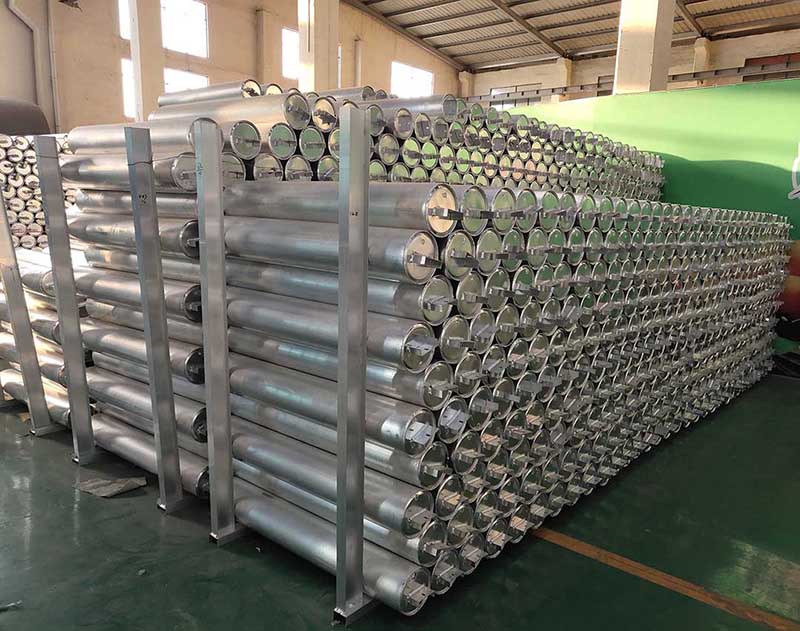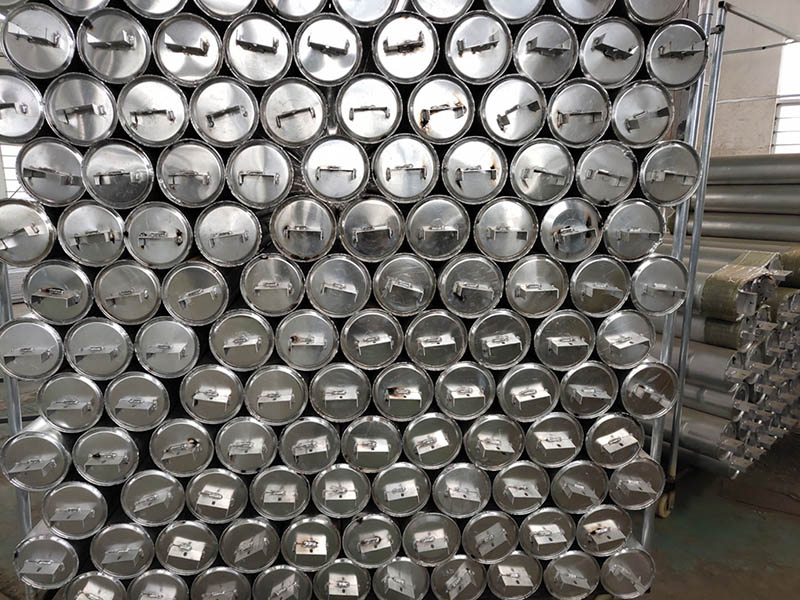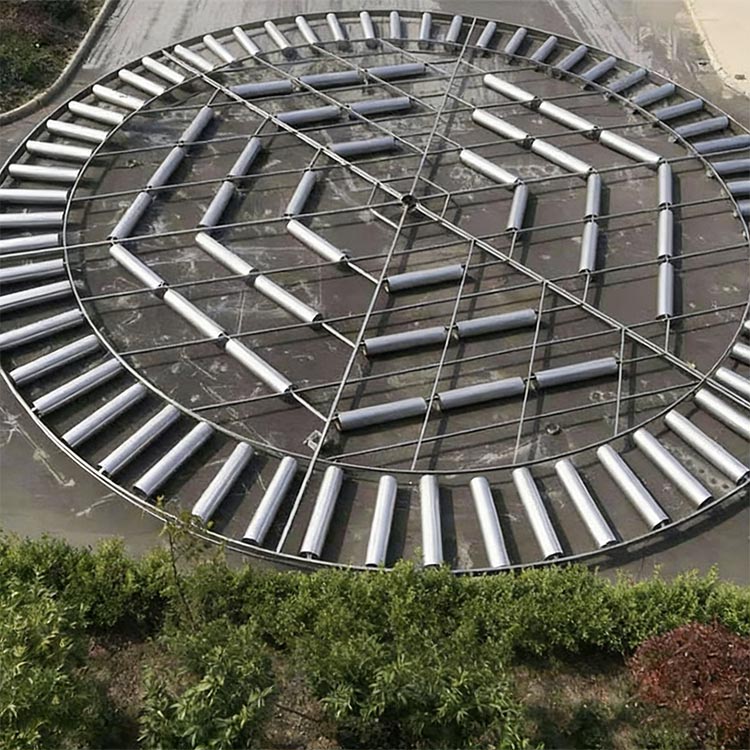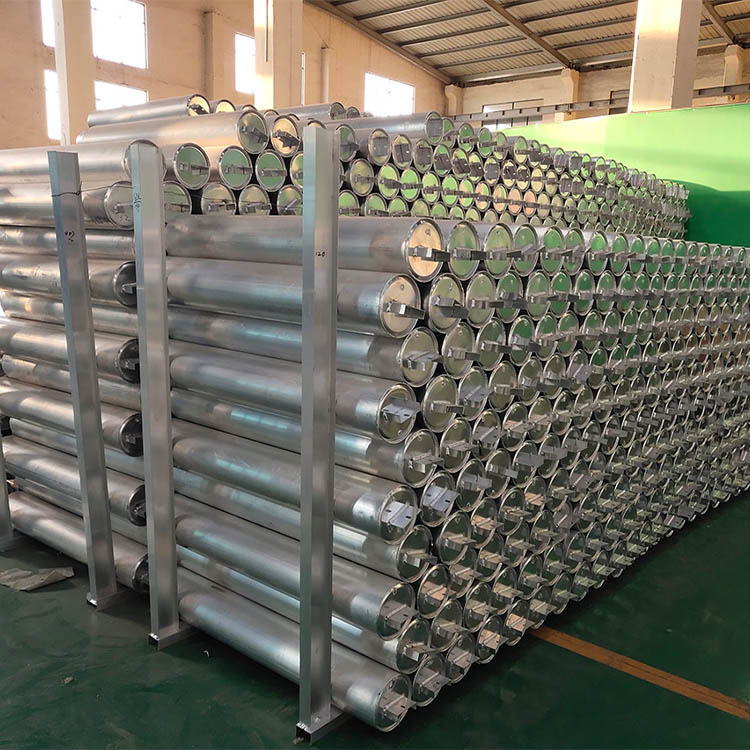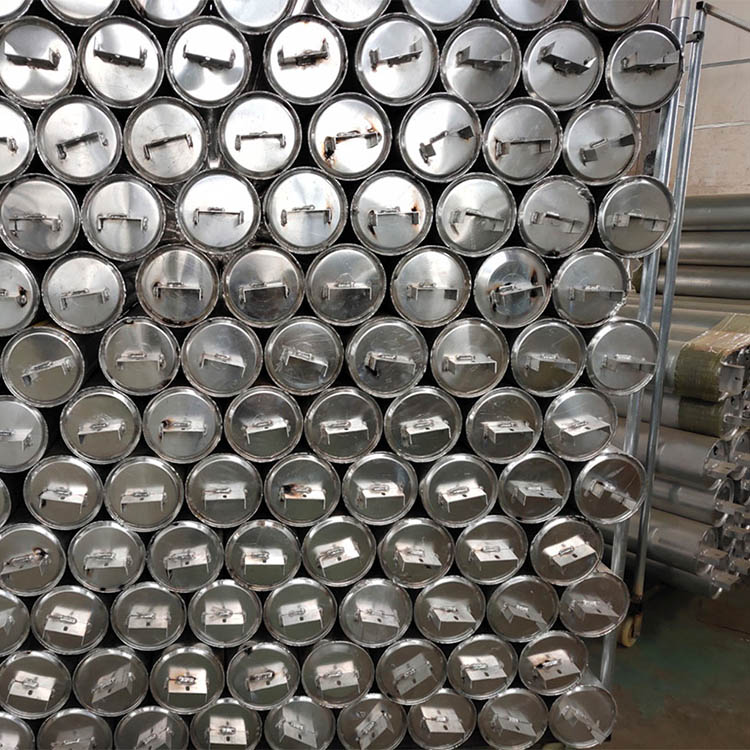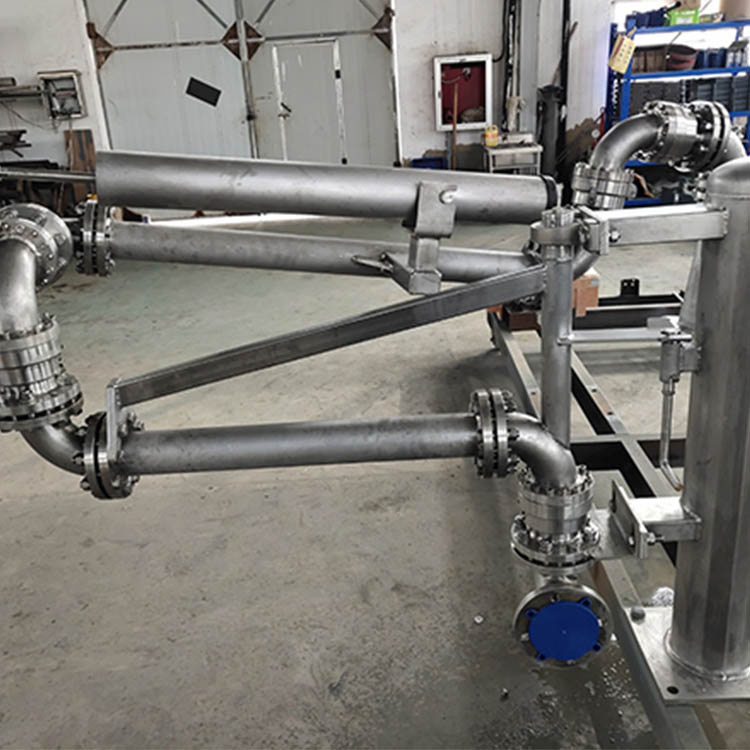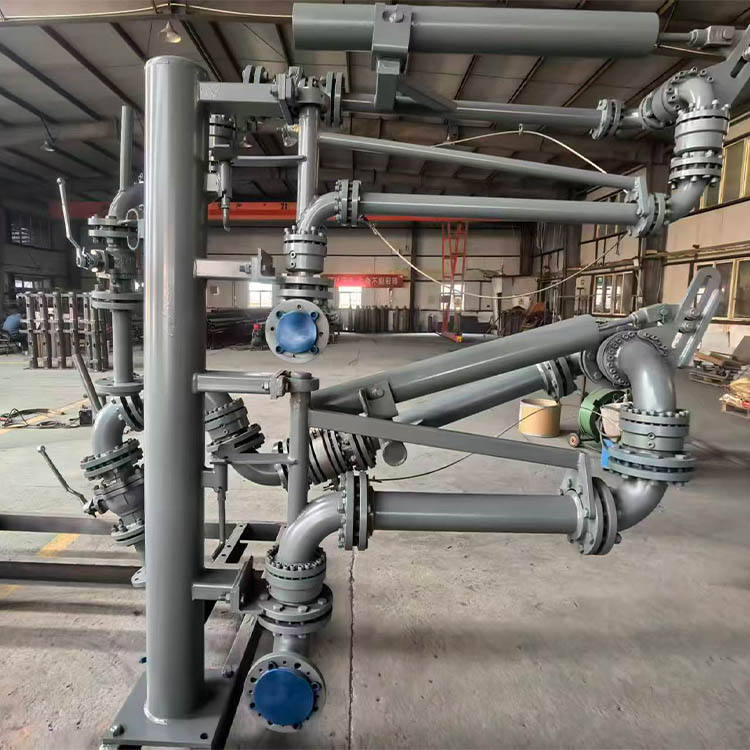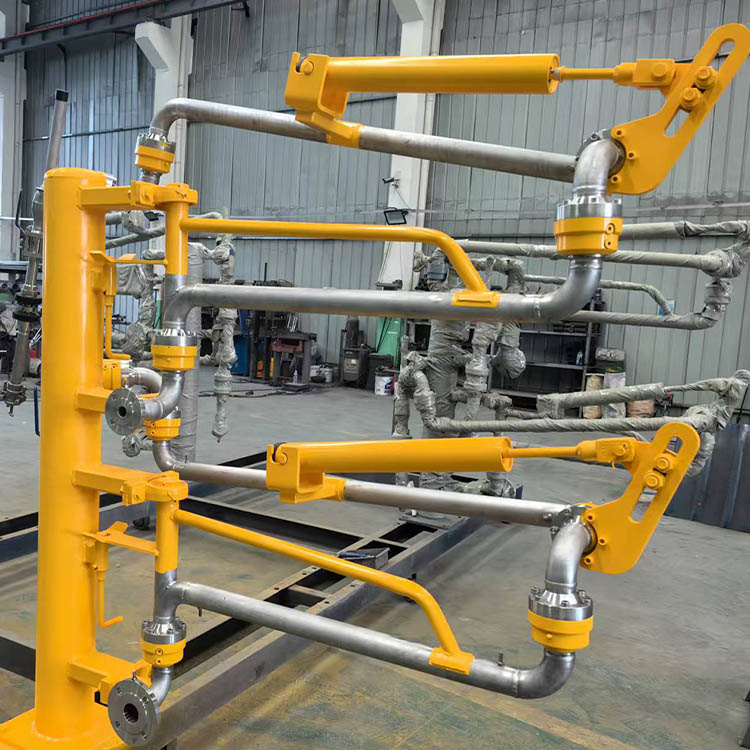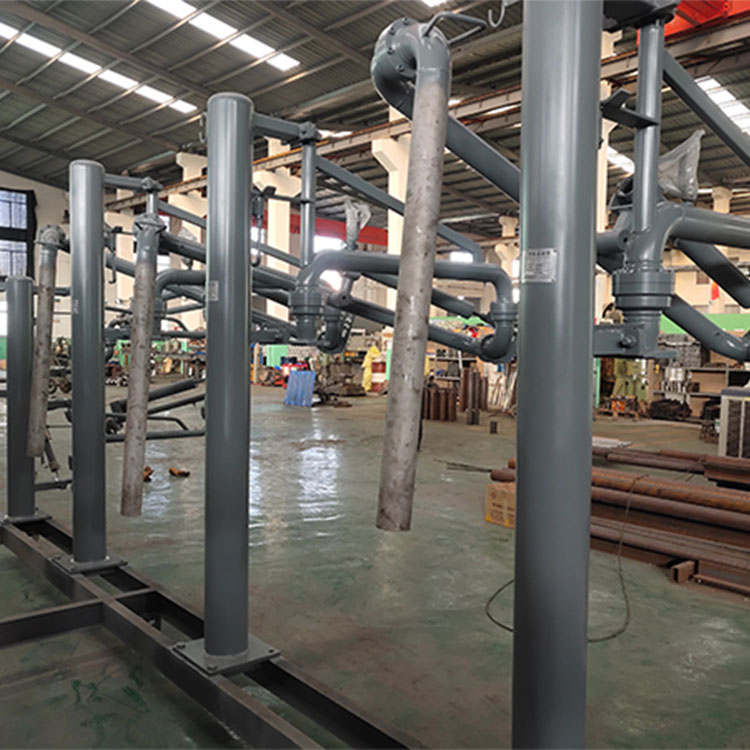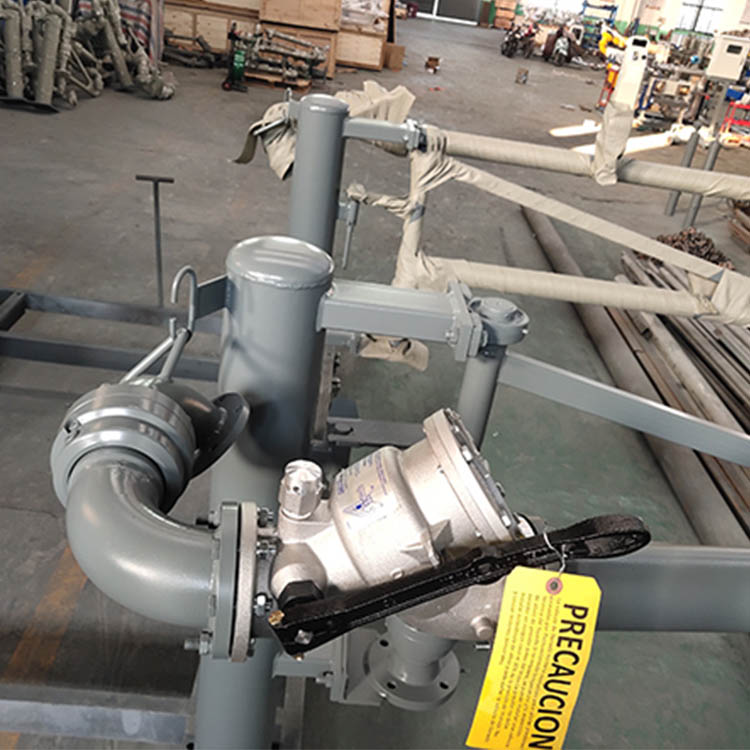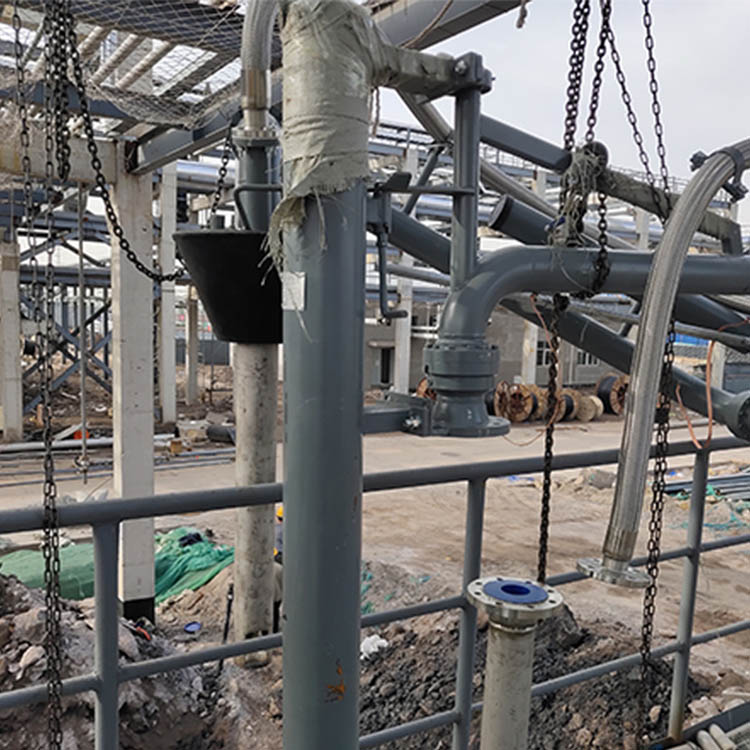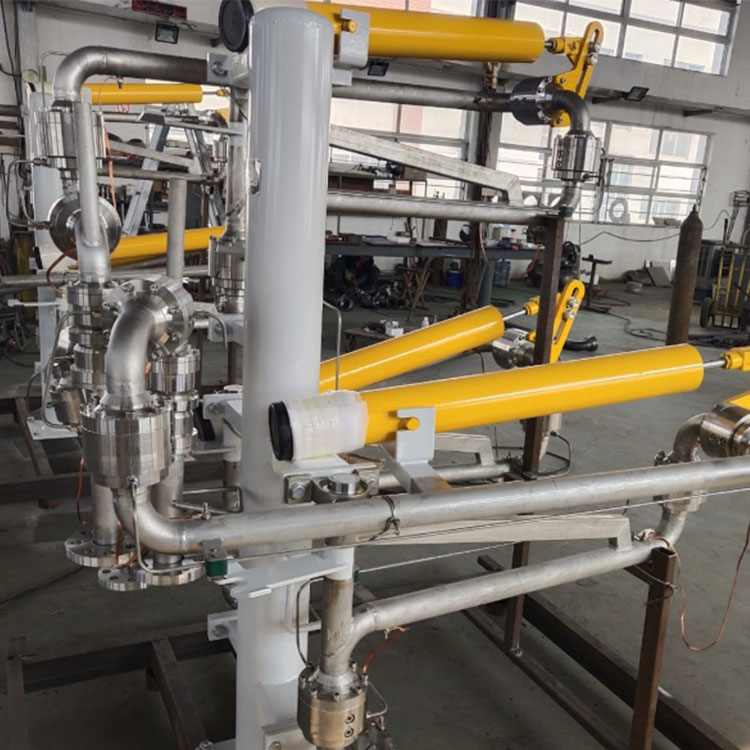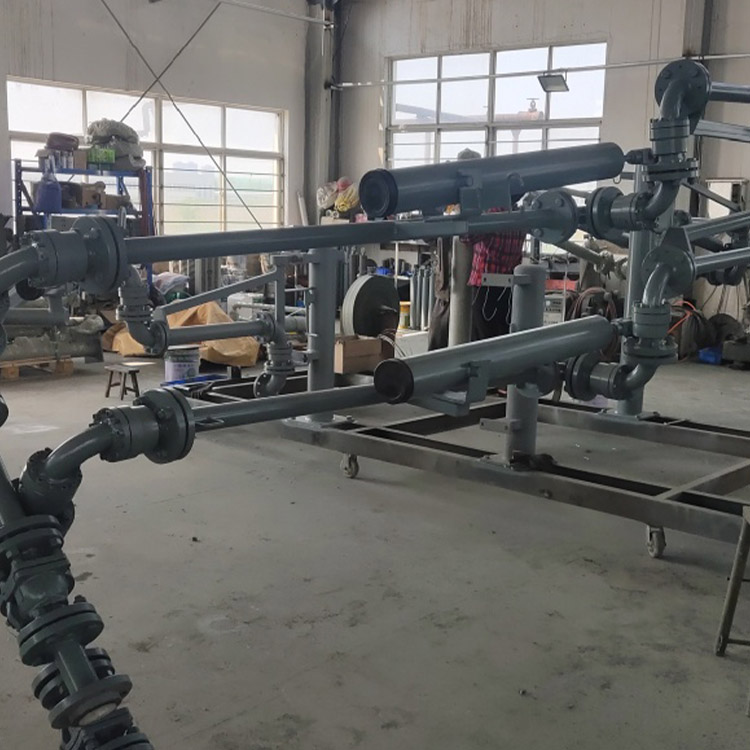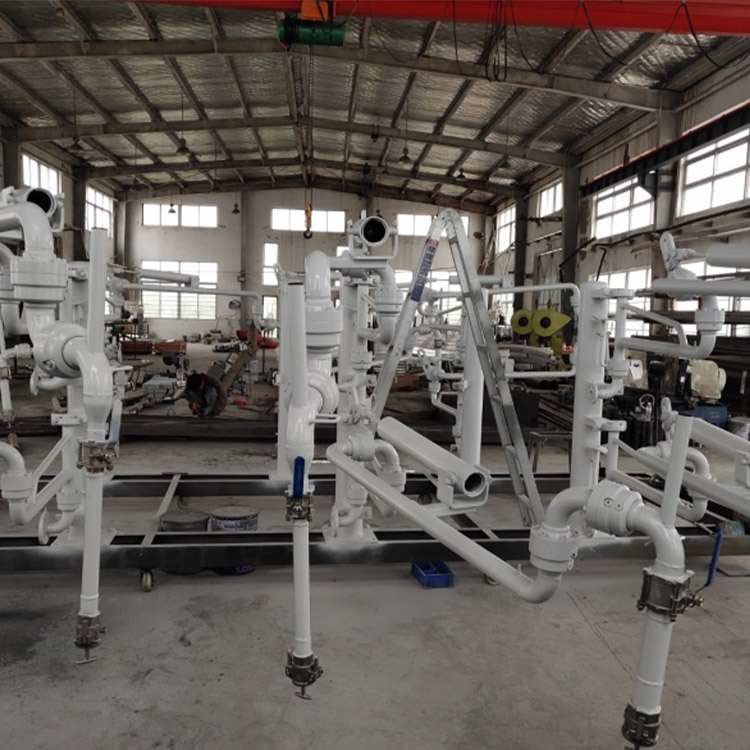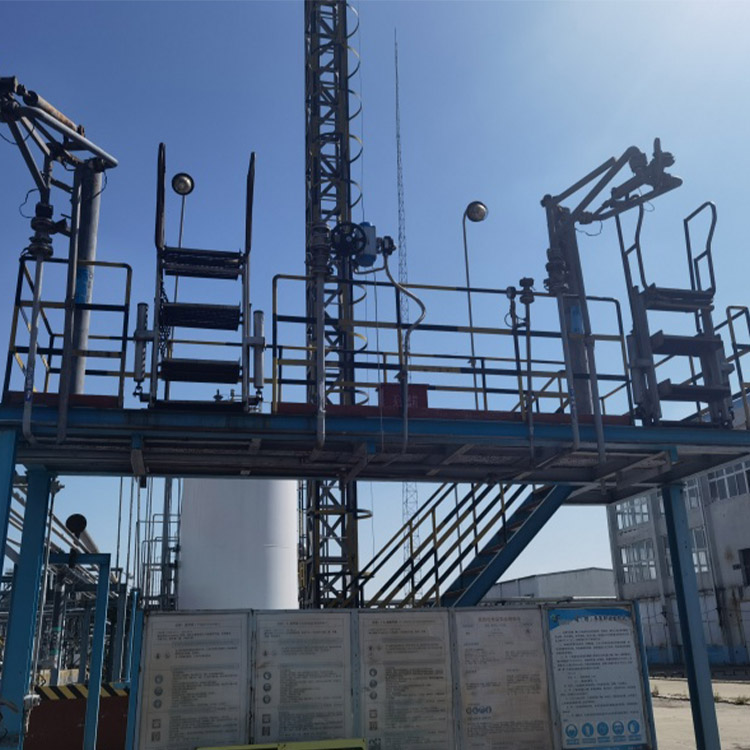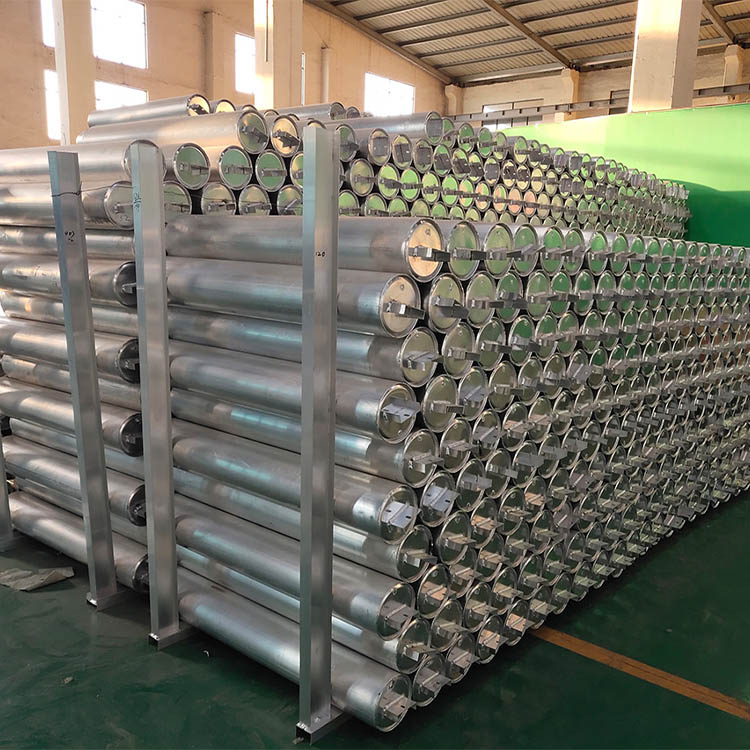
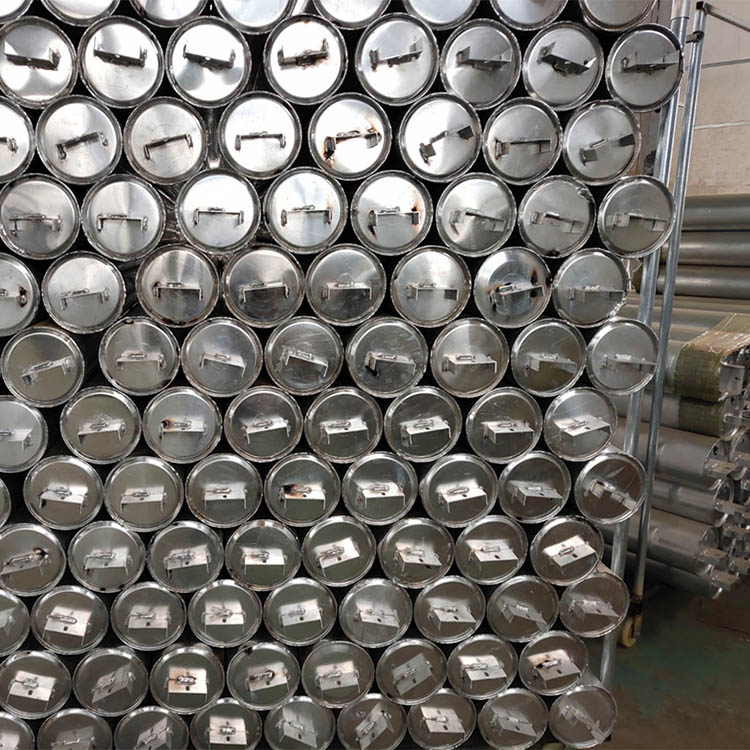


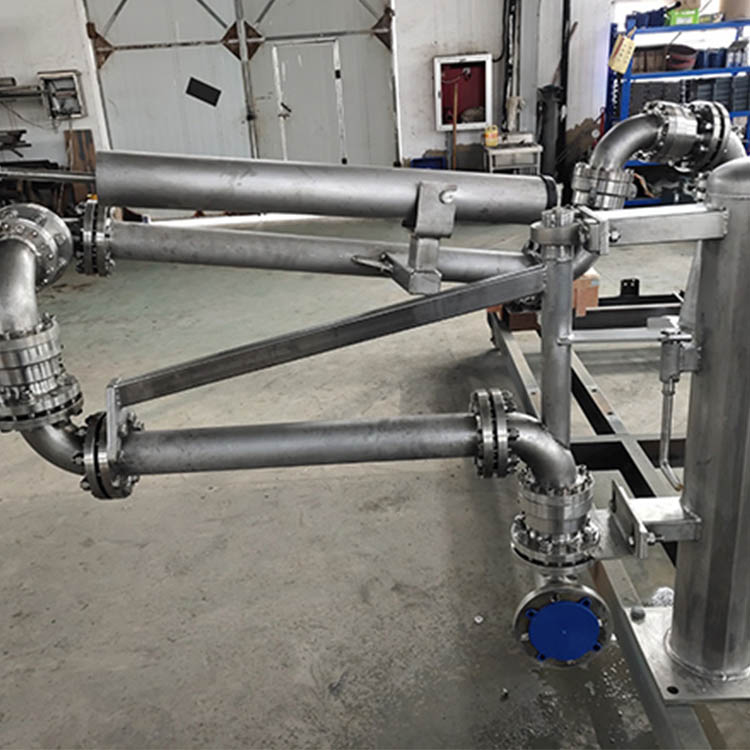
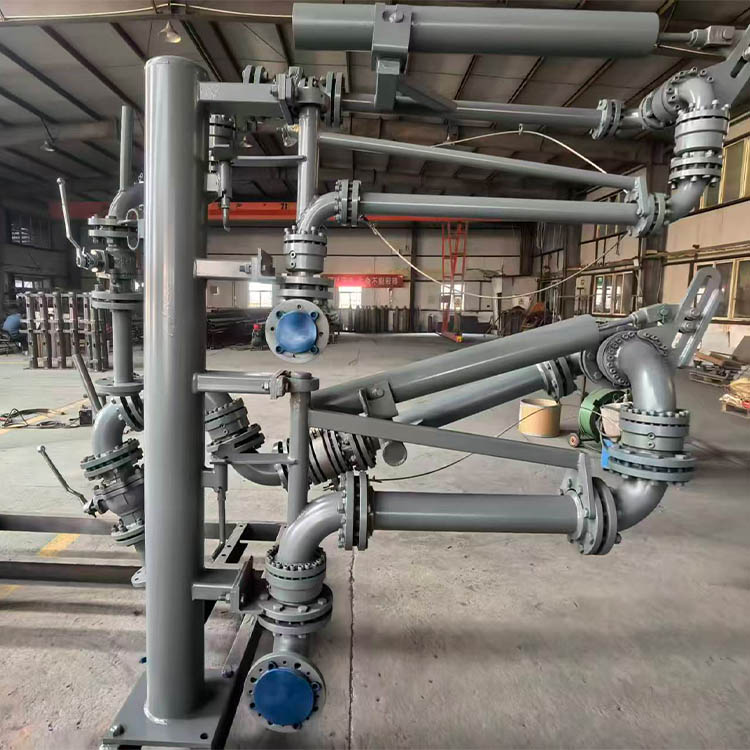
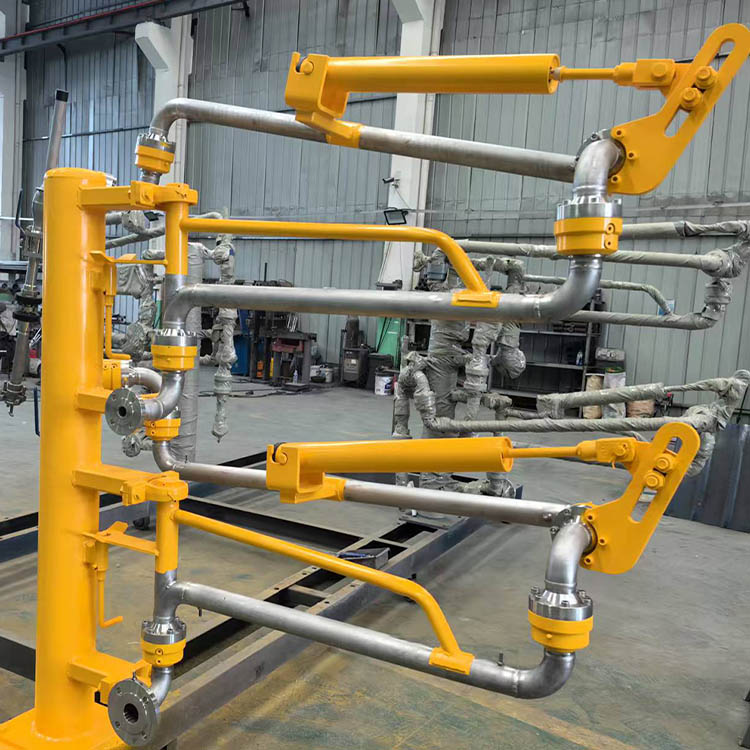





Aluminum alloy buoyant floats with internal floating decks are one of the mainstream types of floating roofs for storage tanks. They utilize aluminum alloy floats as the buoyancy core, combined with aluminum alloy frames and sealing systems, floating on the liquid surface. This significantly reduces liquid evaporation losses and VOCs emissions, and are widely used in storage tanks across various industries such as oil, chemicals, and food (gasoline, diesel, edible oils, etc.).
I. Core Structure
Buoy (Buoyancy Unit)
Material: Aluminum alloy (5052/5083), corrosion-resistant, lightweight, and high buoyancy.
Structure: Typically cylindrical or elliptical, featuring welded or bolted sealing, with an internal hollow design for buoyancy. Buoyancy chambers are evenly spaced to ensure the float plate remains stable.
Features: Individual buoy is independently sealed, local damage does not affect overall buoyancy, and high safety.
Frame (Support Structure)
Material: Aluminum alloy profiles (main beam, secondary beam, leg), high strength, light weight.
Purpose: Connect buoys into an integrated unit, forming a stable supporting structure, while also providing an installation base for seals, lids, and other components.
Legs: Adjustable height, supporting the drum bottom when the floating disk descends, preventing direct contact between the floating disk and the drum bottom.
Sealed System (Key to Volatility Prevention)
One-time sealing: tightly adheres to the can wall, commonly uses elastic bag-type or tongue-type seals (made of rubber or fluoro rubber), adjusts to the can wall with the rise and fall of the float plate, reducing gap leakage.
Optional Secondary Sealing: Further reduces VOCs emissions above the initial seal, enhancing sealing effectiveness.
Buoyage compartment sealing: Utilizes rubber strips/ sealing plates to block the gaps between buoys, reducing localized evaporation.
Lid / Panel (Optional)
Material: Aluminum alloy thin plate / fiberglass, covering the buoyancy cylinder and frame to form a flat surface.
Function: Reduces surface disturbance of liquids, protects buoyancy modules and frames, and further reduces evaporation losses.
Section 2: Working Principle
Utilize the buoyancy of the aluminum alloy buoyant float to keep the float plate afloat on the liquid surface.
The liquid level rises → The float plate rises in sync with the liquid surface.
Level decreases → Float plate lowers in sync with liquid surface.
Maintain tight contact between the float and liquid surface at all times to minimize the contact area between the liquid and air, thereby significantly reducing evaporation losses (usually by over 80%), while also suppressing VOCs emissions to meet environmental protection requirements.
Section 3: Key Features
Lightweight and high buoyancy
Aluminum alloy has low density, features a hollow buoy design for ample buoyancy, and the overall weight of the buoy is light, resulting in minimal structural load on the storage tank.
Corrosion-resistant and long-lasting
Aluminum alloy surfaces form an oxide film, which is resistant to oil and mild corrosion, suitable for mediums like gasoline and diesel, with a normal service life of up to 15-20 years.
High safety level
Buoyancy buoy is independently sealed, local leakage does not affect overall buoyancy.
Aluminum alloy does not produce sparks, suitable for storage tanks for flammable and explosive media.
Leg support design to prevent buoy from sinking and damaging.
Easy installation, simple maintenance
Modular design, allowing for transportation via manholes of storage tanks, on-site assembly, no need for firework operations.
Buoyancy floats and sealing parts are consumable items, replaceable individually, with low maintenance costs.
Excellent environmental protection and emission reduction effect
Effectively reduce liquid evaporation losses and lower corporate operational costs.
Inhibit VOCs emissions, meet environmental discharge requirements, and reduce air pollution.