
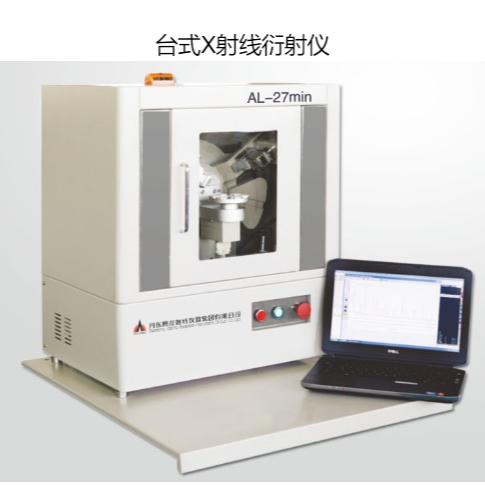







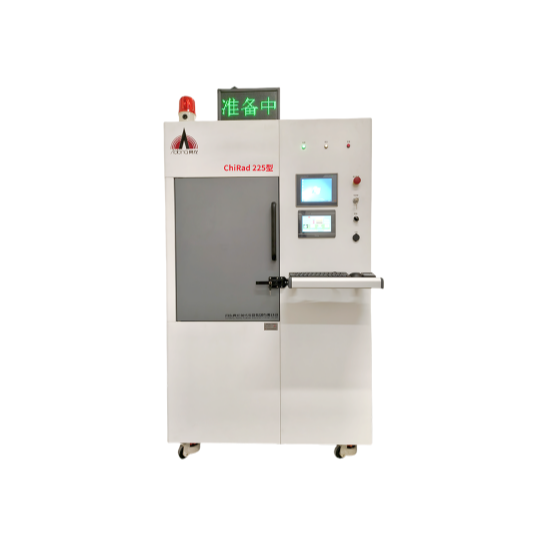
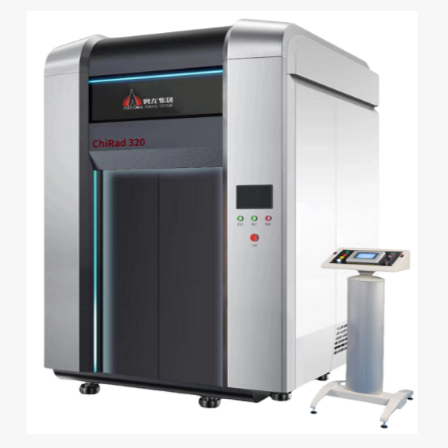
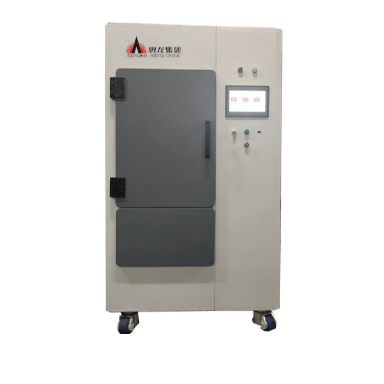

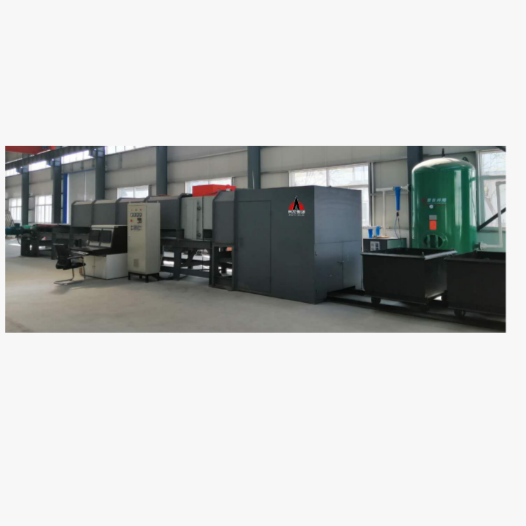

Desktop X-ray Diffraction Instrument
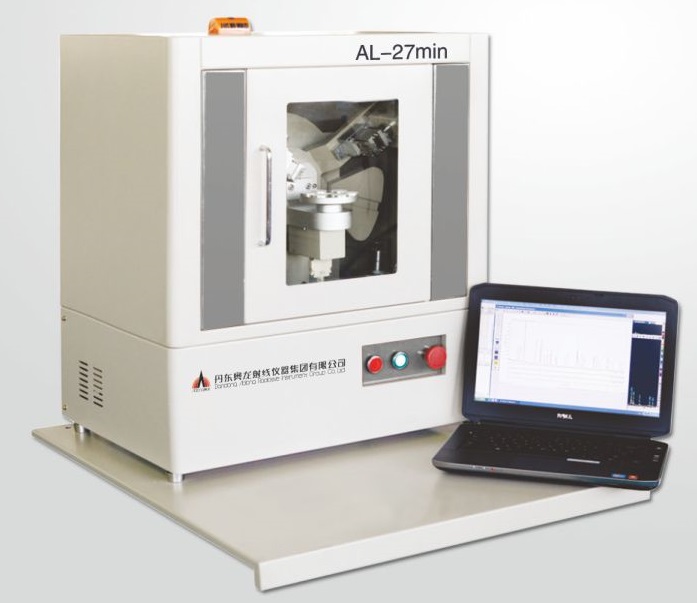
Engineered for industrial production and quality control, the advanced technology of the concentrated X-ray diffractometer, a functional and compact desktop X-ray diffractometer. Capable of precise qualitative analysis, quantitative analysis, and crystal structure analysis of metal and non-metal samples. Particularly suitable for industries such as catalyst production, titanium dioxide, cement, pharmaceuticals, and more.
Main Technical Specifications:
● Operating Power (Tube Voltage, Tube Current): 600W (40kV, 15mA) or 1200W (40kV, 30mA), Stability: 0.005%
● X-ray Tube: Metal Ceramic X-ray Tube, Cu Target, Power: 2.4kW, Focal Size: 1x10 mm
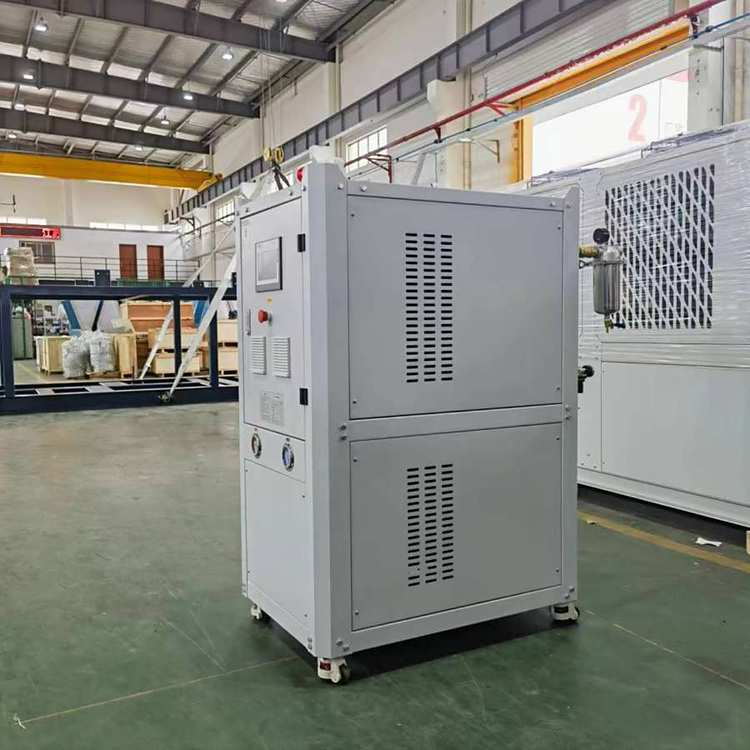
Air-cooled or water-cooled (water flow rate over 2.5L/min)
● Angular Measuring Instrument: Sample horizontal θs-θd structure, diffraction circle radius 150mm
● Sample measurement methods: Continuous, Step, Omg
● Angular Measurement Range: -3° to 150° when θs/θd is linked
● Minimum Step Width: 0.0001°
●Angle Reproduction: 0.0005°
● Angular positioning speed: 1500°/min
Counter: Enclosed proportional or high-speed one-dimensional semiconductor counter
● Spectral Resolution: Less than 25%
● Maximum Linear Counting Rate: ≥5×10^5 CPS (Proportional), ≥9×10^7 CPS (1D Semiconductor)
●Computers: Dell Business Notebook
●Instrument Control Software: Windows 7 operating system, automatically controls the tube voltage, tube current, shutter, and aging training of the X-ray generator; controls the goniometer for continuous or step-wise scanning while collecting diffraction data; performs routine processing of diffraction data: automatic peak finding, manual peak finding, integrated intensity, peak height, centroid, background subtraction, smoothing, peak shape amplification, and spectrum comparison, etc.
● Data processing software: phase identification and quantification, Kα1, α2 stripping, full spectrum fitting, peak fitting, half-width at half-maximum and grain size calculation, cell determination, second-class stress calculation, diffraction line indexing, multiple plotting, 3D plotting, diffraction data calibration, background subtraction, quantitative analysis without standard samples, full spectrum fitting (WPF), XRD diffraction spectrum simulation.
● Scatter Radiation Protection: Lead + Lead Glass Shielding, interlocked with light gate windows and protective devices, scatter radiation dose not exceeding 1 μSv/h
● Overall stability of the instrument: ≤1‰
● Sample Load Data: Configure the sampler, with a maximum of 6 samples per load