








Recirculating cleaning
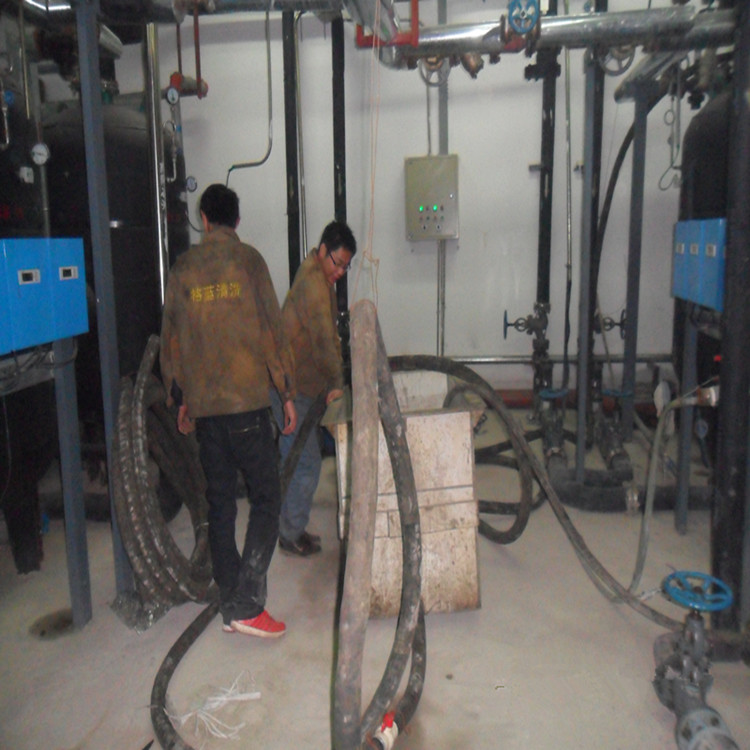
Recirculating cleaning utilizes two existing parallel ash piping lines to form a loop, creating a circulating system with the cleaning pump station. It introduces a certain concentration of acid washing fluid, which circulates within the ash water pipes for cleaning. Acid is continuously replenished as the acidity level decreases to a certain extent. For short-distance single ash water pipelines, if conditions permit, a temporary pipeline can be laid to form a recirculating loop for cleaning. This process must be carried out while the system is shut down, and it is complex and costly.
2. Open Channel Cleaning
During cleaning, it is not allowed for two gray pipes to form a loop; only single gray pipe open-circuit cleaning is permissible. The method involves connecting one end of the gray pipe to the cleaning device and continuously preparing a specific concentration of acid washing solution in the blending tank, then continuously or intermittently injecting it into the gray pipe. This process requires the addition of cleaning equipment during shutdown, which increases the cost.
3. Continuous chemical cleaning
The process involves continuously injecting a specific amount of acidic fluid into the ash pipeline while it is operating normally and continuously conveying ash. Simultaneously, a certain amount of ash pipeline operation is conducted for cleaning.Corrosion InhibitorPipe cleaning descaler, open road cleaning. The main function of the cleaning additive is to promote the reaction between the acidic solution and scale in a certain concentration and flow rate, while also increasingCarbon DioxideSolubility in water reduces air entrapment, ensuring the cleaning quality of the ash pipe.
The procedure is as follows: Prior to cleaning, estimate the required acid amount based on the total scale in the pipeline. Then, calculate the acid addition rate and the flow rate of the descaling agent and pipeline cleaning agent according to the sludge water flow and acidity. During cleaning, take a sample at the sampling point at the front end of the sludge pipe every 30 minutes to test the acidity, and strictly control the acidity by adjusting the flow rate of acid addition. In the later stage of cleaning, take a sample at the end of the sludge pipe every 15 minutes to test the pH value. When the pH value reaches a certain level and remains unchanged for 30 minutes, the cleaning process can be deemed complete.