









Power Plant Boiler Electrostatic Precipitator Cleaning
I. Cleaning Content
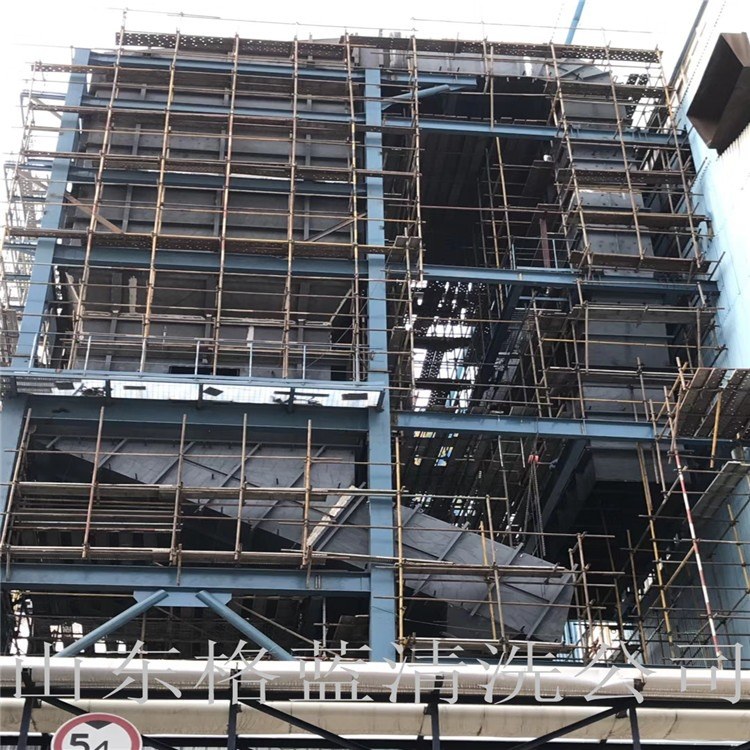
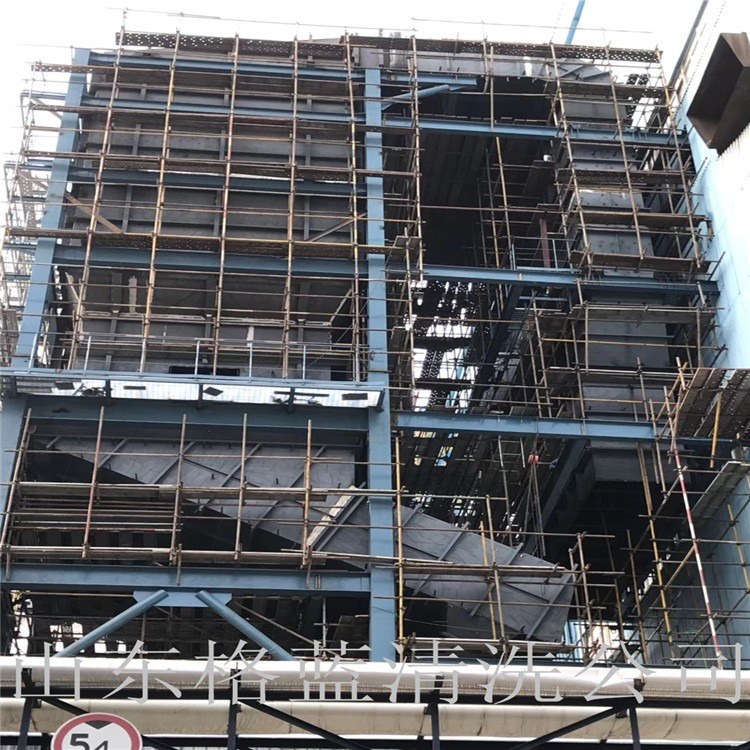
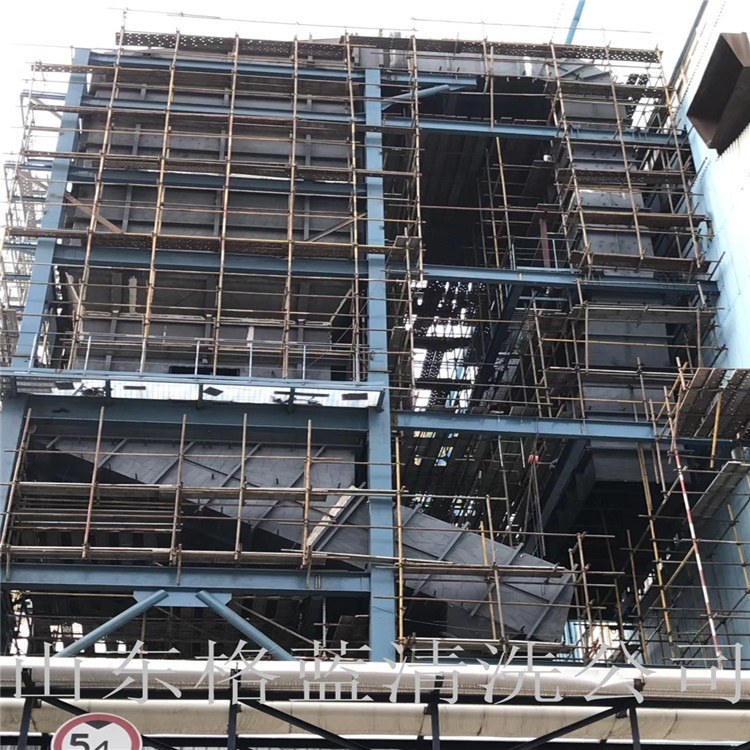
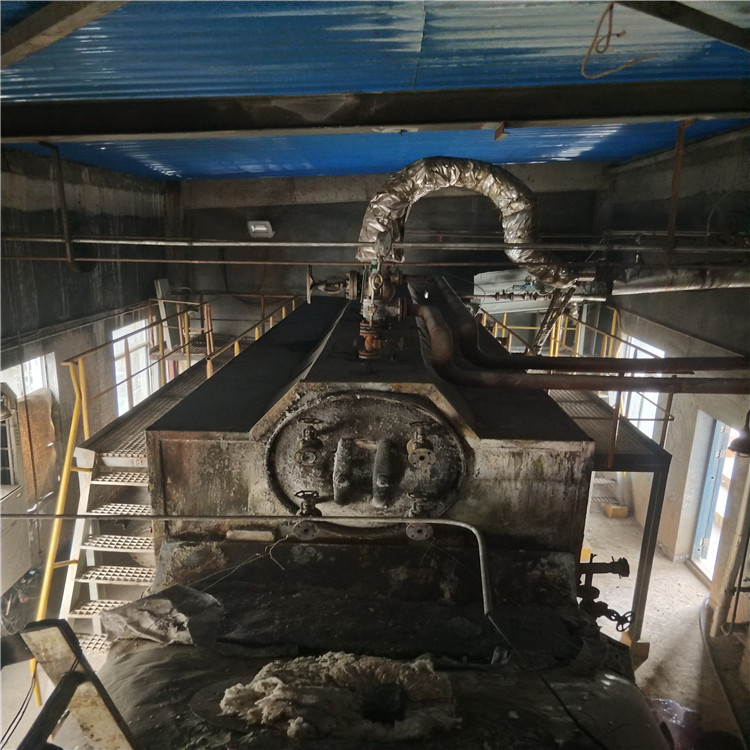
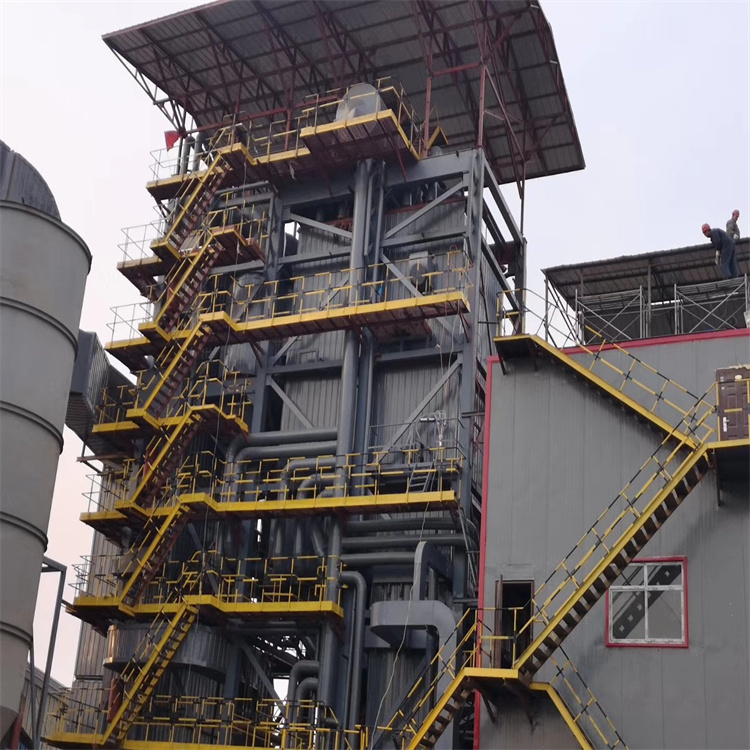
The equipment of an electrostatic precipitator, including the four walls, frame, electrode plates,槽形板(shaped channel plates), guide plates, distribution plates, and ash hopper, undergoes high-pressure water/chemical cleaning.
Section II: Technical Requirements and Acceptance Standards
After water washing and dust removal from the four walls and top of the dust collector, the dust removal rate is not less than 98%, and there is no accumulated dust in the areas that have been cleaned.
2. Perform high-pressure water cleaning on the anode plates and cathode wires; the surfaces of the cleaned plates and wires should be free of any gray sediment.
3. Chemical degreasing and rust removal cleaning for anode plates and cathode wires, with an oil removal rate of not less than 95%, ensuring the surfaces of the plates and wires are free of metal rust layers. Subsequently, perform chemical rust prevention and passivation treatment on the plates and wires, resulting in a visible passivation layer on the surfaces after surface passivation, which is smooth, tidy, and free of rust.
4. During water washing and chemical cleaning processes, the corrosion rate of all equipment must comply with the requirements specified in the Guidelines for Acid Cleaning of Power Station Boilers issued by the former Ministry of Power (the corrosion rate of all equipment must be less than 1g/m².h).
5. Each secondary current of the field after cleaning should show significant improvement compared to before cleaning, ensuring that the secondary current increases from 200MA before cleaning to 400MA.
6. After completion of work, clean all debris inside and outside the electrostatic precipitator.
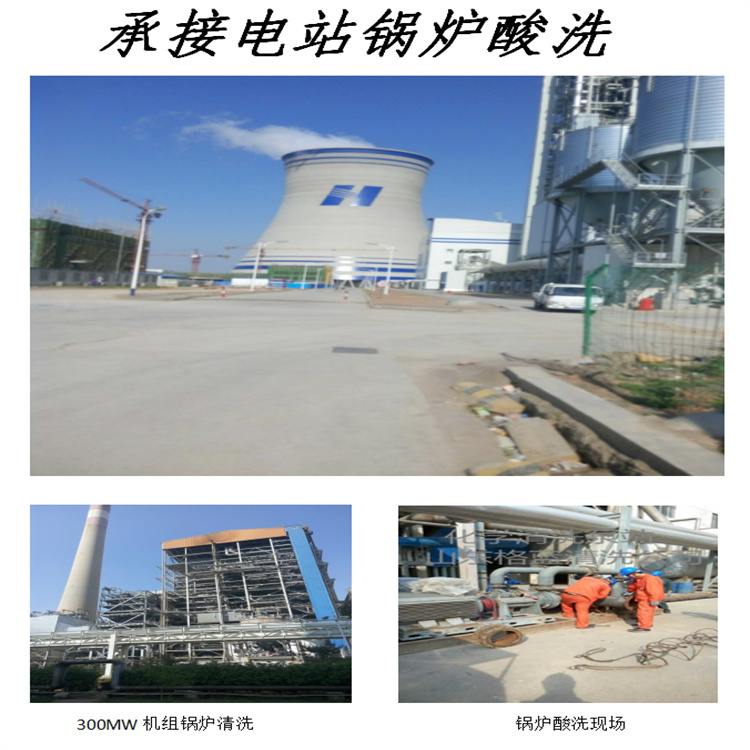 Section 3: Cleaning Construction
1. Pre-construction preparation, initiation of construction permits, and connection of power and water supplies
2. Perform high-pressure water/chemical treatment on equipment such as walls, frames, plates, wires, and dust collectors.
3. Perform chemical rust prevention treatment on the plates and electrodes
4. Restoration of certain components to be removed during construction
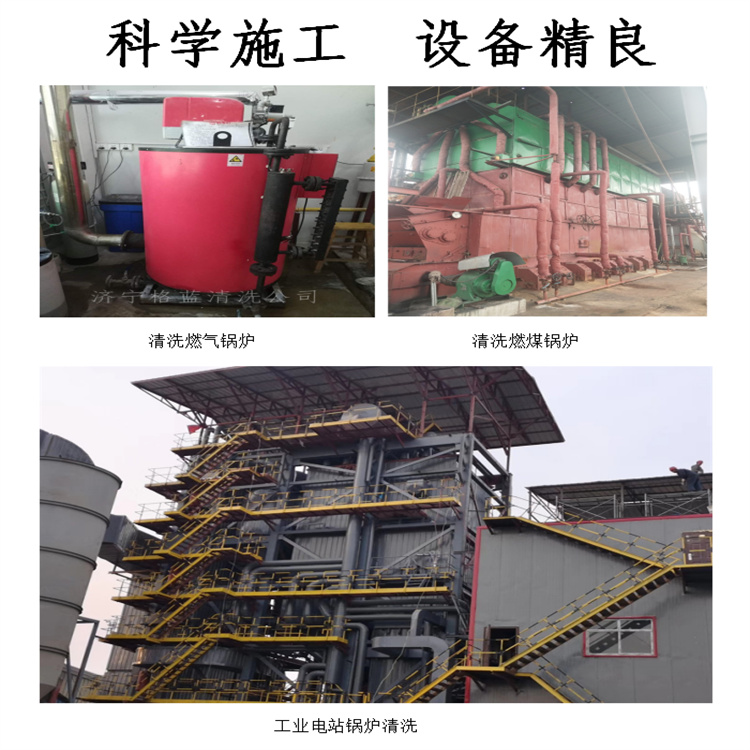 4. Cleaning Process
1. Open the manhole and pull the lighting to the electrostatic precipitator unit.
2. Inspect the internal ventilation and lighting of the electrostatic precipitator and ensure they meet the standards; verify that the under-precipitator drainage meets the requirements of Party A.
3. Perform high-pressure water cleaning on the four walls of the dust collector, trough plates, guide plates, distribution plates, electrode plates, electrode wires, and other components. After cleaning, inspect the cleaning effect and repeat the above process until there is no dust deposit on all components.
4. Formulated as a two-in-one degreaser and rust remover (RDO-120), this product is a mixture of variousSurfactant、Corrosion InhibitorAdjuvants, organic acids composition. Various surfactants and adjuvants emulsify and chelate oil污. They wet and reduce the surface tension of steel, allowing oil污 to quickly脱离 from the steel surface. Organic acids primarily dissolveIron oxidesThe role, while various surfactants also accelerate dissolution.OxidesThe role of...
5. Clean all components, including plates, wires, and more, with the pre-mixed degreaser and rust remover (RDO—120).
6. Flush the heat storage elements of the air preheater vertically up and down with high-pressure water until thoroughly clean.
7. For specific technical processes of high-pressure water jet cleaning, please refer to High-Pressure Water Jet Cleaning Technology
8. Subject the plates and wires to a chemical anti-rust passivation treatment until the equipment meets acceptance standards.
9. Ensure the work is complete, materials are exhausted, and the site is cleared. Leave the site after the client's acceptance.