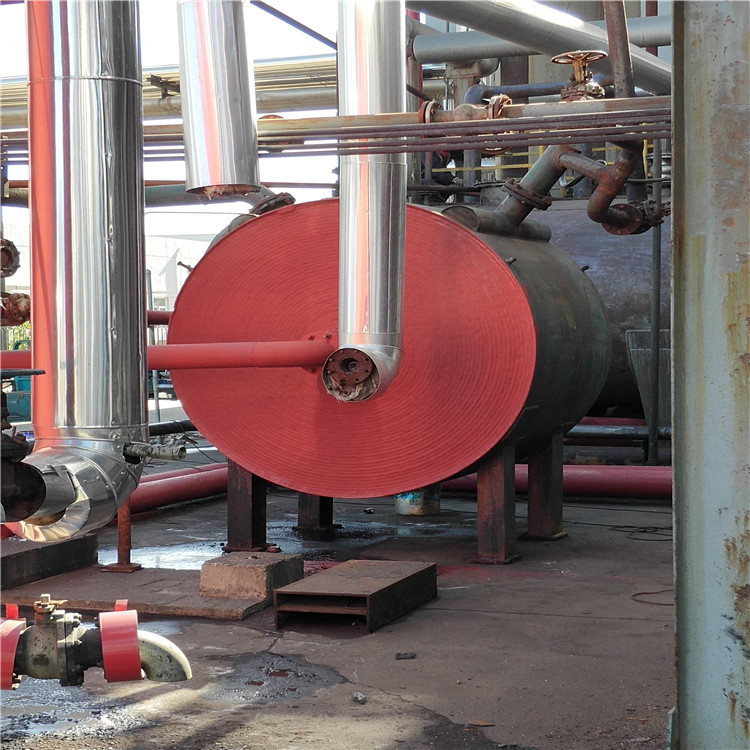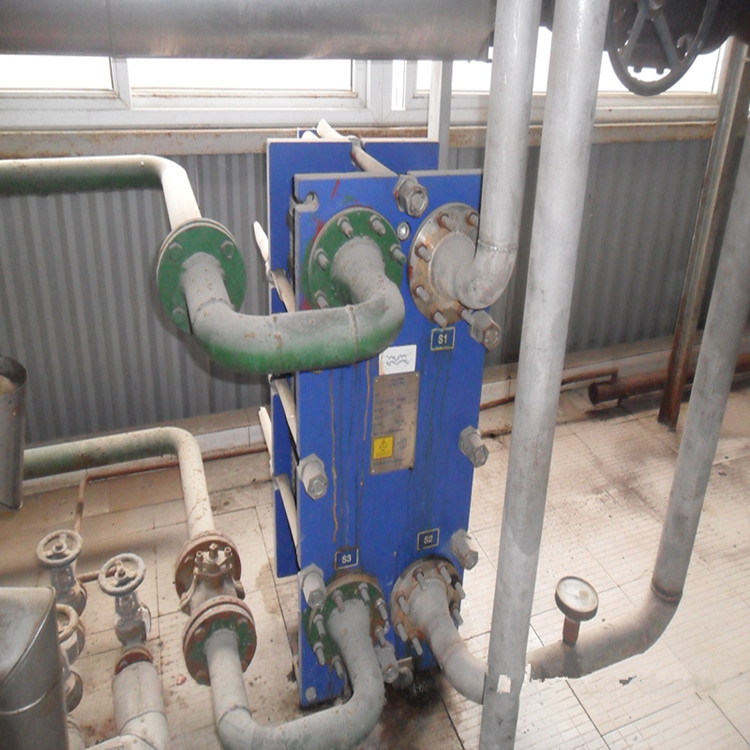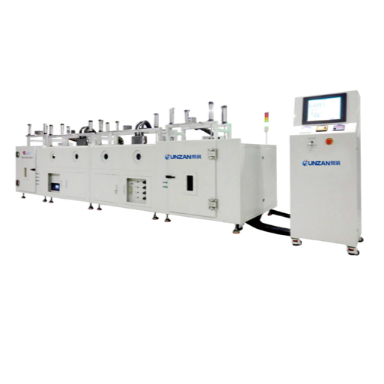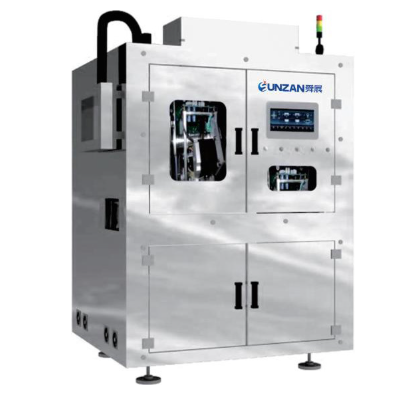
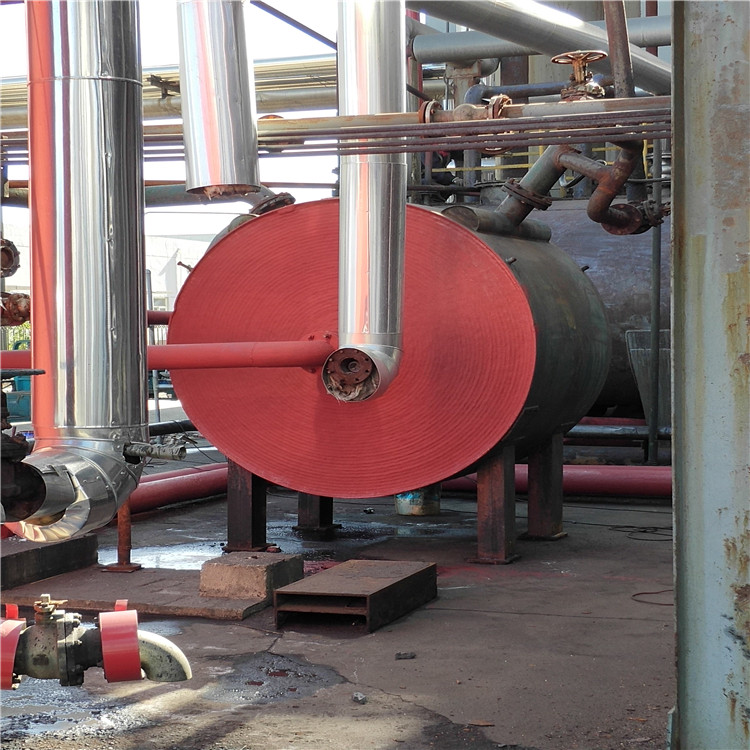

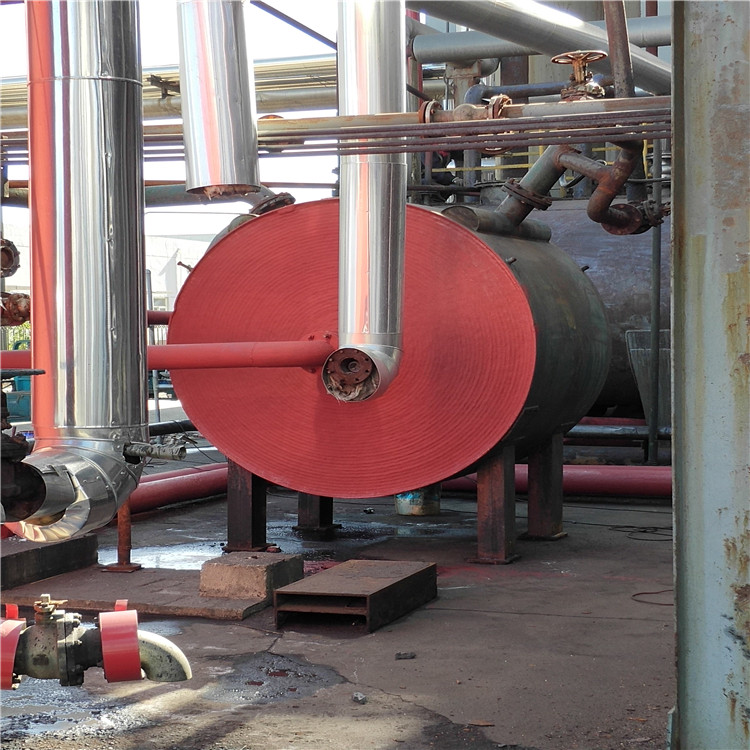
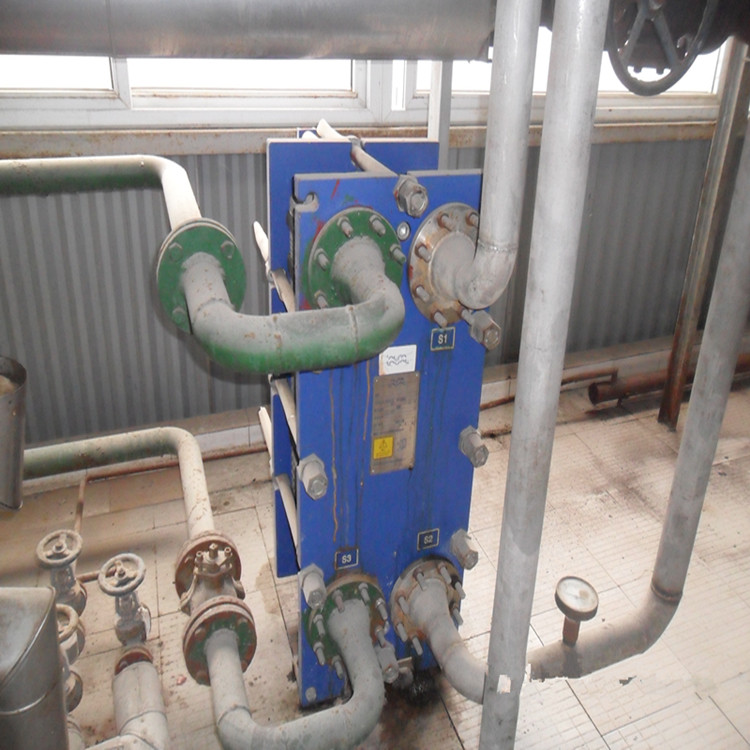








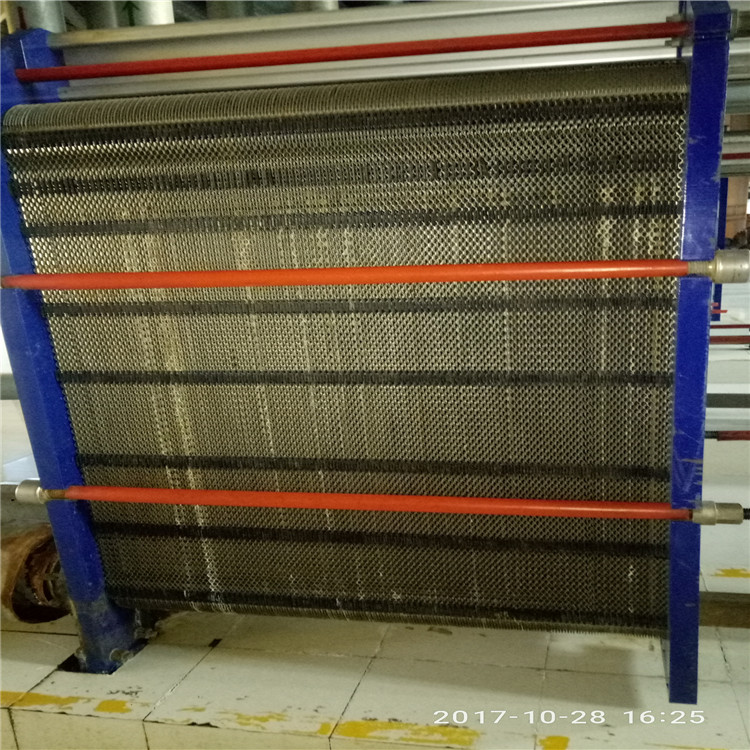
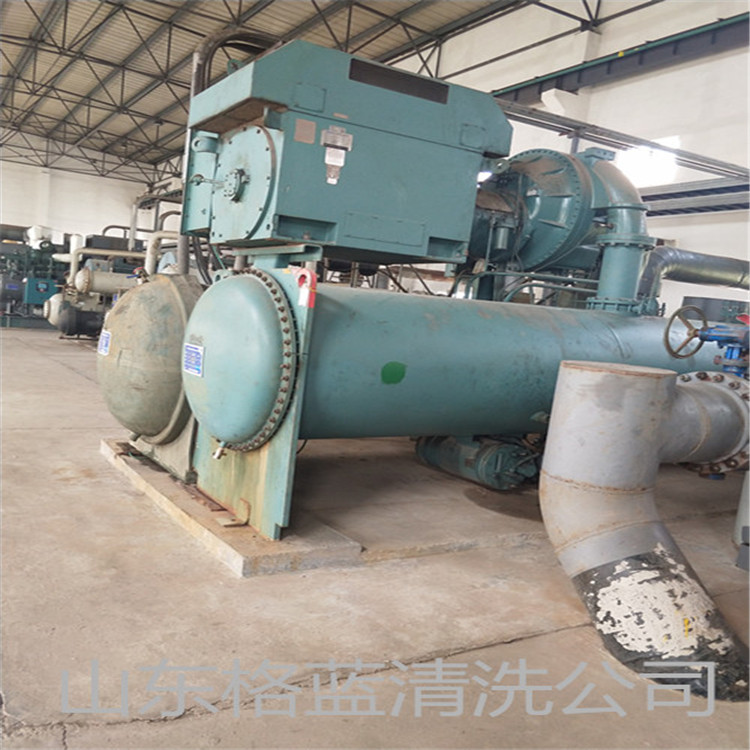
Traditional heat exchanger cleaning methods mainly include manual cleaning and chemical cleaning. However, manual cleaning of heat exchangers has drawbacks such as low efficiency, poor results, and high labor intensity. While chemical cleaning of heat exchangers offers good results, it is less efficient, and the chemical waste after cleaning is difficult to dispose of, which can also corrode the equipment and pollute the environment.
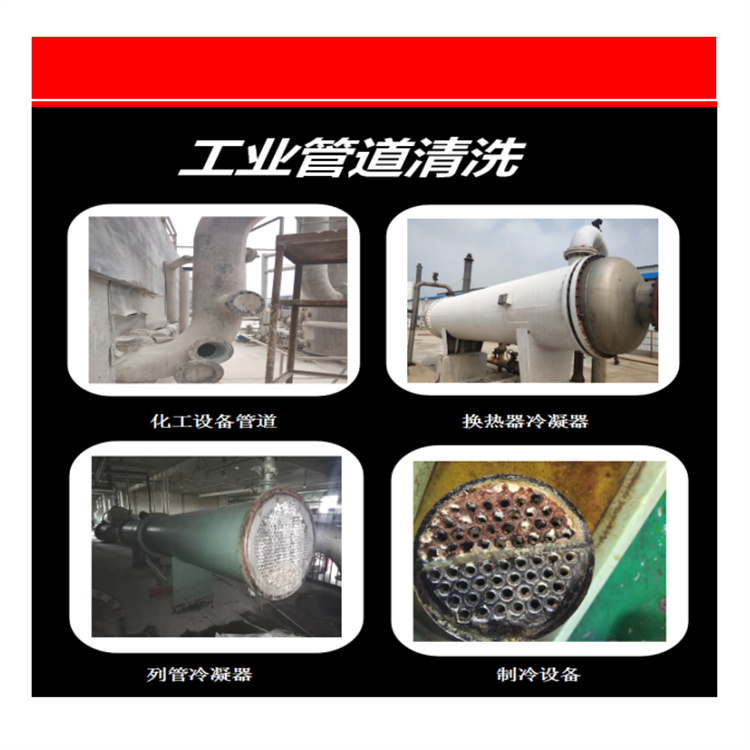
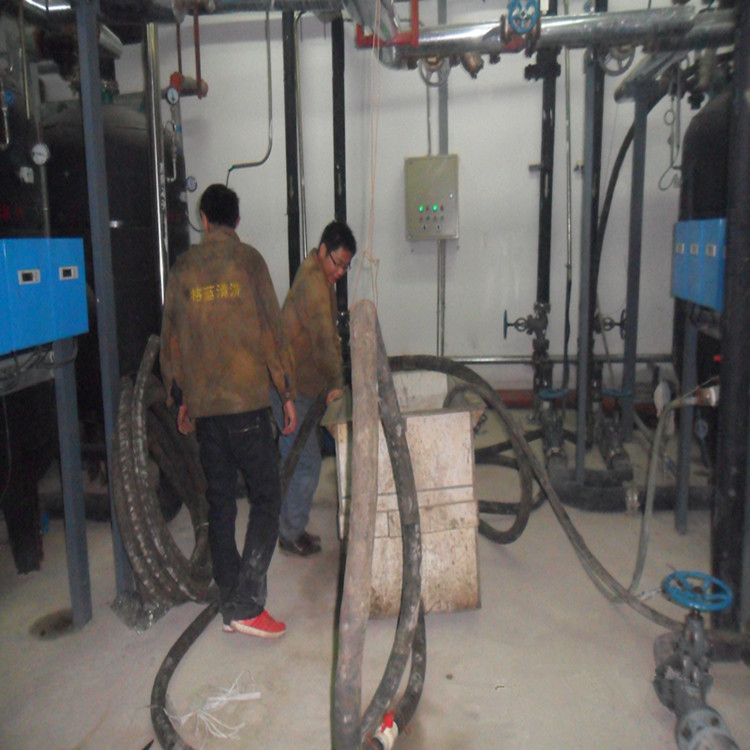
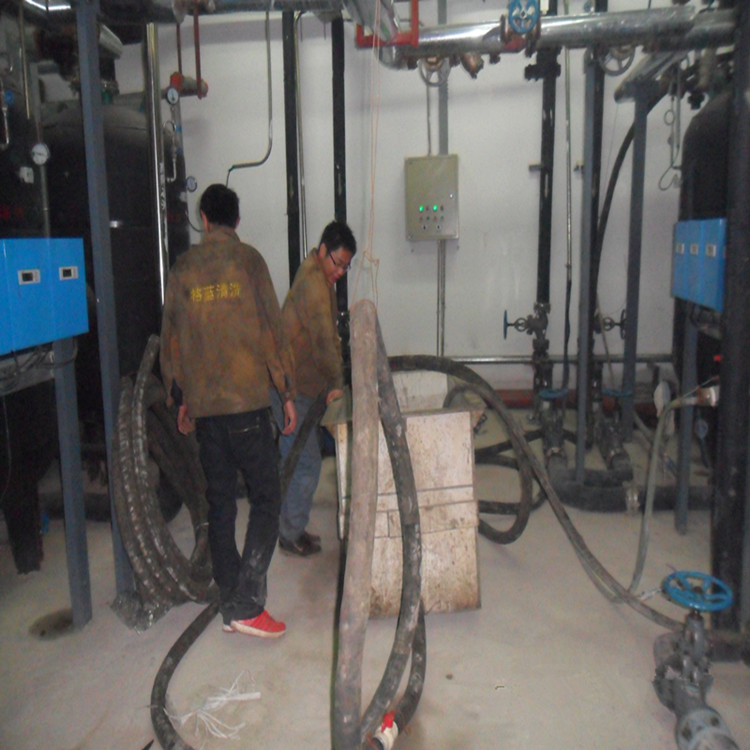
High-pressure cleaning machines have emerged as a rapidly developing new type of cleaning equipment in recent years, with a wide range of applications spanning nearly all industrial cleaning fields. Particularly in the context of China's increasingly stringent environmental protection requirements, zero-pollution high-pressure cleaning machines, as an environmentally friendly cleaning option, are gaining favor among various enterprises. This equipment boasts high cleaning quality, low cleaning costs, high efficiency, non-pollution to the environment, high safety, and a broad application range, and has now become a standard cleaning tool in the heat exchanger cleaning industry. Heat exchanger cleaning is primarily divided into tube side and shell side cleaning. Shell side cleaning typically involves using a hand-held high-pressure nozzle gun or positioning the nozzle on a device fed by a robotic arm, aiming it at the longitudinal gaps between tubes, while moving the device to clean the deposits between the tubes until all gaps are thoroughly cleaned, thereby completing the shell side cleaning. Tube side cleaning begins by removing the heat exchanger's head and tail, exposing all the tubes, and then using a rigid nozzle gun or a flexible high-pressure nozzle gun to insert into the tube holesMaintain a distance of 200-300mm, open the spray gun control valve to increase the pressure of the high-pressure water until it reaches the rated pressure. Subsequently, during the cleaning process, gradually advance the spray gun towards the deeper part of the pipeline until the high-pressure water jet is ejected from the other end of the heat exchanger.
Afterward, the operator will slowly withdraw the spray gun while in operation, and the debris will continue to be broken down until the spray gun is pulled back to the same pipe opening it was inserted into, at which point the debris will also be sequentially discharged from the pipeline. Subsequently, using the same method, each individual tube is cleaned until the entire tube side of the heat exchanger is thoroughly cleaned. When specifically cleaning the inner wall of the tubes, the following methods are generally employed: