








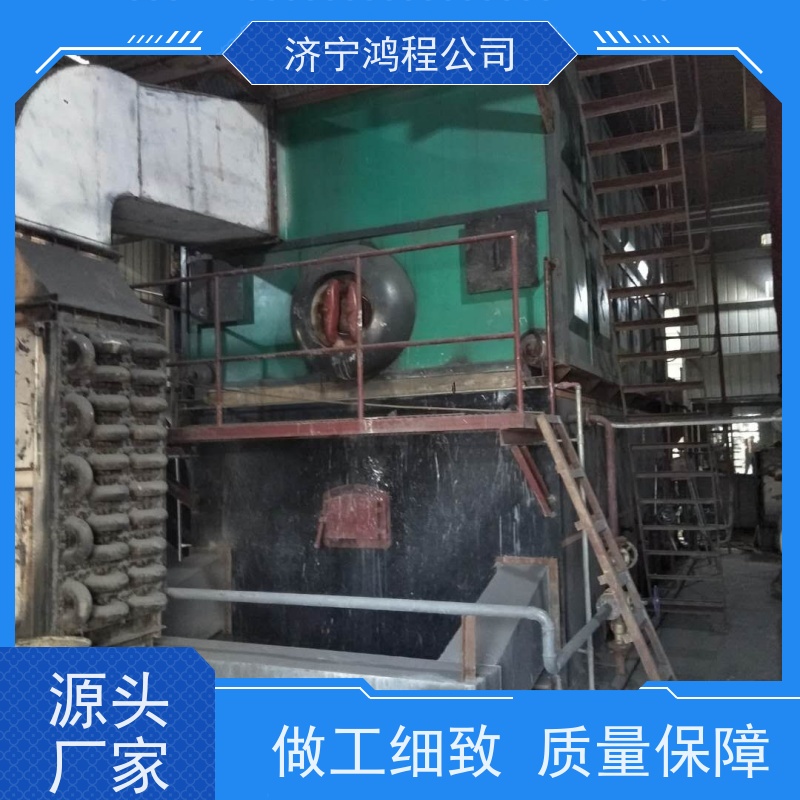
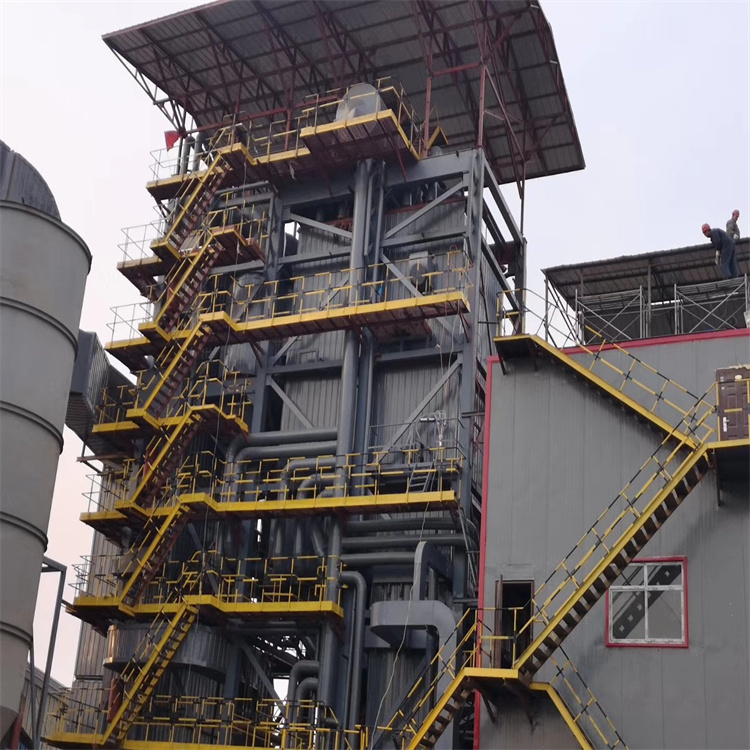

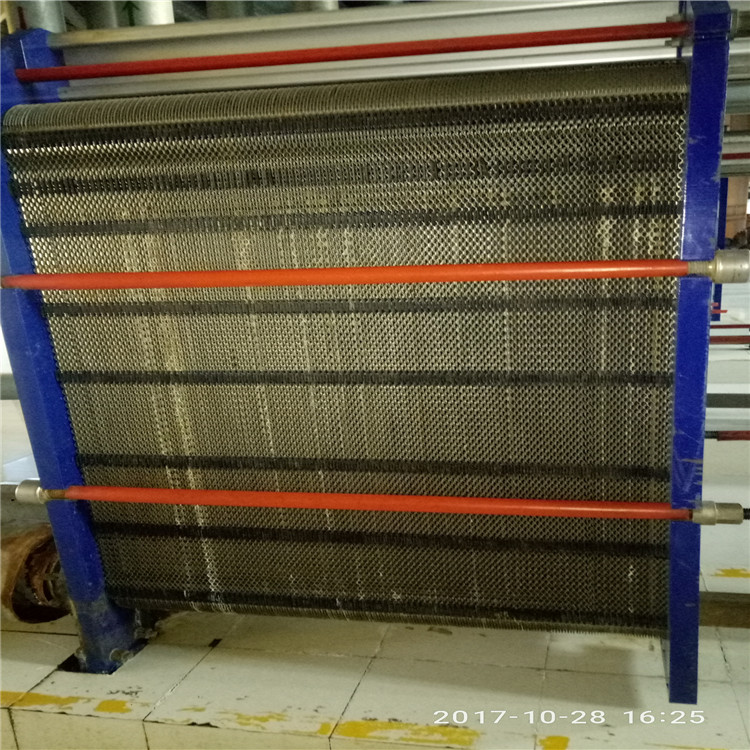
Commonly used in coal-fired power plant boilers. They can be divided into two types: tube box and rotary, with the latter further categorized into wind shroud rotary and heat surface rotary. Heat surface rotary preheaters are commonly used in power plant boilers. In boilers, they are typically applied in two, three, or four compartment designs, with the four-compartment design being more frequently used in circulating fluidized bed systems. Air preheaters can be classified based on their heat transfer method, such as conductive. In conductive air preheaters, the tube-type air preheater is used. As boiler parameters increase and capacity grows, the heat surface of the tube-type air preheater presents challenges for the arrangement of the tail heat surface. Therefore, in large capacity units, compact and lightweight rotary air preheaters are predominantly used. Air preheaters are generally divided into plate-type, rotary, and tube-type. The rotary tube-type air preheater consists of a rotating circular rotor and a fixed outer shell, with a rotor-type heat surface divided into many compartments containing heat storage plates. These plates absorb and store the heat from the gas, releasing it to the air when the rotor turns to that side, thereby reducing the plates' temperature. As the heat surface rotates continuously, heat is transferred from the flue gas to the air, heating the air and cooling the flue gas, which is the working principle of the rotary air preheater. The main advantages of the rotary air preheater are its small size, light weight, and the ability of its heat transfer elements to withstand significant wear, making it particularly suitable for large boilers. The disadvantages include a complex structure, power consumption, and a significant amount of air leakage.